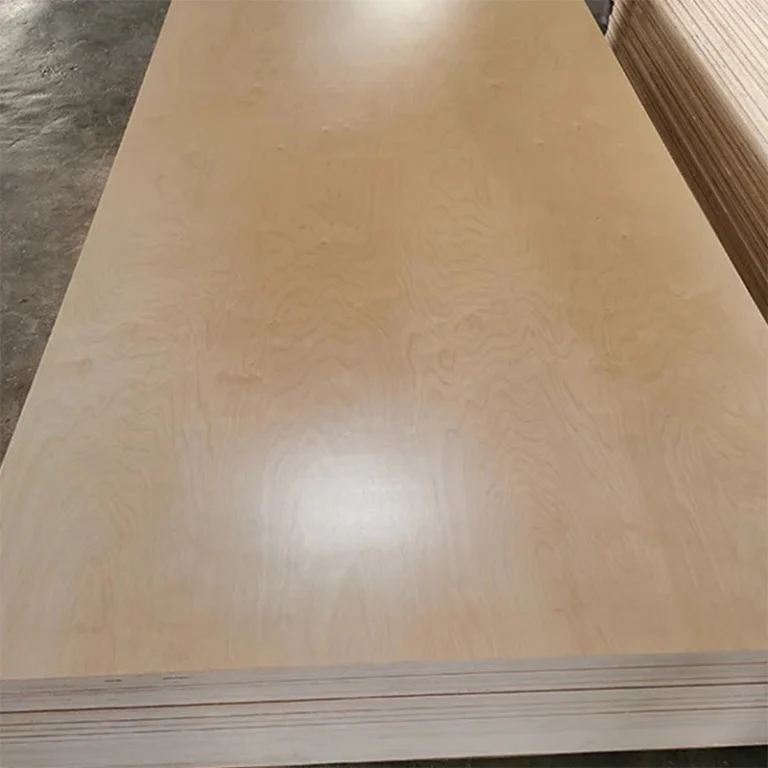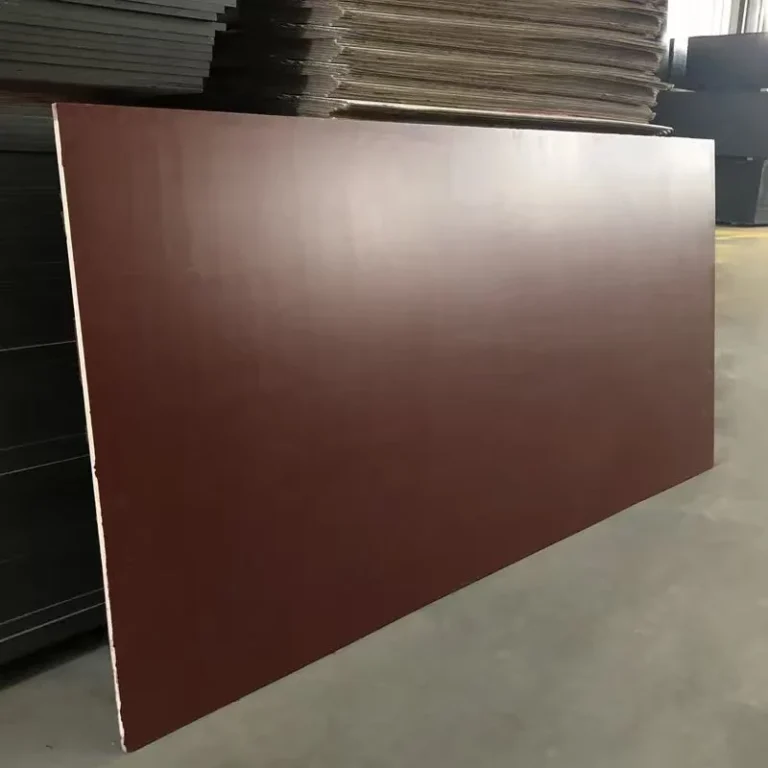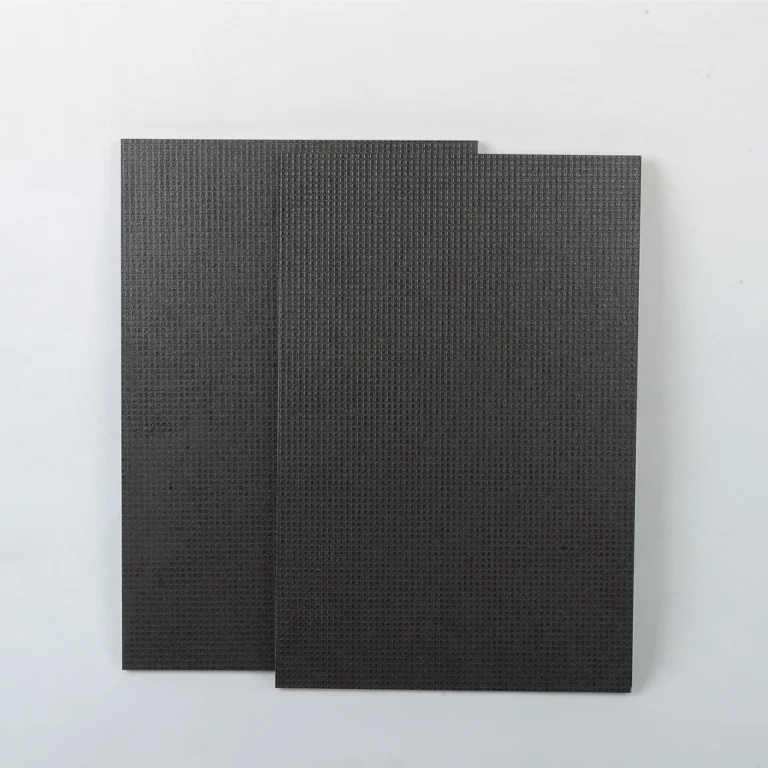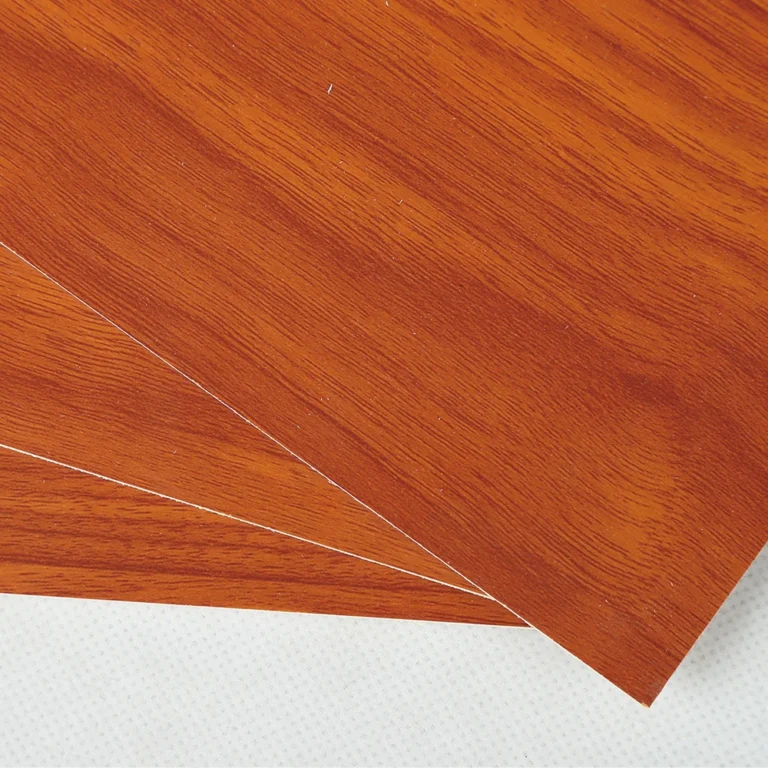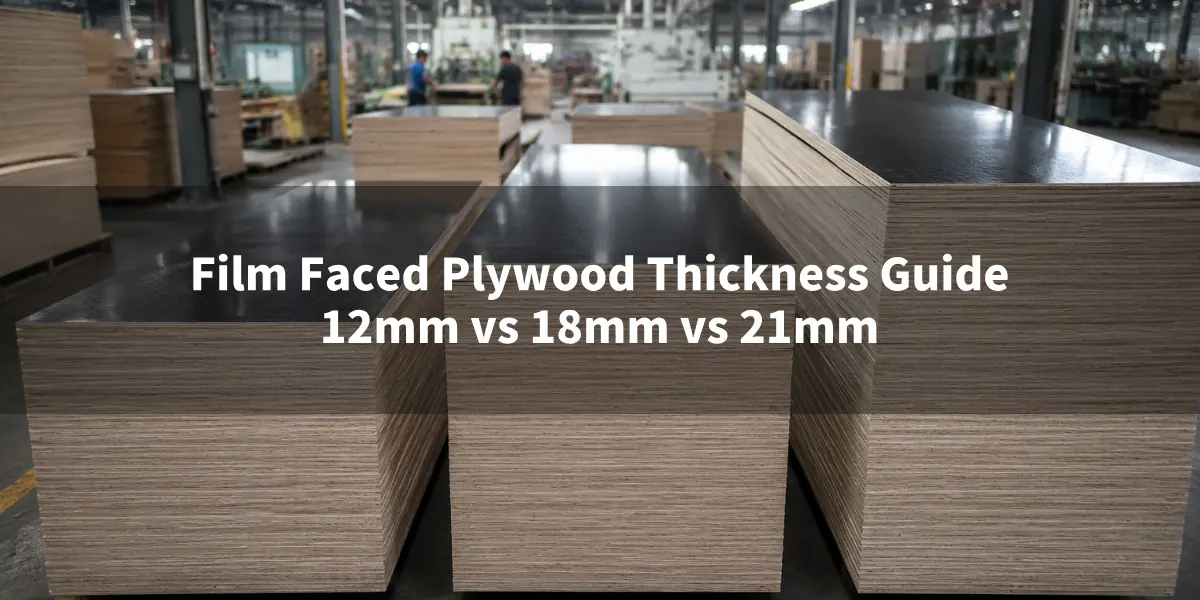
Introduction: Why Thickness Matters in Film Faced Plywood
When it comes to concrete formwork and construction projects, film faced plywood is one of the most widely used materials due to its durability, water resistance, and smooth concrete finish. However, one of the most important decisions buyers face is choosing the right thickness.
The most common options—12mm, 18mm, and 21mm film faced plywood—each serve different construction needs. Selecting the wrong thickness can lead to poor load-bearing performance, higher costs, or reduced reuse cycles.
In this guide, we will explain the differences between these three thicknesses and help you choose the right one for your project.
What Is Film Faced Plywood?
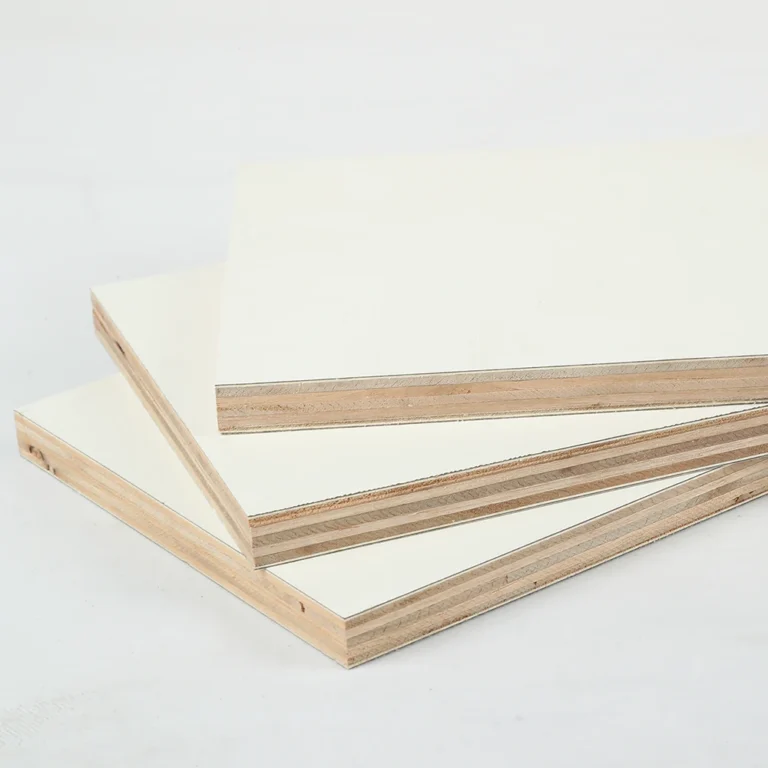
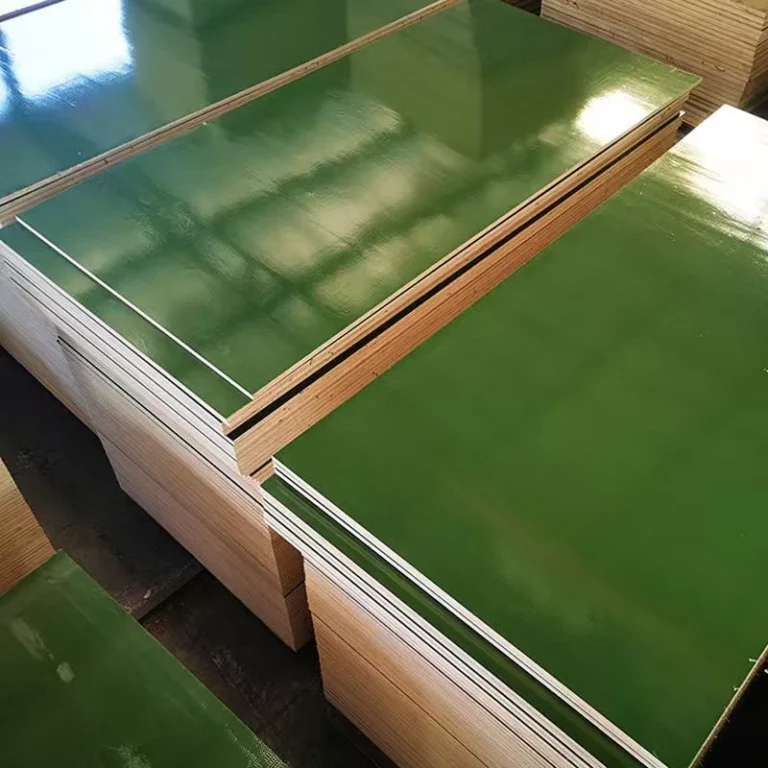
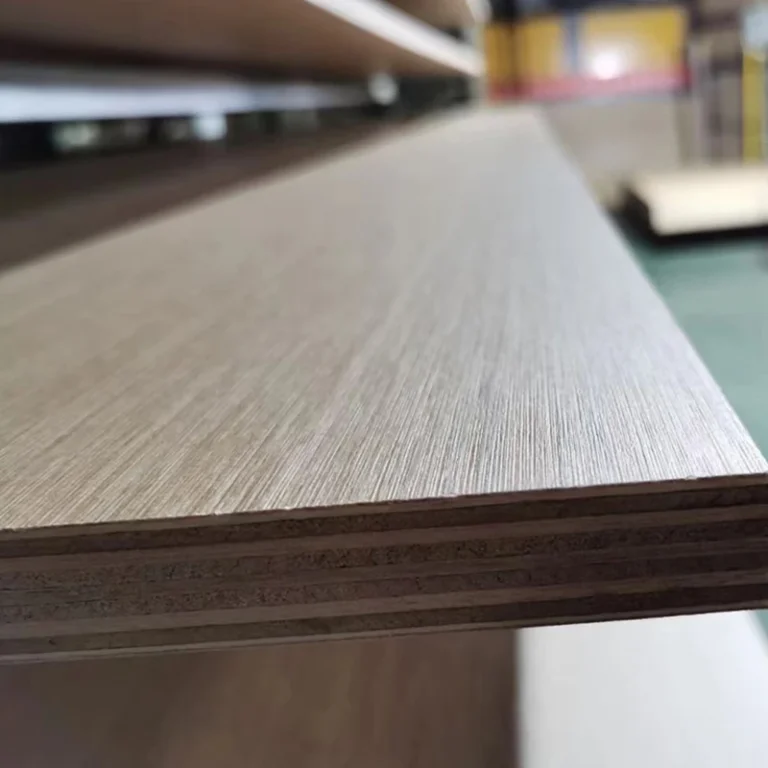
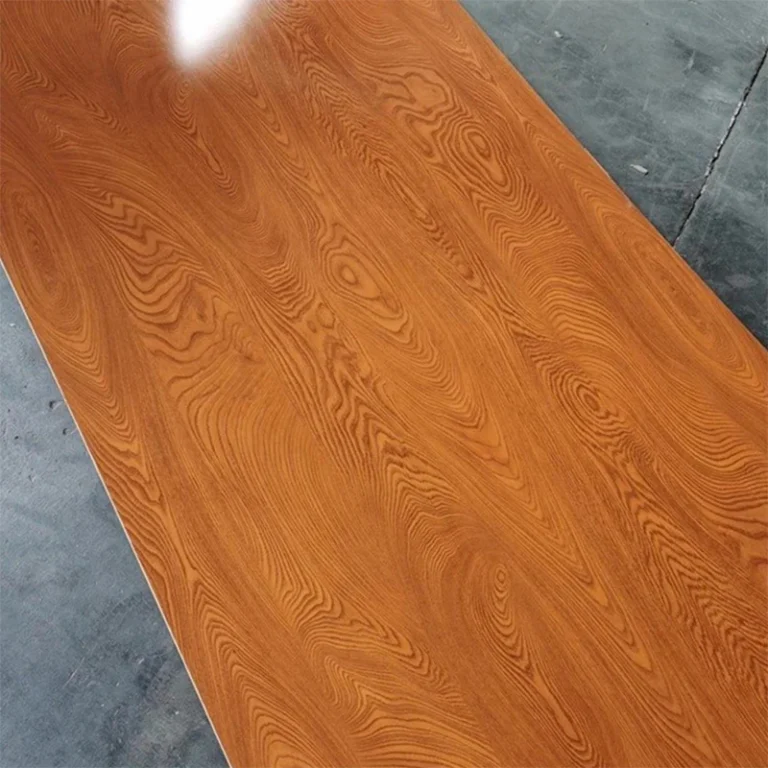
Film faced plywood is a high-strength engineered wood panel coated with a phenolic film on both sides. This protective film makes the surface:
- Waterproof and moisture-resistant
- Smooth for concrete finishing
- Resistant to wear and chemical damage
- Suitable for multiple reuse cycles in formwork systems
It is widely used in:
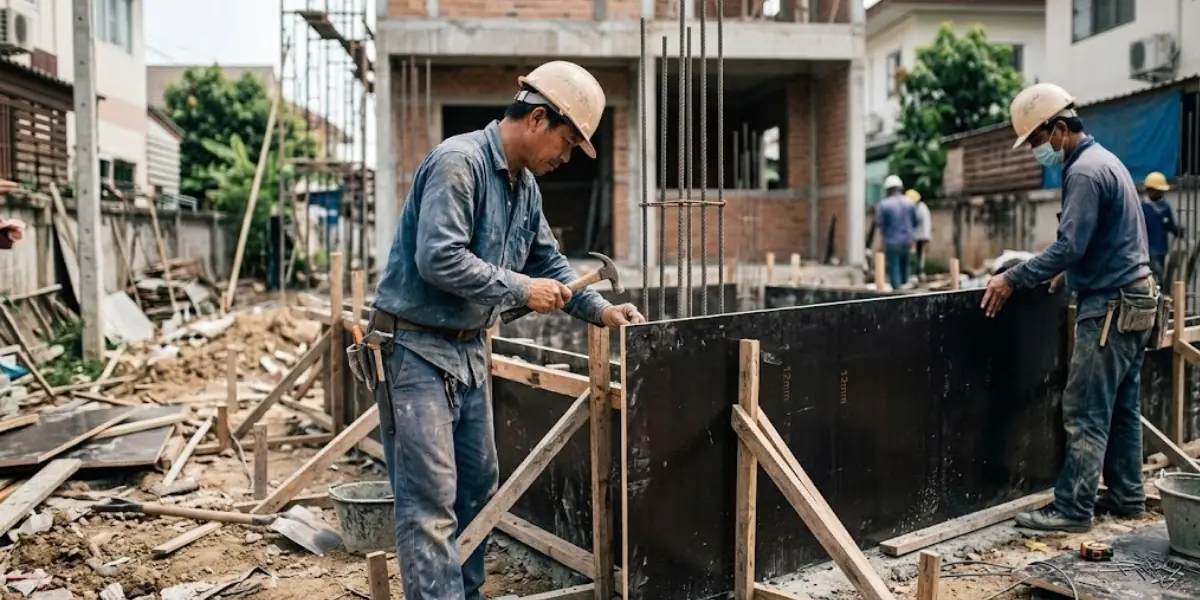
- Concrete slab formwork
- Wall shuttering systems
- Bridge and tunnel construction
- High-rise building projects
Standard Thickness Options of Film Faced Plywood
The most common thickness options in the construction industry include:
- 12mm Film Faced Plywood (Light-duty formwork)
- 18mm Film Faced Plywood (Standard construction use)
- 21mm Film Faced Plywood (Heavy-duty structural formwork)
Each thickness affects strength, durability, and reuse cycles.
12mm Film Faced Plywood: Lightweight and Cost-Efficient
Key Features
- Thin and lightweight panel
- Easy to handle and transport
- Lower material cost
- Suitable for small-scale projects
Advantages
- Easy installation and cutting
- Lower labor intensity
- Cost-effective for temporary structures
Disadvantages
- Lower load-bearing capacity
- Fewer reuse cycles (around 3–6 times)
- Not suitable for high-pressure concrete pouring
Best Applications
- Residential small slabs
- Temporary structures
- Low-rise building projects
- Secondary formwork support
18mm Film Faced Plywood: The Most Popular Choice
Key Features
- Balanced strength and weight
- High versatility
- Widely used in global construction projects
- Good cost-performance ratio
Advantages
- Strong load-bearing capacity
- Reusable around 6–12 times
- Suitable for most building applications
- Stable performance under pressure
Disadvantages
- Heavier than 12mm
- Slightly higher cost
- Requires more labor for handling
Best Applications
- Residential and commercial buildings
- Wall and column formwork
- Medium-rise construction projects
- Standard concrete slab systems
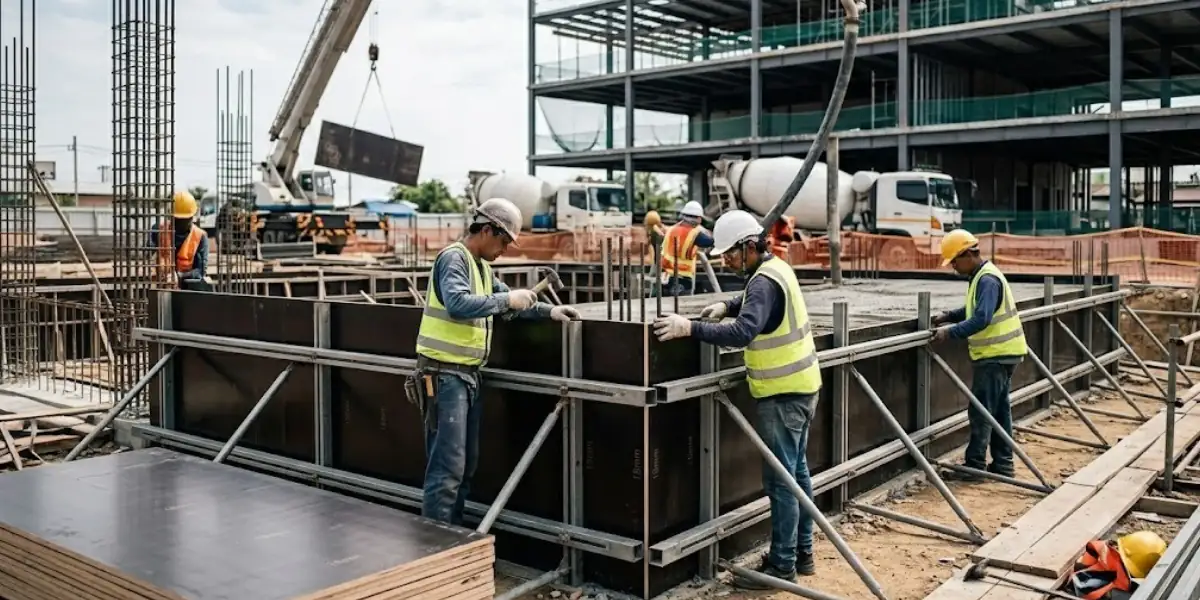
21mm Film Faced Plywood: Heavy-Duty Solution
Key Features
- Thick and high-strength structure
- Designed for high-load environments
- Maximum durability among standard options
- Long service life
Advantages
- Excellent load resistance
- High reuse cycles (10–20+ times depending on usage)
- Reduced deformation under pressure
- Ideal for demanding construction projects
Disadvantages
- Higher cost per sheet
- Heavier and harder to transport
- Not necessary for small projects
Best Applications
- Bridges and infrastructure projects
- High-rise building foundations
- Heavy-load slab systems
- Industrial construction sites
Comparison Table: 12mm vs 18mm vs 21mm
| Feature | 12mm | 18mm | 21mm |
|---|---|---|---|
| Strength | Low | Medium | High |
| Weight | Light | Medium | Heavy |
| Reuse Times | 3–6 | 6–12 | 10–20+ |
| Cost | Low | Medium | High |
| Best Use | Small projects | General construction | Heavy-duty projects |
How to Choose the Right Thickness?
Choosing the right thickness depends on several key factors:
1. Project Type
- Residential projects → 12mm or 18mm
- Commercial buildings → 18mm
- Infrastructure projects → 21mm
2. Load Requirements
Higher concrete pressure requires thicker plywood.
3. Budget Considerations
- Low budget → 12mm
- Balanced performance → 18mm
- Long-term investment → 21mm
4. Reuse Frequency
If reuse cycles are important, thicker plywood offers better long-term value.
Cost vs Performance Insight
Although 12mm is the cheapest option, it wears out faster. In contrast, 21mm has a higher upfront cost but offers much longer durability.
In most cases, 18mm film faced plywood provides the best balance between cost and performance, making it the most widely used option worldwide.
Common Mistakes to Avoid
- Using 12mm for heavy structural loads
- Overpaying for 21mm in small projects
- Ignoring reuse cycles
- Choosing thickness without considering project requirements
Avoiding these mistakes can significantly improve efficiency and reduce construction costs.
FAQ
What thickness of film faced plywood is best for construction?
18mm is the most commonly used and balanced option for general construction.
Is 12mm film faced plywood strong enough?
Yes, but only for light-duty and low-pressure applications.
Why use 21mm plywood?
It is designed for heavy-duty and infrastructure construction projects.
Which thickness lasts the longest?
21mm offers the highest durability and reuse cycles.
Which one is the most cost-effective?
For most projects, 18mm provides the best return on investment.
Conclusion
Choosing between 12mm, 18mm, and 21mm film faced plywood depends on your project needs, budget, and load requirements.
- 12mm → Best for lightweight and low-cost applications
- 18mm → Best all-around standard choice
- 21mm → Best for heavy-duty construction projects
For most builders and contractors, 18mm remains the optimal choice due to its balance of strength, cost, and versatility.
If you are not sure which thickness is suitable for your project, feel free to contact us for professional recommendations and pricing support. Our team is ready to help you choose the right film faced plywood for your construction needs.