Introduction
The strength of film faced plywood is a key concern for builders, contractors, and suppliers when selecting formwork materials. Unlike ordinary decorative plywood, film faced plywood is designed for concrete formwork applications, where it must withstand heavy pressure, impact loads, and long-term outdoor exposure.
Its structural performance directly influences load capacity, surface flatness of concrete, reuse cycles, and overall construction safety. Understanding the key factors behind its strength helps prevent material failure and reduces project costs.
Key Factors Affecting Film Faced Plywood Strength
1. Core Material Quality
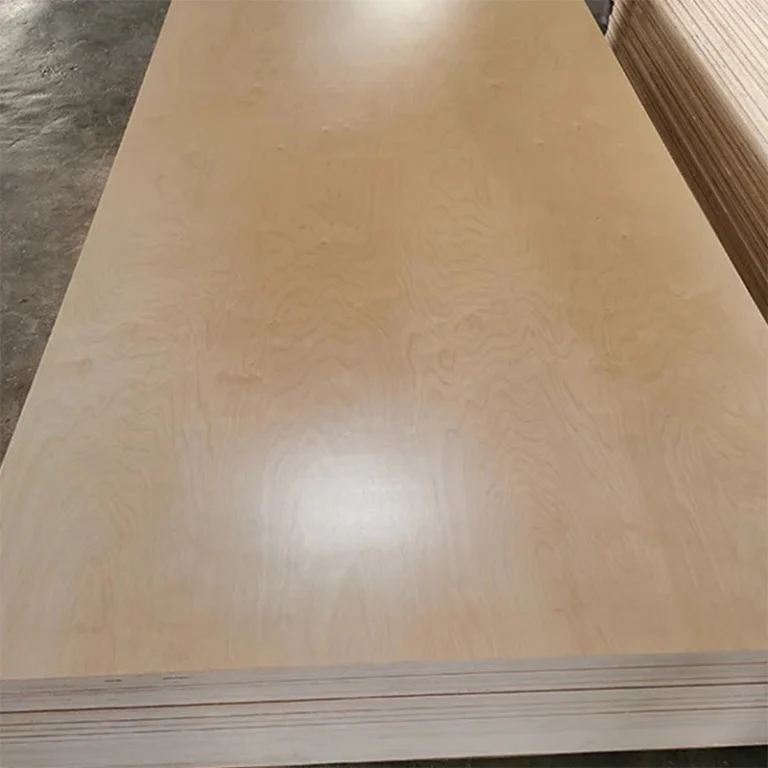
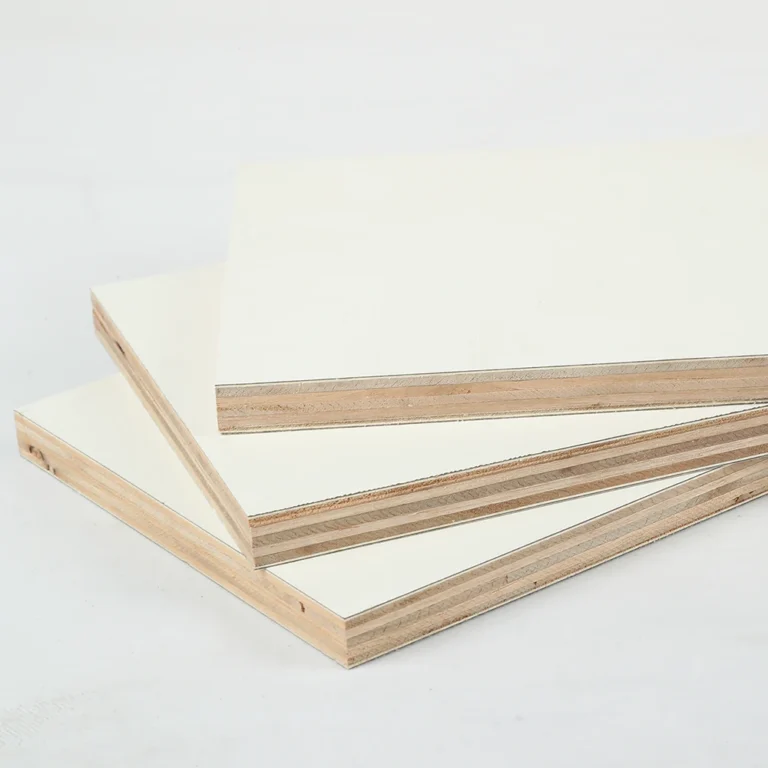
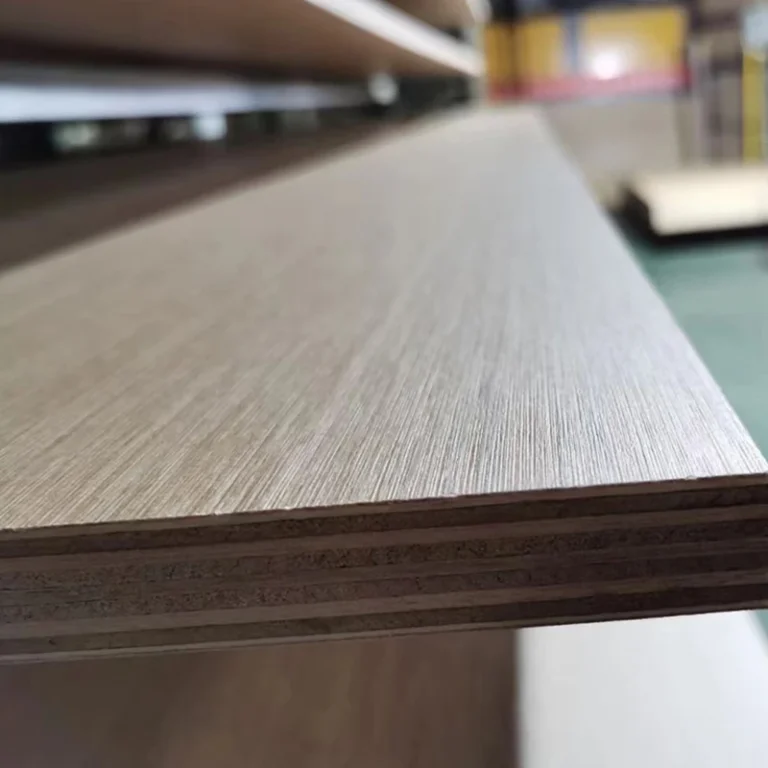
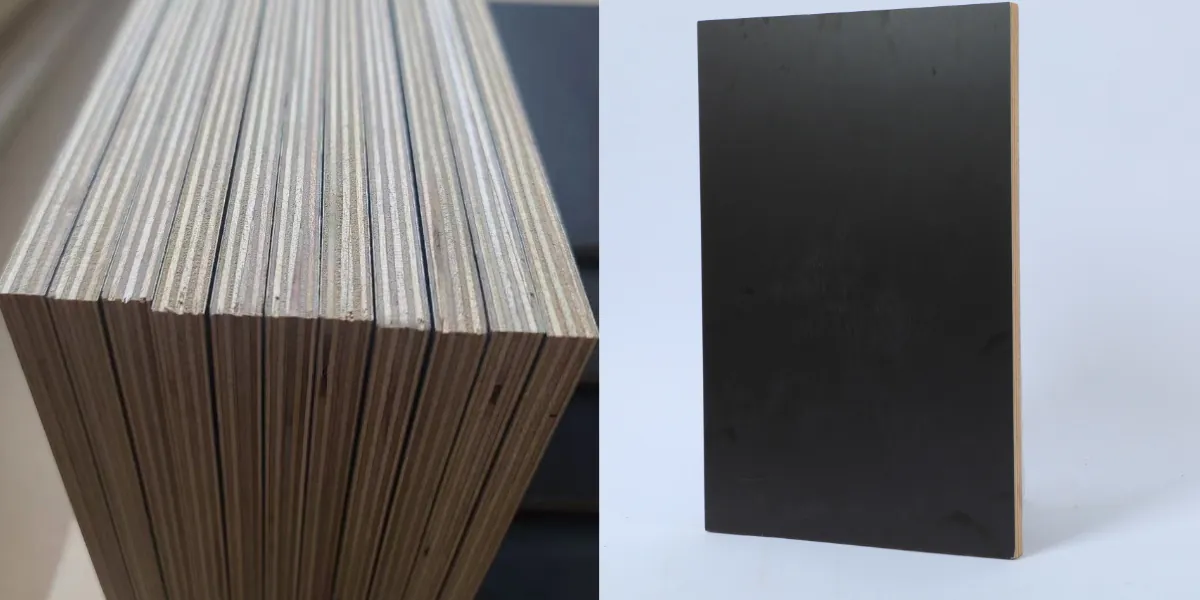
The core material is the structural foundation of film faced plywood and directly determines its strength and stability. High-grade plywood typically uses hardwood, birch, or mixed hardwood cores with high density and stable internal structure.
Advantages of high-quality core:
- Higher density, improving resistance to deformation under heavy pressure
- Strong screw holding ability, preventing loosening during concrete pouring
- Better bending resistance under lateral concrete pressure
Low-quality cores often contain gaps, softwood, or recycled wood, which significantly reduces durability and reuse times.
2. Glue Type and Bonding Strength
Glue quality plays a critical role in waterproof performance and structural integrity.
Main glue types:
- MR glue (Moisture Resistant) – suitable for indoor dry environments
- WBP glue (Water Boiled Proof) – suitable for humid construction conditions
- Phenolic resin glue – premium grade with excellent waterproof and heat resistance
Among them, phenolic glue film faced plywood offers the highest durability and is widely used in bridges, high-rise buildings, and infrastructure projects.
3. Film Surface Quality
The surface film is a protective layer that directly affects wear resistance and concrete finish quality.
Common film types:
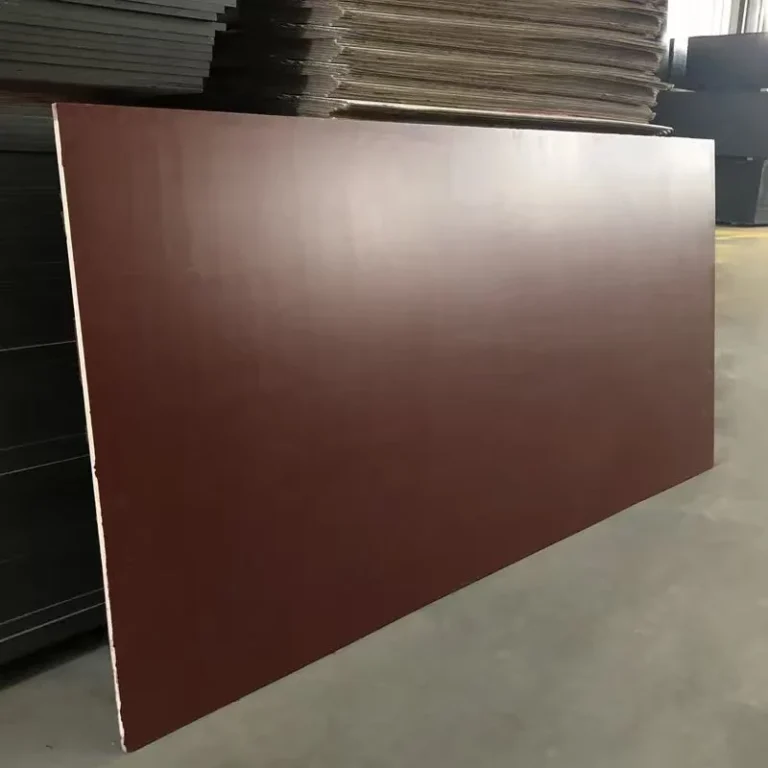
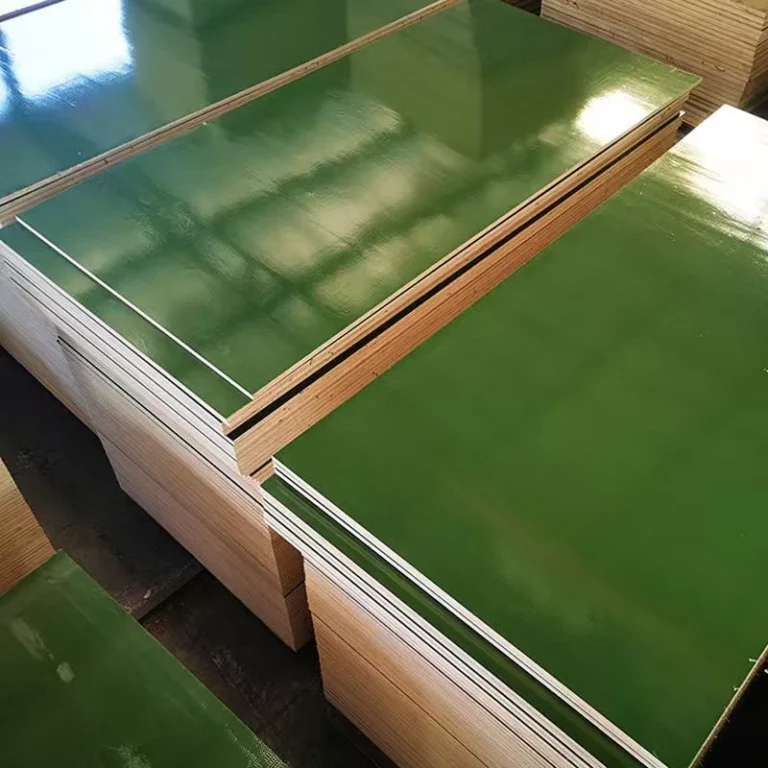
- Brown film – cost-effective and widely used in general construction
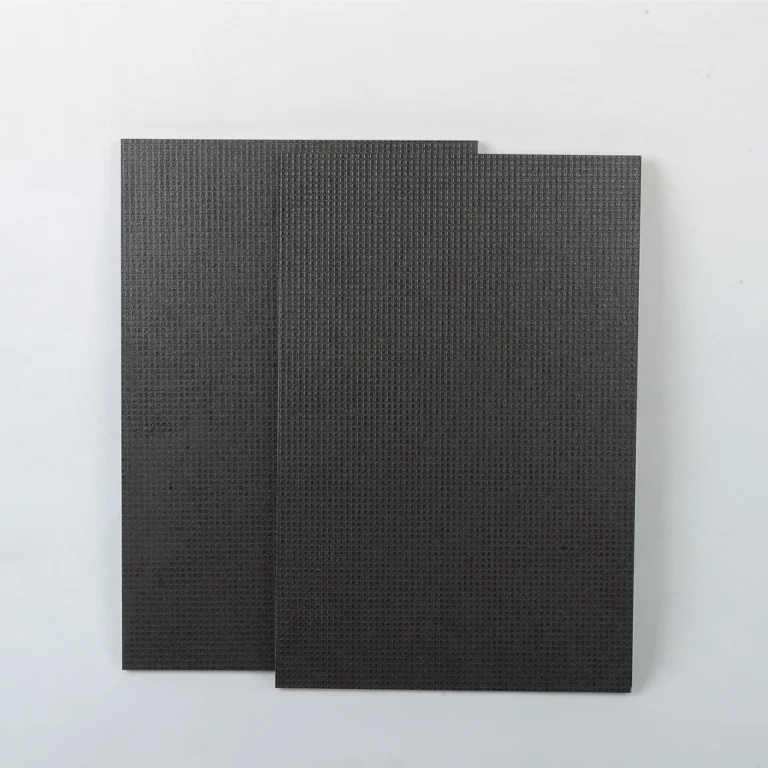
- Black phenolic film – higher durability for heavy-duty applications
High-quality film prevents water penetration, improves surface smoothness, and increases reuse cycles.
4. Pressing Technology and Production Process
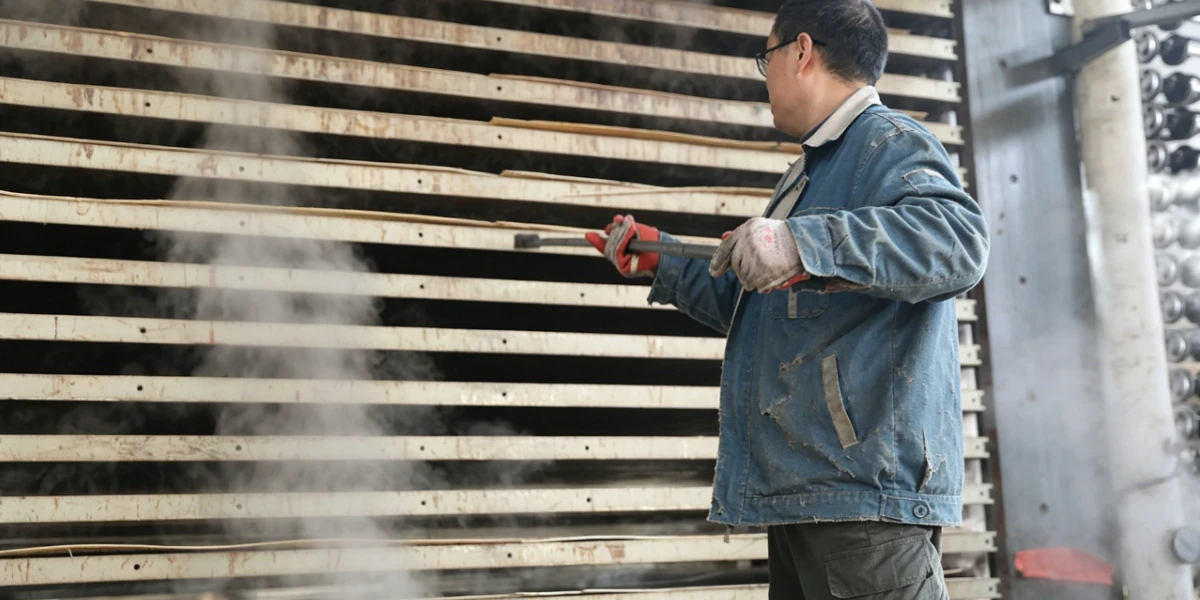
Hot pressing technology determines how well each layer of plywood is bonded together. Proper temperature, pressure, and pressing time ensure structural integrity.
Benefits of advanced production process:
- Strong bonding between layers without internal gaps
- Improved load-bearing capacity
- Reduced risk of delamination and bulging
5. Moisture Content and Storage Conditions
Wood is highly sensitive to moisture. Improper storage can significantly reduce plywood strength even if the material is high quality.
Common risks:
- Exposure to rain or high humidity
- Direct ground contact without protection
- Improper stacking causing bending or warping
Proper storage in a dry and ventilated environment helps maintain stability and extend service life.
6. Thickness and Structural Design
Thickness and layer structure directly affect load-bearing performance.
Common thickness options:
- 12mm – light-duty applications
- 15mm – standard construction use
- 18mm – heavy-duty formwork for large projects
Thicker and multi-layer cross-structured plywood provides better stability and pressure resistance.
7. On-Site Usage Conditions
Even high-quality plywood can fail if used incorrectly on construction sites.
Common improper practices:
- Excessive concrete pouring pressure
- Improper demolding causing edge damage
- Repeated nailing in the same area
- Exposure to harsh weather without protection
Proper handling and standardized construction methods significantly extend plywood lifespan.
Conclusion
The strength of film faced plywood is influenced by multiple factors, including core material quality, glue type, surface film, production process, thickness, and construction handling. Selecting high-quality materials and using them correctly can greatly improve durability, reuse cycles, and overall construction efficiency.
Choosing a reliable film faced plywood supplier ensures stable performance and long-term project cost savings.