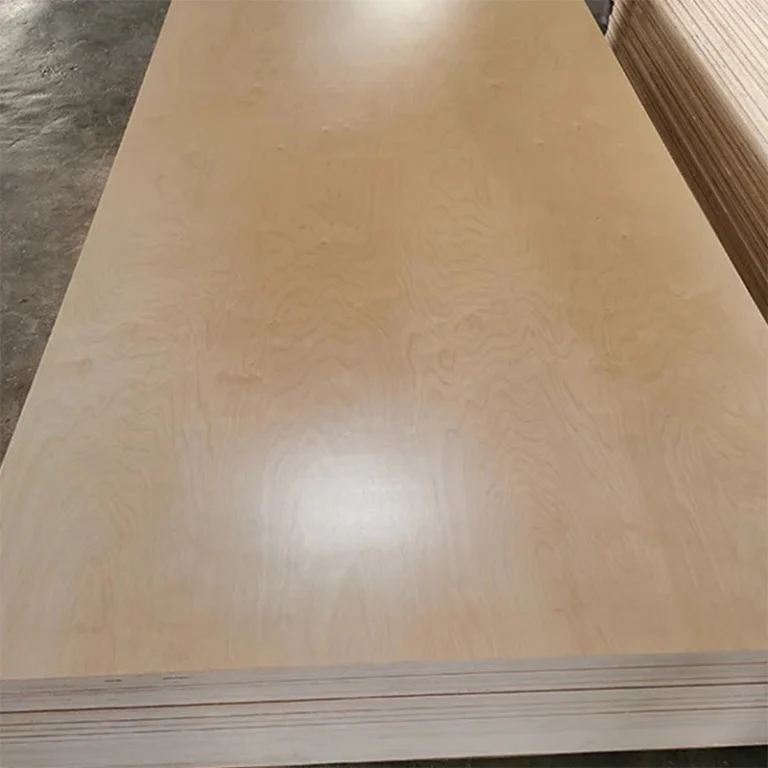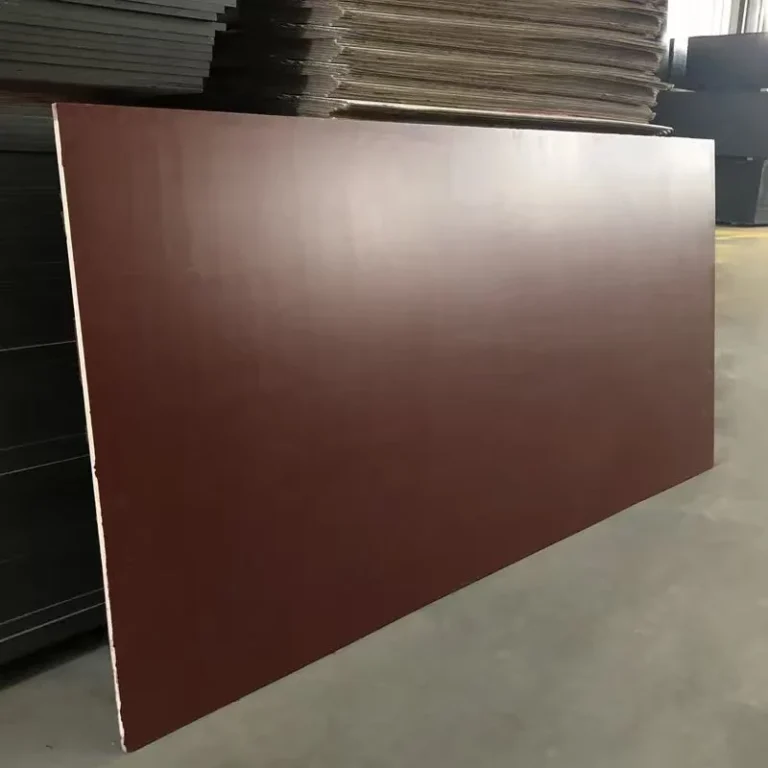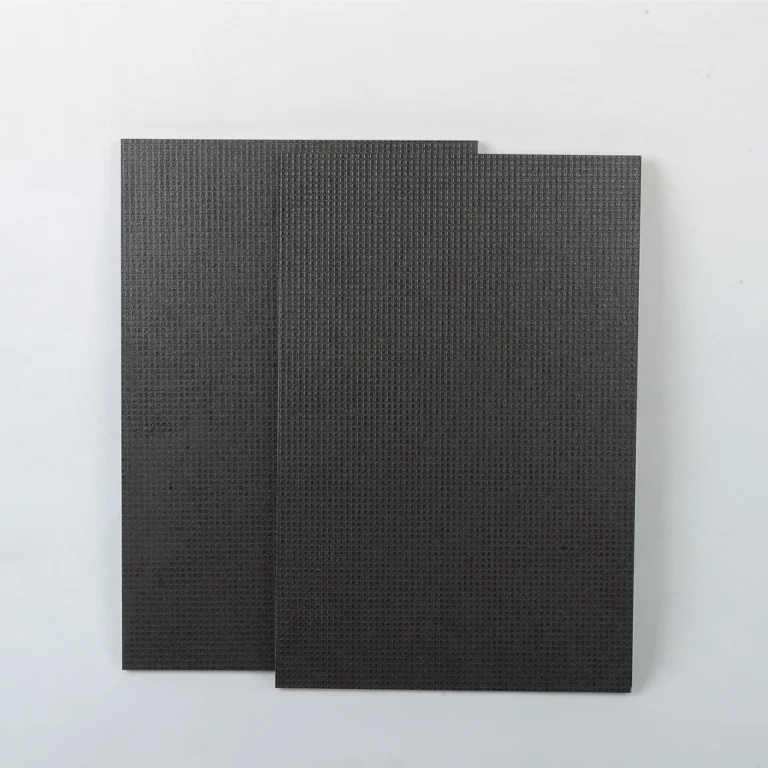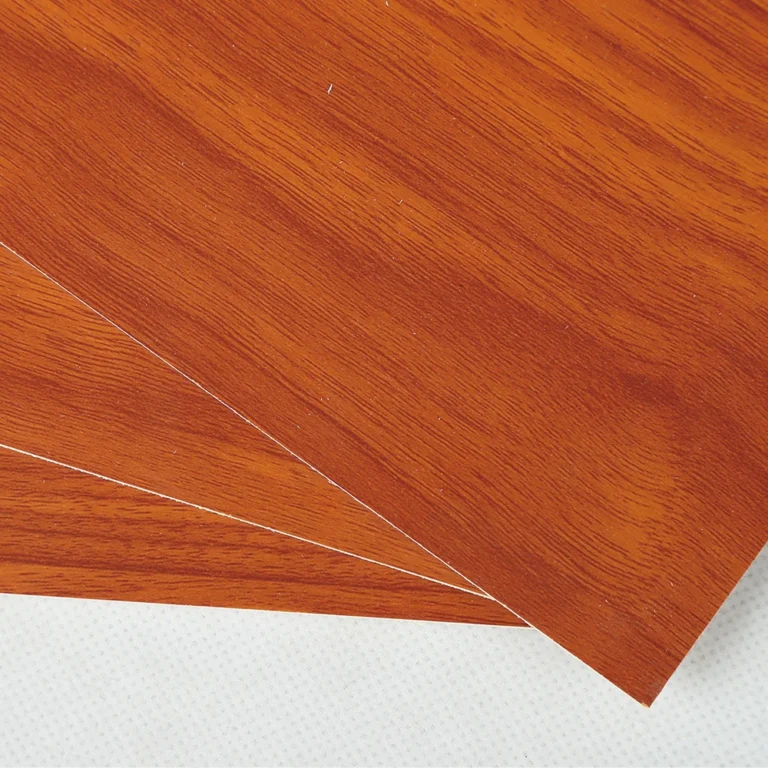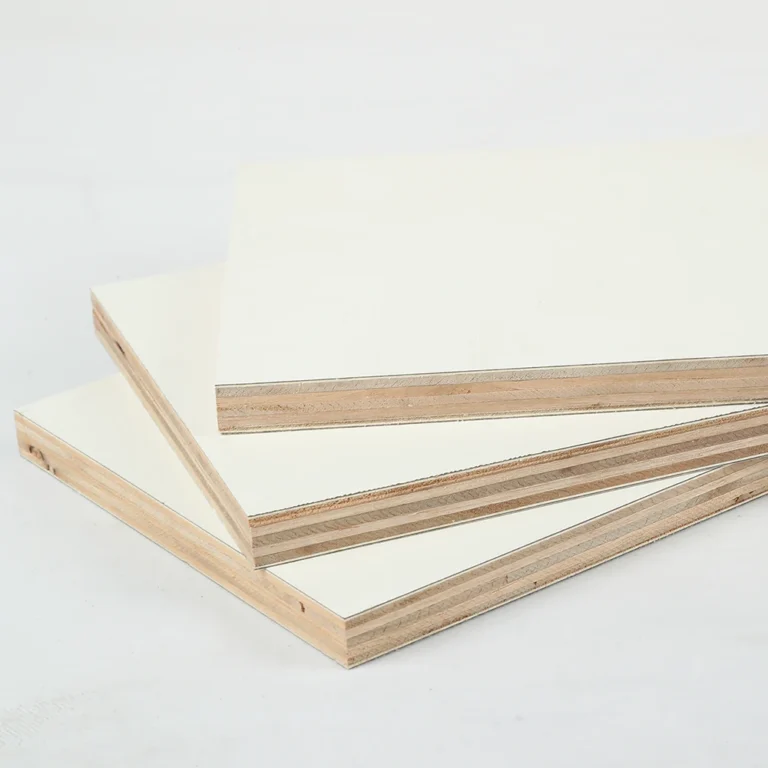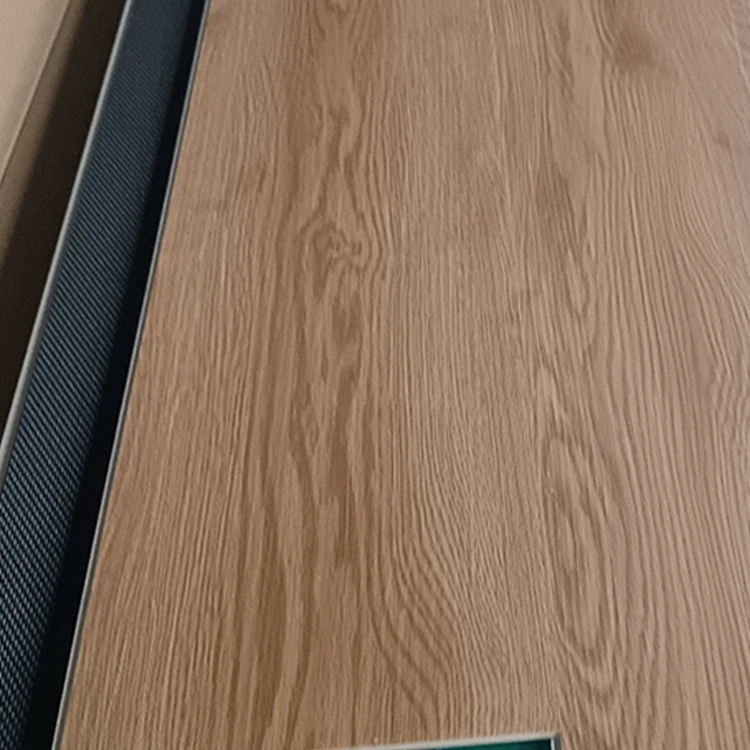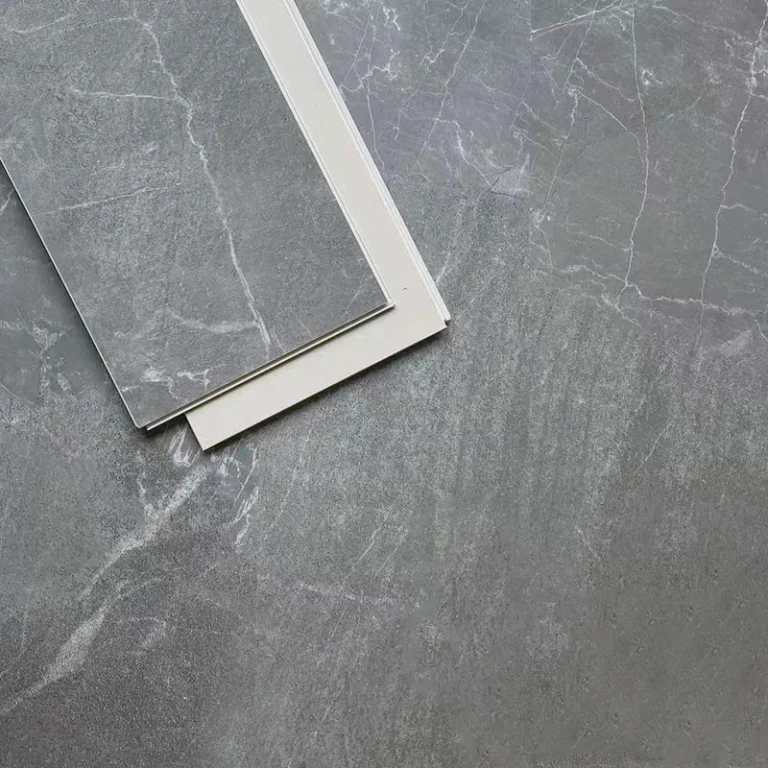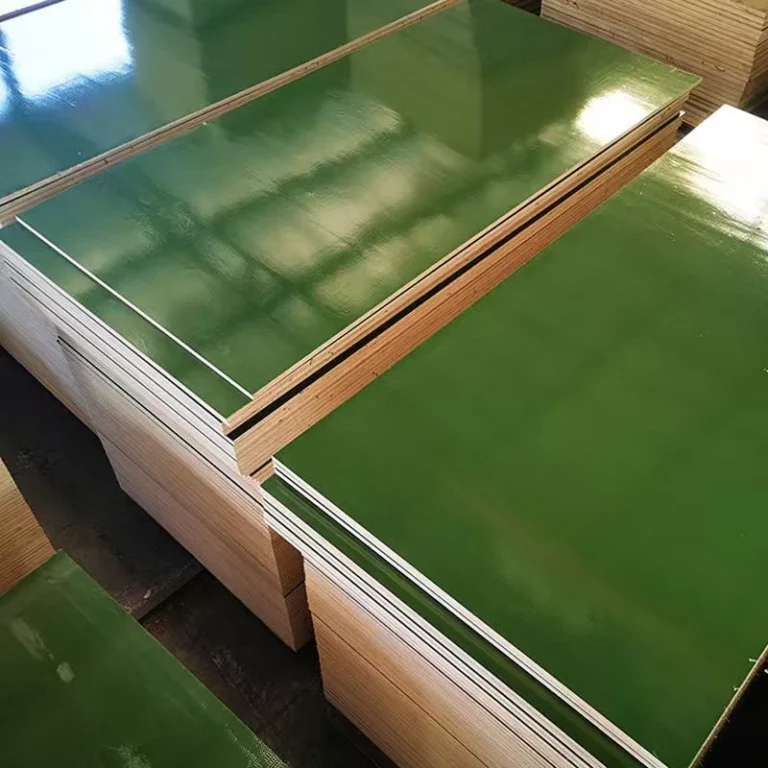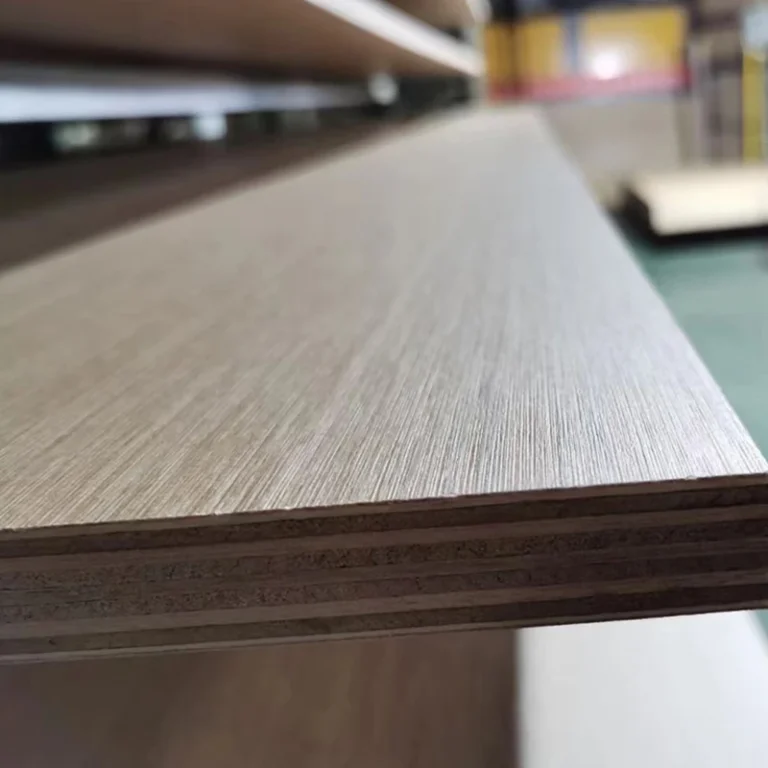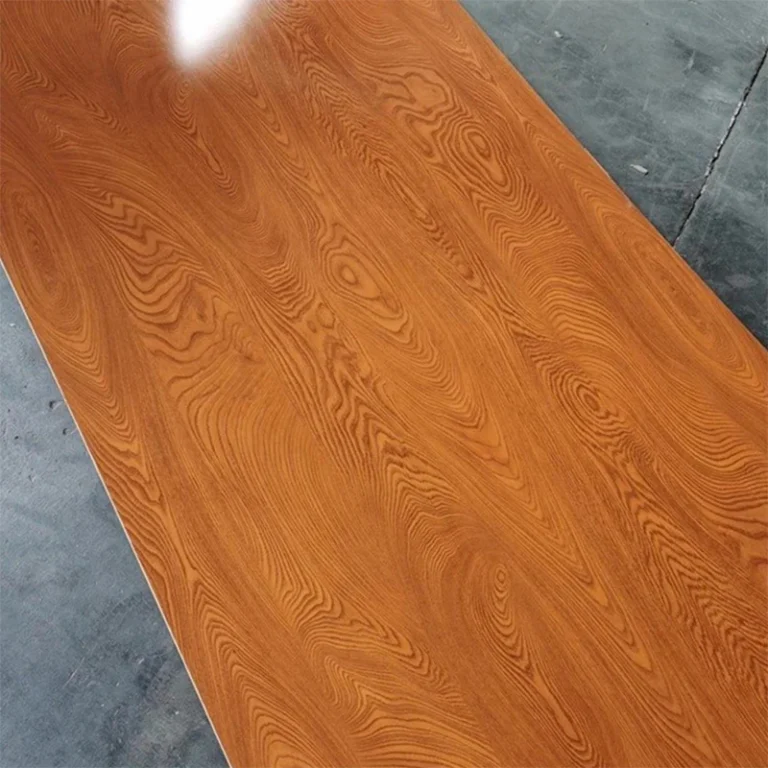
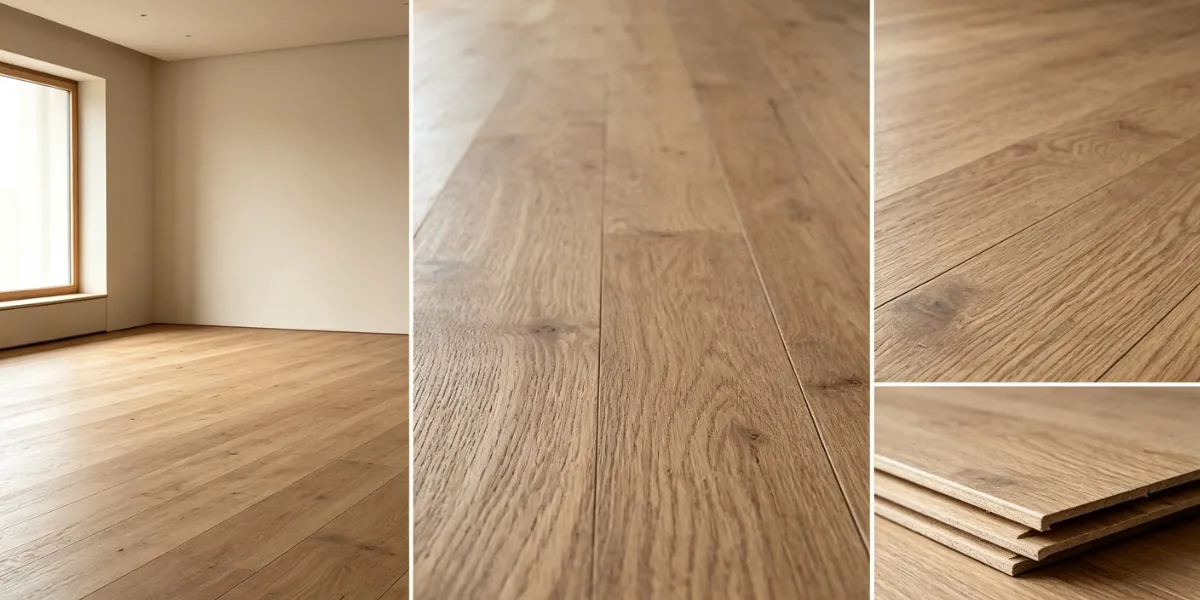
What is plywood flooring? Plywood flooring is a type of engineered wood flooring system made from multiple layers of wood veneer bonded together with strong adhesives.Unlike traditional solid wood flooring, plywood flooring uses a cross-laminated structure to provide better dimensional stability, strength, and cost efficiency.
As a versatile engineered wood product, plywood flooring is widely used in residential homes, commercial buildings, offices, lofts, and construction projects.It combines the natural appearance of wood with the structural advantages of plywood panels.
In this complete plywood flooring guide, we will explain what is plywood flooring, how plywood flooring is made, its structure, benefits, types, applications, and comparison with solid wood flooring.
How Is Plywood Flooring Made?
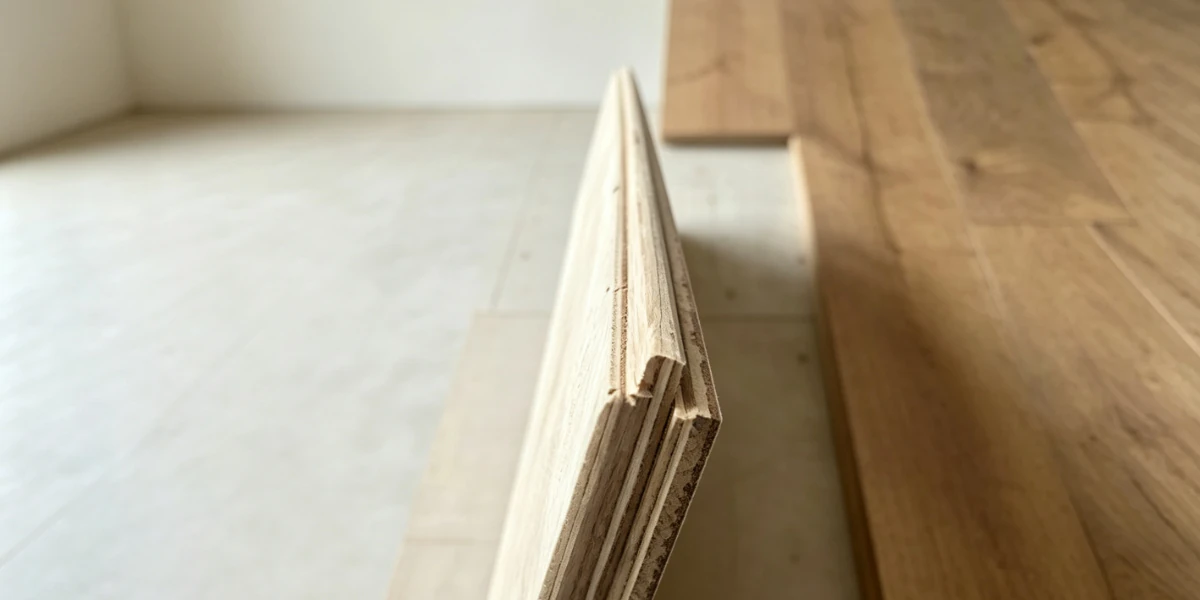
Plywood flooring is manufactured by bonding several thin layers of natural wood veneer together under high pressure and temperature.The veneers are arranged with alternating grain directions, which improves strength and reduces problems caused by moisture and temperature changes.
The Manufacturing Process Includes:
- Log Selection: High-quality hardwood or softwood logs are selected according to strength and appearance requirements.
- Veneer Peeling: Logs are rotary peeled into thin wood veneer sheets.
- Drying and Grading: Veneers are dried and sorted to ensure consistent quality.
- Layer Assembly: Veneers are arranged with cross-grain directions to improve stability.
- Hot Pressing: Layers are bonded together under high pressure using industrial adhesives.
- Surface Finishing: Panels can be sanded, coated, laminated, or covered with decorative veneer.
Structure of Plywood Flooring
A typical plywood flooring panel consists of several important layers that work together to provide strength, durability, and appearance.
1. Surface Layer
The surface layer provides the visible appearance and determines the final flooring style. Common surface materials include:
- Natural wood veneer
- Hardwood face veneer
- Decorative laminate
- Engineered wood finish
2. Core Layers
The core consists of multiple wood veneer layers arranged in a cross-laminated structure. This construction improves:
- Bending strength
- Dimensional stability
- Load-bearing capacity
- Resistance to warping and cracking
Common plywood flooring cores include:
- Birch plywood
- Hardwood plywood
- Eucalyptus plywood
- Poplar plywood
- Mixed hardwood plywood
3. Adhesive Layer
The adhesive system plays an important role in plywood flooring performance. Common glue types include:
- MR glue for interior applications
- Melamine glue for improved moisture resistance
- WBP phenolic glue for humid environments
Types of Plywood Flooring
1. Hardwood Plywood Flooring
Hardwood plywood flooring uses strong wood species such as oak, birch, maple, and eucalyptus. It provides excellent durability and is widely used in residential and commercial interior projects.
2. Birch Plywood Flooring
Birch plywood flooring is popular for premium interior applications because of its smooth surface, uniform appearance, excellent strength-to-weight ratio, and attractive natural grain.It is commonly used in modern homes, offices, and high-end interior designs.
3. Marine Plywood Flooring
Marine plywood flooring is designed for areas requiring improved moisture resistance. It uses waterproof adhesives and high-quality veneers for better performance in humid environments.
Typical applications include:
- Coastal buildings
- Bathrooms
- Marine environments
- Covered outdoor areas
4. Engineered Plywood Flooring
Engineered plywood flooring combines plywood stability with decorative wood surfaces, providing a natural appearance with improved dimensional performance.
Advantages of Plywood Flooring
1. Excellent Dimensional Stability
One of the biggest advantages of plywood flooring is its excellent stability. The cross-laminated veneer structure helps reduce:
- Warping
- Shrinking
- Cracking
- Expansion caused by humidity changes
2. Strong and Durable Structure
Plywood flooring has excellent mechanical strength because of its layered construction. It can withstand heavy furniture loads and daily foot traffic.
3. Cost-Effective Alternative to Solid Wood
Compared with solid hardwood flooring, plywood flooring offers a more affordable solution while maintaining a natural wood appearance.
- Lower material cost
- Efficient timber utilization
- Less production waste
- Suitable for large projects
4. Natural Wood Appearance
Plywood flooring provides the warm and natural appearance of real wood. Different finishes allow designers to create:
- Modern minimalist interiors
- Rustic designs
- Scandinavian styles
- Luxury residential spaces
5. Easy Installation
Plywood flooring panels are available in standard sizes and can be installed using different methods:
- Nail fixing
- Screw fixing
- Adhesive installation
- Floating floor systems
Plywood Flooring vs Solid Wood Flooring
| Feature | Plywood Flooring | Solid Wood Flooring |
|---|---|---|
| Structure | Multiple veneer layers | Single piece of natural wood |
| Stability | Higher dimensional stability | More sensitive to humidity changes |
| Cost | More affordable | More expensive |
| Installation | Easier installation | Requires professional installation |
| Appearance | Natural wood finish available | 100% solid wood appearance |
Common Applications of Plywood Flooring
Residential Applications
- Living rooms
- Bedrooms
- Home offices
- Apartments
- Lofts
Commercial Applications
- Offices
- Retail stores
- Restaurants
- Hotels
- Exhibition spaces
Construction Applications
- Subfloor systems
- Temporary buildings
- Construction platforms
- Modular houses
How to Choose the Right Plywood for Flooring?
1. Choose the Correct Thickness
Common plywood flooring thickness options include:
- 12mm plywood
- 15mm plywood
- 18mm plywood
- 21mm plywood
For most flooring applications, thicker plywood panels provide better strength and load-bearing performance.
2. Select Suitable Wood Species
- Birch plywood: Premium quality with smooth surface.
- Hardwood plywood: Excellent strength and durability.
- Poplar plywood: Lightweight and economical.
3. Consider Glue Performance
For humid environments, plywood with WBP phenolic glue or waterproof adhesive systems is recommended.
4. Check Quality Standards
Reliable plywood flooring suppliers usually provide certifications such as FSC, CE, CARB, and ISO standards.
Is Plywood Flooring a Good Choice?
Plywood flooring is a practical flooring solution that balances strength, appearance, stability, and cost.Its engineered structure makes it more stable than traditional solid wood while maintaining the natural beauty of timber.
For homeowners, plywood flooring provides an affordable way to create warm and attractive interiors.For builders and contractors, it offers reliable performance for residential, commercial, and construction applications.
Choosing the right thickness, wood species, adhesive type, and reliable plywood supplier is essential for achieving long-lasting flooring performance.
Frequently Asked Questions About Plywood Flooring
Is plywood suitable for flooring?
Yes. After understanding what is plywood flooring, it is clear that high-quality plywood is widely used for flooring because of its strength, stability, durability, and cost-effectiveness.
What thickness of plywood is best for flooring?
18mm plywood is a common choice for many flooring applications, while thicker panels may be required for heavy-duty projects.
Can plywood flooring handle moisture?
Moisture-resistant plywood, such as WBP plywood, performs better in humid environments. However, standard plywood should not be exposed to continuous water contact.
How long does plywood flooring last?
With proper installation and maintenance, high-quality plywood flooring can provide long-term performance for many years.