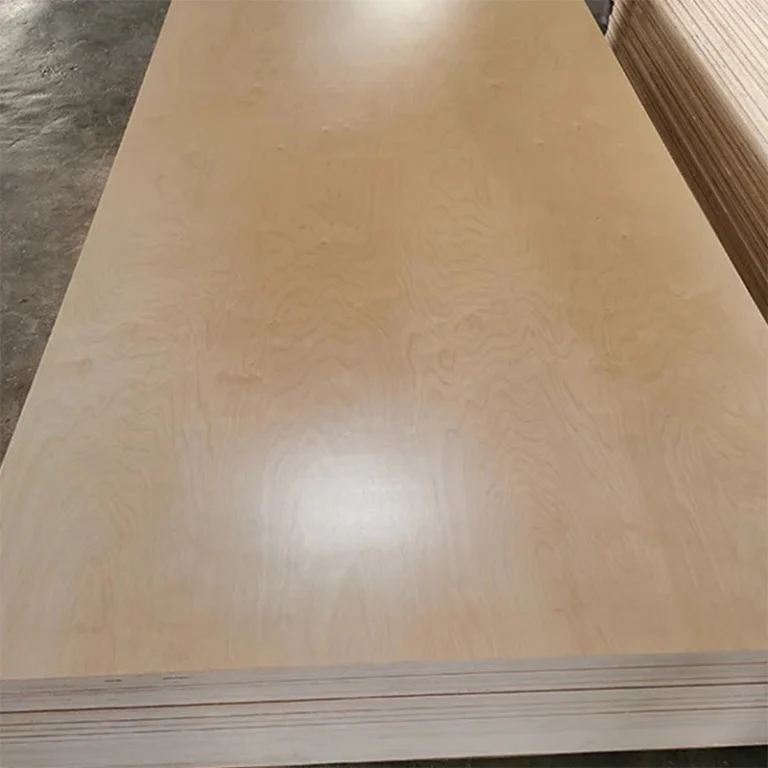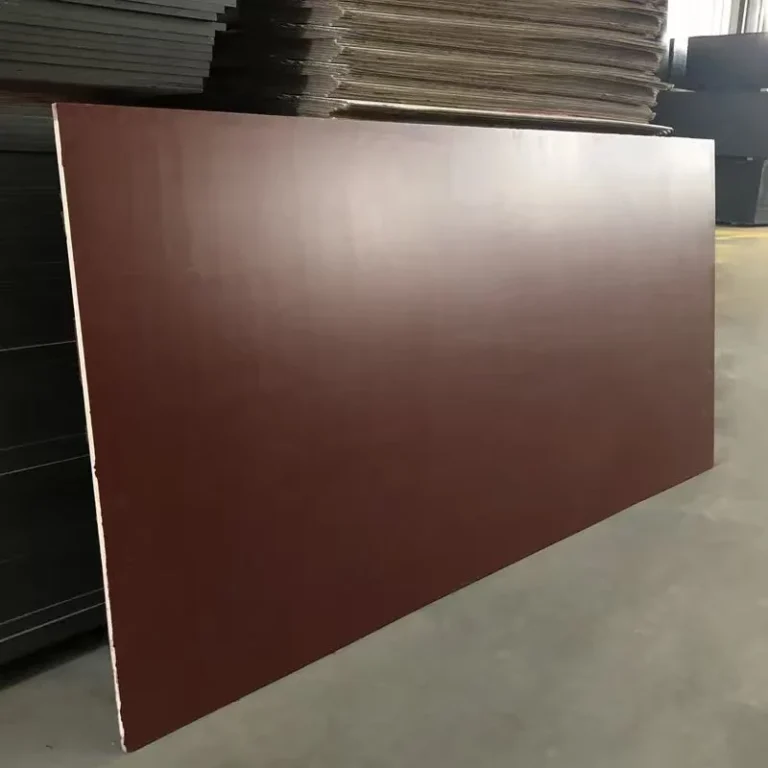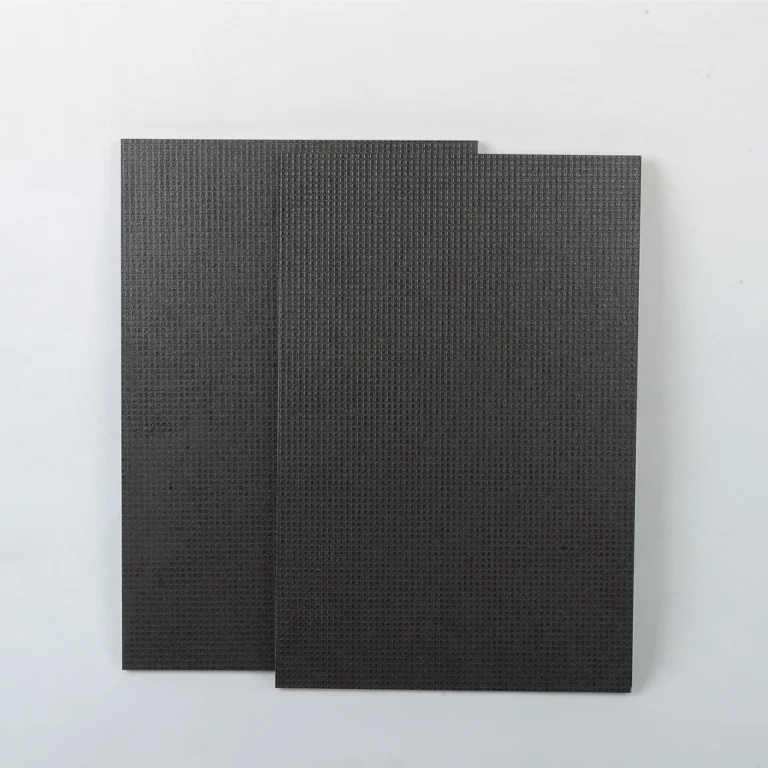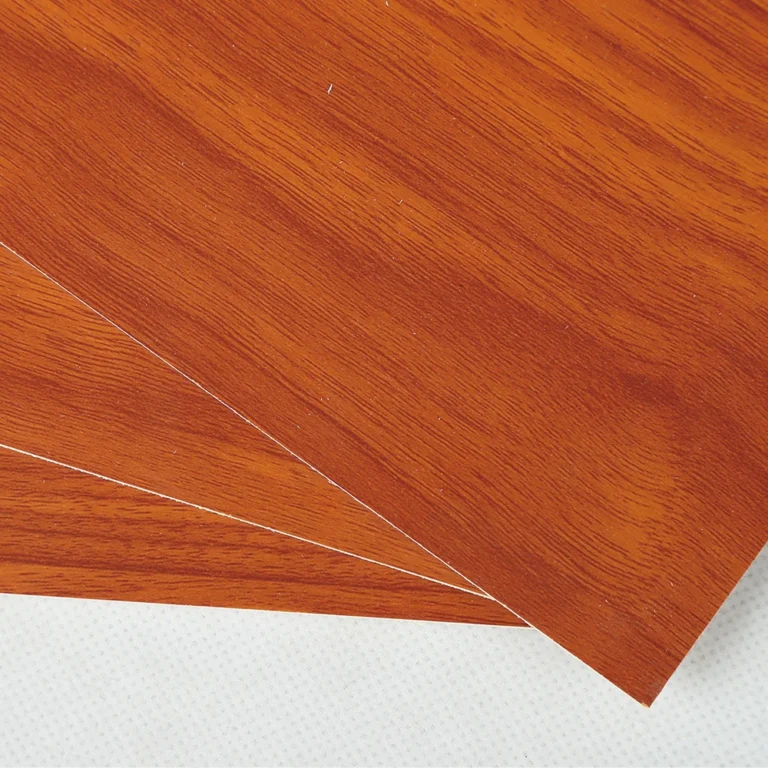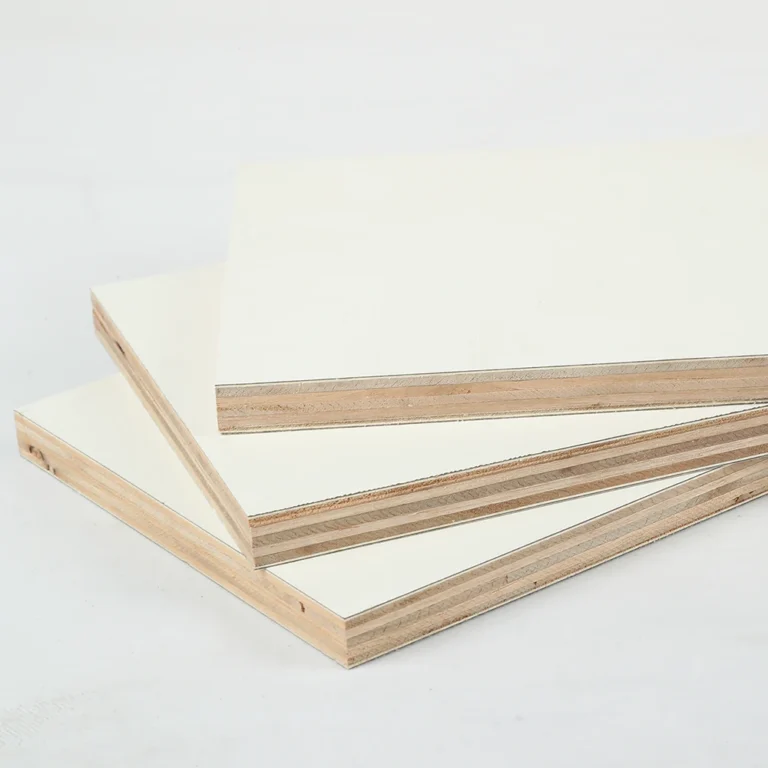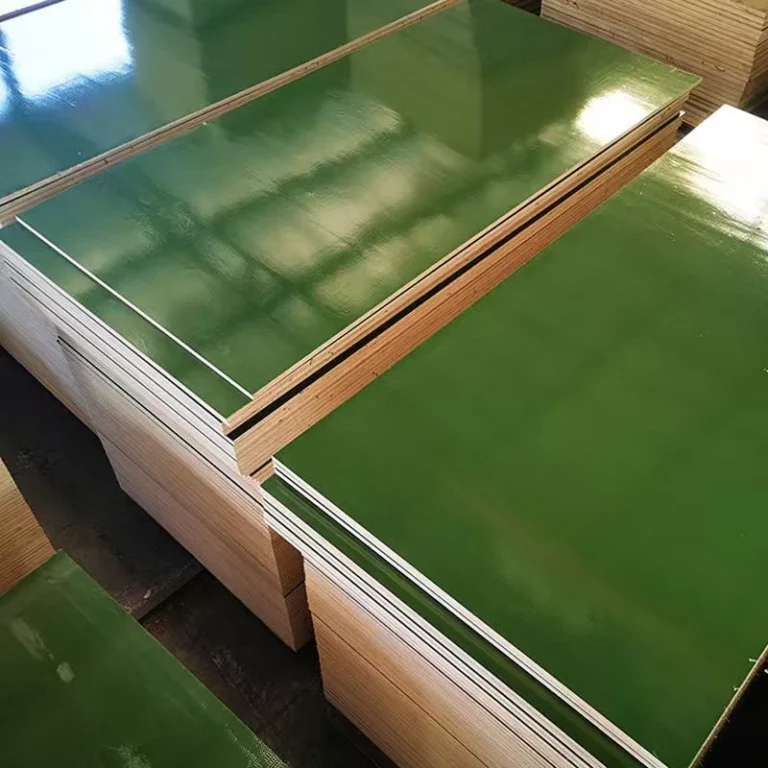
Knowing how to store film faced plywood properly is essential for maximizing its service life and reuse cycles. Film faced plywood is widely used for concrete formwork because of its smooth surface, high strength, and excellent moisture resistance. However, even high-quality panels can lose their performance if they are stored improperly. Moisture, prolonged sunlight exposure, poor stacking, and rough handling can all shorten the number of times the panels can be reused.
If you’re wondering how to store film faced plywood correctly, proper storage is just as important as selecting a premium-quality panel. By following the right storage practices, contractors, builders, distributors, and plywood importers can significantly extend panel lifespan, reduce replacement costs, and maintain excellent concrete finishing results.
Why Proper Storage Matters
Many people assume film faced plywood is completely waterproof because it is coated with phenolic film. In reality, the panel is still made from wood veneers bonded together with waterproof glue. While the film protects the surface, moisture can still enter through damaged edges, scratches, cut surfaces, or screw holes.
Poor storage may lead to:
- Edge swelling
- Delamination
- Surface blistering
- Mold growth
- Warping
- Reduced load-bearing capacity
- Shorter reuse life
In many cases, improper storage causes more damage than repeated construction use.
How to Store Film Faced Plywood Correctly
Understanding how to store film faced plywood properly begins with creating the right storage environment. A clean, dry, and well-ventilated area will help preserve both the phenolic film and the plywood core.
Store in a Dry Environment
Keeping plywood dry is the most important storage rule. Even though the phenolic film offers excellent water resistance, long-term exposure to moisture will eventually affect the wood core.
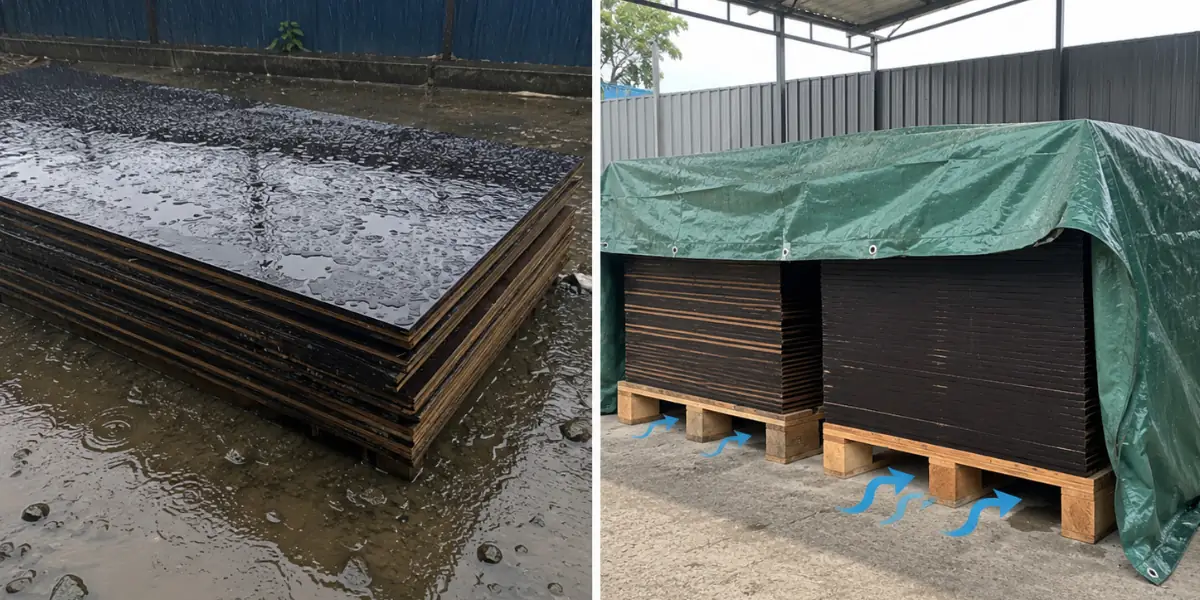
Whenever possible, store panels indoors. If outdoor storage is unavoidable, keep it temporary and protect the panels with waterproof covers while allowing enough airflow to prevent condensation.
Avoid placing plywood in:
- Standing water
- Muddy construction sites
- Damp basements
- Low-lying outdoor areas
Keep Panels Off the Ground
Never place film faced plywood directly on concrete or soil.
Instead, use:
- Wooden pallets
- Plastic pallets
- Timber sleepers
- Steel storage racks
Keep the stack at least 100–150 mm (4–6 inches) above the ground to prevent moisture absorption, flooding, dirt contamination, and accidental forklift damage.
Store Panels Horizontally
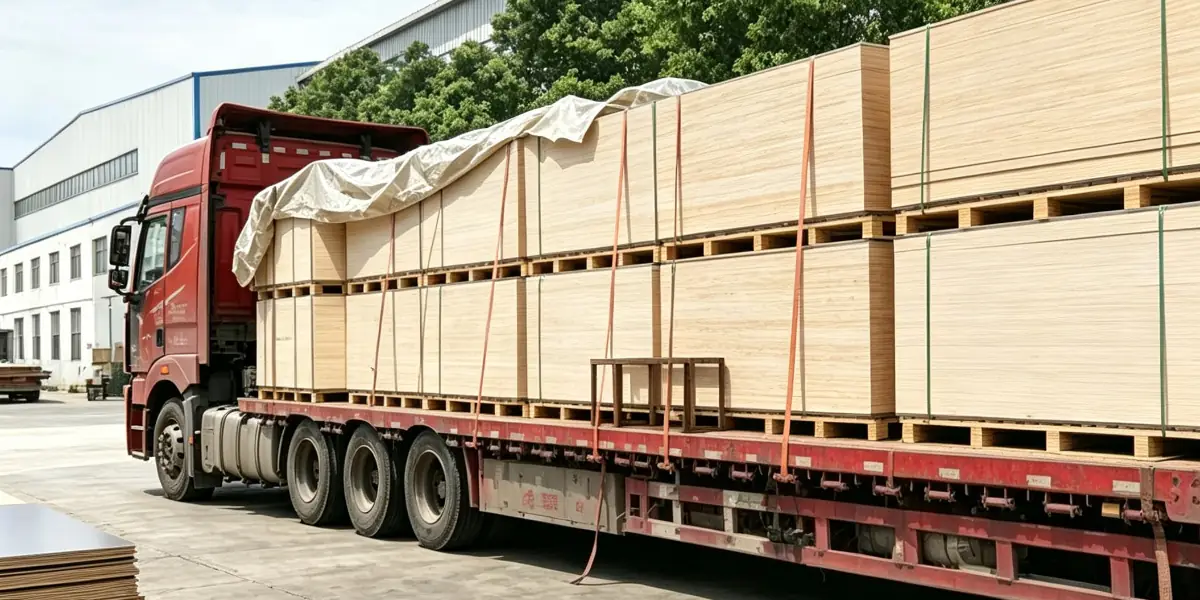
Film faced plywood should always be stored flat.
Horizontal stacking distributes weight evenly and helps maintain panel flatness throughout long-term storage.
Benefits include:
- Prevents warping
- Reduces bending
- Protects panel edges
- Makes inventory easier
Avoid leaning plywood vertically against walls for long periods, as uneven pressure often causes permanent deformation.
Stack Panels Evenly
Each sheet should be fully supported and aligned with the others.
Uneven stacks can cause:
- Corner damage
- Edge cracking
- Surface scratches
- Permanent bending
If using pallets, ensure the supports are level and strong enough to carry the entire weight of the stack.
Protect Panel Edges
Although most film faced plywood panels are factory-sealed with waterproof edge paint, the edges remain the most vulnerable part of the panel.
Inspect stored plywood regularly for:
- Chipped corners
- Damaged edge paint
- Exposed veneer
- Small cracks
If damage is found, reseal the edges with waterproof paint or edge sealant before moisture reaches the plywood core.
Avoid Direct Sunlight
Long-term exposure to sunlight can damage both the phenolic film and the plywood itself.
Continuous UV exposure may cause:
- Film fading
- Edge cracking
- Internal stress
- Slight warping
Store panels in shaded warehouses or under protective shelters whenever possible.
Maintain Good Ventilation
Good airflow helps reduce humidity and prevents mold growth.
When covering plywood outdoors, avoid wrapping the stack completely with plastic. Instead, leave small openings for air circulation to reduce condensation inside the cover.
Keep the Surface Clean
Before stacking or storing plywood, remove:
- Concrete residue
- Dirt
- Dust
- Standing water
- Nails or screws
Clean panels are less likely to scratch one another and will produce better concrete finishes during the next use.
Common Storage Mistakes
Many storage problems can be avoided by eliminating a few common mistakes.
Leaving Panels Outdoors Too Long
Temporary outdoor storage is acceptable, but long-term exposure to rain, snow, and sunlight significantly shortens service life.
Stacking Directly on the Ground
Ground moisture easily enters through panel edges and small scratches, even on concrete floors.
Always use pallets or sleepers.
Storing Panels Vertically
Leaning plywood against walls creates uneven stress that can result in bowing, cracked corners, and edge damage.
Horizontal storage is always recommended.
Ignoring Minor Damage
Small scratches and chipped edges allow moisture to penetrate the plywood core.
Repair minor damage immediately instead of waiting until the next project.
Before Reusing Stored Film Faced Plywood
Before using stored panels again, perform a quick inspection.
Inspect Every Panel
Look for:
- Delamination
- Surface scratches
- Edge damage
- Swelling
- Loose veneer
Replace severely damaged panels if necessary.
Clean the Surface
Remove dust, concrete residue, dirt, and oil before pouring concrete.
A clean panel produces smoother concrete finishes and protects the film surface.
Apply Form Release Agent
A suitable release agent helps:
- Prevent concrete from sticking
- Reduce film wear
- Produce cleaner concrete surfaces
- Extend plywood reuse cycles
Apply an even coating and avoid excessive amounts.
Rotate Panel Usage
Instead of repeatedly using the same sheets in high-load areas, rotate panels between projects to distribute wear evenly and maximize their overall lifespan.
Frequently Asked Questions
Can film faced plywood be stored outside?
Yes, but only for short periods. Keep the panels elevated on pallets and cover them with waterproof sheeting that allows ventilation.
Should film faced plywood be stored vertically?
No. Horizontal stacking prevents bending, warping, and edge damage.
How high should plywood be off the ground?
Store panels at least 100–150 mm (4–6 inches) above the ground using pallets or sleepers.
Does sunlight damage film faced plywood?
Yes. Long-term UV exposure can fade the phenolic film, increase internal stress, and contribute to warping.
Conclusion
Knowing how to store film faced plywood properly is one of the easiest ways to reduce costs and maximize reuse. Keeping panels dry, storing them flat on pallets, protecting them from sunlight, maintaining good ventilation, and repairing small damage promptly will help preserve both the phenolic film and the plywood core.
Whether you’re managing a construction site, importing plywood, or supplying concrete formwork materials, understanding how to store film faced plywood correctly can significantly extend service life, improve concrete finishing quality, and increase the total number of reuse cycles.
If you’re looking for high-quality film faced plywood with reliable performance and longer reuse life, feel free to contact us. Our experienced team can help you choose the right specifications for your project and provide professional support, competitive pricing, and global export services.