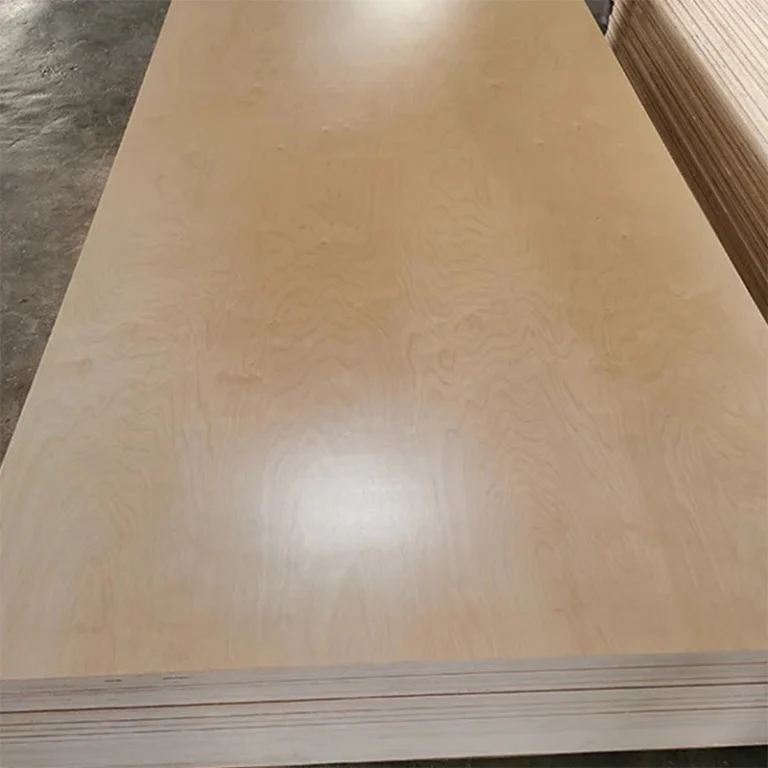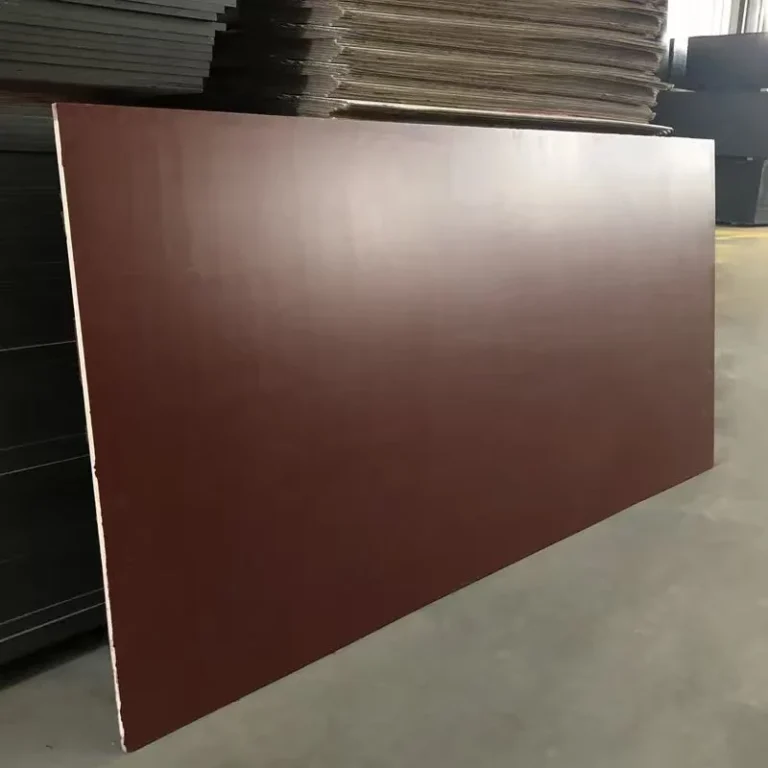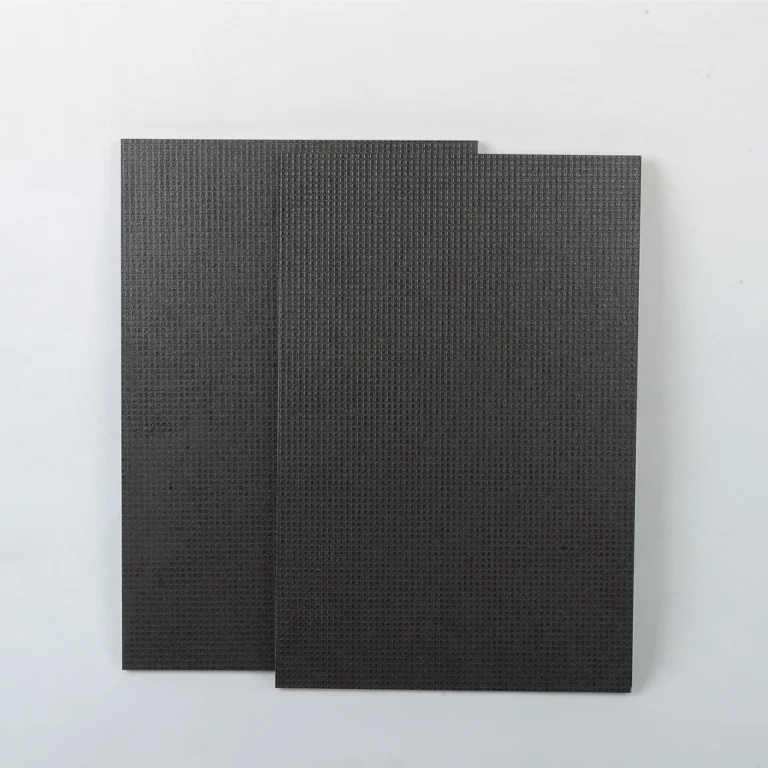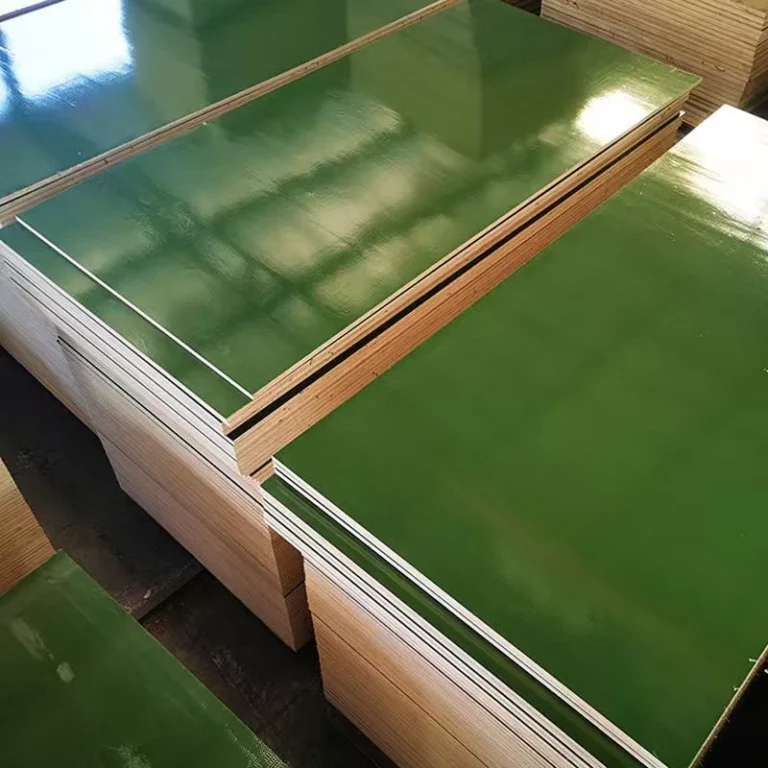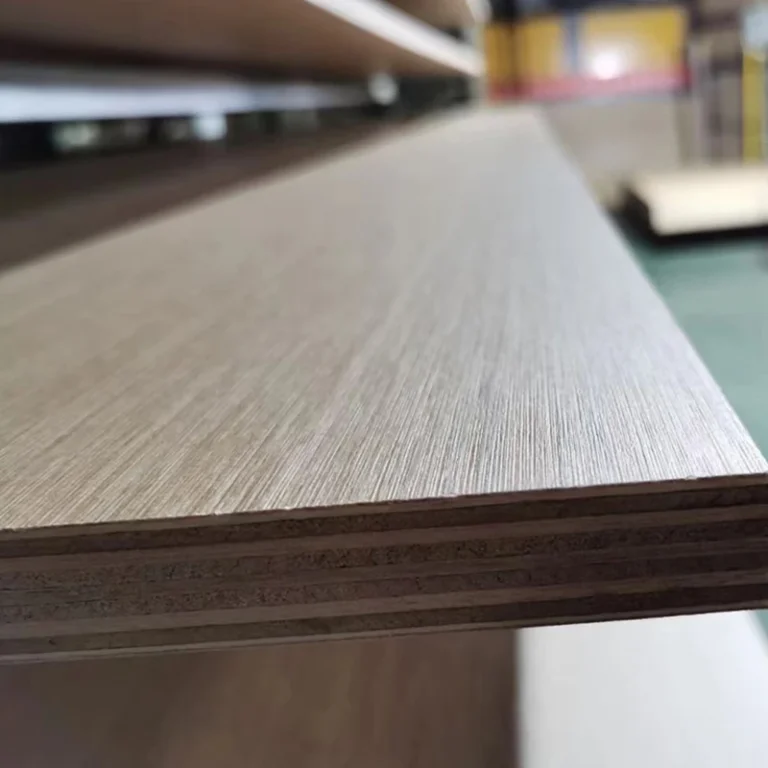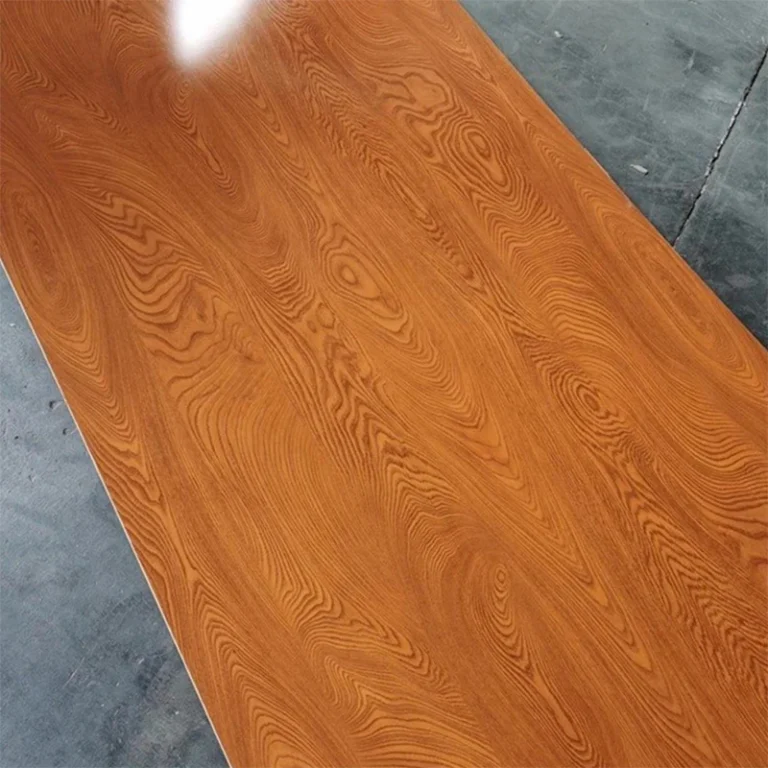
Film faced plywood defects can affect panel strength, surface quality, durability, and reuse performance in concrete formwork. These problems may occur during manufacturing, transportation, storage, or use, and their impact can range from minor surface imperfections to serious structural weaknesses. For buyers, contractors, and importers, understanding how to identify common defects and what causes them is essential for selecting reliable plywood and avoiding unnecessary replacement costs.
Common Film Faced Plywood Defects
Film faced plywood can develop different defects during manufacturing, transportation, storage, or use. The most common problems include delamination, blisters, cracks, core gaps, warping, film peeling, edge swelling, and uneven surfaces.
1. Delamination
Delamination occurs when veneer layers separate because of weak internal bonding. It can reduce panel strength and shorten service life.
Common causes: Insufficient adhesive, high veneer moisture, poor-quality veneers, incorrect pressing temperature or pressure, and insufficient pressing time.
Prevention: Proper veneer drying, controlled glue application, and consistent hot pressing can improve bonding quality.
2. Blisters
Blisters appear as bubbles or raised areas on the film surface, usually caused by trapped moisture or air between the film and plywood.
Common causes: Excessive moisture, uneven glue distribution, trapped air, and incorrect pressing conditions.
Prevention: Manufacturers should control veneer moisture, prepare a smooth surface, and maintain stable film-pressing conditions.
3. Cracks
Cracks may appear on the surface, edges, or veneer layers. Deep cracks can weaken the panel and allow moisture to enter.
Common causes: Over-dried veneers, poor raw materials, excessive pressing pressure, mechanical impact, and improper handling.
Prevention: Properly graded veneers, controlled drying, and careful transportation can reduce cracking.
4. Core Gaps
Core gaps are empty or poorly bonded areas between internal veneer layers. Although they may not be visible from the surface, they can create weak points inside the panel.
Common causes: Poor veneer selection, inaccurate core lay-up, damaged veneers, and insufficient patching.
Prevention: Consistent veneer inspection, accurate core lay-up, and proper quality control help minimize internal gaps.
5. Warping
Warping occurs when plywood bends, twists, bows, or cups instead of remaining flat. It can make installation more difficult and affect concrete formwork accuracy.
Common causes: Uneven veneer moisture, unbalanced construction, inconsistent pressing, and improper storage.
Prevention: Balanced panel construction, consistent moisture control, and horizontal storage in a dry, well-ventilated area can reduce warping.
6. Film Peeling
Film peeling occurs when the protective film separates from the plywood surface. This can reduce surface protection, durability, and reuse potential.
Common causes: Poor film quality, weak bonding, excessive moisture, contaminated surfaces, and incorrect pressing.
Prevention: Using suitable overlay film and maintaining proper film-bonding conditions during production can improve adhesion.
7. Edge Swelling
Edge swelling occurs when plywood edges absorb moisture and become thicker or deformed. Edges are particularly vulnerable because they have less surface protection than the film-covered faces.
Common causes: Water exposure, damaged edges, poor edge sealing, high humidity, and improper storage.
Prevention: Keep plywood off the ground and protect it from rain, standing water, and excessive humidity.
8. Uneven Surface
An uneven surface may appear as dents, waves, rough areas, or inconsistent thickness. For concrete formwork, surface quality can affect the appearance of finished concrete.
Common causes: Poor veneer quality, uneven glue application, inadequate sanding, and inconsistent pressing.
Prevention: Proper veneer selection, controlled sanding, uniform pressing, and consistent film coverage help achieve a smooth surface.
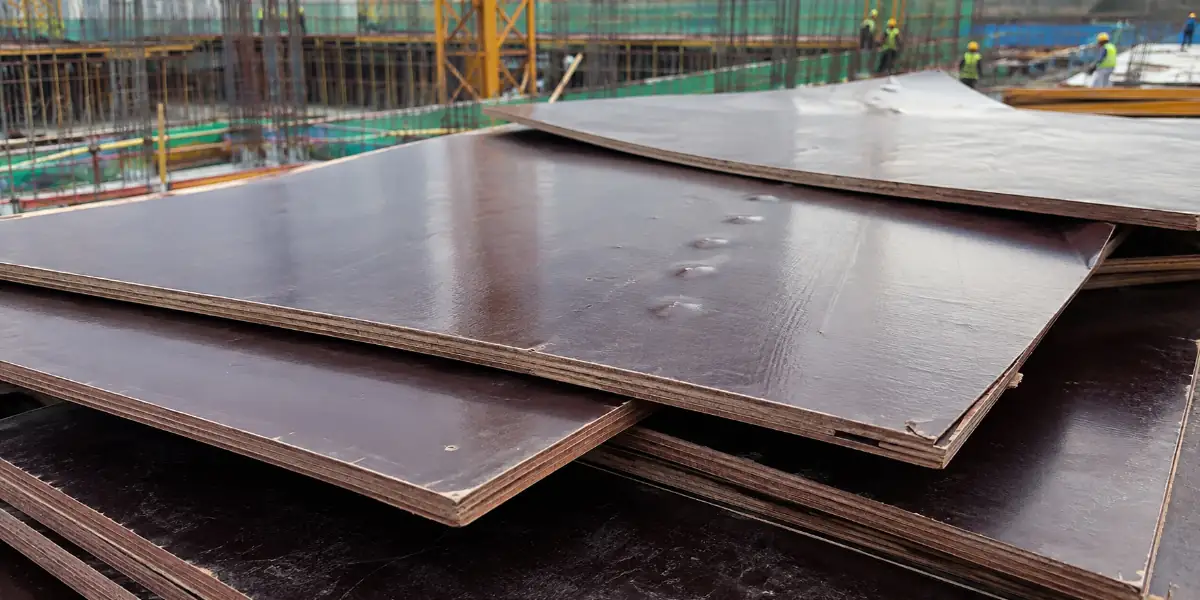
Why Do Film Faced Plywood Defects Occur?
Although defects look different, most are connected to several key production factors:
Raw materials: Poor-quality veneers can contain cracks, excessive knots, or inconsistent thickness.
Moisture: Incorrect veneer moisture can cause bonding problems, blisters, warping, and dimensional changes.
Adhesive: Uneven glue application can create weak bonding and increase the risk of delamination.
Hot pressing: Temperature, pressure, and pressing time must be properly controlled to achieve strong bonding.
Storage and handling: Rain, humidity, direct sunlight, and rough transportation can damage otherwise good plywood.
How Manufacturers Prevent Plywood Defects
Professional manufacturers normally control quality throughout the entire production process, including:
- Veneer grading and moisture inspection
- Controlled veneer drying
- Uniform adhesive application
- Accurate core lay-up
- Consistent hot pressing
- Surface sanding and preparation
- Film bonding inspection
- Final dimensional and appearance checks
Finished panels should be inspected for thickness, flatness, surface quality, film adhesion, edge condition, and internal bonding.
How to Check Film Faced Plywood Before Buying
Buyers can perform several simple checks before accepting a shipment:
Check the surface: Look for bubbles, cracks, dents, peeling, and uneven areas.
Inspect the edges: Check for swelling, separation, cracks, and poor edge treatment.
Check flatness: Place the panel on a flat surface to identify obvious warping or twisting.
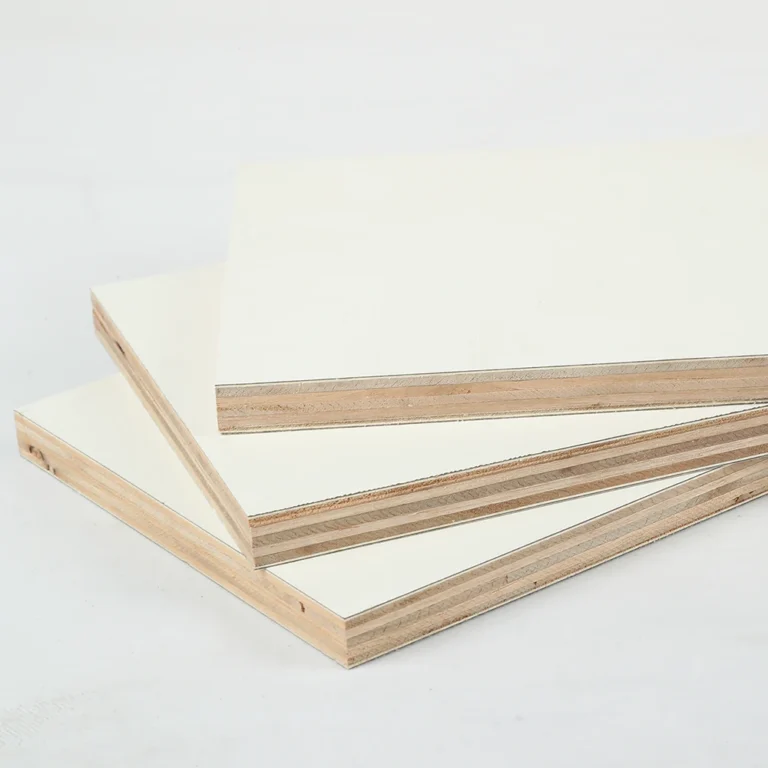
Inspect the core: If possible, examine a cut sample to check veneer arrangement and core gaps.
Confirm specifications: Measure thickness, length, and width against the agreed requirements.
For large orders, requesting production samples and discussing the supplier’s quality-control procedures can help reduce the risk of receiving defective panels.
Conclusion
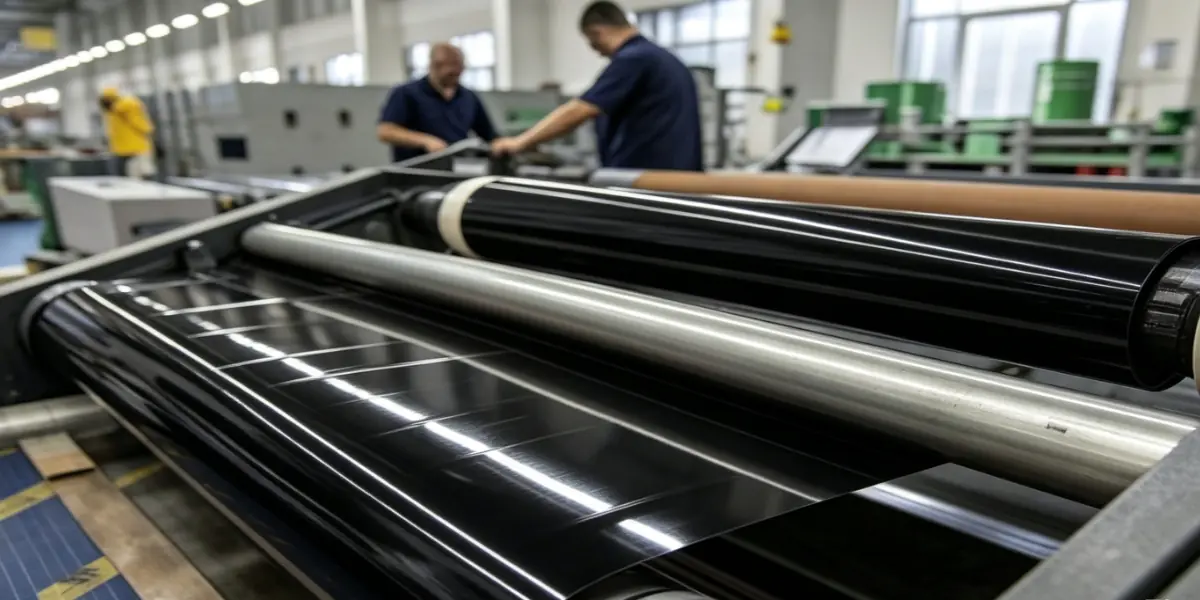
Most film faced plywood defects are caused by problems with raw materials, moisture control, adhesive bonding, pressing, or handling. Identifying these issues early can help buyers avoid weak panels, poor concrete surfaces, and unnecessary replacement costs.
For reliable performance and consistent quality, it is important to work with an experienced film faced plywood manufacturer that maintains strict quality control throughout production. If you are sourcing film faced plywood for concrete formwork, contact us to discuss your required thickness, core material, film type, dimensions, and other specifications. We can provide suitable solutions based on your project and order requirements.