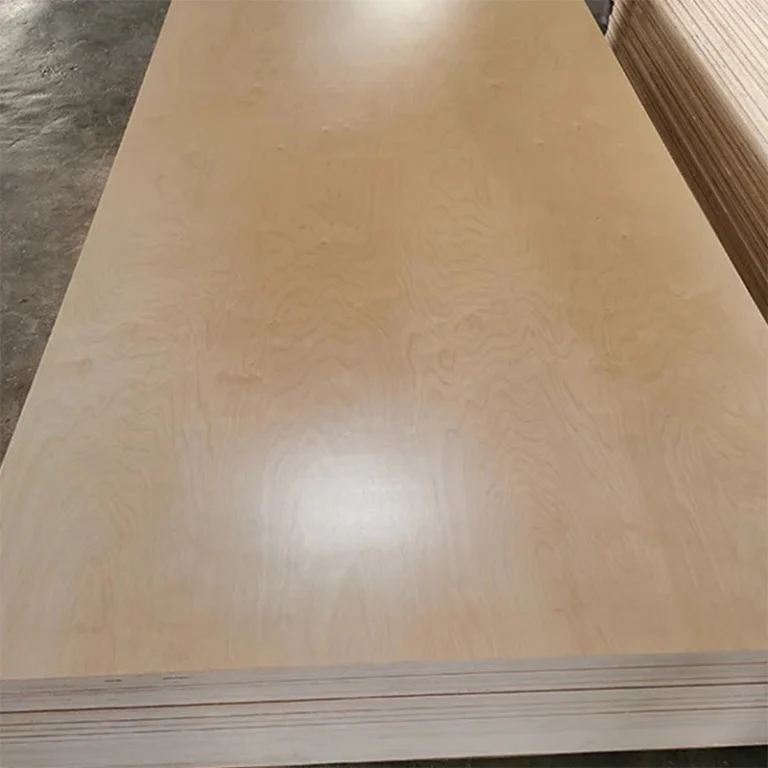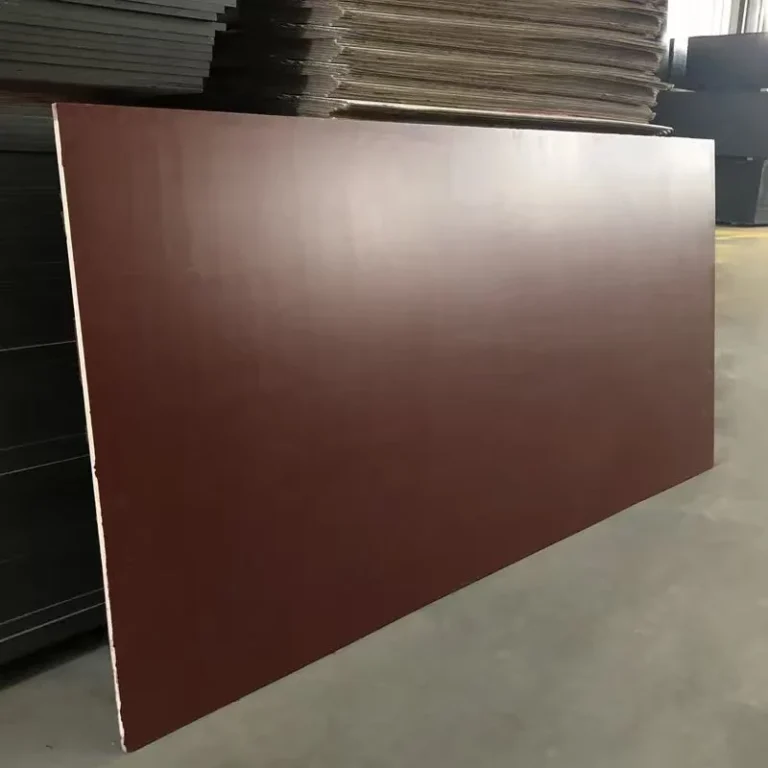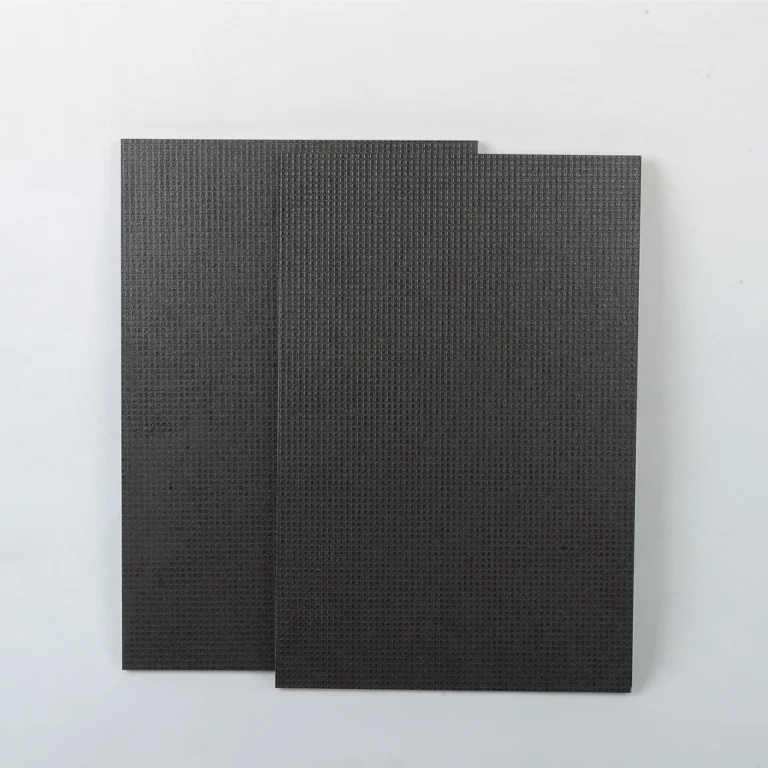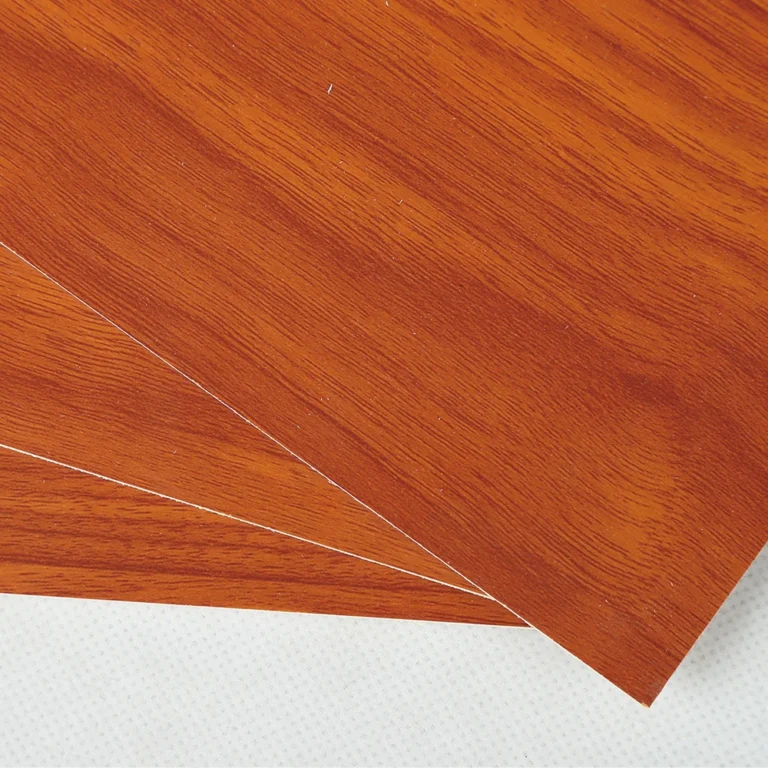
If you are wondering, is birchwood a hardwood, the answer is yes. Birchwood is classified as a hardwood because birch trees are deciduous broadleaf trees belonging to the Betula genus. Birch is valued for its strength, attractive appearance, fine grain, and good workability, making it widely used for furniture, cabinets, veneer, and plywood.
However, hardwood does not simply mean that a wood species is harder than every softwood. The classification is mainly botanical. Understanding this distinction can help buyers and manufacturers choose the right material for their projects.
Is Birchwood a Hardwood or Softwood?
Birchwood is a hardwood, while pine, spruce, and fir are common examples of softwoods.
Birch trees are deciduous broadleaf trees, which places them in the hardwood group. Softwoods generally come from coniferous trees. Therefore, the terms hardwood and softwood describe the biological classification of trees rather than simply how hard the finished wood feels.
In practical applications, birch is recognized as a useful hardwood because it combines good hardness, strength, a relatively fine grain, and good machining performance.
Why Is Birch Classified as a Hardwood?
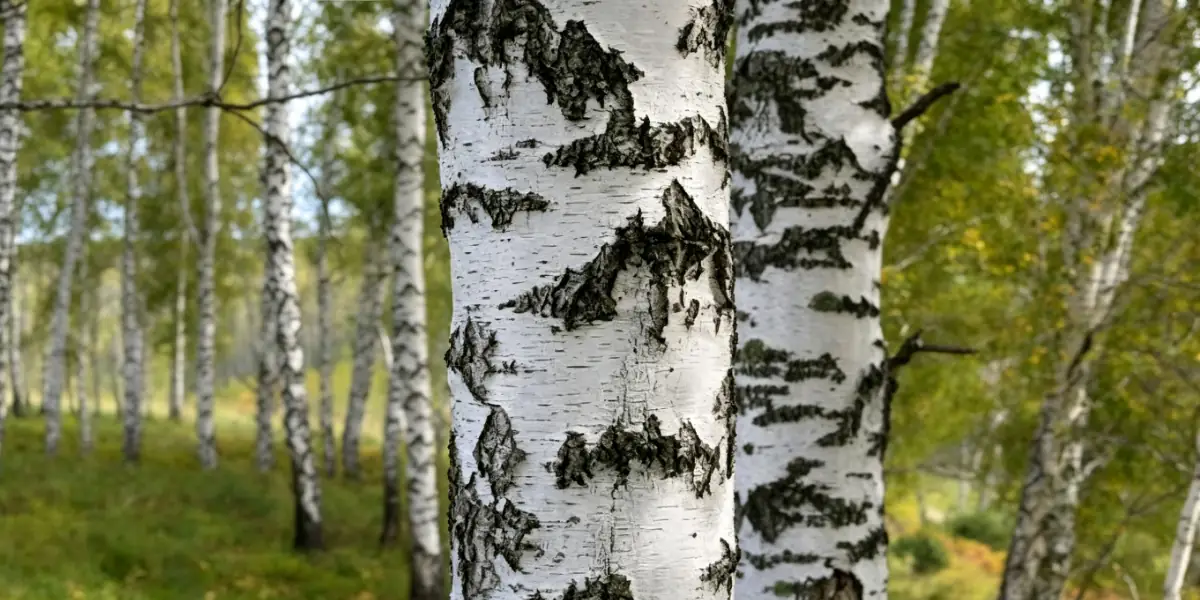
Birch belongs to the Betula genus and is a deciduous tree. These botanical characteristics are the main reason birch is classified as a hardwood.
Birchwood commonly has a light color ranging from white and cream to pale yellow or light brown. Its grain is generally fine and relatively uniform, although the appearance can vary between species and growing conditions.
These characteristics make birch suitable for products where both appearance and performance matter. It can be sawn, machined, sanded, and finished effectively, which is one reason it is popular in furniture and panel manufacturing.
Birch Wood Properties
Birch has a useful combination of physical and processing characteristics.
| Property | Birch Wood |
|---|---|
| Classification | Hardwood |
| Color | White, cream to pale yellow/brown |
| Grain | Fine and relatively uniform |
| Hardness | Moderate to high |
| Strength | Good |
| Workability | Good |
| Common uses | Furniture, cabinets, veneer, plywood |
The exact performance of birch depends on the species, growing conditions, moisture content, grade, and manufacturing process. For commercial applications, buyers should evaluate the specific material rather than relying only on the general characteristics of birchwood.
How Hard Is Birch Wood?
Birch is generally considered a moderately hard to hard wood. It is typically harder and denser than many common softwoods, which contributes to its good wear resistance and performance in furniture and interior applications.
However, birch is not necessarily harder than every hardwood. Maple, oak, and other hardwood species can have different hardness and strength characteristics depending on the specific species and grade.
For manufacturers, hardness is only one consideration. Strength, dimensional stability, surface quality, machining performance, and the intended application should also be evaluated.
Is Birch Wood Durable?
Birch offers good durability for many indoor applications when it is properly processed, finished, and maintained.
However, birch should not be considered naturally waterproof. Prolonged exposure to moisture can affect wood products, so suitable coatings, construction methods, and environmental controls are important when birch is used in areas with higher humidity.
For applications requiring moisture resistance, the construction and glue performance of a plywood panel are also important factors.
What Is Birch Wood Used For?
Birchwood has a wide range of applications because of its combination of appearance, strength, and workability.
Furniture
Birch is commonly used for furniture components, panels, frames, and interior products. Its light color and relatively uniform grain work well with modern furniture designs.
Cabinets
Birch is suitable for cabinet components and furniture manufacturing because it can be machined accurately and provides a good surface for finishing, painting, or further processing.
Veneer
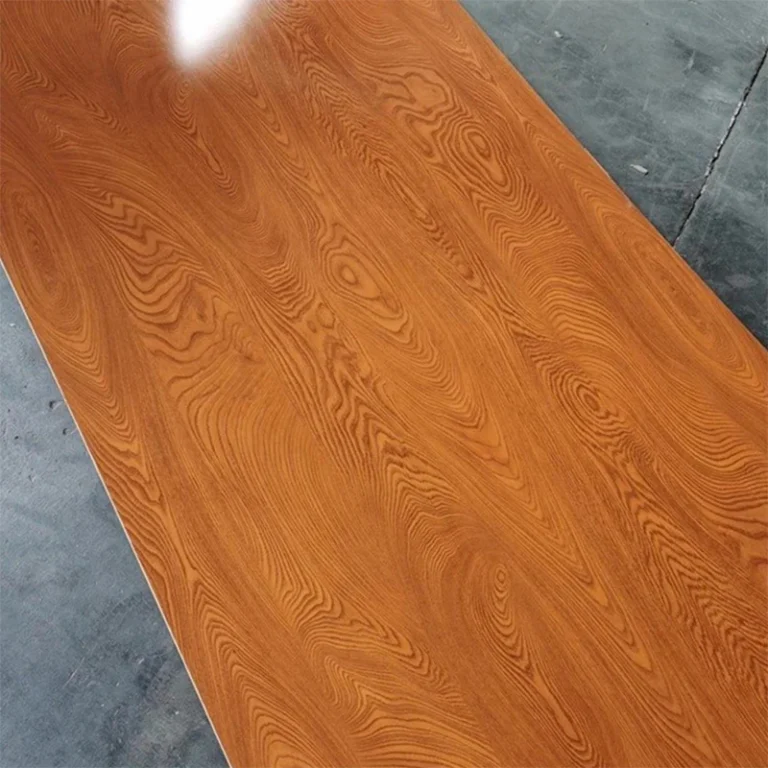
Birch veneer is used to create attractive wood surfaces while using thin layers of wood rather than solid timber. It can be applied to furniture, panels, and interior products.
Plywood
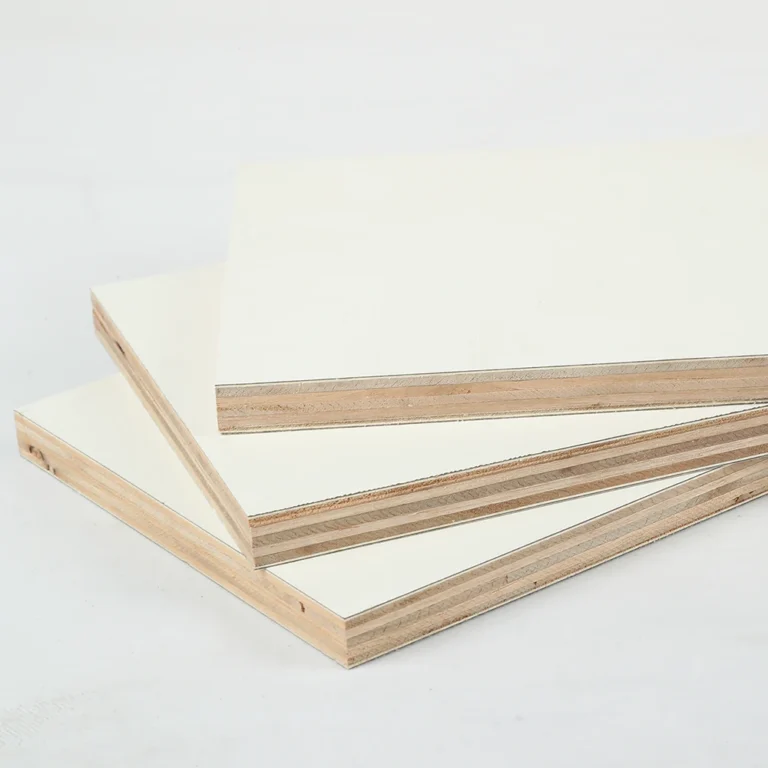
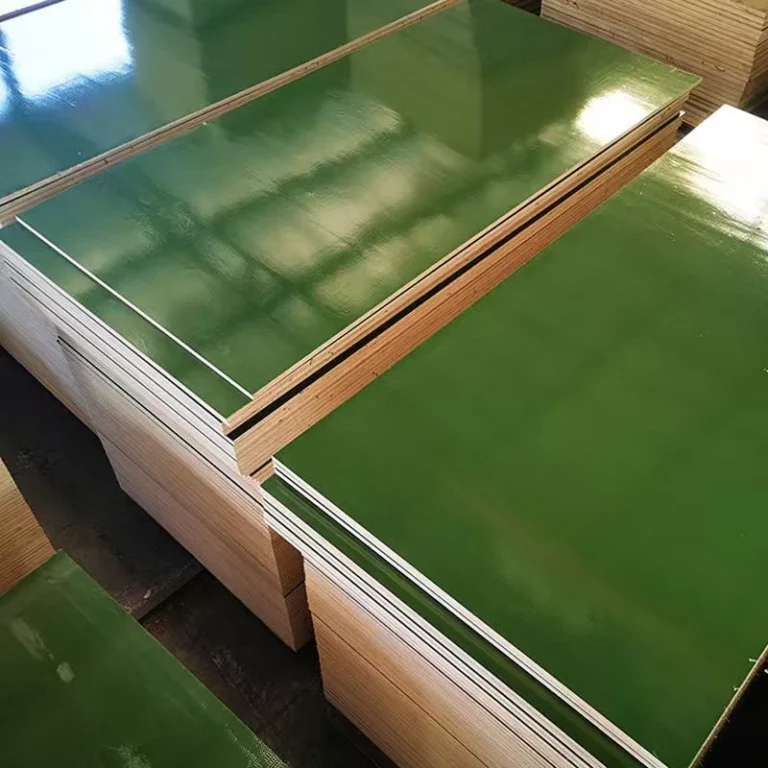
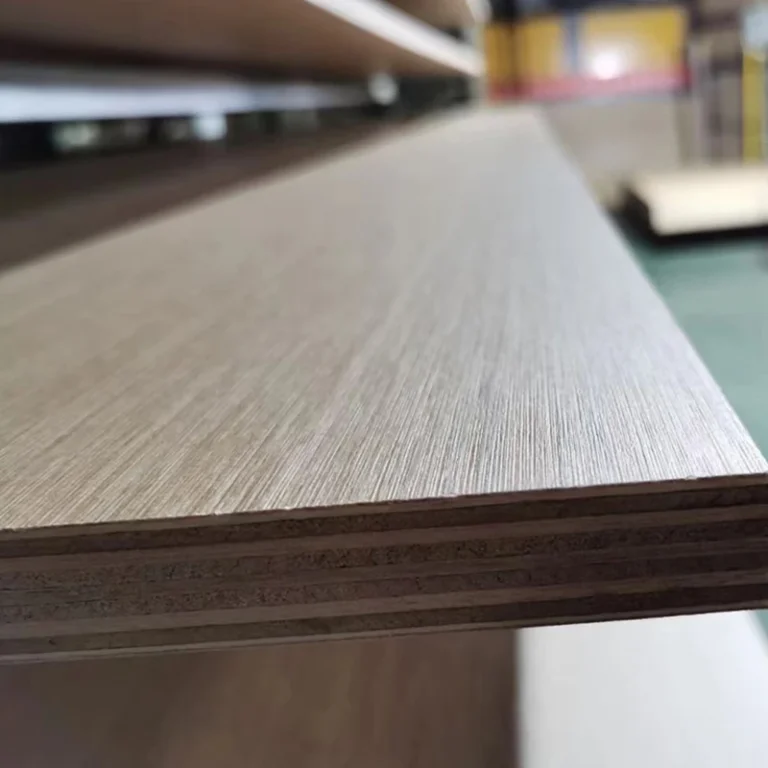
One of the most important applications of birch is plywood manufacturing. Birch veneers can be layered and bonded to produce panels with good strength, stability, and machining characteristics.
For buyers interested in plywood performance, factors such as birch plywood grades, thickness, surface quality, core construction, and glue performance should be evaluated according to the final application.
Is Birch Wood Good for Furniture?
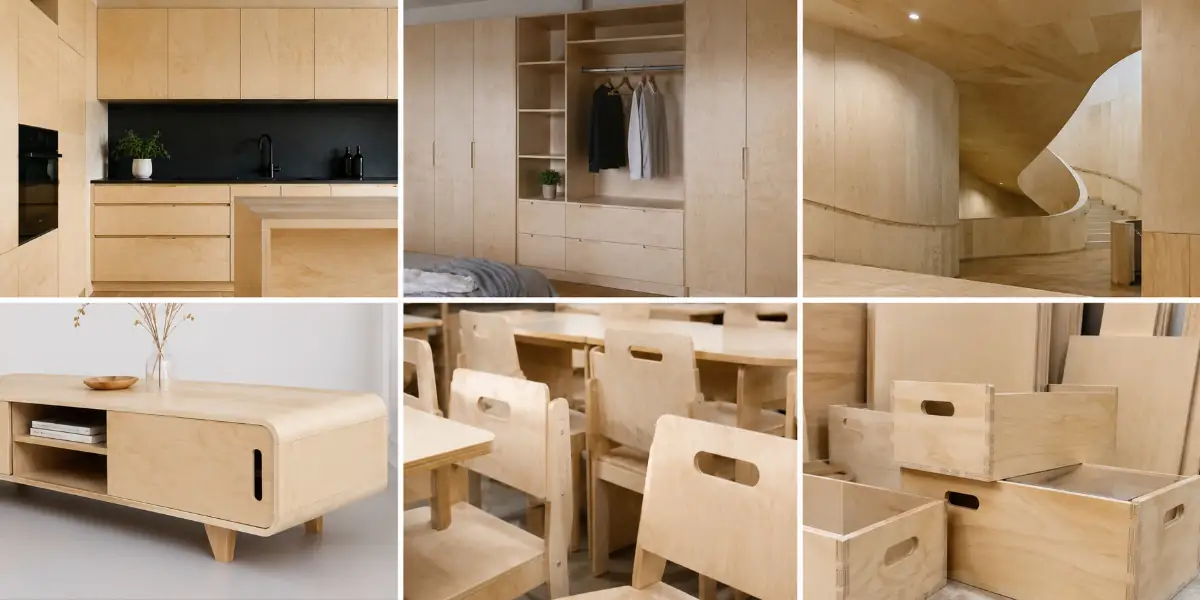
Yes. Birch is a popular material for furniture because it offers good strength, a smooth surface, attractive color, and good workability.
It can be used for furniture components, cabinet parts, shelves, panels, and CNC-machined products. Birch plywood is especially useful when manufacturers need large, stable panels with consistent construction.
For a more detailed discussion of furniture applications, see Is Birch Plywood Strong for Furniture and Cabinets?.
Birch Wood vs Oak and Maple
Birch, oak, and maple are all hardwoods, but they have different characteristics.
| Feature | Birch | Oak | Maple |
|---|---|---|---|
| Classification | Hardwood | Hardwood | Hardwood |
| Appearance | Light, fine grain | More pronounced grain | Light, fine grain |
| Hardness | Moderate-high | High | High |
| Workability | Good | Good | Good |
| Common uses | Furniture, plywood | Furniture, flooring | Furniture, cabinets |
The best choice depends on the application, appearance requirements, processing method, budget, and required performance.
For plywood applications specifically, you can compare Birch Plywood vs Oak Plywood for a more detailed analysis.
Birch Wood vs Birch Plywood
Although both materials come from birch trees, solid birchwood and birch plywood have different constructions.
Solid birch consists of natural wood, while birch plywood is manufactured by bonding multiple layers of birch veneer together. This layered structure can provide good dimensional stability and allows manufacturers to produce large panels in consistent thicknesses.
Birch plywood is therefore widely used for furniture, cabinets, CNC machining, interior components, and other panel-based applications.
When selecting birch plywood, buyers should consider the required grade, thickness, surface quality, core construction, and bonding performance.
For more information about B/BB, BB/BB, BB/CP, and other grades, see Birch Plywood Grades Explained.
Frequently Asked Questions About Birchwood
Is birchwood a hardwood?
Yes. Birchwood is a hardwood because birch trees are deciduous broadleaf trees belonging to the Betula genus.
Is birch a softwood?
No. Birch is classified as a hardwood, while pine, spruce, and fir are common softwoods.
Is birch wood hard?
Yes. Birch is generally considered a moderately hard to hard wood and is harder than many common softwoods.
Is birch wood good for furniture?
Yes. Birch is widely used for furniture, cabinets, interior components, and plywood because of its strength, appearance, and workability.
Is birch wood waterproof?
No. Birch is not naturally waterproof. Appropriate coatings and construction methods are needed when the material is exposed to moisture.
Is birch plywood made from hardwood?
Yes. Birch plywood is manufactured primarily from veneers obtained from birch hardwood trees.
Conclusion
So, is birchwood a hardwood? Yes, birchwood is a hardwood. Birch combines good hardness, strength, workability, and a clean appearance, making it suitable for furniture, cabinets, veneer, and plywood.
For manufacturers and buyers, understanding the properties of birchwood is a useful starting point. When choosing birch plywood, however, the specific grade, thickness, construction, surface quality, and intended application should also be considered to ensure the right material is selected for the project.