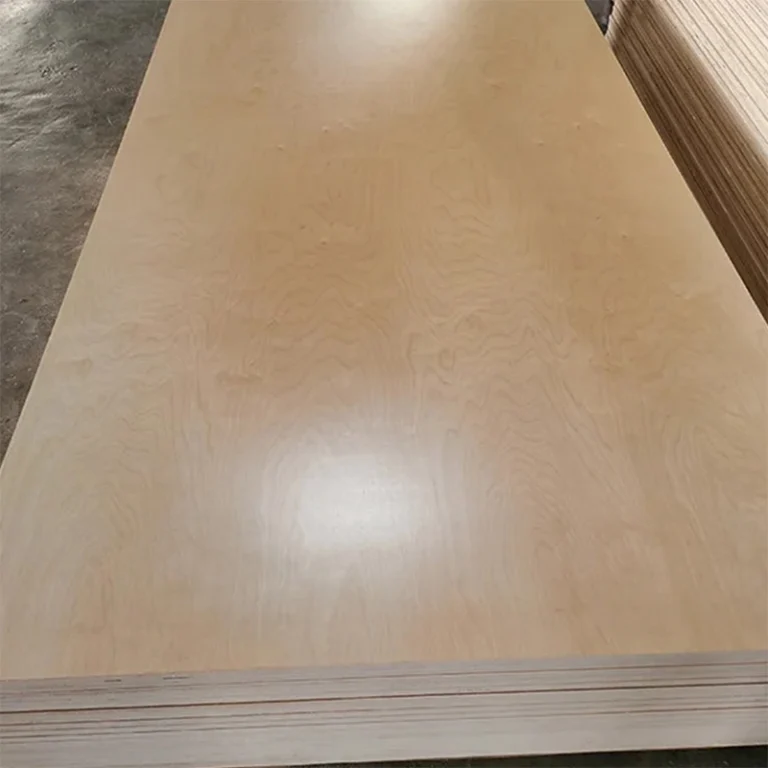
Birch plywood CNC machining requires more than a good-looking panel. For furniture manufacturers, cabinet makers, and woodworking companies, panel flatness, thickness consistency, core construction, and bonding quality can all affect machining results. Choosing the right birch plywood CNC machining material before production can help reduce edge defects, dimensional inconsistencies, and unnecessary material waste.
What Makes Birch Plywood Suitable for CNC Machining?
Birch plywood is commonly selected for CNC machining because its multi-layer construction provides a relatively stable panel structure. Its uniform appearance and strong veneer layers can also make it suitable for routing, drilling, grooving, cutting, and other precision woodworking processes.
However, not every birch plywood panel will perform identically on a CNC machine. The actual machining result depends on the panel’s construction, thickness tolerance, flatness, bonding quality, and the requirements of the finished component.
For buyers, the important question is therefore not simply whether birch plywood can be CNC machined, but whether the selected panels provide the consistency required for the intended production process.
How Plywood Construction Affects CNC Machining
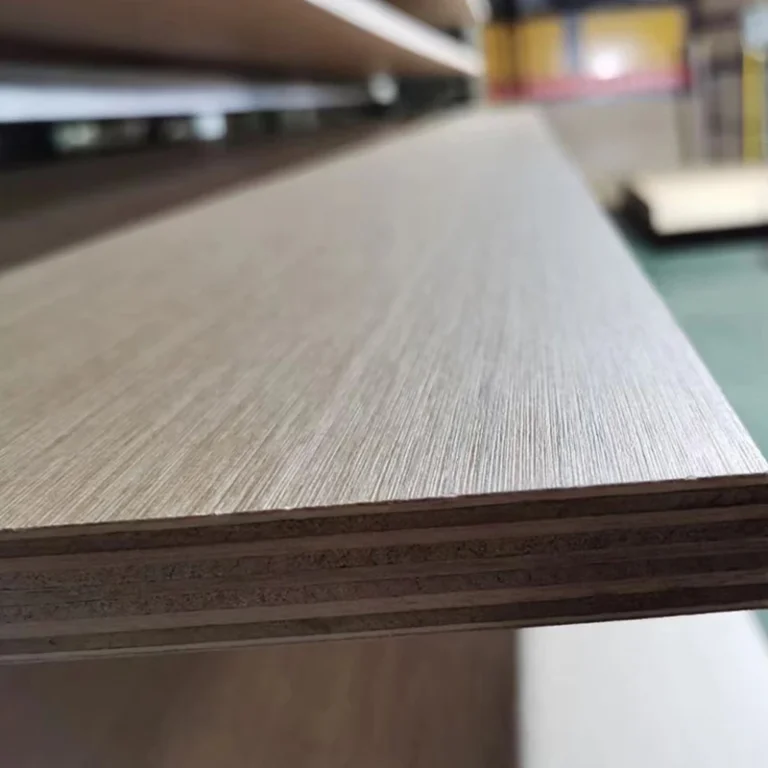
The internal structure of a plywood panel can become particularly important when CNC machining exposes the edges or creates deep grooves and openings.
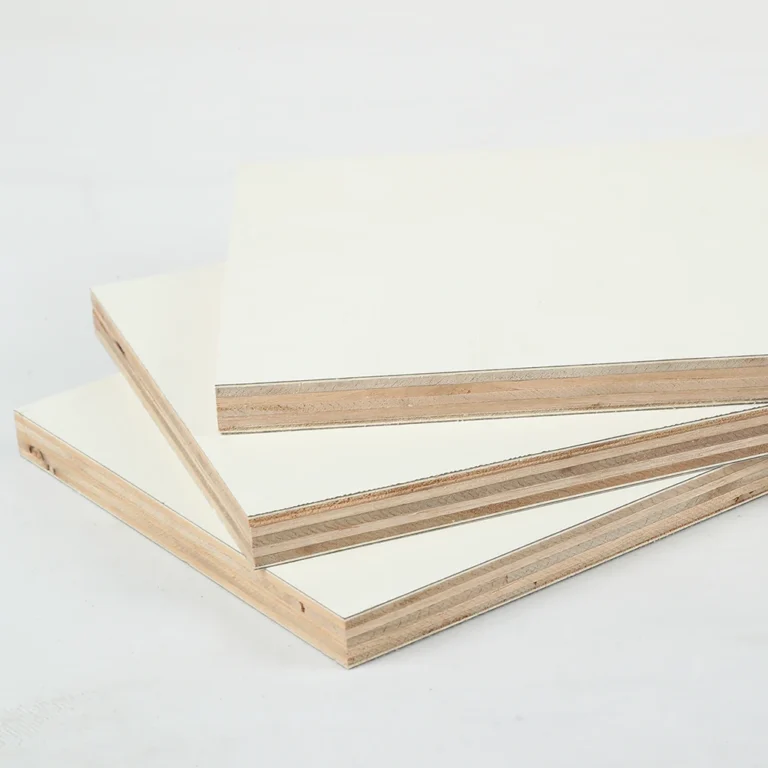
A well-balanced construction with consistent veneer layers can help produce more predictable machining results. In contrast, significant core gaps, uneven veneer thickness, or inconsistent bonding may become visible after cutting.
For a closer look at how veneer layers and core construction affect panel performance, see our guide to Birch Plywood Construction.
When sourcing birch plywood for CNC applications, buyers should consider:
- Veneer thickness consistency
- Core veneer quality
- Number and arrangement of plies
- Bonding quality
- Potential internal gaps
- Panel balance and stability
These factors can influence the appearance and consistency of machined edges, especially for furniture components where the edge remains visible.
Why Flatness and Thickness Tolerance Matter
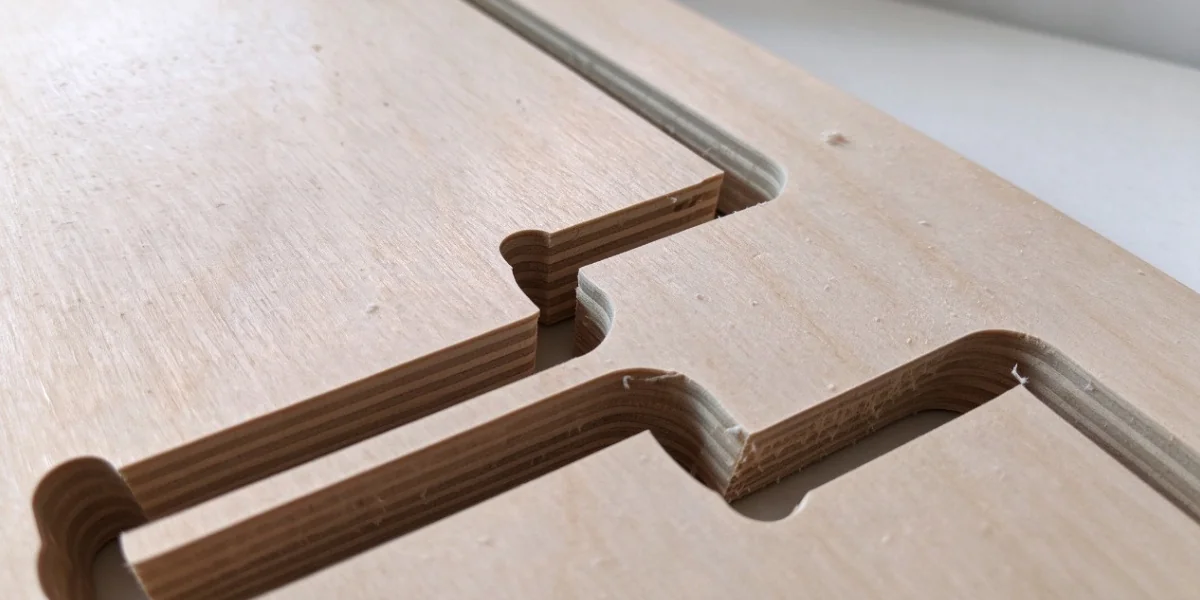
CNC machining depends on a stable reference surface. If plywood panels are significantly warped or their actual thickness varies from one area to another, cutting depth and joint dimensions may become less consistent.
For example, a routed groove designed for a specific joint may require accurate panel thickness to achieve the intended fit. Variations can become more noticeable when many components must be assembled together.
Buyers should therefore confirm the supplier’s thickness specifications and quality-control procedures before placing a large order. Measuring several points across sample panels can also help identify variations that may not be obvious from a visual inspection.
Flatness is equally important. Panels that do not sit properly on the CNC worktable may affect positioning and machining accuracy. The acceptable tolerance should be determined according to the machine, component design, and final application rather than using one universal value.
Which Birch Plywood Grade Should You Choose?
The required plywood grade depends on whether the machined surface or edge will remain visible and on the quality requirements of the finished product.
For painted, laminated, veneered, or otherwise covered components, the surface requirements may differ from those for furniture parts where the plywood itself remains visible.
Before ordering, buyers should review the available Birch Plywood Grades and match the face and back grades to the finished application.
It is also important to discuss the expected edge appearance with the supplier. CNC cutting can expose the internal plywood structure, so a panel that looks suitable on the surface should still be evaluated after machining.
What Should Buyers Confirm With a Supplier?
Before purchasing birch plywood for CNC production, buyers should confirm several basic specifications:
Panel thickness: Confirm the nominal thickness and applicable tolerance.
Flatness: Ask how panel flatness is controlled and whether samples can be checked before bulk production.
Core construction: Discuss veneer quality, core gaps, and the expected appearance of machined edges.
Sheet dimensions: Make sure the available panel size is compatible with the CNC nesting layout.
Moisture condition: Confirm that the plywood is manufactured and stored under appropriate conditions for the intended application.
Surface grade: Select the face quality according to whether the finished component will be painted, covered, or exposed.
Clear specifications at the purchasing stage can reduce problems when the material reaches production.
CNC Tooling and Cutting Parameters
CNC machining parameters should not be treated as universal values for every birch plywood product. Tool geometry, cutter diameter, spindle speed, feed rate, cutting depth, machine condition, and panel thickness can all affect the result.
For this reason, manufacturers should establish suitable tooling and cutting parameters through machine-specific testing. A supplier can provide information about the plywood construction and specifications, but the final machining settings should be validated on the buyer’s actual equipment.
Testing the material with the intended CNC program is particularly important when the panels will be used for detailed routing, narrow grooves, drilled holes, or complex furniture components.
Test Samples Before a Bulk Order
A representative sample should ideally be tested before approving a large CNC plywood order. This provides an opportunity to evaluate the actual machining performance rather than relying only on the panel’s technical specifications.
A practical sample check can include:
- CNC cutting with the intended tool and program.
- Inspection of cut edges and routed areas.
- Checking grooves, holes, joints, and other machined features.
- Measuring the finished component against the required dimensions.
- Checking whether internal gaps or bonding issues become visible.
- Confirming that the result is consistent across multiple panels.
If the sample meets the production requirements, buyers can use the approved sample as a reference when discussing the bulk order with the supplier.
Choosing Birch Plywood for CNC Production
Good birch plywood CNC machining results begin with consistent raw material. Panel construction, flatness, thickness tolerance, surface grade, and machining tests should all be considered before bulk purchasing.
For furniture manufacturers and importers, the safest approach is to define the required specifications, test representative samples, and approve the material before mass production. This helps ensure that the plywood selected for CNC processing matches both the machine requirements and the finished product.
If you are sourcing birch plywood for furniture, CNC machining, or other manufacturing applications, contact GreenTimber to discuss panel specifications, surface grades, and bulk supply requirements.