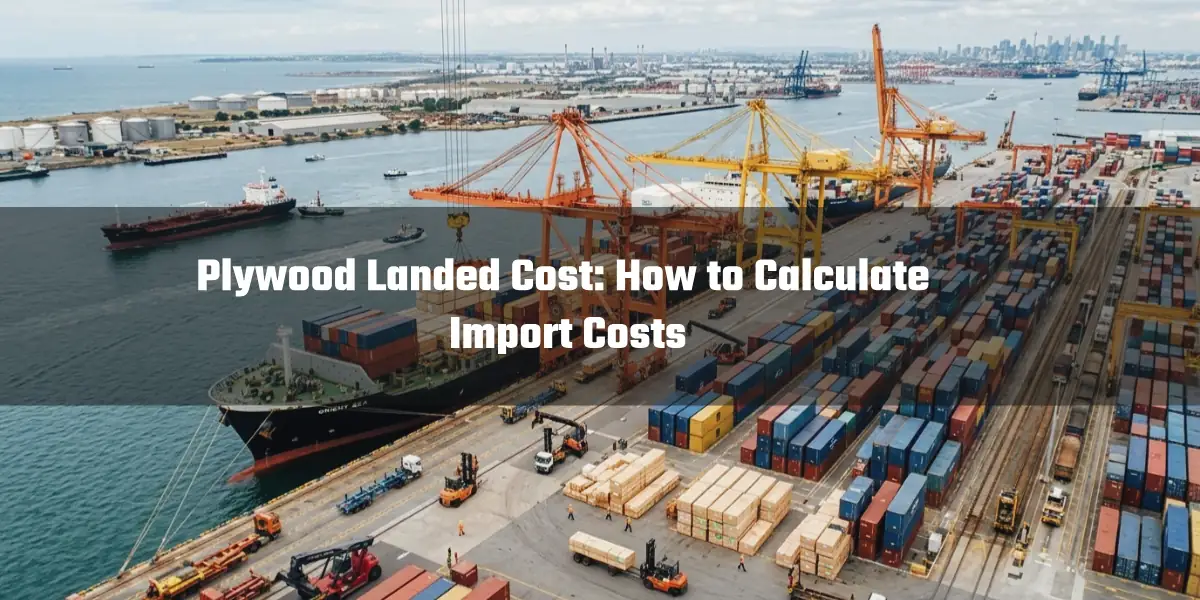
Plywood landed cost is an important factor for importers, wholesalers, and building material distributors purchasing plywood from overseas suppliers. The supplier’s quotation is only one part of the total expense, as international freight, insurance, import duties, customs clearance, port charges, and inland transportation can all affect the final cost of a shipment.
Understanding how to calculate plywood import cost helps buyers compare supplier quotations, prepare purchasing budgets, and evaluate the actual cost of receiving plywood at a warehouse or distribution center. This guide explains the main cost components, a practical calculation method, and ways to avoid unexpected expenses.
What Is Plywood Landed Cost?
Plywood landed cost refers to the total cost of purchasing and importing plywood to an agreed destination. Depending on the calculation method, it may include the product price, transportation, insurance, import duties, taxes, and handling charges.
For bulk buyers, calculating landed cost provides a more useful comparison than looking at the unit price alone. A lower quotation may not represent the most economical option if it involves higher freight charges, additional handling, or other import expenses.
Before comparing quotations, buyers should confirm the delivery terms, destination, shipment quantity, and costs included in each offer.
Key Components of Plywood Import Cost
Several cost categories should be considered when preparing a plywood import budget.
1. Plywood Product Cost
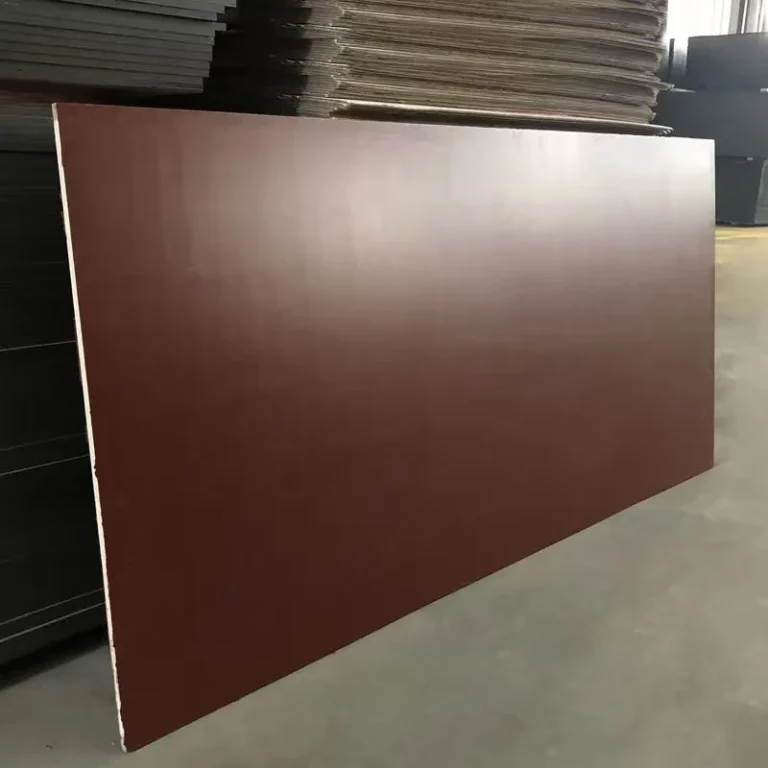
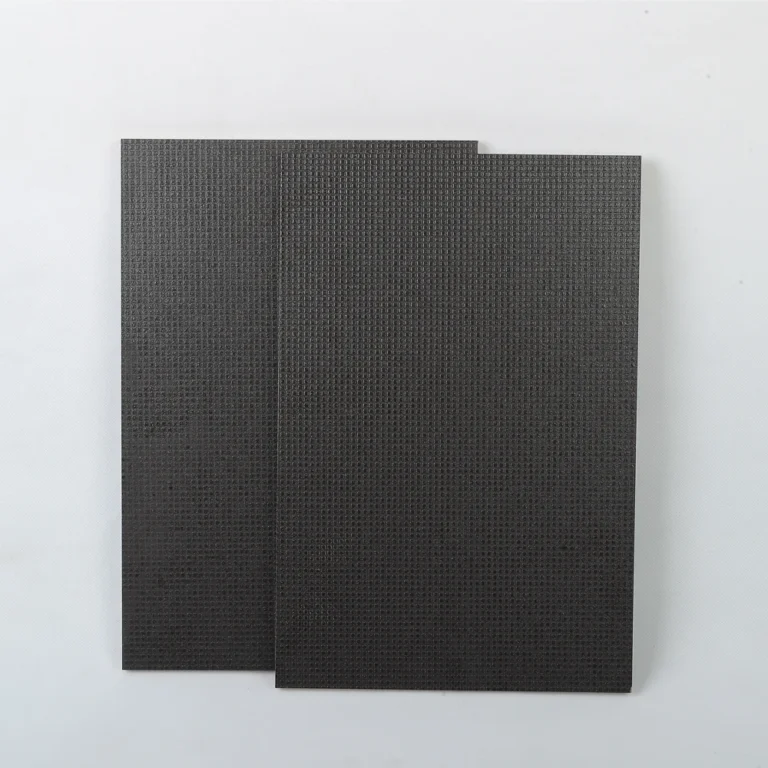
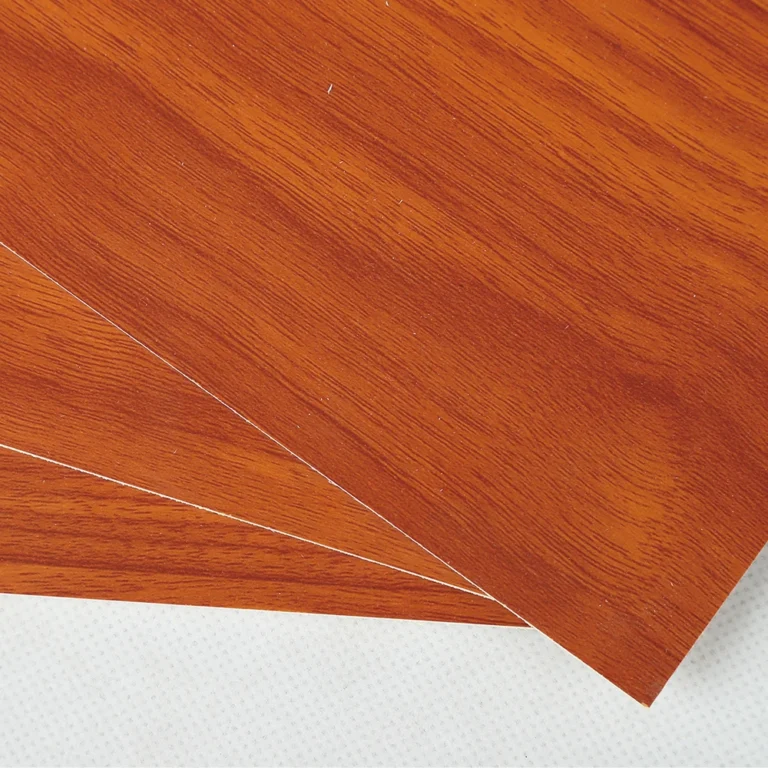
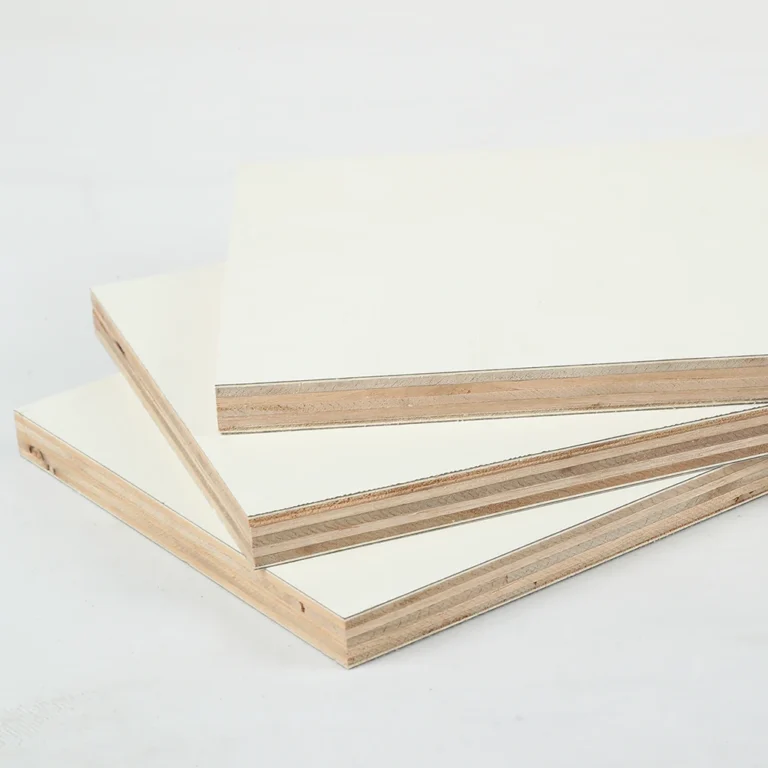
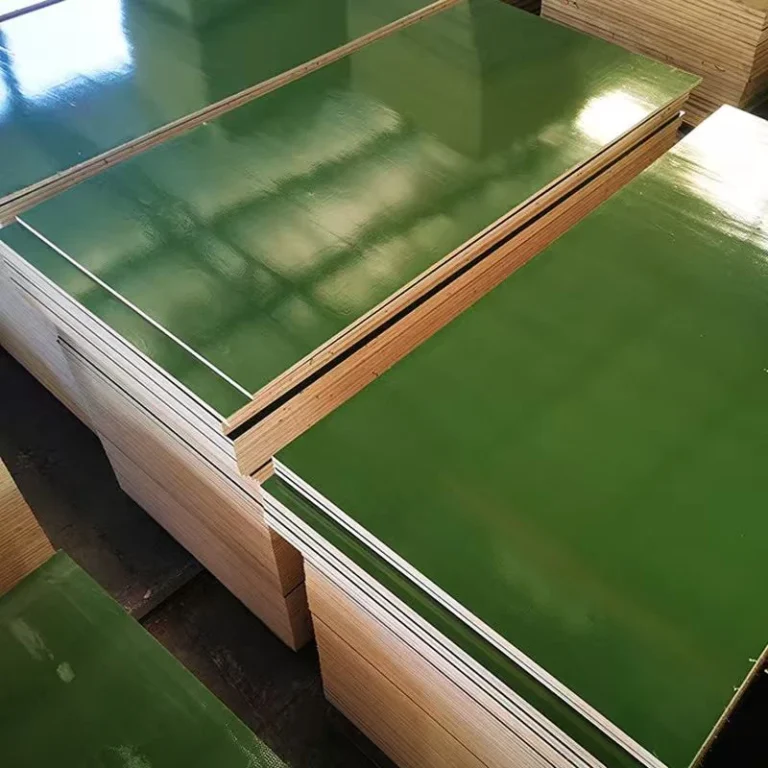
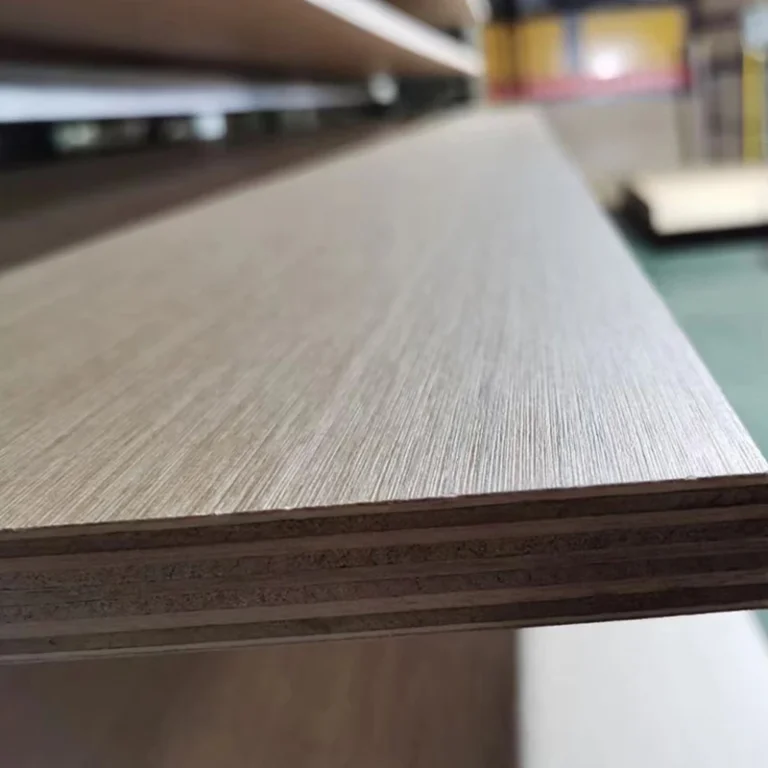
The product cost is the amount paid to the supplier for the ordered plywood. It depends on factors such as panel type, dimensions, thickness, grade, core material, order quantity, and agreed specifications.
When comparing offers, buyers should make sure that the products meet the same requirements. For product options and specifications, visit the GreenTimber plywood product range.
2. International Freight and Cargo Insurance
Plywood shipping costs depend on the shipping route, transportation method, shipment volume, container availability, and current freight conditions. Ocean freight is commonly used for bulk international shipments, but buyers should compare the complete logistics cost rather than the freight quotation alone.
Cargo insurance is another potential expense. Its cost and coverage depend on the insured value, policy terms, and type of risk covered. Buyers should confirm whether insurance is included in the supplier’s quotation or needs to be arranged separately.
3. Import Duties and Taxes
Plywood import duties vary by destination country, product classification, country of origin, and applicable trade measures. Other import taxes may also apply.
Importers should confirm the correct customs classification and current duty rate with their customs broker or relevant customs authority before placing an order. Do not assume that all plywood products have the same tariff treatment.
4. Port Charges and Customs Clearance
Port handling, terminal charges, customs brokerage, documentation, inspection, and other clearance-related expenses may contribute to the total import cost.
The exact charges depend on the destination port, shipping arrangements, and local procedures. Buyers should request a breakdown of destination charges to identify costs that may not appear in the initial supplier quotation.
5. Inland Transportation and Handling
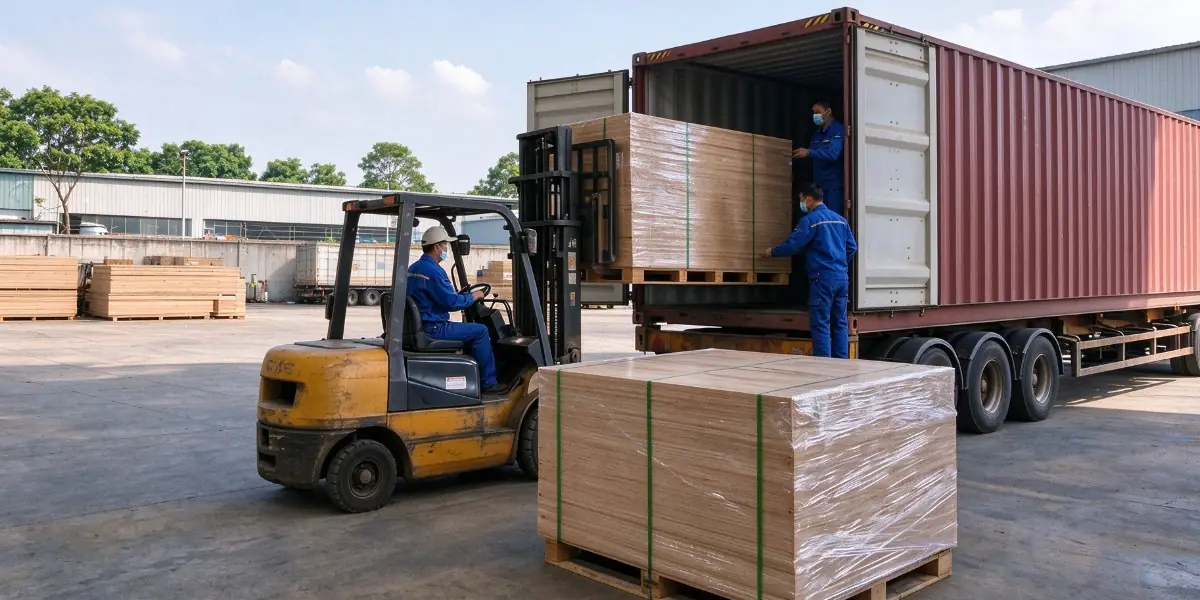
After customs clearance, the plywood must be transported to the buyer’s warehouse, distribution center, or project location. Inland freight, unloading, storage, and additional handling may need to be included in the budget.
These expenses are particularly important when the destination warehouse is far from the port or when special delivery arrangements are required.
How to Calculate Plywood Landed Cost
A practical plywood landed cost calculation starts with identifying every applicable expense.
Total Landed Cost = Product Cost + International Freight + Insurance + Import Duties and Taxes + Port and Clearance Fees + Inland Transportation and Handling
For example, an importer can prepare a spreadsheet with one row for each cost category, record the applicable amount, and calculate the total shipment cost. Only include expenses that apply to the selected shipping arrangement, and avoid counting charges already included in another line item.
The calculation can then be converted into a unit cost:
Landed Cost per Sheet = Total Landed Cost ÷ Total Number of Sheets
Alternatively, buyers purchasing plywood by volume can calculate:
Landed Cost per CBM = Total Landed Cost ÷ Total Shipment Volume in CBM
These figures help importers compare quotations, shipment sizes, and logistics options on a consistent basis. When comparing different suppliers, use the same destination, currency, quantity, product specifications, and cost-inclusion assumptions.
Factors That Can Change the Final Import Cost
Several factors can affect plywood landed cost even when the product quotation remains unchanged.
- Order quantity: Larger orders may spread certain fixed logistics costs across more panels, although actual savings depend on container utilization and freight terms.
- Shipping route: Freight rates, transit times, port charges, and available services differ between routes.
- Trade terms: Incoterms determine important responsibilities and cost allocations between the seller and buyer. Confirm which expenses are already included in the quoted price.
- Customs requirements: Product classification, applicable tariffs, inspections, and documentation requirements may affect the final amount.
- Packaging and loading: Packaging dimensions, loading efficiency, and handling requirements can influence transportation expenses.
Importers should also distinguish between cash outlay and economic cost. For example, recoverable import VAT may affect cash flow without necessarily becoming a final business expense.
How to Control Plywood Import Costs
Buyers can improve cost planning by comparing complete quotations instead of focusing only on the factory price. Request a clear breakdown of product value, shipping arrangements, included services, and potential destination charges.
Confirm panel specifications, order quantities, packaging requirements, and delivery terms before production begins. Accurate shipment information also helps freight forwarders prepare more reliable quotations.
For product-specific pricing considerations, buyers can review GreenTimber’s existing Film Faced Plywood Price article. That article should be used for product price factors, while this guide focuses on the broader import cost calculation.
Prepare Your Plywood Import Budget
Calculating plywood landed cost gives importers a clearer view of the expenses involved in receiving an overseas shipment. By accounting for product value, freight, insurance, duties, clearance, and inland delivery, buyers can compare offers more accurately and reduce the risk of unexpected charges.
Before confirming an order, prepare a cost breakdown and verify destination-specific charges with your customs broker or freight forwarder. Contact GreenTimber to discuss plywood specifications, order quantities, and export quotation requirements for your market.