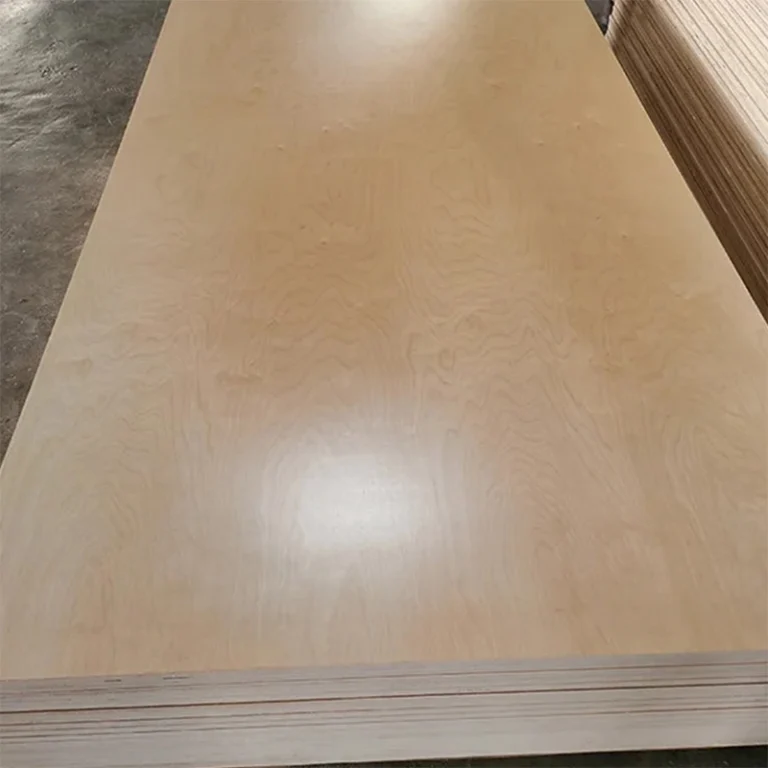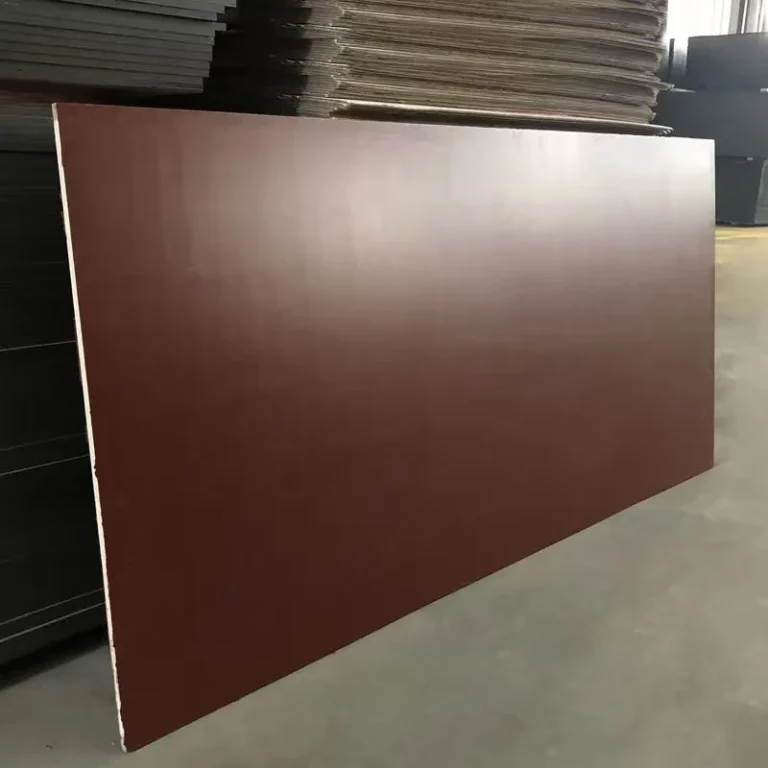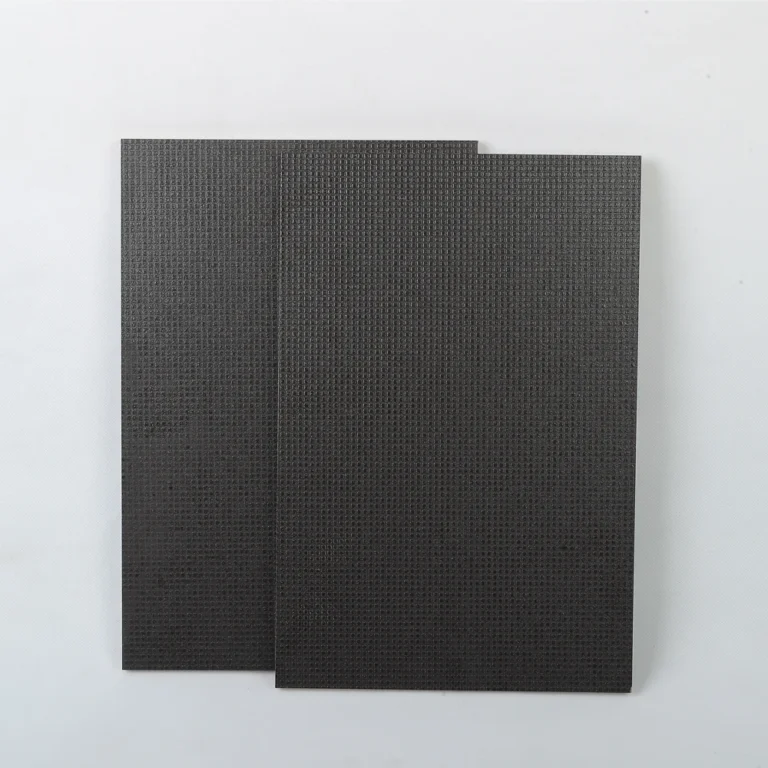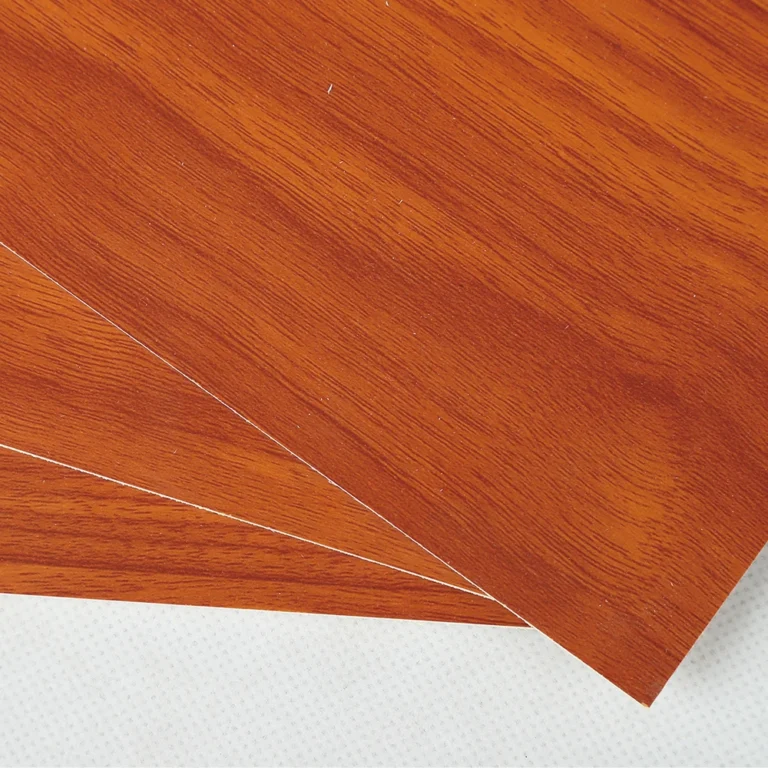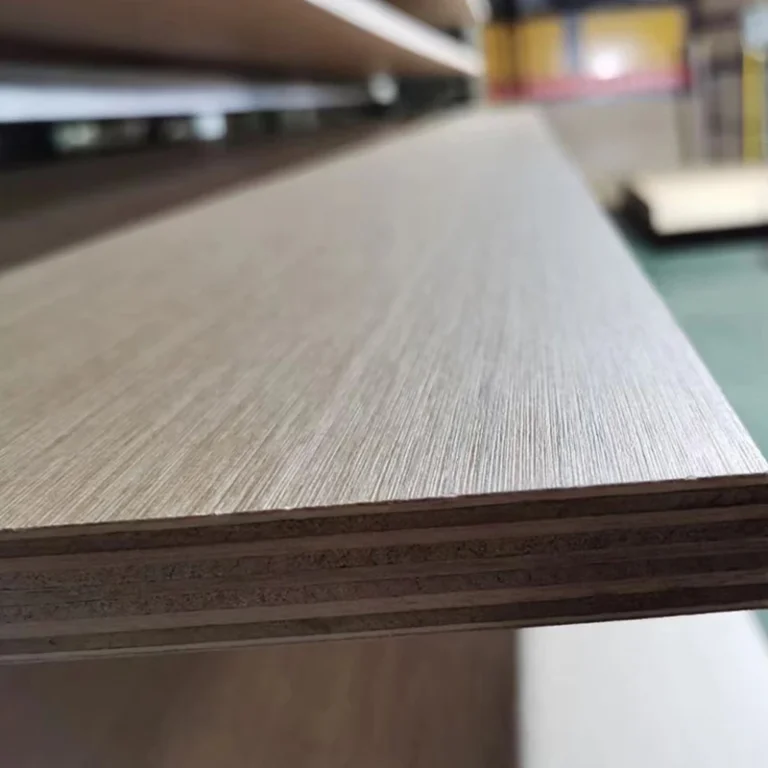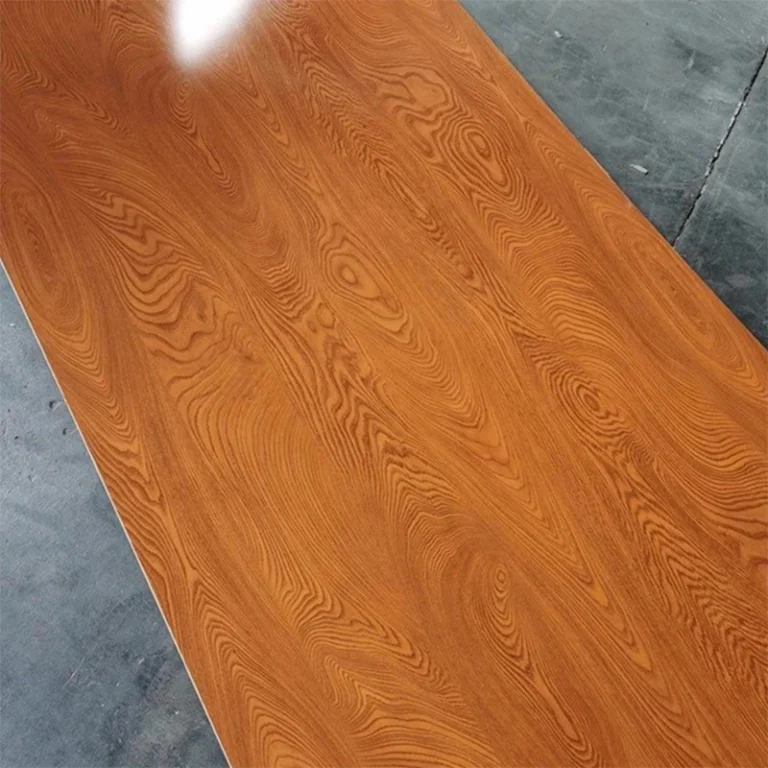
Melamine plywood quality inspection is an important step for furniture manufacturers who need consistent panel quality, accurate dimensions, and reliable surface finishes. Before using melamine-faced plywood in cabinets, wardrobes, shelving, or other furniture components, buyers should check each delivery against the agreed specifications. A structured inspection process helps identify defects early, reduce material waste, and maintain consistent production quality.
Why Melamine Plywood Quality Inspection Matters
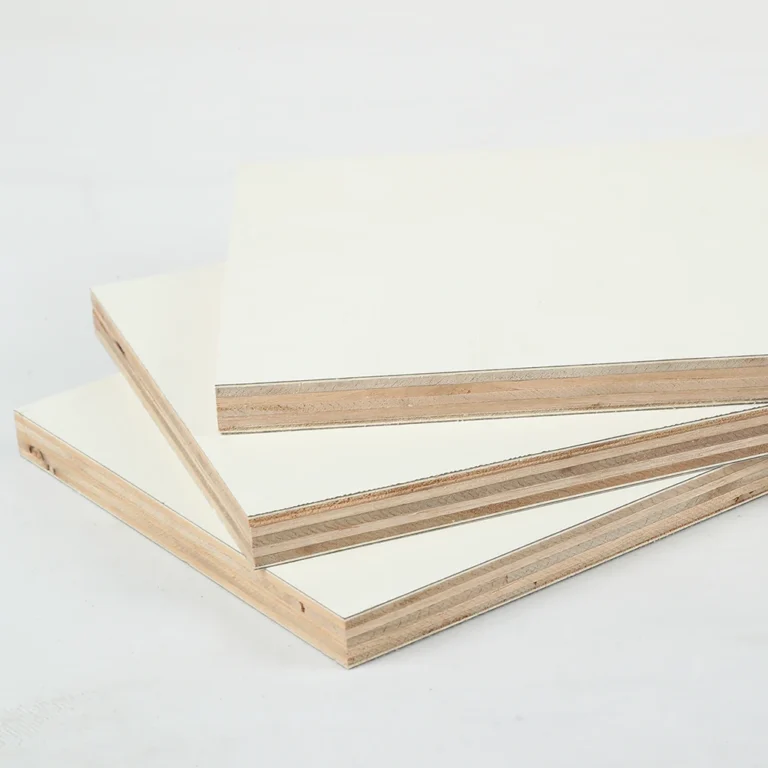
Melamine plywood combines a decorative melamine surface with a plywood core. Its appearance, dimensional accuracy, and structural condition can all affect furniture manufacturing.
Surface defects may remain visible on finished cabinet doors or exposed panels, while inconsistent thickness can cause problems during cutting, drilling, edge banding, and assembly. Damaged edges or internal bonding issues may also reduce the usability of individual panels.
For furniture manufacturers purchasing in bulk, inspecting incoming materials is especially important. A clear inspection procedure helps receiving teams identify nonconforming panels before they enter production.
Check the Melamine Surface Finish
The surface is one of the first areas to inspect because it directly affects the appearance of finished furniture.
Look for visible surface defects
Examine both faces of the panel under adequate lighting. Check for:
- Scratches, stains, dents, and visible contamination
- Blisters, bubbles, or areas where the decorative layer appears loose
- Uneven gloss, surface roughness, or other finish inconsistencies
- Chipped corners and damaged edges
- Noticeable color or pattern differences between panels
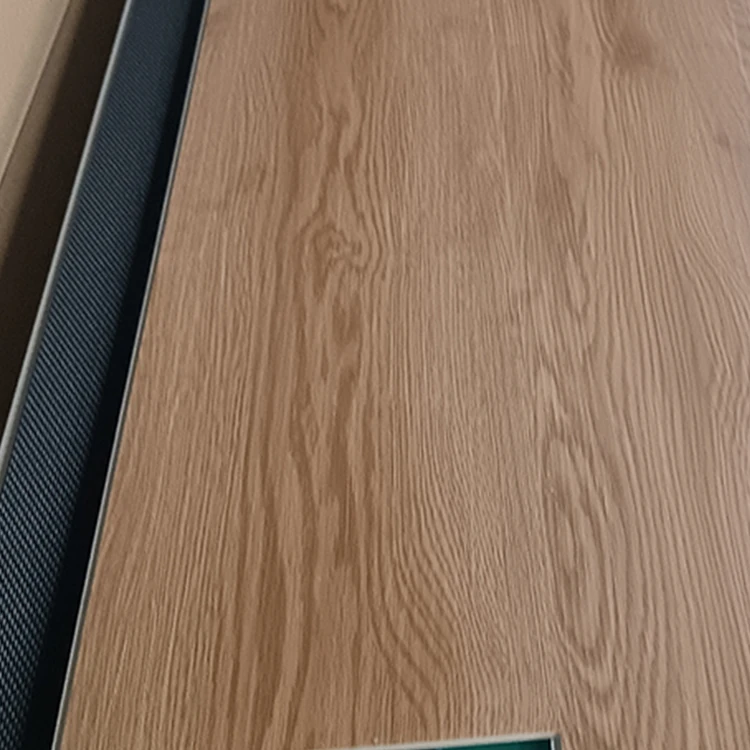
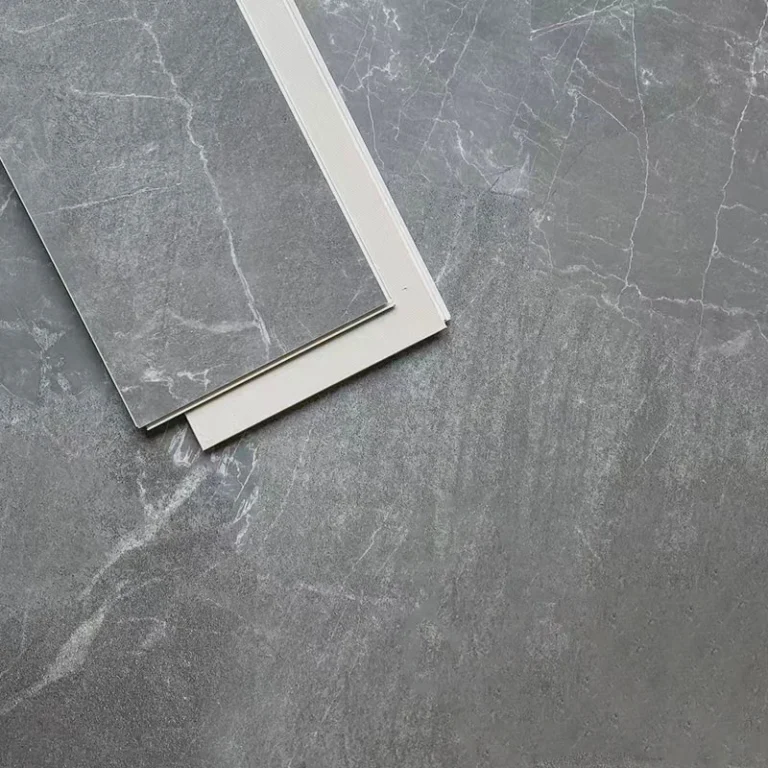
Compare the delivered panels with the approved sample, particularly when the order includes woodgrain patterns, solid colors, or decorative finishes. For projects requiring multiple panels in the same visible area, consistent color and pattern are essential.
Minor defects may be acceptable under some purchasing specifications, but acceptance should follow the agreed quality requirements rather than an informal visual judgment.
Measure Panel Dimensions and Thickness
Dimensional accuracy is essential when panels must fit standardized furniture designs or automated cutting equipment.
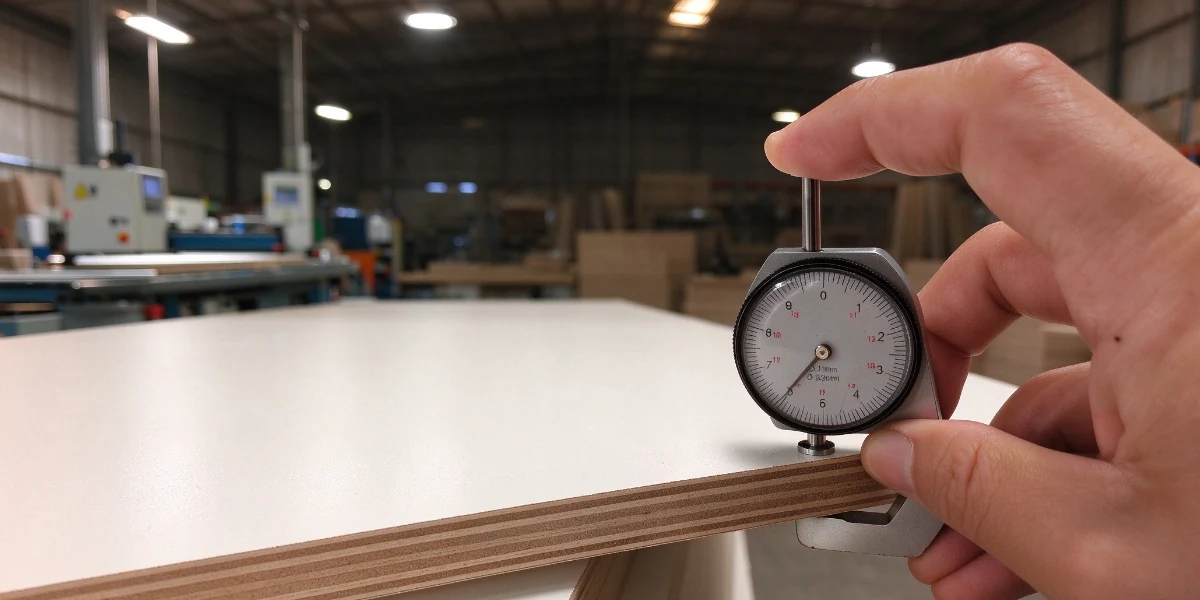
Use a suitable tape measure or measuring tool to check panel length and width. Measure thickness with a calibrated thickness gauge or caliper at several agreed positions, avoiding damaged edges that could distort the reading.
Confirm the following details against the purchase order:
- Nominal panel length and width
- Specified thickness
- Permitted dimensional and thickness tolerances
- Squareness and edge straightness, where required
Do not assume that every panel must match its nominal dimensions exactly. Manufacturing tolerances depend on the product specification and applicable requirements. Record any measurements outside the agreed limits and discuss them with the supplier before processing the material.
Inspect the Plywood Core and Edges
Although the decorative surface receives most of the attention, the plywood core also affects panel performance during furniture production.
Inspect exposed edges for delamination, open gaps, loose veneers, and excessive chipping. Where the product specification permits, check representative cut edges or sample pieces to evaluate core construction.
Look for obvious core irregularities that could affect screw holding, machining, or edge finishing. However, internal voids and bonding strength cannot always be assessed reliably through external visual inspection alone. Additional testing may be necessary when structural performance is important.
For more information about furniture applications and panel selection, see our guide to Melamine Plywood for Cabinets.
Check Bonding and Panel Flatness
A panel may have an attractive surface but still be unsuitable if the decorative layer separates from the substrate or the panel is excessively warped.
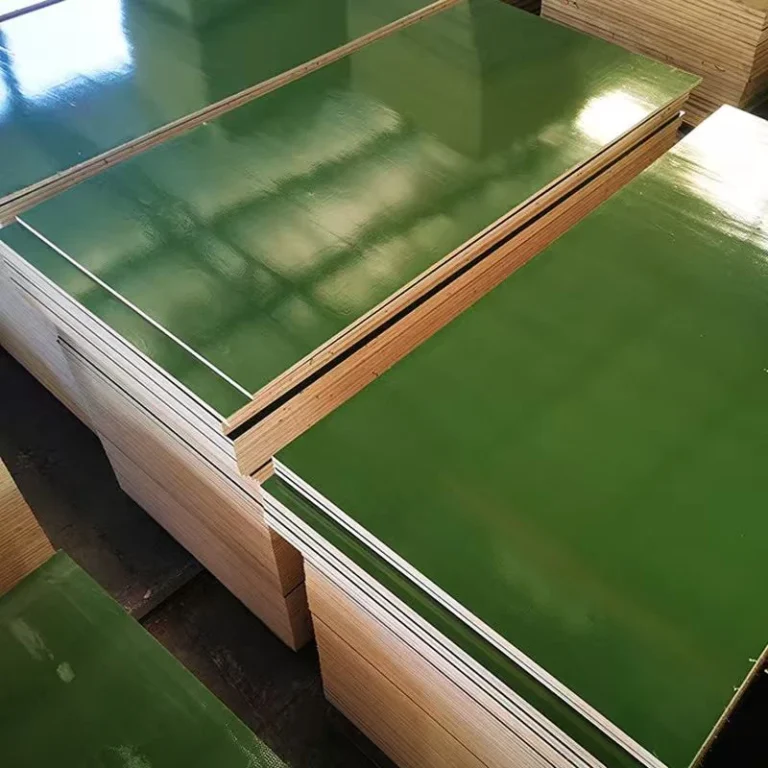
Inspect the surface for lifting, bubbles, and signs of delamination. Place the panel on a suitable flat reference surface or use a straightedge to check for visible bowing, twisting, or unevenness.
Compare the results with the agreed flatness requirements. If bonding performance is critical, request suitable test data or arrange testing according to the relevant product specification. Avoid relying on improvised adhesion tests that could damage saleable panels or produce misleading results.
Proper storage also matters. Keep panels on a level, adequately supported surface in a dry, protected area, following the supplier’s storage recommendations. Poor handling and unsuitable storage conditions can introduce damage after delivery.
Verify Batch Consistency and Quality Documents
For bulk orders, inspecting a single panel is not enough to establish the quality of an entire shipment.
Select representative panels from different packages or positions within the delivery. Follow an agreed sampling plan and increase inspection when defects appear or the shipment has a history of quality problems.
Compare the delivered materials with the approved sample and purchase order. Check the panel dimensions, thickness, surface finish, core construction, and other specified requirements.
Depending on the order, supporting documents may include product specifications, inspection reports, test reports, and relevant compliance documents. Verify that the documents correspond to the product being supplied rather than assuming that a general certificate covers every specification.
When evaluating suppliers, our Melamine Plywood Buying Guide provides additional purchasing considerations. Buyers can also review how to choose a melamine plywood supplier in Vietnam when comparing manufacturing and supply capabilities.
Create a Receiving Inspection Checklist
A written checklist makes quality inspection more consistent across purchasing, warehouse, and production teams.
Before releasing a shipment for production, confirm that:
- Panel dimensions and thickness meet the agreed tolerances.
- Surface finish, color, and pattern match the approved sample.
- No unacceptable scratches, bubbles, stains, or delamination are present.
- Edges and visible core construction meet the specified requirements.
- Panel flatness is within the agreed limits.
- Packaging and delivered quantities match the order.
- Required quality and compliance documents have been checked.
- Inspection results and any defects have been recorded.
If a panel or batch fails inspection, separate the affected materials, photograph the defects, record the relevant measurements, and contact the supplier before using the panels. This creates a clear record for corrective action and helps prevent unsuitable materials from entering production.
Conclusion
Melamine plywood quality inspection helps furniture manufacturers control appearance, dimensional accuracy, and incoming material consistency. By checking surface finishes, measuring panel dimensions, inspecting edges, assessing flatness, and verifying batch documentation, buyers can identify problems before production begins.
For reliable procurement, establish clear specifications before ordering and use the same acceptance criteria for samples and bulk deliveries. Contact GreenTimber to discuss melamine plywood specifications, available finishes, and supply requirements for your furniture manufacturing projects.