Introduction: Choose the Right Flooring for Durability and Style
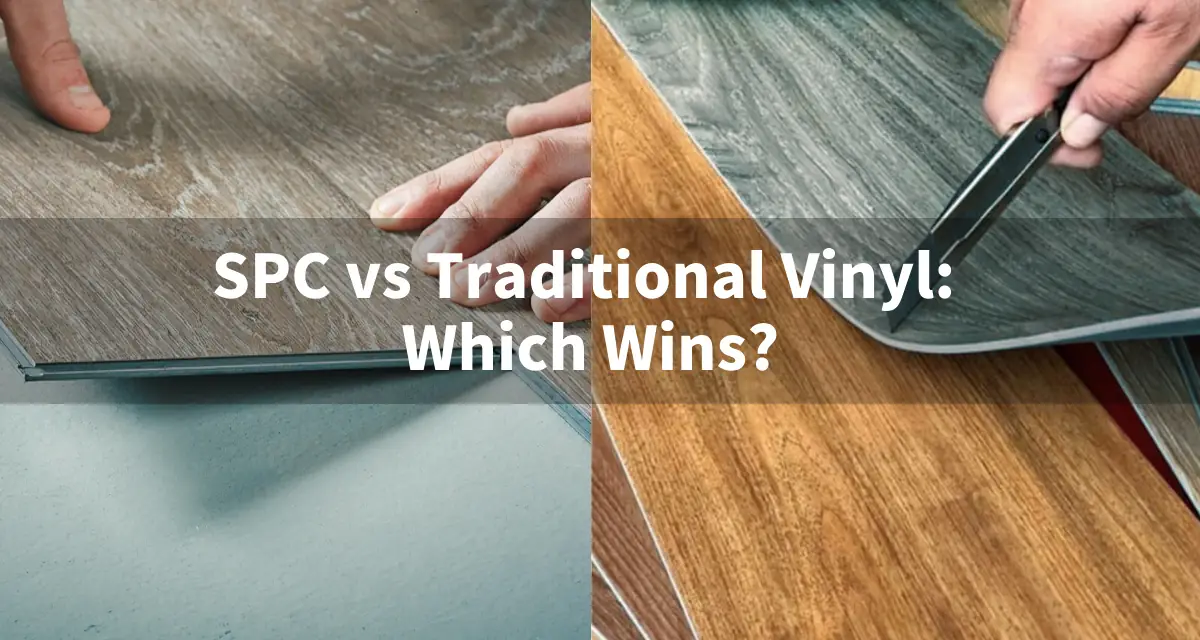
Flooring plays a critical role in both the appearance and long-term performance of your home. Among the most popular options today are SPC LVP flooring (Stone Plastic Composite Luxury Vinyl Plank) and traditional vinyl flooring.
But here’s the problem: many homeowners struggle to understand the difference between these two materials—and more importantly, which one actually fits their needs.
In this guide, we’ll break down everything you need to know, including:
- What SPC LVP and traditional vinyl flooring are
- Key performance differences
- Best use cases for each
- Expert tips to help you choose the right flooring
What Is SPC LVP Flooring?
SPC LVP flooring (Stone Plastic Composite Luxury Vinyl Plank) is a next-generation rigid core vinyl flooring designed for durability and stability.
Structure of SPC Flooring
SPC flooring typically consists of:
- Wear layer (scratch resistance)
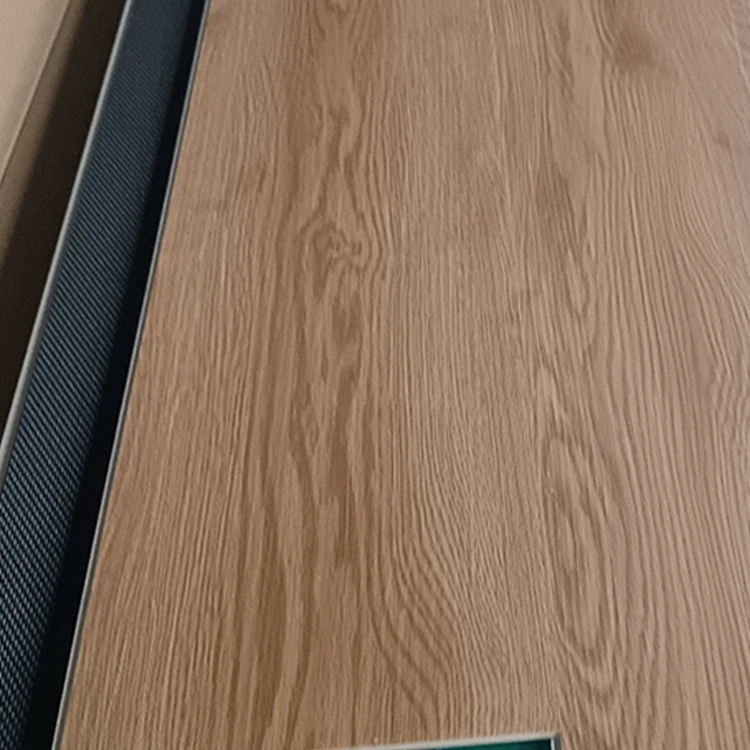
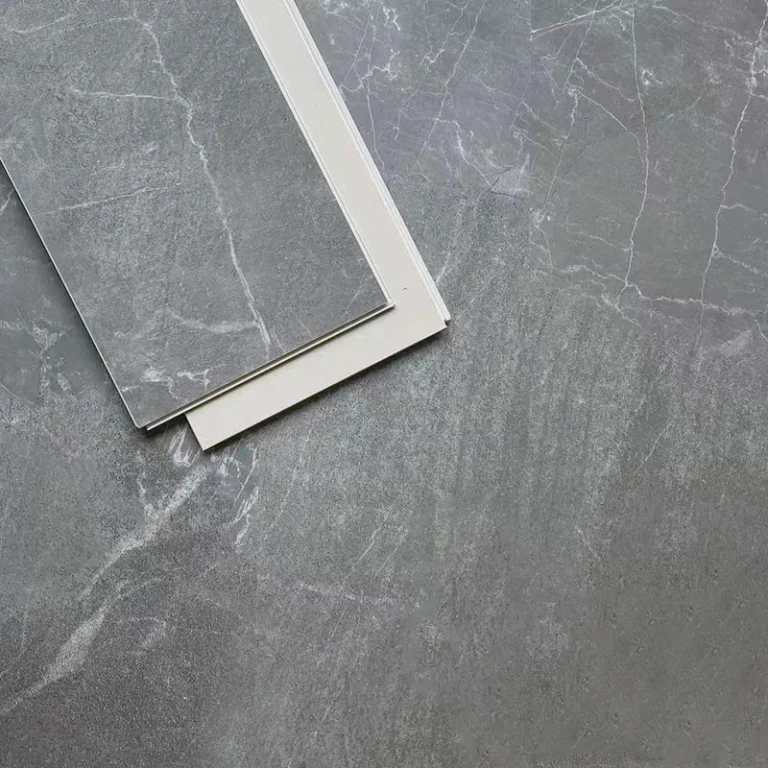
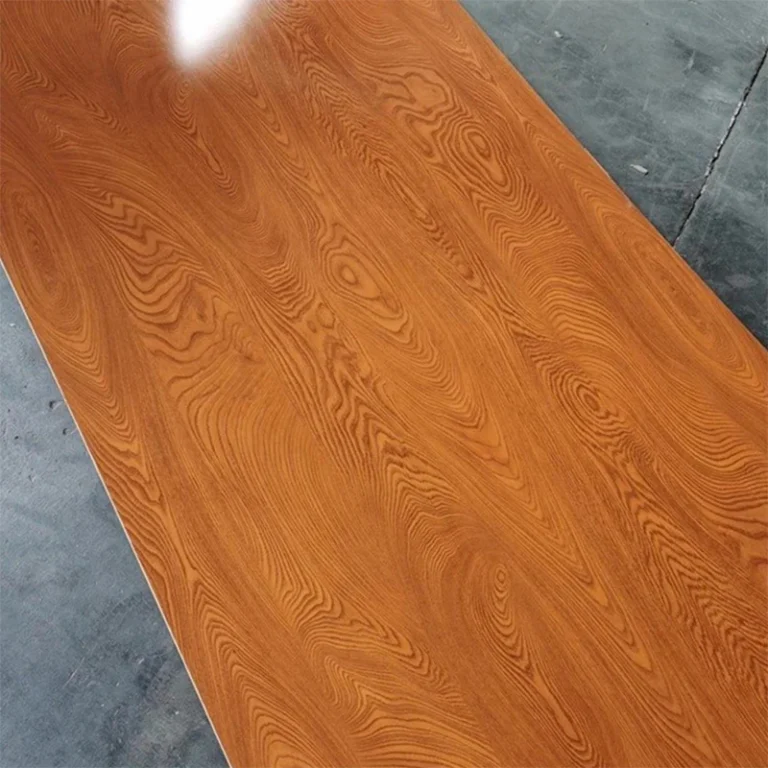
- Decorative layer (wood/stone design)
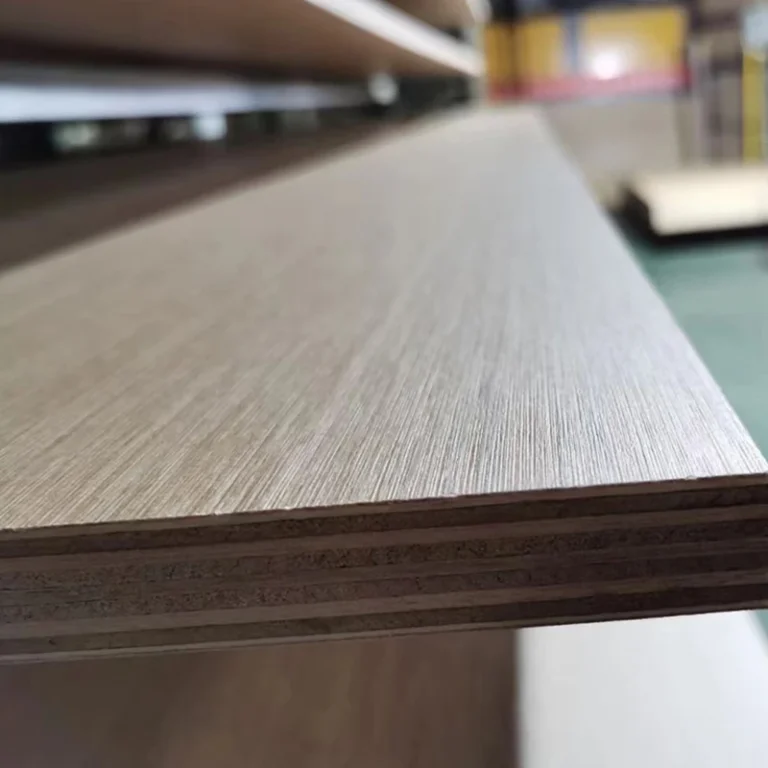
- Rigid stone-plastic core
- Underlayment backing (optional sound insulation)
Key Features
- 100% waterproof flooring
- Extremely durable and dent-resistant
- High dimensional stability (minimal expansion/contraction)
- Formaldehyde-free and eco-friendly
- Ideal for high-traffic and moisture-prone areas
What Is Traditional Vinyl Flooring?
Traditional vinyl flooring includes:
- Sheet vinyl flooring
- Flexible LVP (Luxury Vinyl Plank)
Unlike SPC, it has a softer, more flexible structure without a rigid core.
Structure of Traditional Vinyl
- PVC-based flexible layers
- No stone composite core
- Often installed using glue-down or loose-lay methods
Key Features
- Budget-friendly flooring option
- Softer and more comfortable underfoot
- Wide variety of designs
- Less durable compared to SPC
SPC LVP vs. Traditional Vinyl Flooring: Key Differences
| Feature | SPC LVP Flooring | Traditional Vinyl Flooring |
|---|---|---|
| Durability | Highly resistant to dents, scratches, and wear | Softer surface, prone to dents |
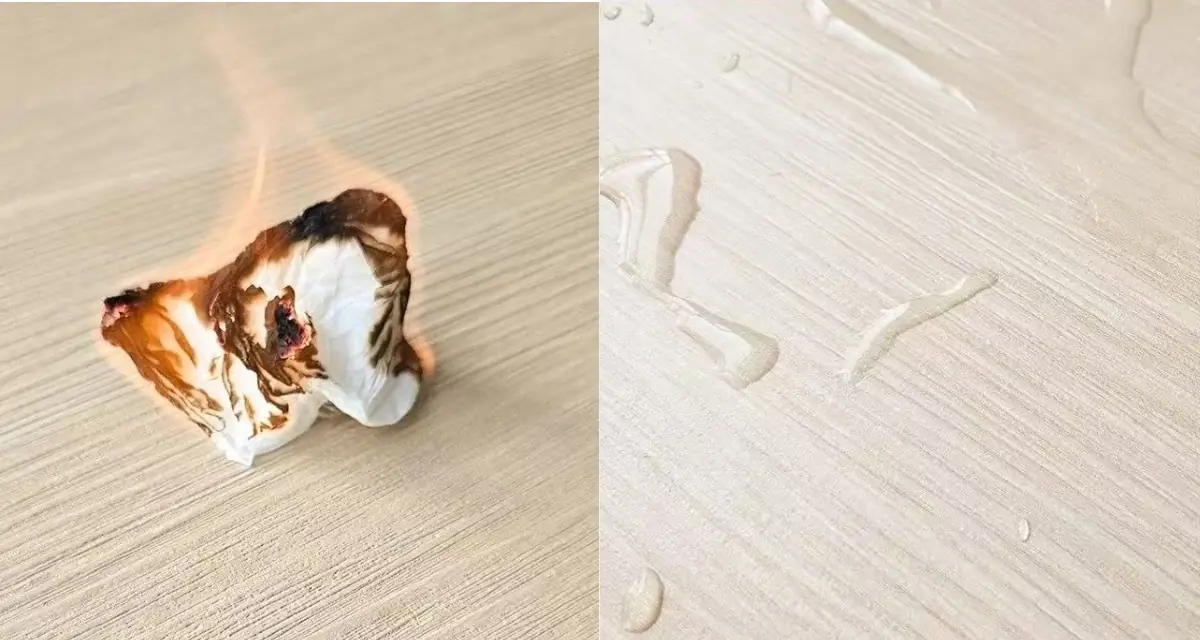
| Waterproof Performance | 100% waterproof core and surface | Water-resistant but not fully waterproof |
| Comfort Underfoot | Firmer feel, improved with underlayment | Softer and more cushioned |
| Installation | Click-lock floating installation, DIY-friendly | Glue-down or loose lay, requires prep |
| Cost | Medium to high upfront cost | Lower initial cost |
| Eco-Friendliness | Formaldehyde-free, safer materials | Varies by product quality |
| Stability | Excellent in temperature changes | Can expand, warp, or curl |
Best Use Cases: Which Flooring Should You Choose?
When to Choose SPC LVP Flooring
SPC flooring is the best choice if you need:
- Waterproof flooring for kitchens, bathrooms, or basements
- Flooring for high-traffic areas like living rooms and hallways
- A solution for homes with pets or heavy furniture
- Compatibility with underfloor heating systems
- Long-term durability (5–10+ years use)
When to Choose Traditional Vinyl Flooring
Traditional vinyl is suitable if:
- You’re working with a limited budget
- The space has low traffic (bedrooms, studies)
- You prefer a softer, warmer feel underfoot
- It’s a temporary renovation or rental property
Common Misconceptions About SPC and Vinyl Flooring
Myth 1: “SPC is just upgraded vinyl”
Reality: SPC has a completely different rigid core structure, making it far more durable.
Myth 2: “Traditional vinyl is also waterproof”
Reality: Most traditional vinyl is only water-resistant. Moisture can still seep through seams and edges.
Myth 3: “SPC flooring is too hard”
Reality: Modern SPC flooring often includes IXPE underlayment, improving comfort and sound absorption significantly.
How to Choose: Expert Buying Tips
SPC Flooring Buying Guide
- Choose wear layer thickness ≥ 0.3mm
- Look for high-quality click-lock systems
- Check for rigid core density and stability
- Ensure certifications (FloorScore, CE, etc.)
Traditional Vinyl Buying Guide
- Avoid low-quality sheet vinyl
- Opt for click-lock vinyl plank instead of glue-down
- Verify low VOC and eco-friendly materials
Final Verdict: SPC LVP or Traditional Vinyl?
There’s no one-size-fits-all answer—but here’s a simple formula:
👉 Budget + Usage Scenario + Duration = Best Choice
- Choose SPC LVP flooring for durability, waterproof performance, and long-term value
- Choose traditional vinyl flooring for affordability and short-term use
Conclusion: Make Every Step Count
SPC LVP flooring stands out for its strength, stability, and waterproof performance, while traditional vinyl remains a cost-effective and comfortable option.
The key is not choosing the “best” flooring—but choosing the right flooring for your specific needs.
If you’re still unsure which option is right for your project, feel free to contact us. Our team is ready to provide professional advice, product recommendations, and free samples to help you make the best decision.