Choosing the right cabinet material is one of the most important decisions in furniture manufacturing and interior projects. Among the most popular engineered wood panels, melamine plywood and melamine MDF are widely used for kitchen cabinets, wardrobes, office furniture, and storage units.
However, many buyers still ask: Melamine plywood vs MDF—which is better for cabinets?
The answer depends on your priorities. If you need better strength, moisture resistance, and long-term durability, one option stands out. If budget and smooth surface quality are more important, the other may be a better fit.
This guide compares melamine plywood vs MDF for cabinets in terms of structure, strength, moisture resistance, durability, cost, and real-world applications to help you make the right choice.
What Is Melamine Plywood?
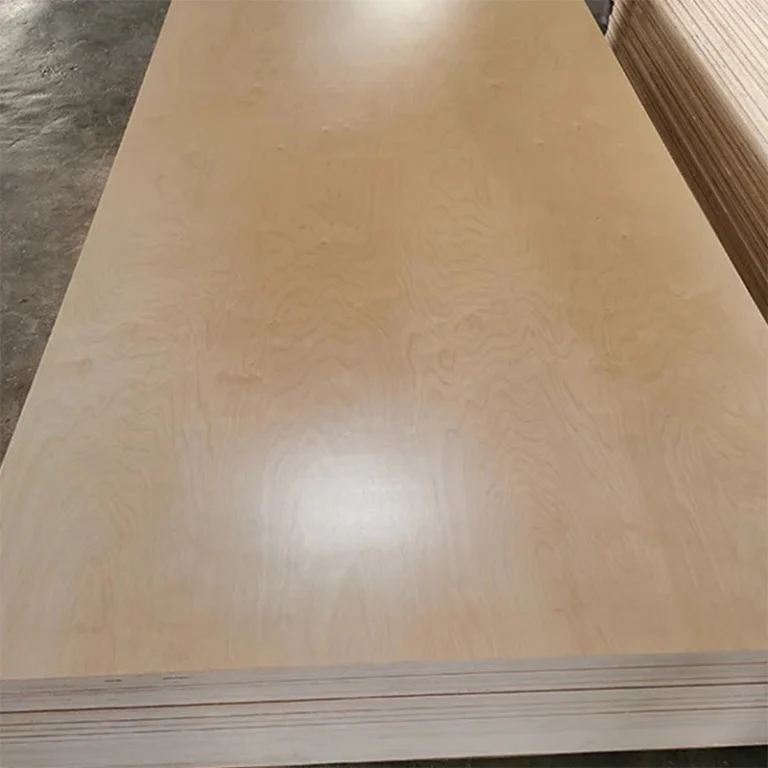
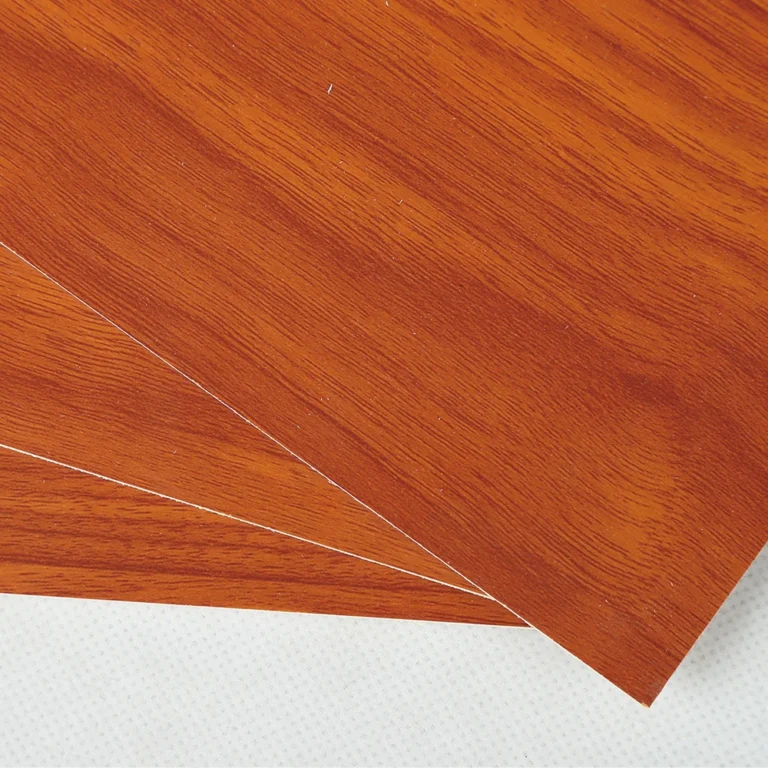
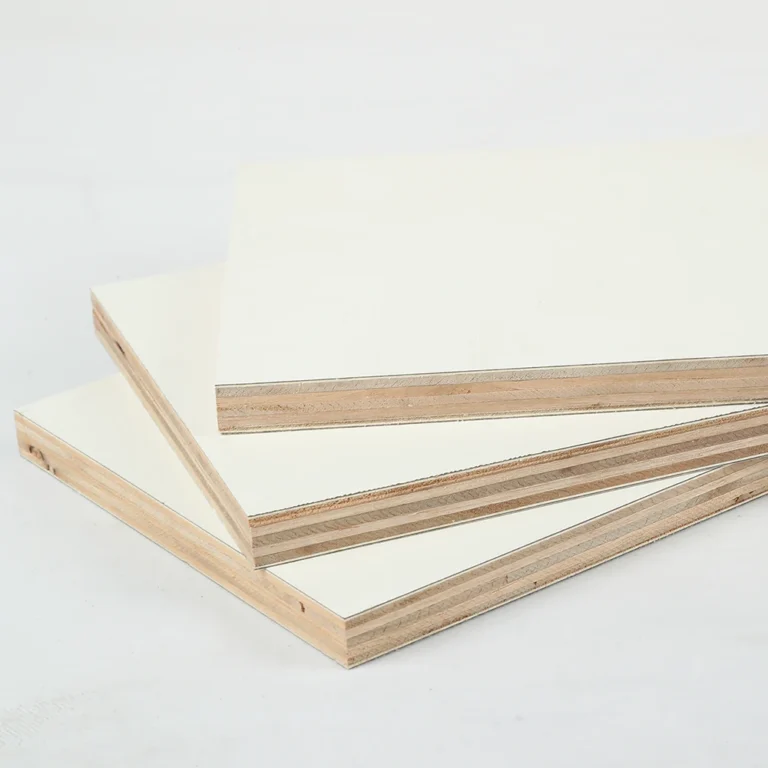
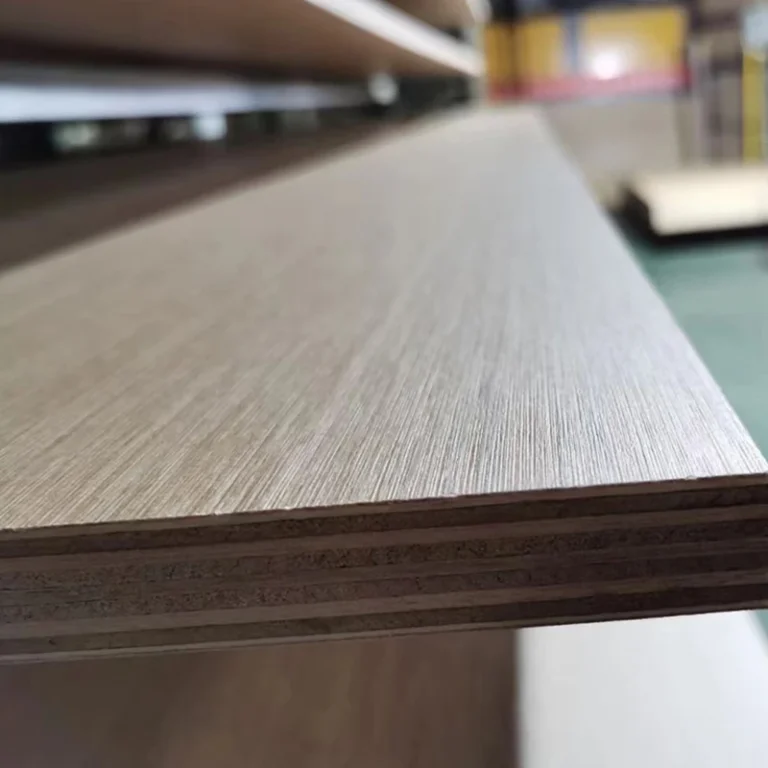
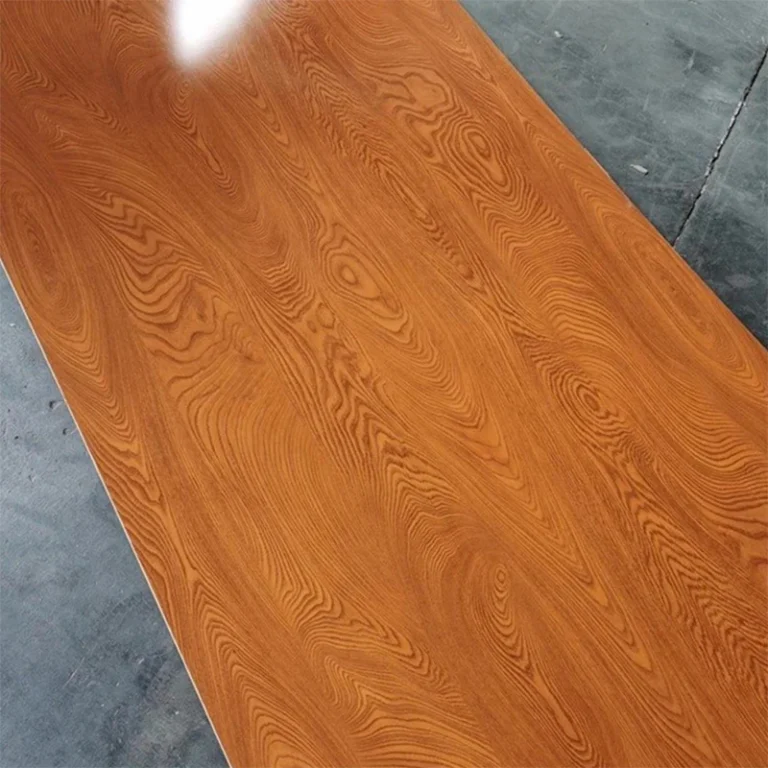
Melamine plywood is manufactured by bonding multiple layers of wood veneer together under high pressure. Decorative melamine paper is then laminated onto the surface to create a durable and attractive finish.
Key Features of Melamine Plywood
- Multi-layer wood veneer construction
- High structural strength
- Excellent screw holding capacity
- Better moisture resistance
- Long service life
- Suitable for heavy-duty cabinetry
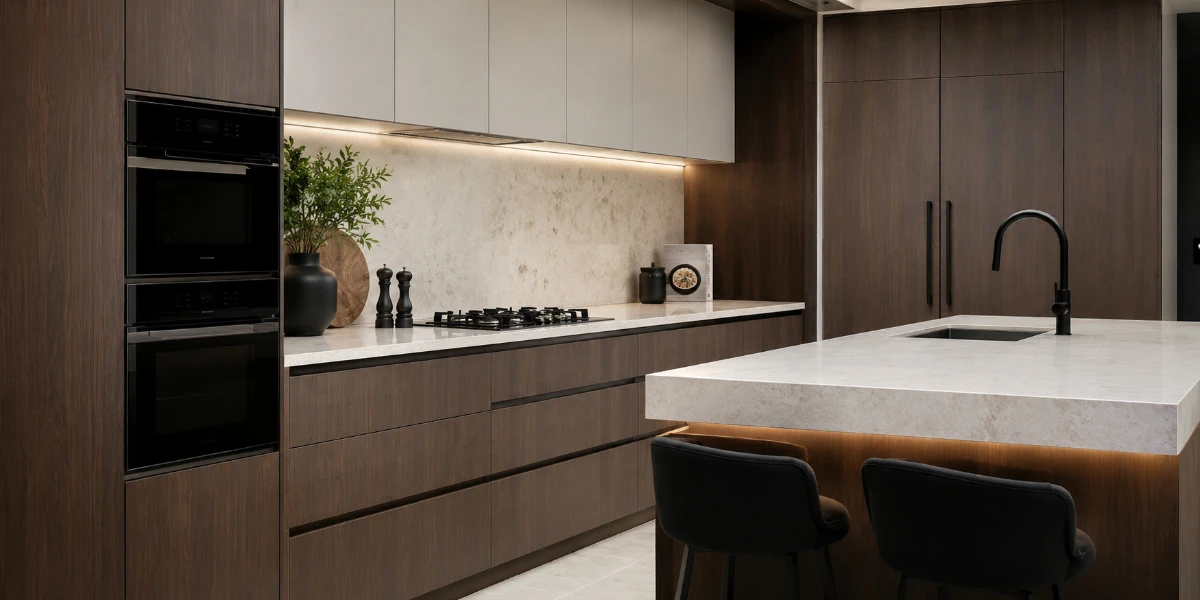
Because of its layered core, melamine plywood is commonly used in kitchen cabinets, bathroom vanities, commercial furniture, and shelving systems.
What Is Melamine MDF?
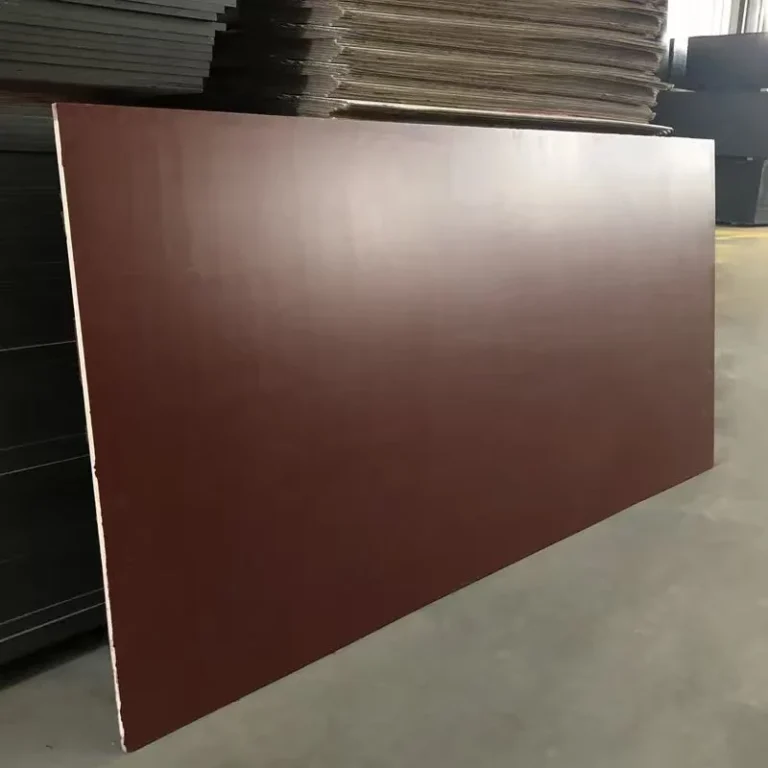
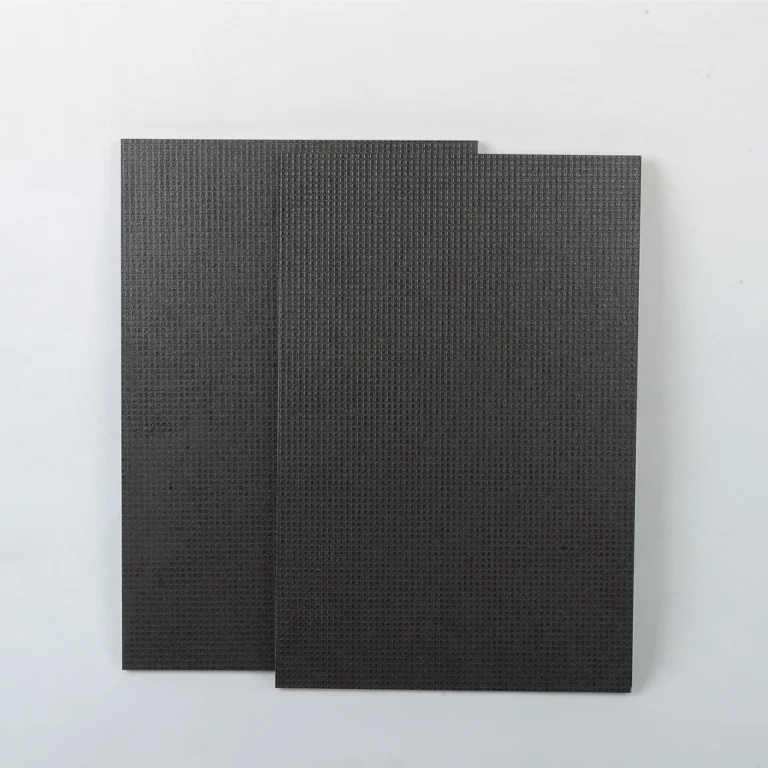
Melamine MDF (Medium Density Fiberboard) is made from fine wood fibers mixed with resin and compressed into dense panels. A melamine decorative layer is applied to the surface to improve appearance and wear resistance.
Key Features of Melamine MDF
- Smooth and uniform surface
- Easy to machine and cut
- Consistent density
- Cost-effective solution
- Ideal for decorative furniture
- Available in many colors and finishes
Melamine MDF is often chosen for wardrobes, bedroom furniture, office cabinets, and decorative interior applications.
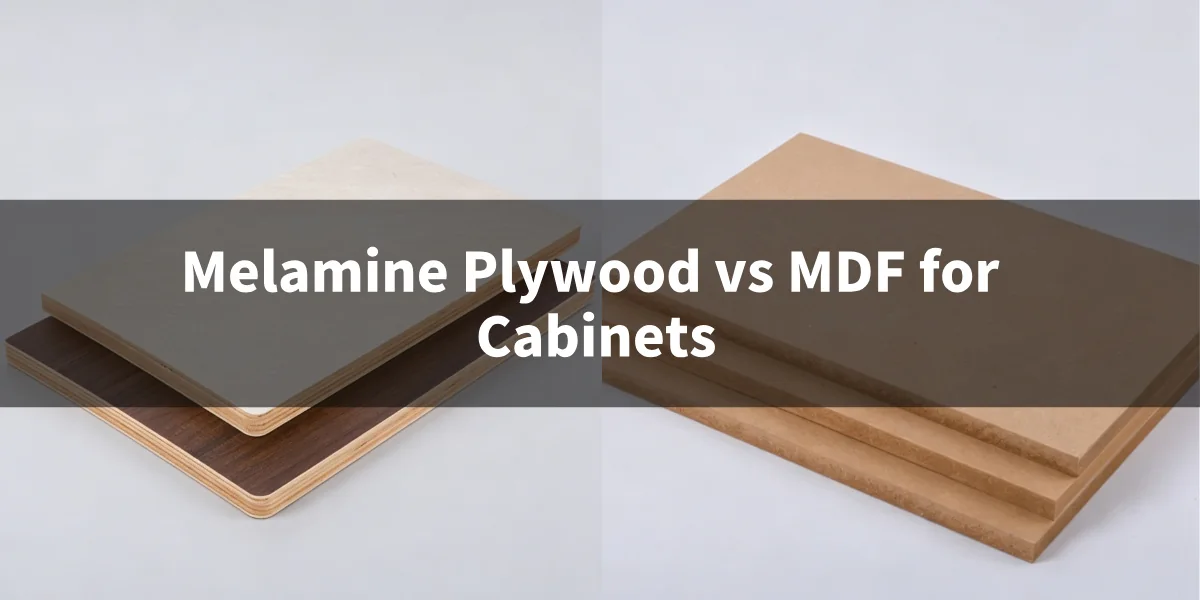
Melamine Plywood vs MDF: Structural Differences
The biggest difference between the two materials is their internal structure.
Melamine Plywood Structure
Melamine plywood consists of multiple wood veneer layers arranged with alternating grain directions.
Benefits include:
- Greater load-bearing capacity
- Improved dimensional stability
- Reduced warping
- Better impact resistance
Melamine MDF Structure
Melamine MDF contains compressed wood fibers distributed evenly throughout the panel.
Benefits include:
- Smooth edges
- Uniform density
- Excellent surface flatness
- Easy machining
Which Structure Is Stronger?
The layered construction of plywood creates a stronger and more stable board than MDF. This makes plywood better suited for cabinets that must support heavy loads or frequent use.
Moisture Resistance: Which Performs Better?
Moisture exposure is one of the most common causes of cabinet failure, especially in kitchens and bathrooms.
Melamine Plywood Moisture Resistance
Plywood naturally performs better in humid environments because its veneer structure limits water absorption and swelling.
Advantages include:
- Better dimensional stability
- Reduced swelling
- Longer lifespan in humid conditions
- More reliable performance around sinks and appliances
Melamine MDF Moisture Resistance
Standard MDF can absorb water through exposed edges if not properly sealed.
Potential issues include:
- Edge swelling
- Surface deformation
- Reduced structural integrity
- Shorter lifespan in wet environments
Moisture-resistant MDF grades are available, but they generally still cannot match the performance of quality plywood.
Best Choice for Kitchens and Bathrooms
For kitchen cabinets, bathroom vanities, and laundry room furniture, plywood is usually the preferred option.
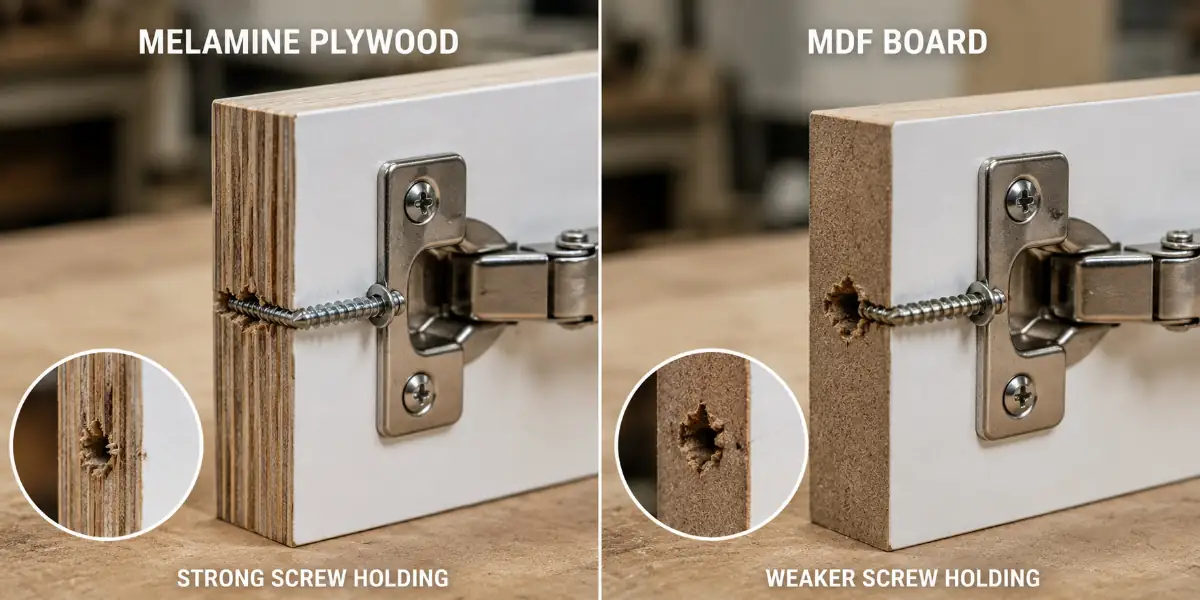
Screw Holding Strength: Plywood vs MDF
Cabinets rely heavily on screws for hinges, drawer runners, handles, and assembly fittings.
Screw Holding Performance of Melamine Plywood
Because plywood contains continuous wood veneers, screws can achieve a stronger grip.
Benefits:
- Better hinge support
- Higher pull-out resistance
- Improved cabinet stability
- Suitable for repeated assembly
Screw Holding Performance of Melamine MDF
MDF performs adequately for many furniture applications but has limitations.
Challenges:
- Lower screw retention
- Edges can split or weaken over time
- Repeated screw installation may reduce holding strength
Which Material Is Better for Cabinet Hardware?
For cabinet doors and frequently used hardware, plywood provides significantly better screw holding performance.
Durability and Lifespan Comparison
Cabinets are long-term investments, making durability an important factor.
Melamine Plywood Durability
Melamine plywood offers:
- Better impact resistance
- Higher structural stability
- Improved moisture resistance
- Longer service life
It can withstand daily use in both residential and commercial environments.
Melamine MDF Durability
Melamine MDF offers:
- Good surface durability
- Smooth appearance
- Consistent finish quality
However, it is generally more vulnerable to moisture damage and impact than plywood.
Durability Comparison Table
| Feature | Melamine Plywood | Melamine MDF |
|---|---|---|
| Structural Strength | Excellent | Moderate |
| Impact Resistance | Excellent | Good |
| Moisture Resistance | Excellent | Fair |
| Screw Holding | Excellent | Fair |
| Service Life | Long | Medium |
Cost Comparison: Is MDF Cheaper Than Plywood?
Cost is often a key consideration when selecting cabinet materials.
Melamine MDF Cost
Advantages:
- Lower manufacturing cost
- More economical for large projects
- Widely available
Melamine Plywood Cost
Advantages:
- Better performance
- Longer lifespan
- Reduced maintenance and replacement costs
In many markets, melamine MDF is typically 10%–30% less expensive than melamine plywood, although prices vary depending on thickness, core quality, and decorative finish.
Which Offers Better Value?
- Lower upfront cost → MDF
- Better long-term value → Plywood
Winner for Budget Projects: Melamine MDF
Best Applications for Melamine Plywood
Melamine plywood is recommended for:
Kitchen Cabinets
Its superior moisture resistance and strength make it ideal for kitchens.
Bathroom Vanities
Plywood performs better in humid environments.
Commercial Furniture
Suitable for offices, retail stores, and public spaces.
Heavy-Duty Shelving
Offers excellent load-bearing capacity.
Laundry Room Cabinets
Handles fluctuating humidity levels effectively.
Best Applications for Melamine MDF
Melamine MDF is recommended for:
Bedroom Wardrobes
Provides a smooth decorative finish at a lower cost.
Office Furniture
Suitable for desks, storage cabinets, and partitions.
Decorative Furniture
Ideal when appearance is the primary focus.
Low-Humidity Interior Spaces
Performs well in dry indoor environments.
Quick Comparison: Melamine Plywood vs MDF
| Factor | Melamine Plywood | Melamine MDF |
|---|---|---|
| Strength | ★★★★★ | ★★★☆☆ |
| Moisture Resistance | ★★★★★ | ★★☆☆☆ |
| Screw Holding Power | ★★★★★ | ★★☆☆☆ |
| Durability | ★★★★★ | ★★★☆☆ |
| Surface Smoothness | ★★★★☆ | ★★★★★ |
| Weight | Lighter | Heavier |
| Cost | Higher | Lower |
| Long-Term Value | Excellent | Good |
Frequently Asked Questions
Is melamine plywood stronger than MDF?
Yes. Melamine plywood generally provides greater structural strength, better impact resistance, and superior screw holding capacity than MDF.
Is MDF good for kitchen cabinets?
MDF can be used for kitchen cabinets in dry environments, but plywood is usually preferred because of its better moisture resistance and durability.
Does melamine MDF swell when wet?
If moisture reaches exposed edges, MDF can absorb water and swell. Proper edge sealing helps reduce this risk.
Which lasts longer, plywood or MDF?
Plywood typically has a longer service life because it is stronger and more resistant to moisture-related damage.
Which is more expensive, melamine plywood or MDF?
Melamine plywood usually costs more than MDF due to its multi-layer veneer construction and higher performance characteristics.
Final Verdict: Which Is Better for Cabinets?
When comparing melamine plywood vs MDF for cabinets, there is no single solution for every project.
Choose melamine plywood if you need:
- Better moisture resistance
- Stronger screw holding power
- Greater durability
- Longer service life
- Premium cabinet quality
Choose melamine MDF if you need:
- Lower material costs
- Smooth decorative surfaces
- Easy machining
- Furniture for dry indoor environments
For kitchen cabinets, bathroom cabinets, and high-end furniture, melamine plywood is generally considered the better long-term investment. For wardrobes, office furniture, and budget-conscious projects, melamine MDF remains a practical and cost-effective choice.