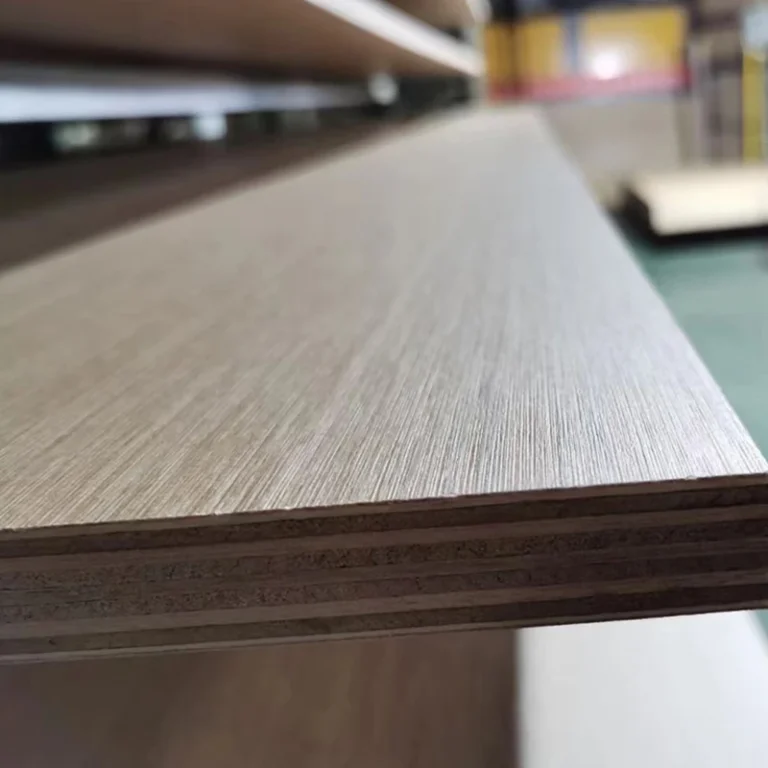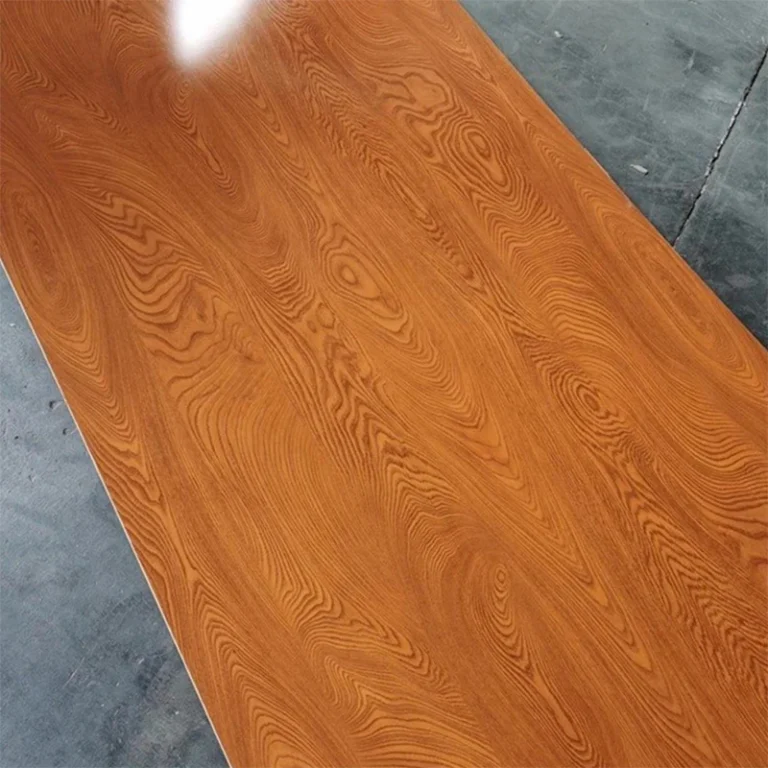
When choosing plywood for concrete formwork, many contractors compare film faced plywood vs regular plywood to find the best option in terms of durability, waterproof performance, and cost efficiency.
Although both are made from multiple layers of wood veneers, they are designed for different purposes. Regular plywood is mainly used for furniture, interior decoration, and general construction, while film faced plywood is specially designed for concrete formwork where strength, water resistance, and reuse performance are important.
Choosing the right plywood can improve concrete quality, reduce construction costs, and increase work efficiency. This article explains the key differences between film faced plywood and regular plywood.
Why Plywood Choice Matters in Concrete Construction
Concrete formwork must support fresh concrete while resisting pressure, moisture, and repeated use. Poor-quality plywood may absorb water, deform, or stick to concrete surfaces, causing:
- Uneven concrete finishes
- Higher labor costs
- More frequent replacement
- Increased project expenses
For professional construction projects, plywood with good waterproof performance, strength, and surface quality is essential.
What Is Film Faced Plywood?
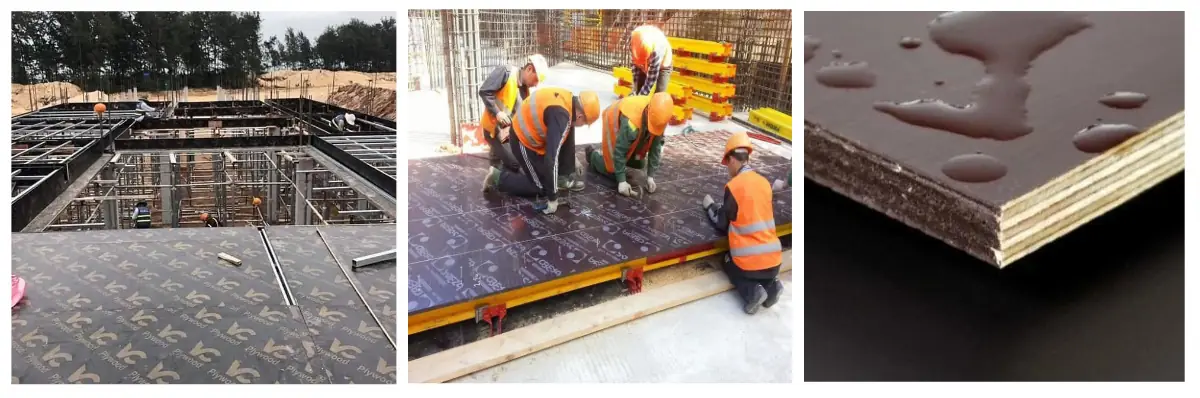
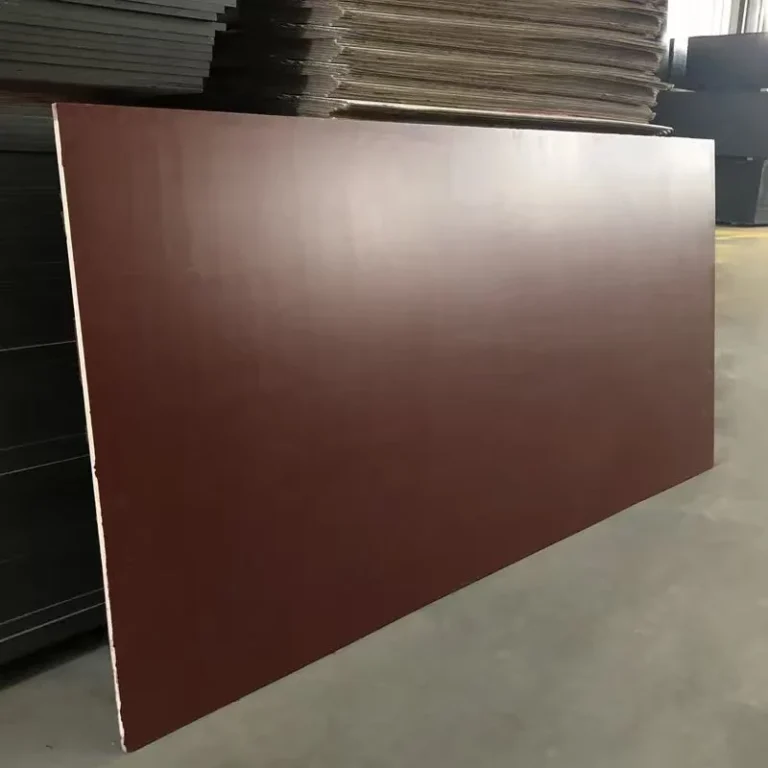
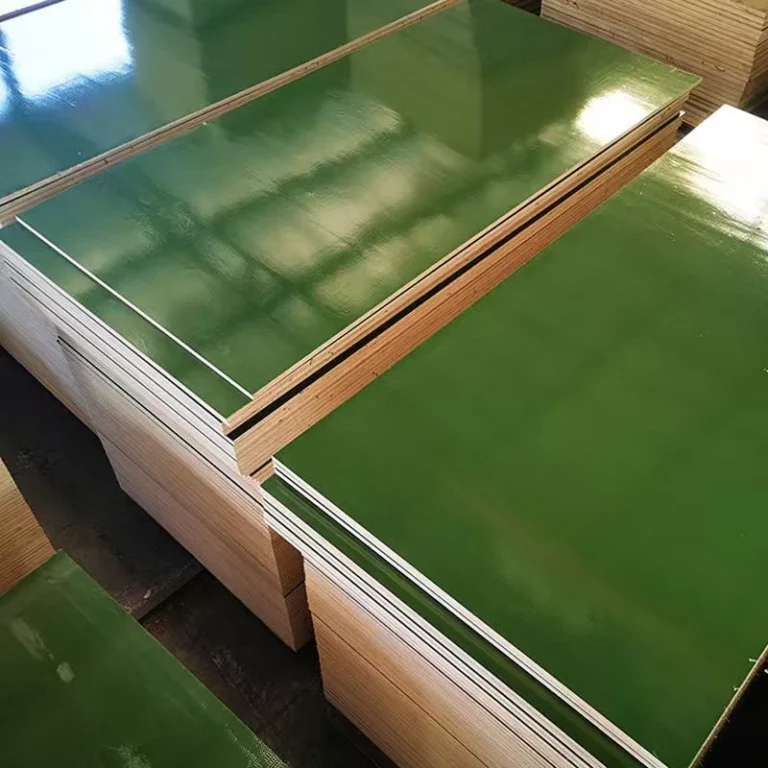
Film faced plywood is a construction-grade plywood panel covered with a waterproof phenolic film on both sides. This protective coating improves:
- Water resistance
- Surface durability
- Concrete release performance
- Reuse cycles
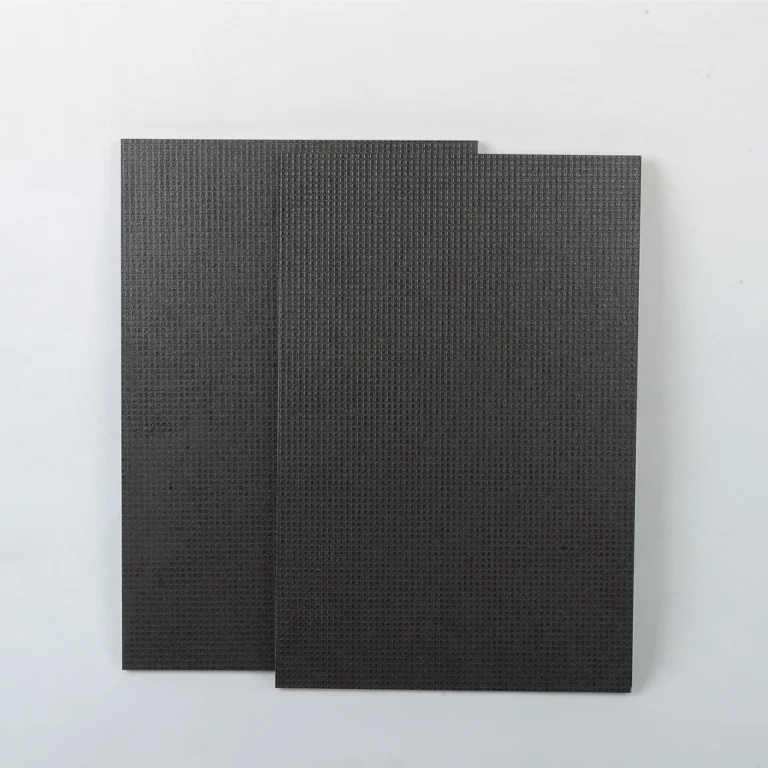
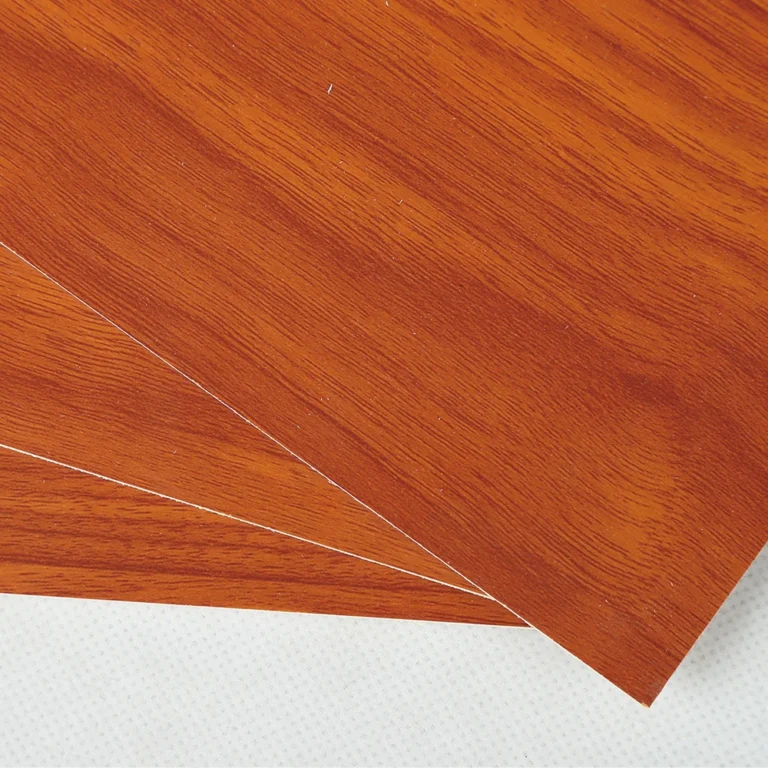
Common types include red film faced plywood, brown film faced plywood, and black film faced plywood. The core materials can include poplar, eucalyptus, hardwood, birch, or combi veneers depending on project requirements.
Phenolic Film Coating
The phenolic resin film is the key feature of film faced plywood. It creates a strong protective layer that helps prevent moisture penetration, improves abrasion resistance, and makes concrete demolding easier.
Waterproof Performance
Film faced plywood usually uses waterproof glue systems such as WBP phenolic glue or WBP melamine glue. This allows it to maintain stability in wet environments and during repeated concrete casting.
Smooth Concrete Surface
The smooth film surface helps create cleaner concrete finishes with fewer defects. It also reduces additional finishing work after removing the formwork.
What Is Regular Plywood?
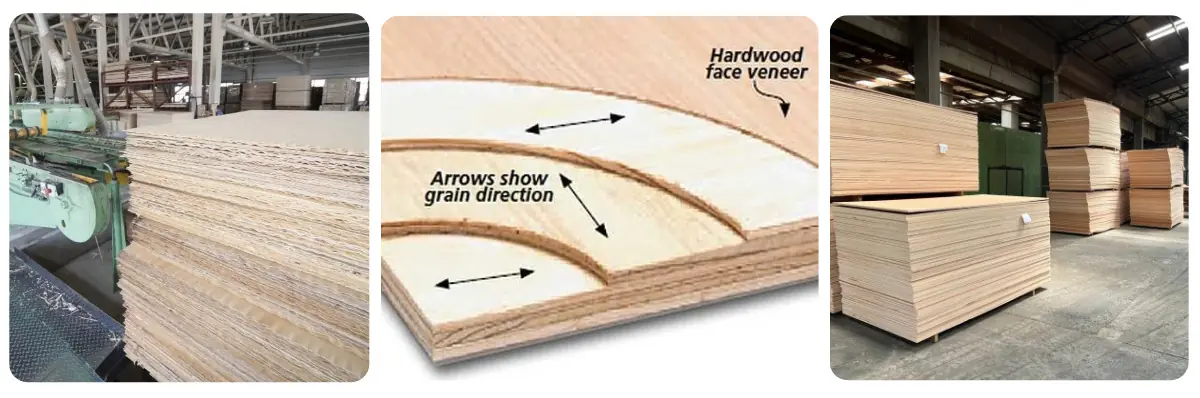
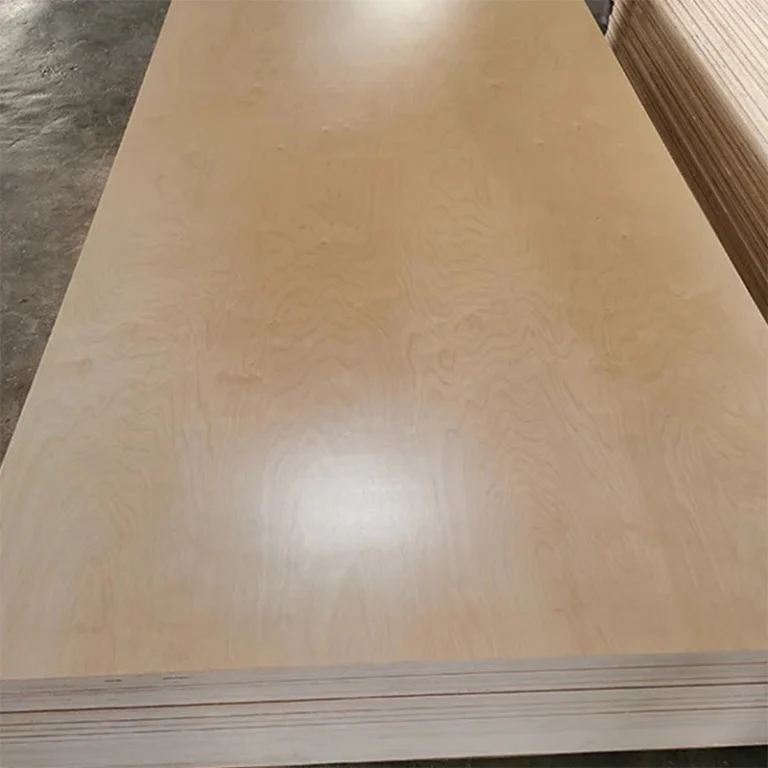
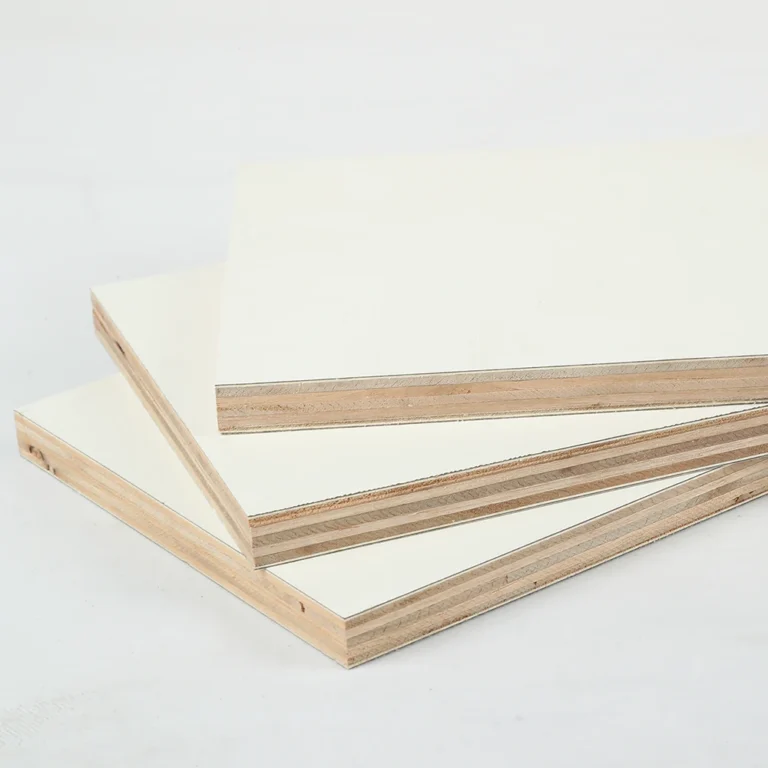
Regular plywood is a general-purpose engineered wood panel made by bonding several layers of wood veneers together.
It is commonly used for:
- Furniture
- Cabinets
- Interior decoration
- Flooring
- General building applications
The quality of regular plywood depends on veneer type, glue quality, thickness, and manufacturing process. However, standard plywood is usually not designed for repeated exposure to wet concrete.
Key Differences Between Film Faced Plywood and Regular Plywood
| Comparison | Film Faced Plywood | Regular Plywood |
|---|---|---|
| Main Application | Concrete formwork | Furniture and general use |
| Surface | Phenolic film coating | Wood veneer surface |
| Waterproof Performance | Excellent | Depends on grade |
| Concrete Release | Easy demolding | May stick to concrete |
| Reuse Times | Multiple cycles | Limited reuse |
| Surface Finish | Smooth concrete surface | Average finish |
| Cost | Higher initial cost | Lower price |
1. Waterproof Performance
Water resistance is one of the biggest advantages of film faced plywood.
During concrete construction, plywood is exposed to water, cement slurry, humidity, and outdoor conditions. The waterproof film and adhesive system help prevent:
- Swelling
- Delamination
- Warping
- Strength loss
Regular plywood may absorb moisture quickly and lose performance after repeated exposure.
Winner: Film faced plywood
2. Surface Finish
Concrete formwork quality directly affects the final appearance of concrete.
Film faced plywood provides a smooth and uniform surface, helping produce cleaner walls and reducing finishing work.
Regular plywood may transfer wood grain patterns, absorb cement slurry, and create uneven textures.
Winner: Film faced plywood
3. Reuse Cycles
For contractors, reuse performance is an important cost factor.
Film faced plywood is manufactured for repeated construction use. The actual service life depends on plywood quality, handling methods, and storage conditions. Read our guide about film faced plywood reuse times to understand its expected performance. With proper handling and storage, it can be reused multiple times.
Regular plywood usually has fewer reuse cycles because moisture can damage the veneer layers and reduce strength.
Although film faced plywood costs more initially, its longer service life can lower the cost per use.
Winner: Film faced plywood
4. Strength and Stability
Concrete creates high pressure on formwork panels. Film faced plywood offers better stability due to:
- Strong veneer structure
- Waterproof adhesive
- Protective surface coating
It performs well in large concrete projects, outdoor construction, and long pouring periods.
Regular plywood may work for light-duty applications but is less suitable for demanding formwork projects.
Winner: Film faced plywood
5. Cost Difference
Regular plywood usually has a lower purchase price, while film faced plywood requires a higher initial investment.
However, the total cost should consider:
- Reuse cycles
- Labor efficiency
- Replacement frequency
- Concrete finishing costs
For large construction projects, film faced plywood often provides better long-term value.
Which One Should You Choose?
Residential Construction
For small concrete projects such as house foundations and low-rise buildings, film faced plywood is recommended when you need:
- Better concrete appearance
- Multiple uses
- Higher durability
For one-time temporary use, regular plywood may be considered.
Large-Scale Construction Projects
For high-rise buildings, bridges, commercial buildings, and infrastructure projects, film faced plywood is the preferred choice because it offers:
- Better waterproof protection
- Higher durability
- More reuse cycles
- Lower long-term costs
Temporary Structures
Regular plywood may be suitable for short-term applications where waterproof performance and surface quality are not important.
However, for direct contact with wet concrete, film faced plywood remains the safer option.
How to Choose Film Faced Plywood for Concrete Formwork?
When purchasing film faced plywood, consider:
Core Quality
A strong core improves load-bearing capacity, stability, and reuse performance. Common cores include:
- Poplar
- Eucalyptus
- Hardwood
- Birch
Thickness
Common thickness options include:
- 12mm
- 15mm
- 18mm
- 21mm
The right thickness depends on concrete pressure and formwork design.
Glue Quality
Choose plywood with waterproof bonding systems such as WBP phenolic glue for better durability in construction environments.
Film Quality
High-quality phenolic film should provide:
- Uniform coating
- Good wear resistance
- Strong edge protection
Conclusion
When comparing film faced plywood vs regular plywood, film faced plywood is the better choice for professional concrete formwork applications.
Although regular plywood has a lower initial cost, it cannot match film faced plywood in:
- Waterproof performance
- Concrete surface quality
- Reuse cycles
- Structural stability
- Long-term cost efficiency
For commercial construction and large-scale concrete projects, film faced plywood provides better performance, durability, and overall value.