Introduction
One of the most common questions from contractors and construction material buyers is:
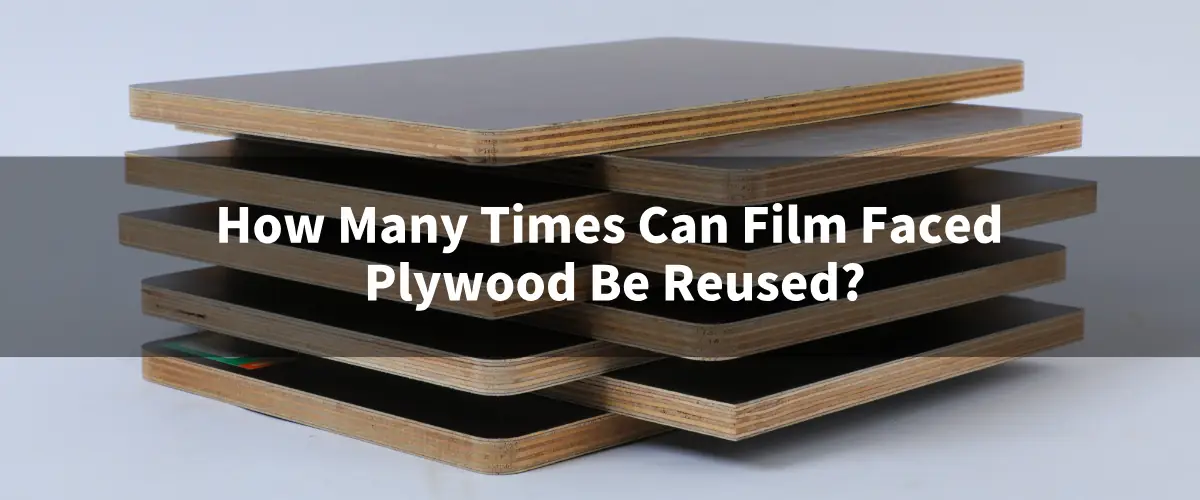
How many times can film faced plywood be reused?
The answer is not fixed. The reuse cycles of film faced plywood depend on material quality, core structure, film surface, job site conditions, and maintenance practices.
In most construction projects, film faced plywood reuse times typically range from 5 to 40 cycles depending on grade and usage conditions.
This guide explains real-world reuse performance, key influencing factors, and practical methods to extend plywood lifespan in concrete formwork applications.
What Is Film Faced Plywood?
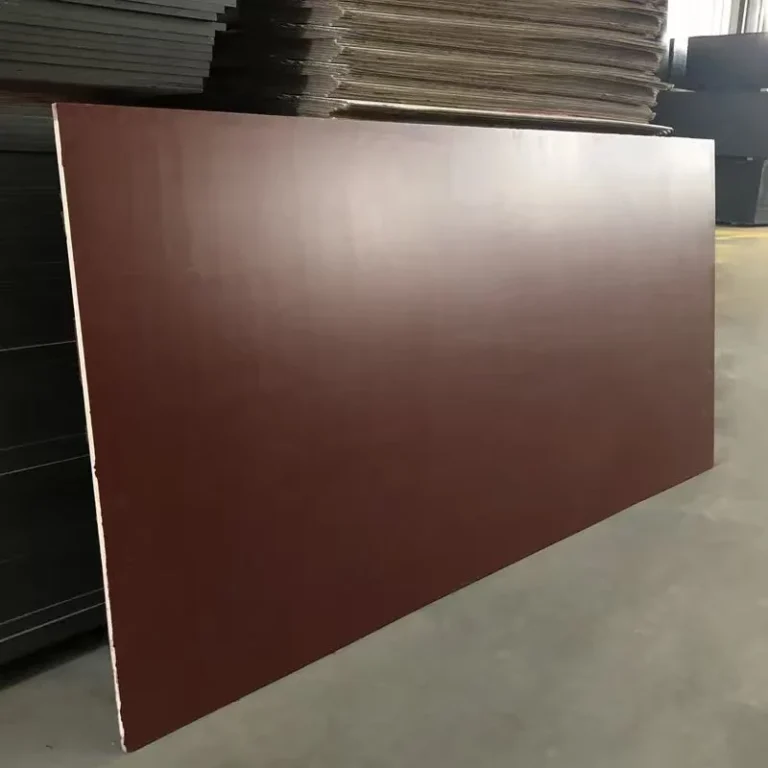
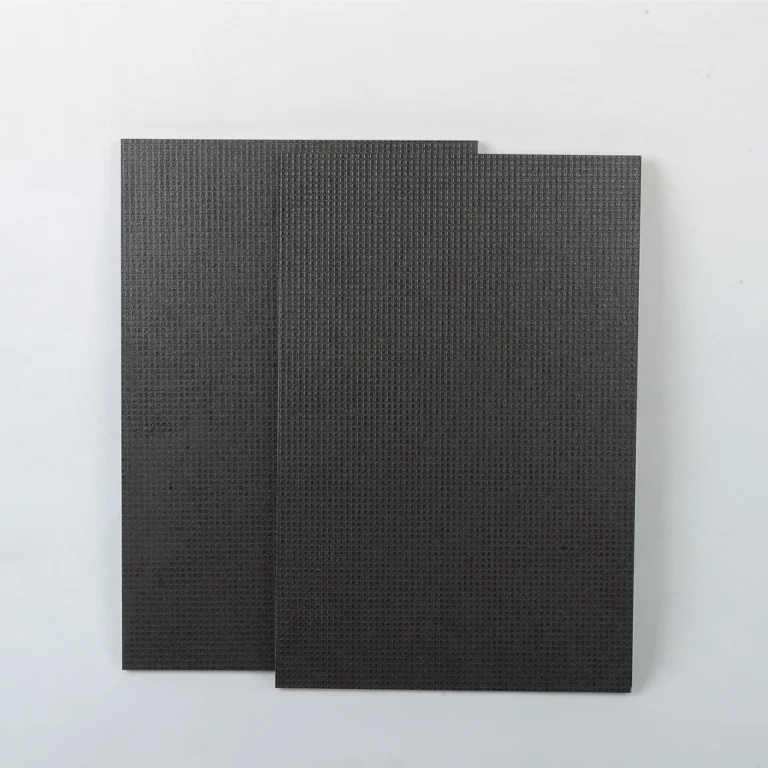
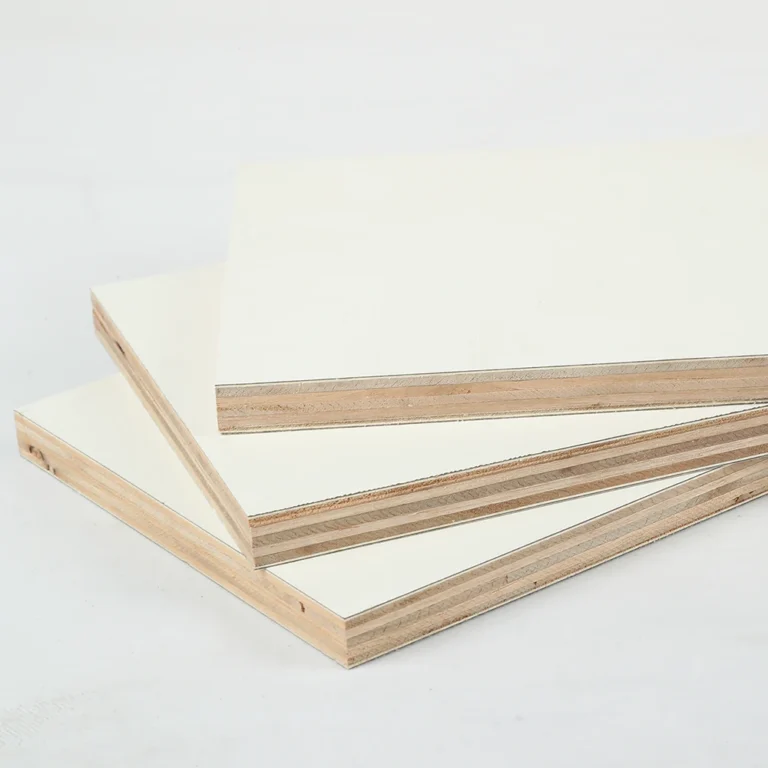
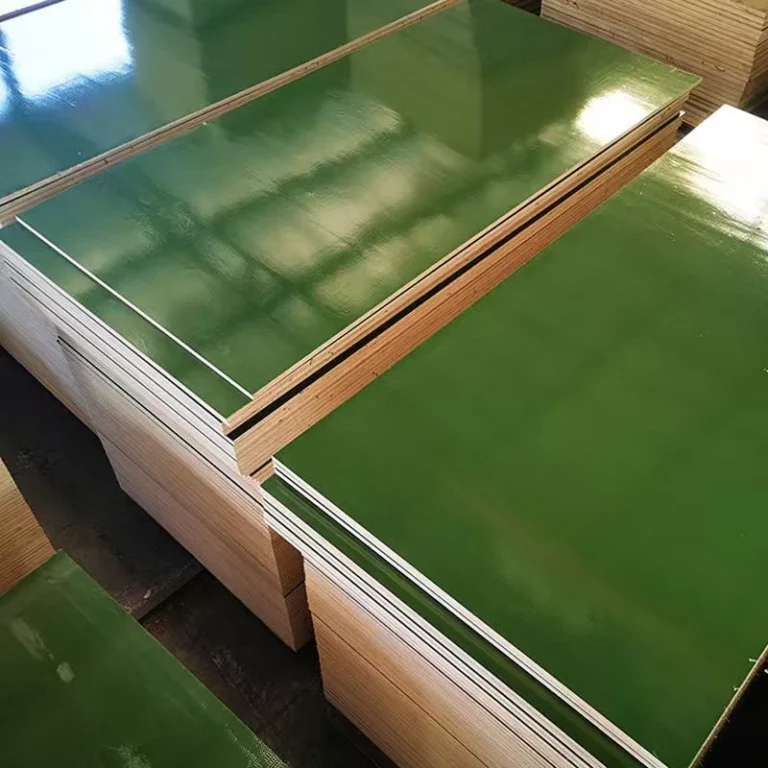
Film faced plywood is a construction-grade plywood panel coated with a waterproof phenolic film on both sides. It is widely used in concrete formwork systems due to its stability and surface durability.
Key features include:
- Smooth concrete finishing surface
- Water and moisture resistance
- Good load-bearing strength
- Easy demolding performance
- Suitable for multiple reuse cycles
Compared with standard plywood, film faced plywood is designed specifically for repeated exposure to wet concrete and outdoor construction environments.
Film Faced Plywood Reuse Times (Real-World Data)
Reuse cycles vary depending on product grade and site management.
Typical reuse ranges:
| Plywood Grade | Real Job Site Reuse Times | Well-Maintained Conditions |
|---|---|---|
| Economy Grade (mixed core) | 5–8 times | 8–10 times |
| Standard Hardwood Core | 10–15 times | 15–20 times |
| Premium Eucalyptus Core | 15–25 times | 25–30 times |
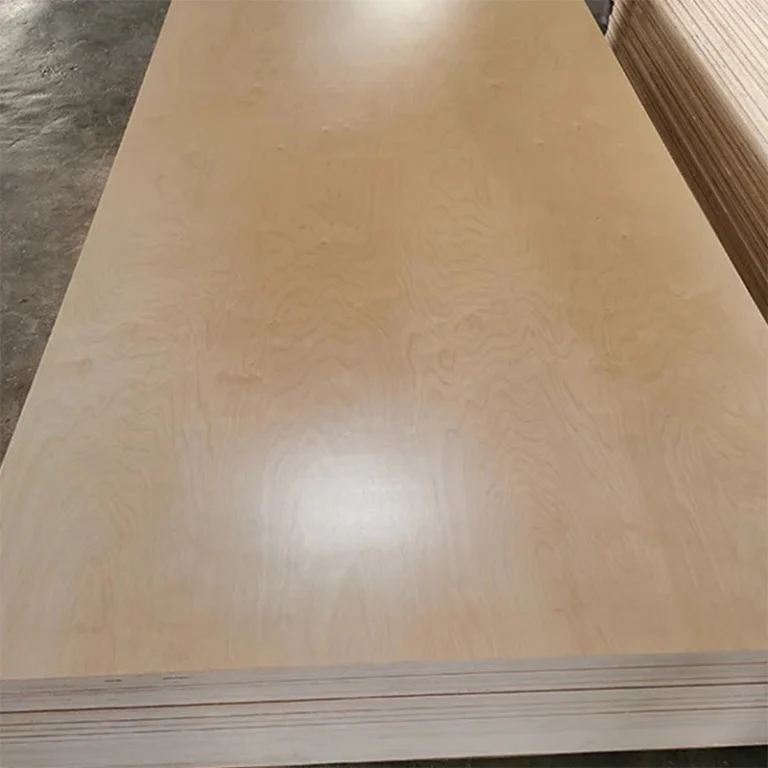
| High-End Birch / Full Hardwood Core | 25–35 times | 35–40+ times |
In general, most commercial construction projects achieve around 10–30 reuse cycles.
Higher values are possible but depend strongly on strict handling and maintenance practices.
Key Factors Affecting Reuse Cycles
1. Core Material Quality
The plywood core is the most important factor affecting durability.
High-density hardwood cores such as eucalyptus or birch provide:
- Better structural stability
- Stronger screw holding power
- Lower risk of delamination
- Improved resistance to deformation
Lower-grade mixed cores tend to degrade faster under repeated concrete pressure.
2. Phenolic Film Quality
The surface film protects plywood from water and abrasion.
Common film specifications include:
- 120g/m²: basic protection, shorter lifespan
- 180g/m²: standard construction use
- 220g/m²+: heavy-duty applications
Higher-quality film generally improves wear resistance and surface durability.
3. Concrete Release Agent Usage
Proper use of release agents helps reduce direct adhesion between concrete and plywood surface.
Benefits include:
- Easier stripping after pouring
- Reduced surface damage
- Cleaner concrete finish
- Longer service life
4. Handling and Storage Conditions
Improper handling is one of the main causes of premature plywood failure.
Common issues include:
- Dropping or dragging panels
- Exposure to rain and direct sunlight
- Uneven stacking during storage
- Lack of edge protection after cutting
Proper handling and storage can significantly improve long-term performance.
How to Extend Film Faced Plywood Lifespan
To maximize reuse cycles, the following practices are widely used in construction projects:
Clean After Each Use
Remove concrete residue immediately after demolding to prevent surface hardening and damage.
Seal Cut Edges
All cut edges should be sealed with waterproof coating to prevent moisture penetration.
Store Properly
Keep plywood:
- Flat and dry
- Covered from rain and sunlight
- On level ground with support
Repair Minor Damage
Small surface damage can often be repaired before the next use cycle.
Use Compatible Release Agents
Choose suitable release agents to improve stripping performance and protect surface film.
When Should Film Faced Plywood Be Replaced?
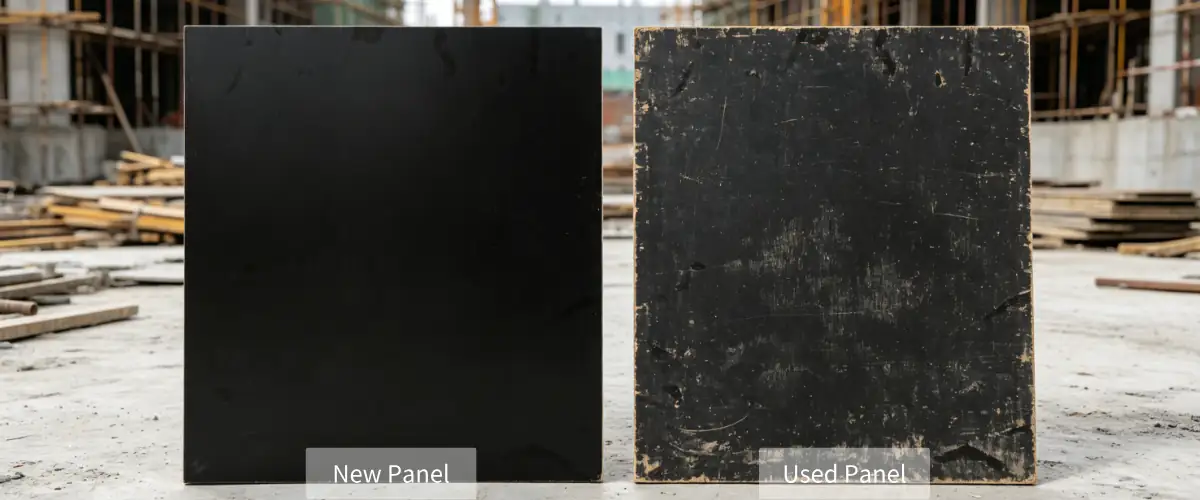
Replace plywood panels when the following issues appear:
- Delamination of layers
- Core swelling or cracking
- Severe warping
- Large-area film peeling
- Poor concrete surface quality
Continuing to use damaged panels may affect structural quality and increase labor costs.
Film Faced Plywood vs Plastic Formwork
| Feature | Film Faced Plywood | Plastic Formwork |
|---|---|---|
| Cost | Lower initial cost | Higher initial cost |
| Reuse Cycles | 5–40+ times | 30–100+ times |
| Weight | Moderate | Lightweight |
| Repairability | Easy to repair | Limited repair options |
| Concrete Finish | Smooth finish | Smooth finish |
Plastic formwork may offer higher reuse cycles, but film faced plywood remains widely used due to lower cost and flexibility in complex construction structures.
Is Film Faced Plywood Cost-Effective?
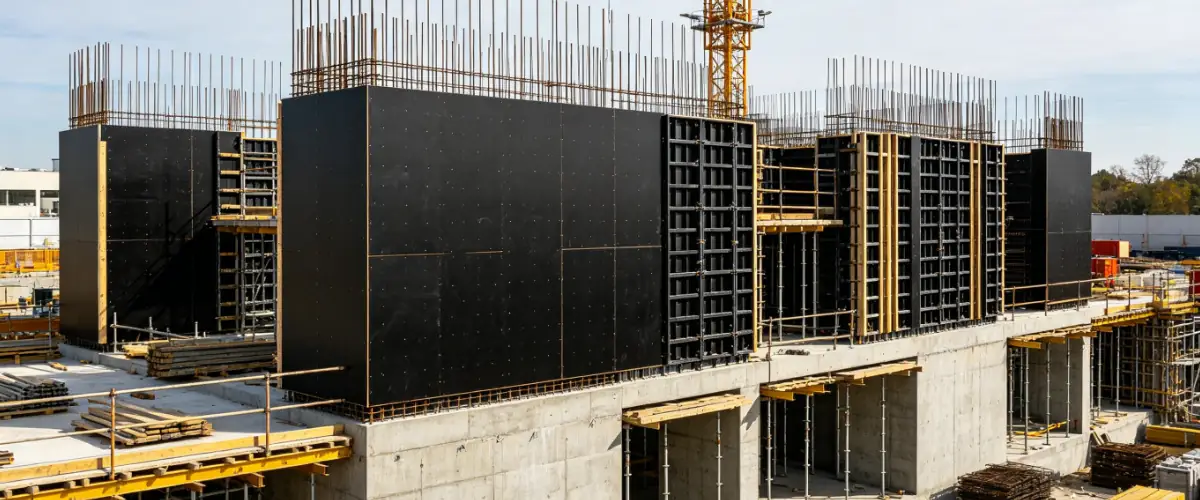
Film faced plywood is generally considered a cost-effective formwork material when evaluated on a per-use basis.
For example:
If one panel is reused multiple times across different pours, the cost per use becomes significantly lower compared to single-use materials.
This is one of the main reasons it is widely used in global construction projects.
Conclusion
Film faced plywood reuse times typically range from 5 to 40 cycles, depending on material quality and construction site conditions.
High-quality hardwood core plywood with durable phenolic film provides better stability and lower cost per use in long-term projects.
For contractors and construction companies, selecting the right grade of film faced plywood and applying proper maintenance practices is key to improving efficiency and reducing project costs.
Looking for Reliable Film Faced Plywood?
We supply high-quality film faced plywood with stable performance for global construction projects. Contact us for specifications, pricing, and samples tailored to your requirements.