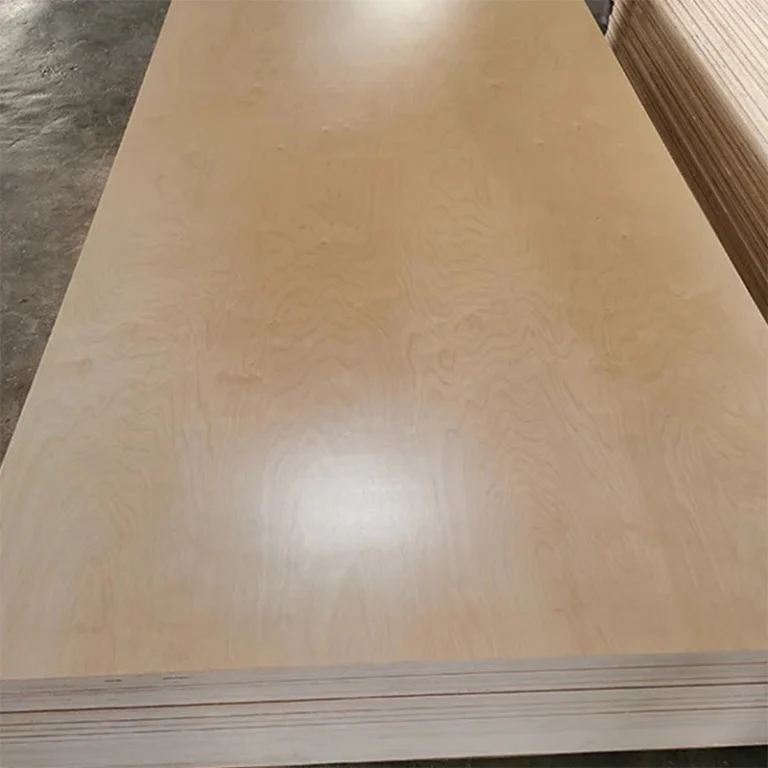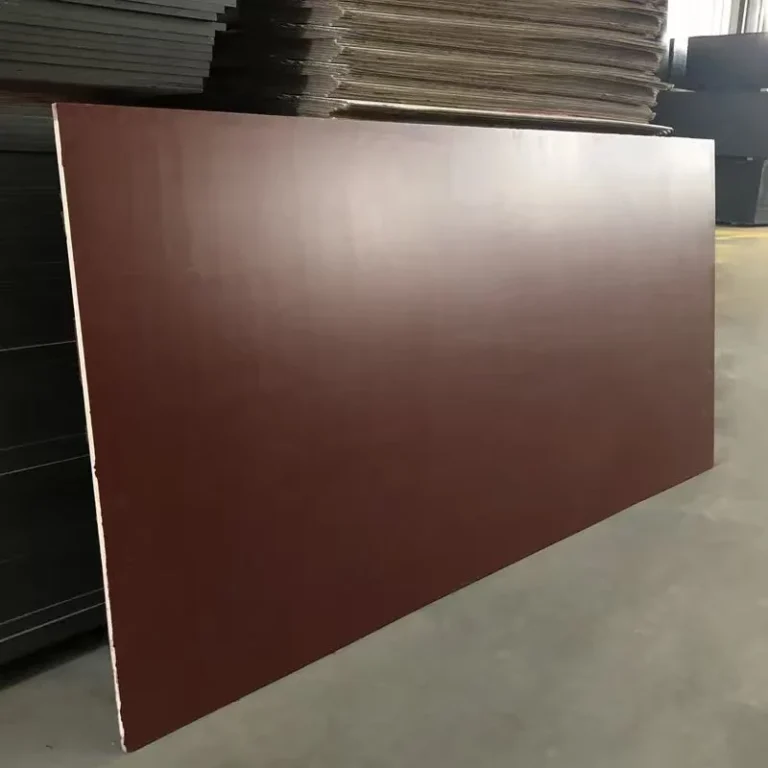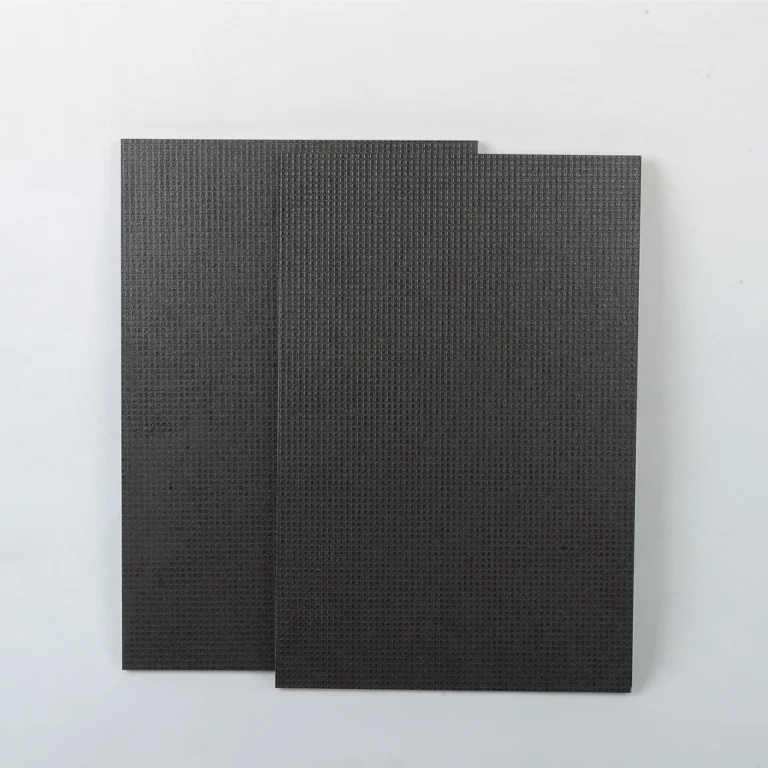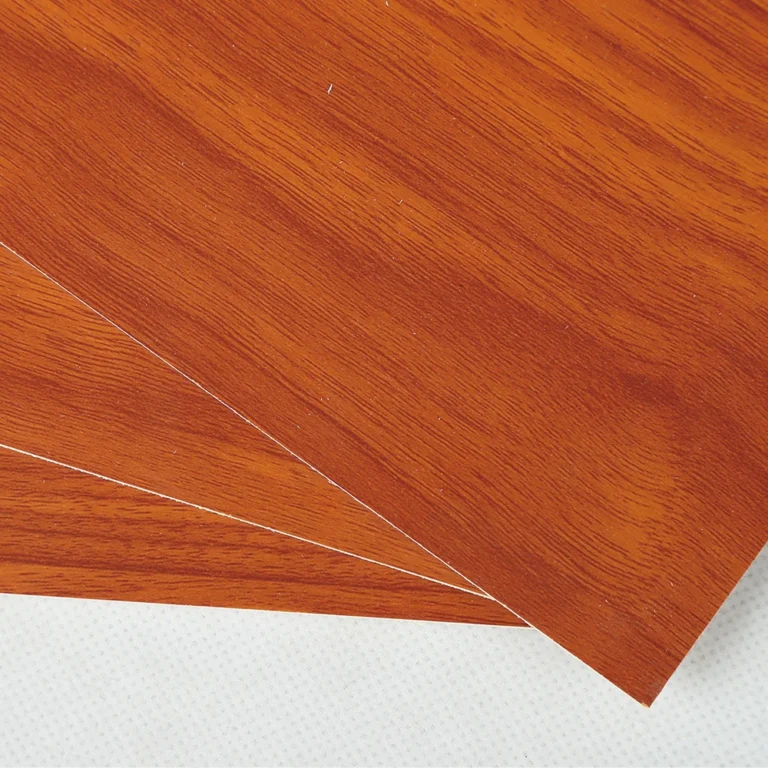
If you’re planning to buy melamine plywood, this Melamine Plywood Buying Guide will help you choose the right product with confidence. Choosing the right panel is about much more than color and price. The wrong thickness, low-quality core, or unsuitable glue can affect furniture durability, machining efficiency, and long-term performance.
This melamine plywood buying guide explains the 10 most important factors every importer, furniture manufacturer, cabinet producer, wholesaler, and building material distributor should evaluate before placing an order.
Whether you’re sourcing from Vietnam or comparing suppliers worldwide, this guide will help you make a smarter purchasing decision.
What Is Melamine Plywood?
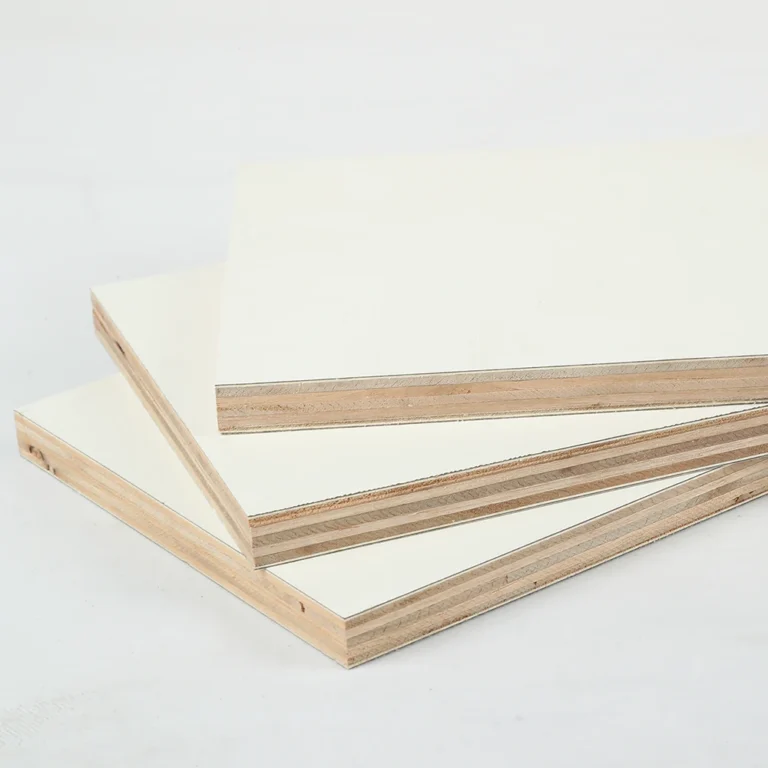
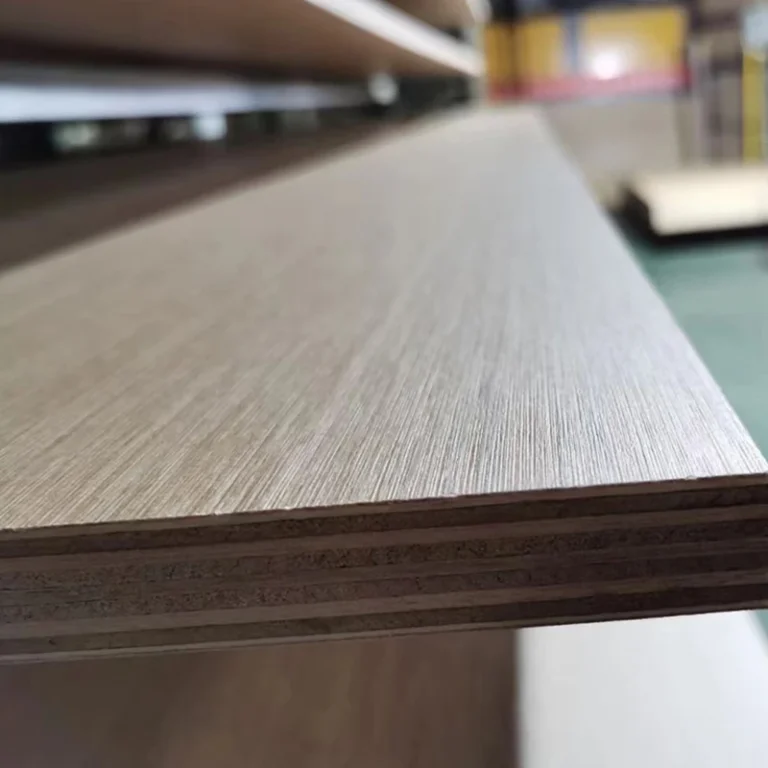
Melamine plywood is a plywood panel laminated with decorative melamine-impregnated paper under high temperature and pressure. It combines the structural strength of plywood with a decorative, scratch-resistant, and easy-to-clean surface.
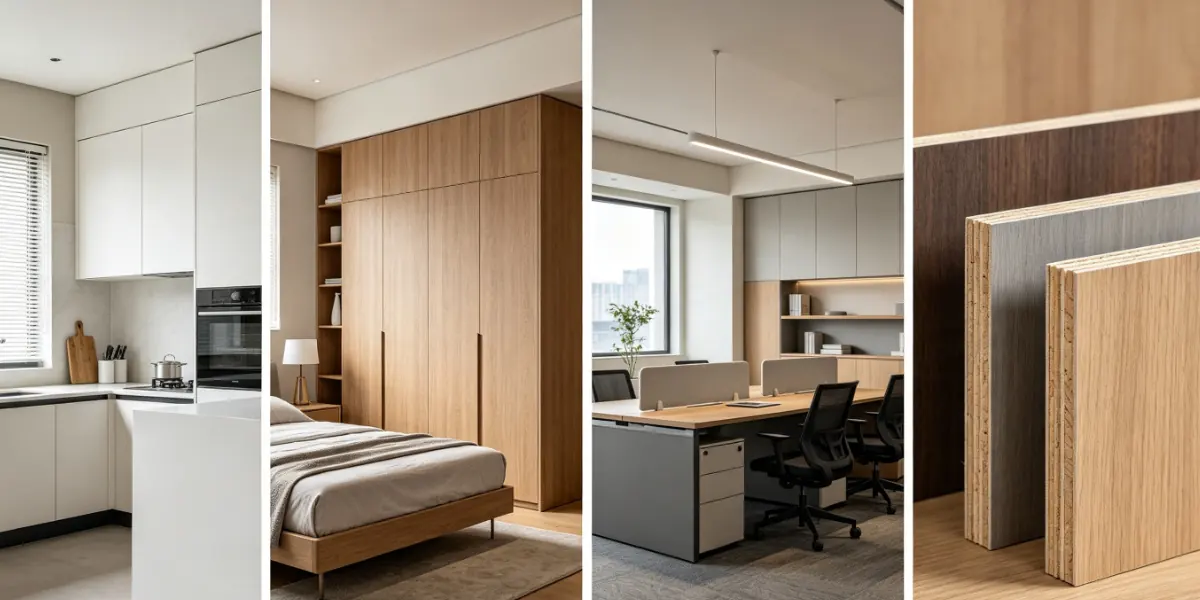
It is widely used for:
- Kitchen cabinets
- Wardrobes
- Office furniture
- Display shelves
- Interior wall panels
- Commercial furniture
- Hotel interiors
If you’re new to this material, read our Complete Guide to Melamine Plywood: Is It the Right Choice for Your Home? before continuing.
1. Choose the Right Thickness
Thickness directly affects load capacity, stability, machining performance, and project cost.
Common thicknesses include:
| Thickness | Typical Applications |
|---|---|
| 5–9 mm | Drawer bottoms, decorative panels |
| 12 mm | Shelves, lightweight furniture |
| 15 mm | Cabinets, wardrobes |
| 18 mm | Kitchen cabinets, office furniture |
| 25 mm | Countertops, heavy-duty shelving |
Buying Tip
For most furniture manufacturing, 18 mm melamine plywood provides the best balance between strength and cost.
2. Check the Core Material
Not all melamine plywood is built the same.
The decorative surface may look identical, but the internal core determines strength, screw holding, weight, and durability.
Common core options include:
| Core | Advantages | Best For |
|---|---|---|
| Poplar | Lightweight, economical | Residential furniture |
| Hardwood | Stronger and denser | Commercial furniture |
| Birch | Excellent screw holding | Premium cabinets |
| Eucalyptus | High strength | Heavy-duty applications |
| Combi Core | Good balance of cost and performance | Export markets |
Buying Tip
Always ask suppliers about:
- Core composition
- Void-free construction
- Core repair standards
Low-quality cores often contain gaps that reduce panel strength.
3. Evaluate Surface Finish
The decorative melamine surface determines appearance and maintenance requirements.
Popular finishes include:
- Matte
- Glossy
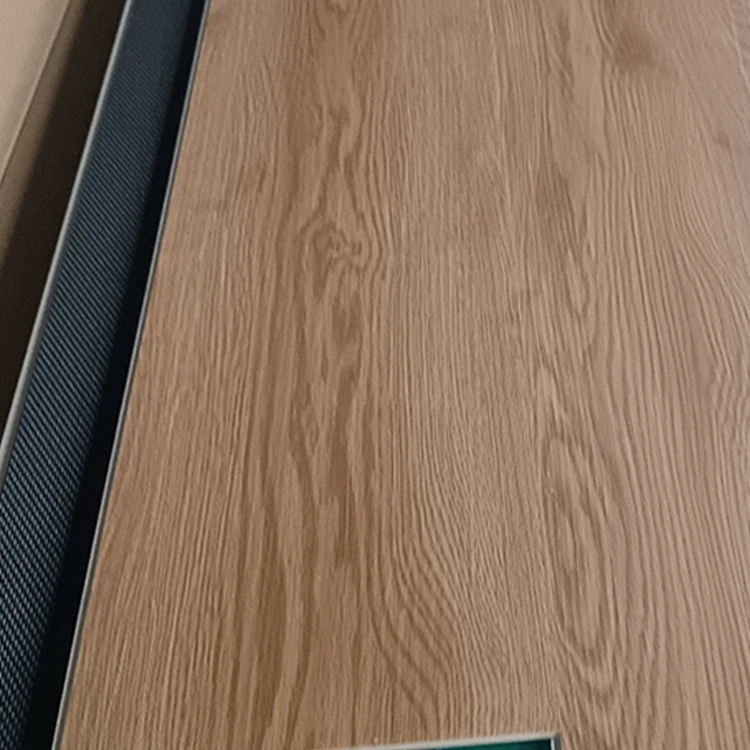
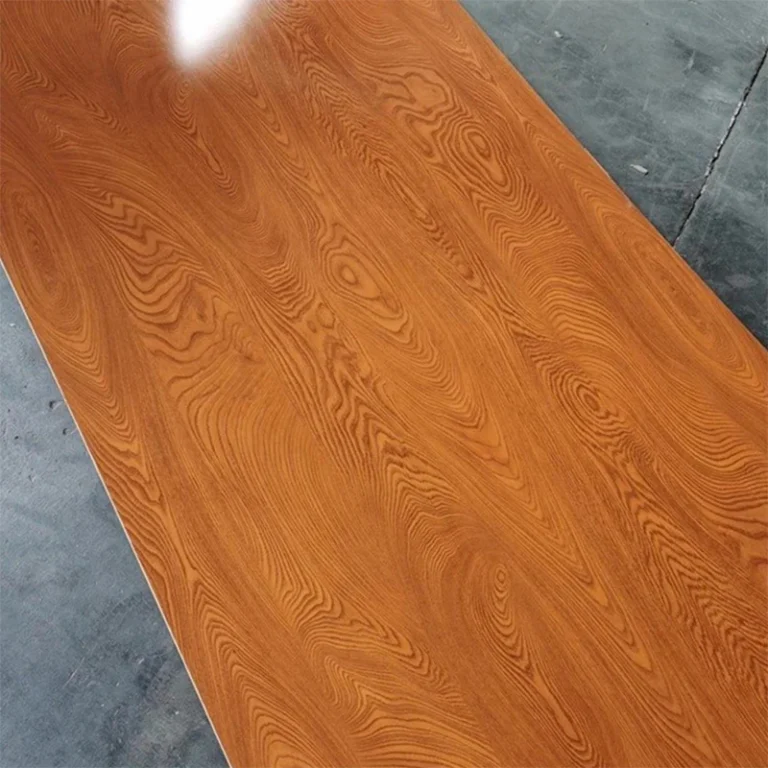
- Wood Grain
- Embossed Texture
- Linen Finish
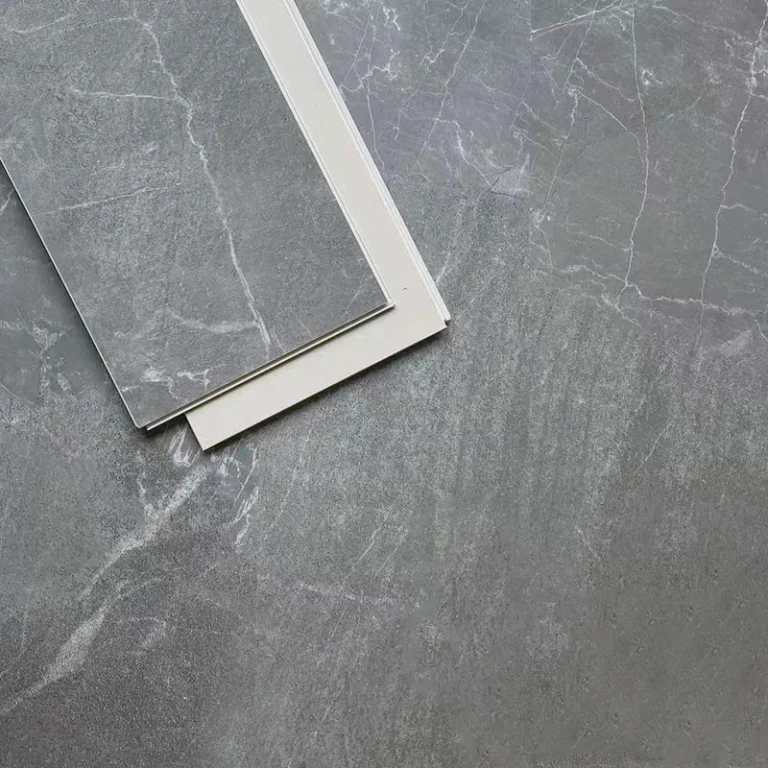
- Stone Finish
Different finishes suit different applications.
For a detailed comparison, read:
Glossy vs Matte Melamine Plywood: Complete Surface Finish Comparison Guide
4. Select the Right Color
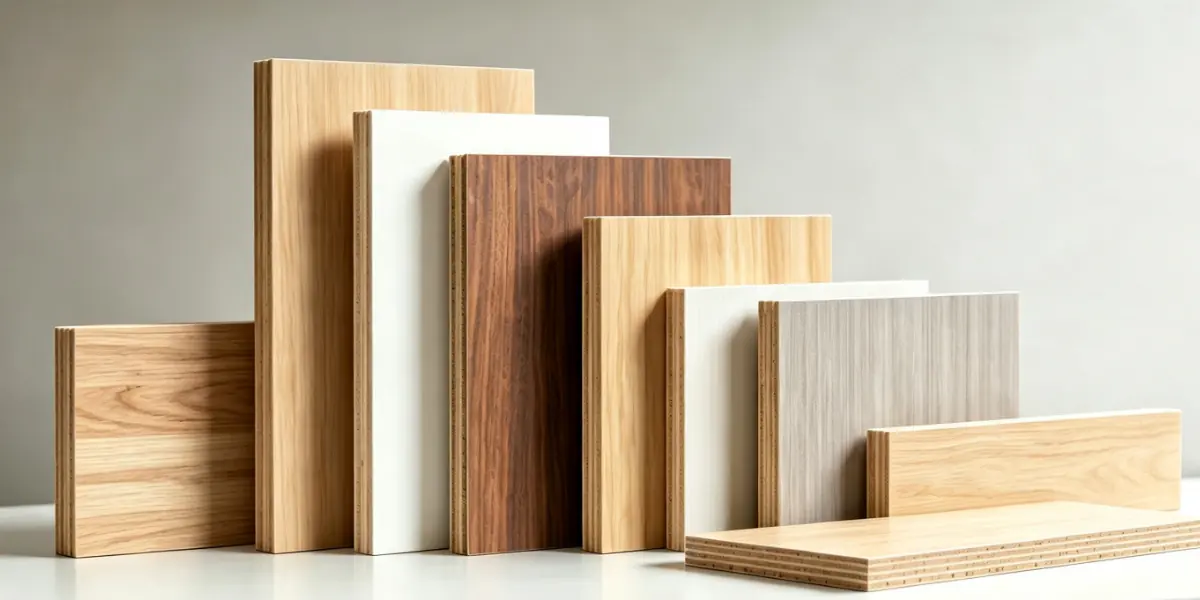
Modern melamine plywood is available in hundreds of decorative colors.
Popular choices include:
- White
- Black
- Grey
- Oak
- Walnut
- Maple
- Ash
- Concrete Grey
- Marble Pattern
- Custom Colors
Many manufacturers can match:
- RAL colors
- Pantone colors
- Customer samples
Buying Tip
If ordering large quantities, request production samples before mass production.
5. Understand Glue Types
Glue quality affects moisture resistance and panel durability.
Common glue grades include:
| Glue Type | Moisture Resistance |
|---|---|
| MR | Interior use |
| E1 | Low formaldehyde |
| E0 | Ultra-low emissions |
| CARB P2 | North American market |
| Phenolic | High water resistance |
For kitchens and bathrooms, moisture-resistant glue is recommended.
6. Verify Certifications
International buyers should always verify product certifications.
Important certifications include:
- FSC
- CARB P2
- EPA TSCA Title VI
- CE
- ISO 9001
- E1
- E0
These certifications demonstrate product quality and compliance with environmental regulations.
If sustainability is important, read:
7. Understand Minimum Order Quantity (MOQ)
MOQ varies by supplier.
Typical export quantities:
| Order Type | Typical MOQ |
|---|---|
| Stock colors | 1×20GP |
| Mixed colors | 1×20GP |
| Custom colors | 1–2 containers |
| OEM production | Depends on design |
Many factories offer mixed sizes and colors within one container.
Ask whether they support:
- Mixed thickness
- Mixed colors
- Mixed surface finishes
This can reduce inventory costs.
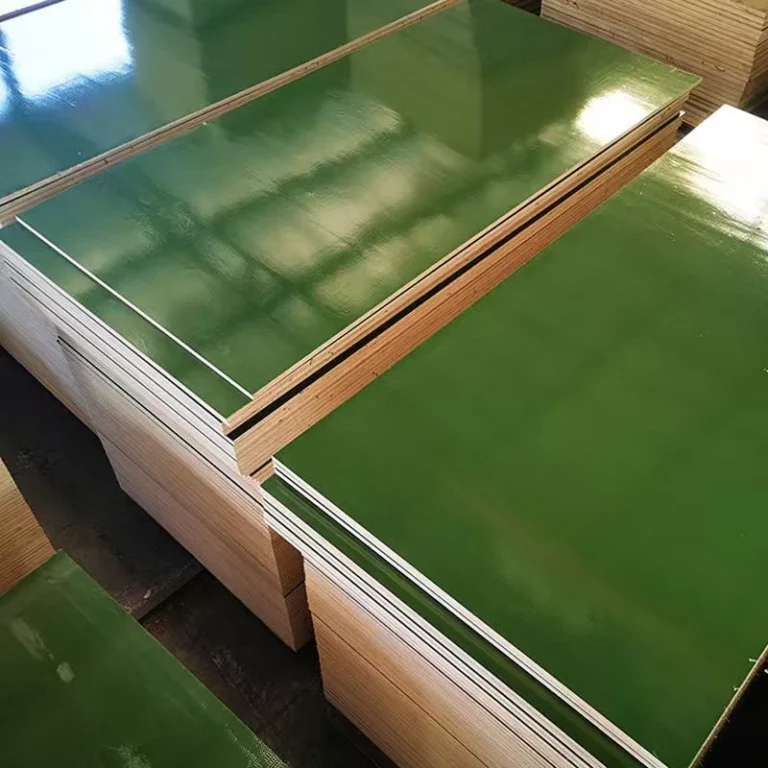
8. Inspect Packaging
Good packaging prevents damage during international shipping.
Professional export packaging typically includes:
- Protective corner guards
- Moisture-proof plastic film
- Strong plywood pallets
- Steel straps
- Edge protection
Poor packaging often causes:
- Surface scratches
- Moisture damage
- Broken edges
- Delamination
Always request packaging photos before shipment.
9. Compare Price vs Quality
Many buyers focus only on the lowest price.
However, the cheapest panel often results in:
- More defects
- Higher waste
- Shorter service life
- Increased customer complaints
Instead, compare suppliers based on:
- Core quality
- Surface consistency
- Thickness tolerance
- Moisture content
- Production capacity
- Quality inspection process
A slightly higher purchase price can significantly reduce long-term costs.
10. Choose the Right Supplier
Selecting a reliable supplier is one of the most important decisions when you buy melamine plywood.
A trustworthy manufacturer should offer:
- Stable raw material supply
- Advanced production equipment
- Strict quality inspection
- Consistent panel quality
- Fast delivery
- Export experience
- OEM customization
- Responsive communication
Ask suppliers for:
- Factory photos
- Production videos
- Quality inspection reports
- Customer references
- Loading photos
- Certificates
Common Mistakes Buyers Should Avoid
Many first-time buyers make avoidable purchasing mistakes.
Common examples include:
❌ Choosing based only on price
❌ Ignoring core quality
❌ Not checking moisture content
❌ Forgetting certification requirements
❌ Overlooking packaging quality
❌ Ordering without sample approval
❌ Choosing the wrong thickness
❌ Not confirming delivery schedules
Avoiding these mistakes can save both time and money.
Frequently Asked Questions
What thickness of melamine plywood is best for cabinets?
For most kitchen cabinets and wardrobes, 18 mm melamine plywood provides excellent strength, stability, and screw-holding performance.
For a deeper look at cabinet applications, see Melamine Plywood for Cabinets: Durable & Affordable Solution.
Is melamine plywood waterproof?
Melamine plywood has a moisture-resistant decorative surface, but the core is not fully waterproof unless manufactured with waterproof glue and suitable core materials.
Which core is best?
It depends on the application:
- Poplar for lightweight furniture
- Hardwood for commercial projects
- Birch for premium furniture
- Eucalyptus for heavy-duty applications
Is 4×8 melamine plywood the standard size?
Yes. 1220 × 2440 mm (4×8 ft) is the most common export size.
For furniture production, read 4×8 Melamine Plywood: Cost-Effective for Furniture Manufacturing.
Is melamine plywood better than MDF?
Both materials have advantages.
Melamine plywood offers:
- Better screw holding
- Higher strength
- Longer lifespan
- Better moisture resistance
Learn more in Melamine Plywood vs MDF for Cabinets: Differences, Pros, Cons & Best Uses.
Final Thoughts
When you buy melamine plywood, looking beyond the surface is essential. Evaluating thickness, core material, surface finish, glue type, certifications, packaging, and supplier reliability ensures you receive panels that meet your performance, quality, and budget expectations.
By following this melamine plywood buying guide, you can minimize purchasing risks, improve product consistency, and build long-term partnerships with dependable manufacturers.
If you’re sourcing melamine plywood for furniture production, interior projects, or wholesale distribution, taking the time to compare specifications and request samples before placing bulk orders is one of the smartest investments you can make.