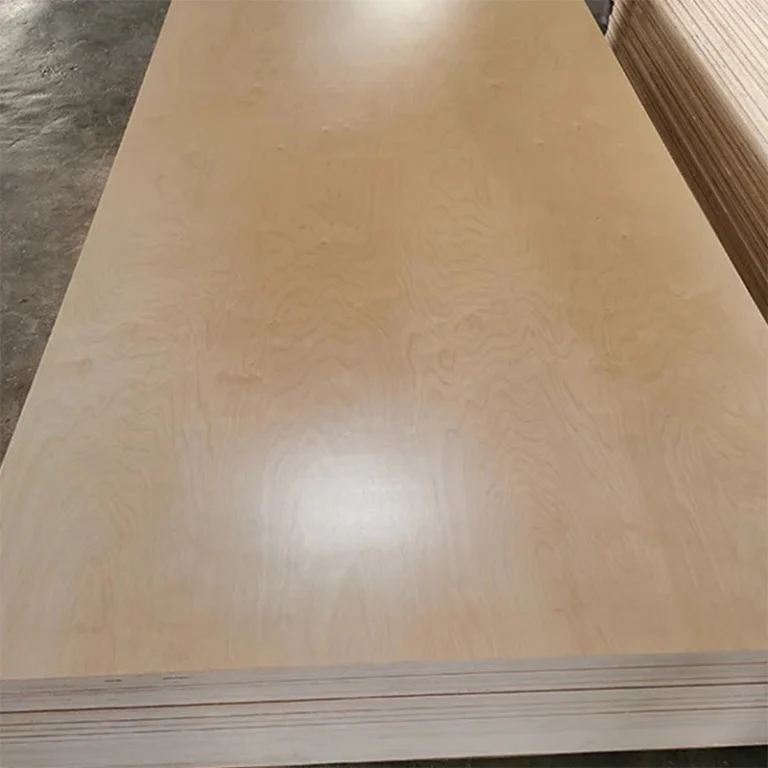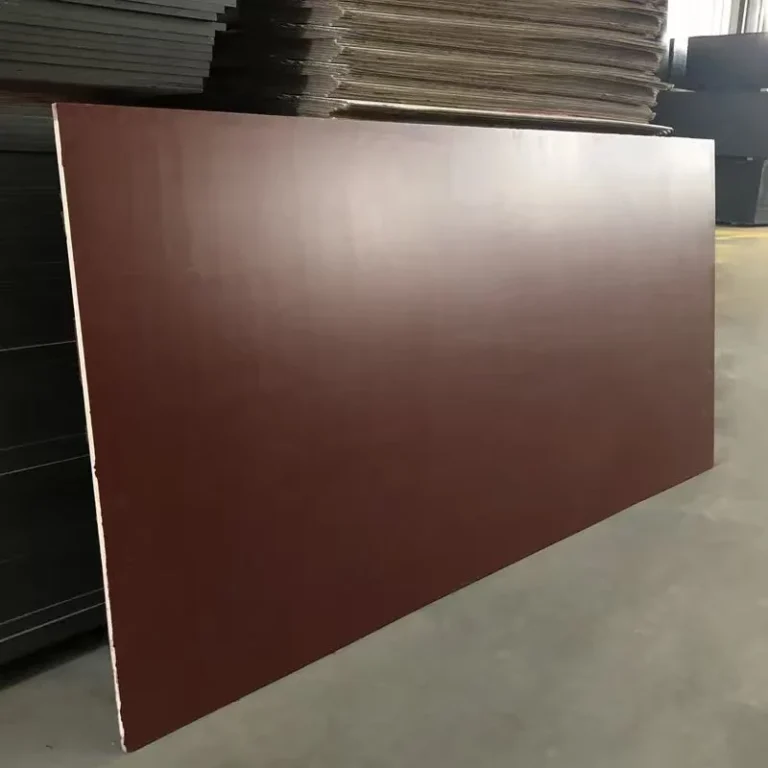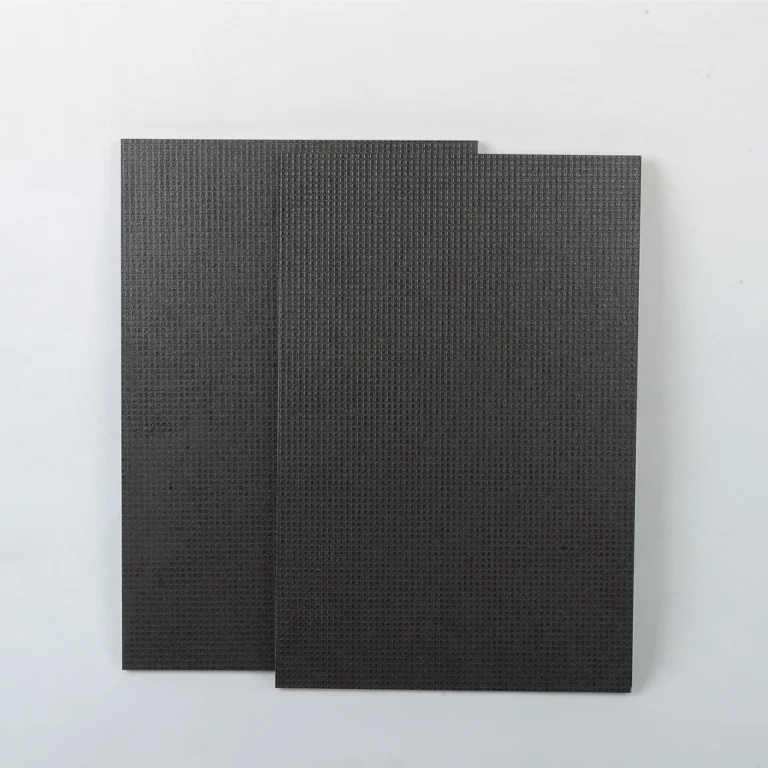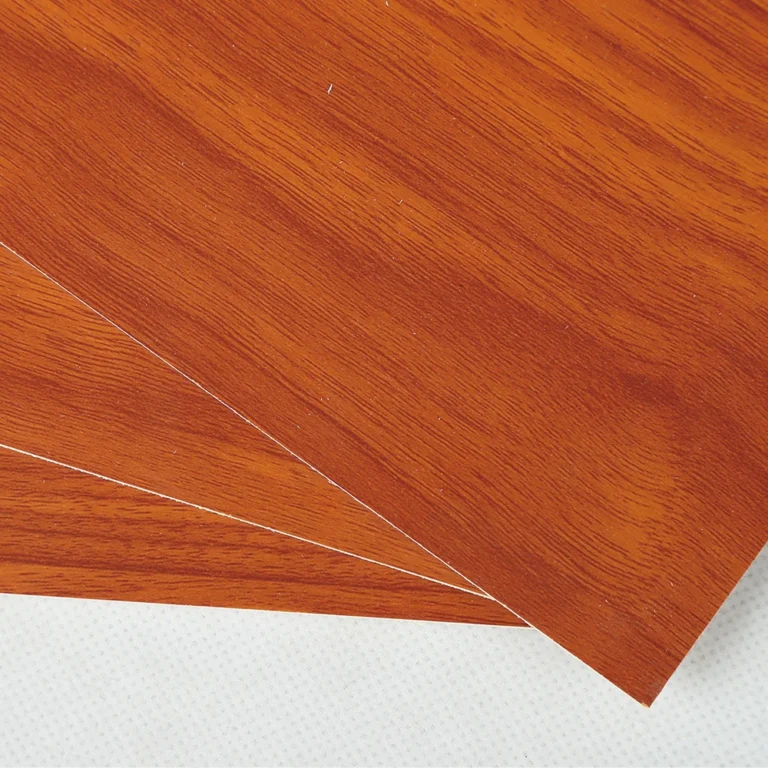
As sustainability becomes a central focus in construction, materials are increasingly being scrutinized. Among the growing range of eco-friendly options, melamine plywood stands out for its durability and ability to align with green building standards. This article explores why this engineered wood is an ideal material for modern construction, focusing on its environmental benefits, performance, and cost-effectiveness.
What Is Melamine Plywood?
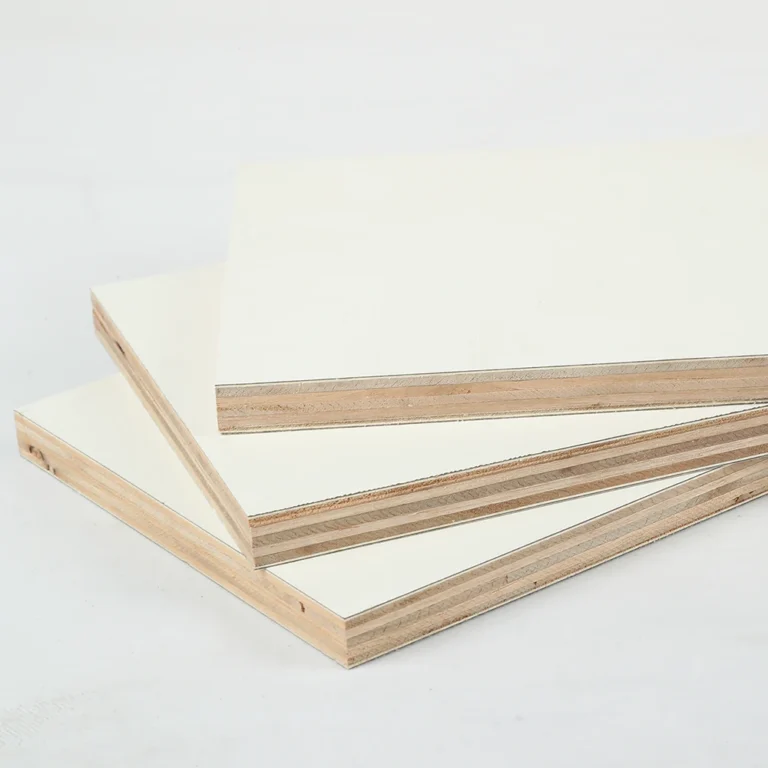
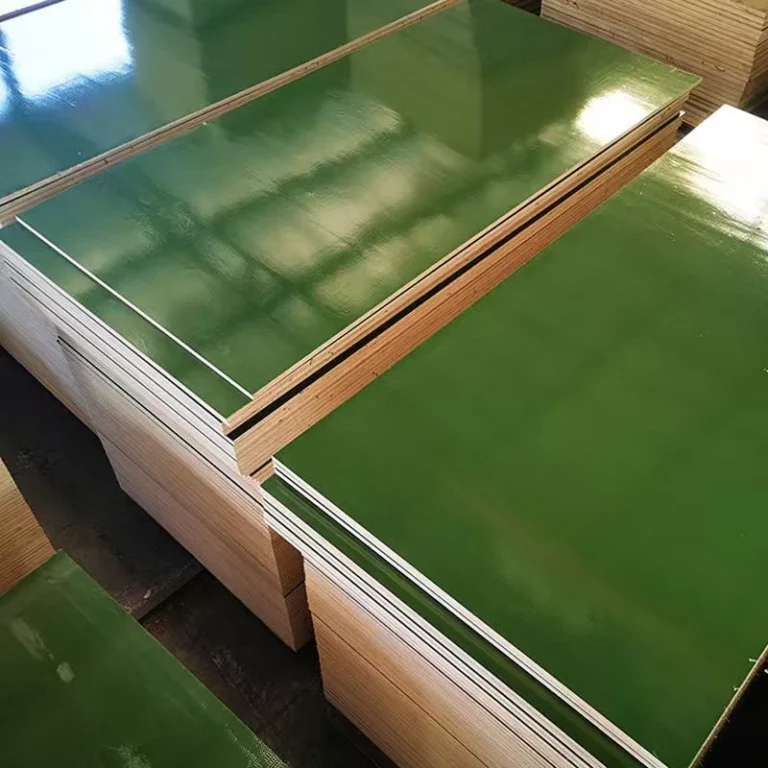
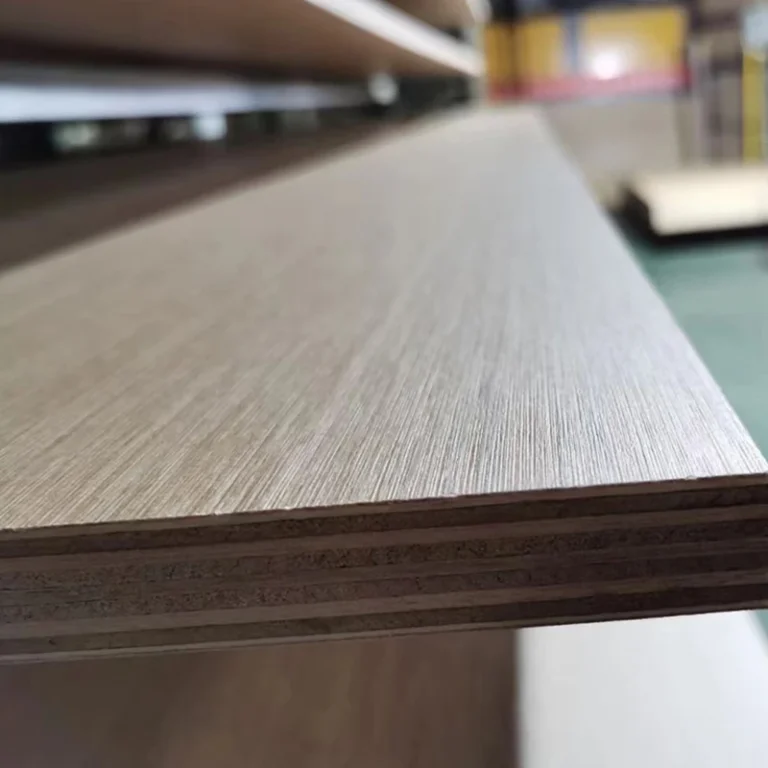
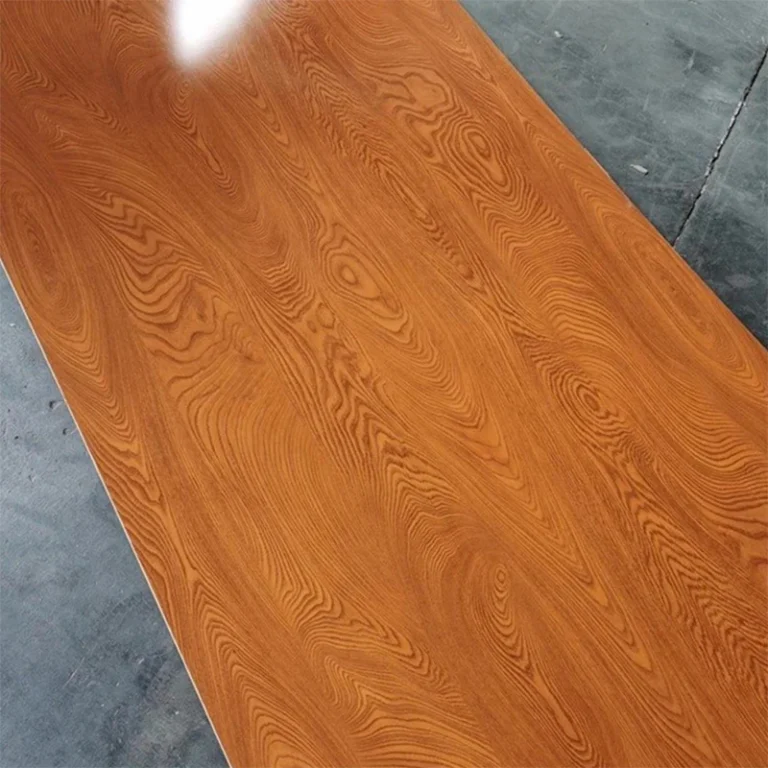
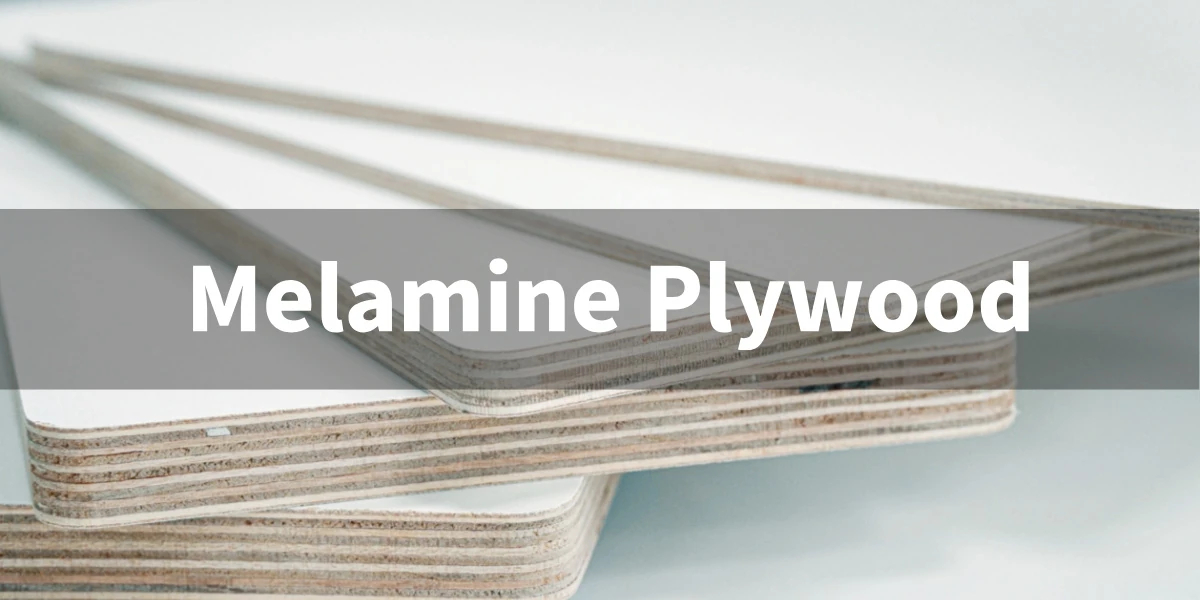
This engineered wood product is made by applying a melamine resin to the surface of traditional plywood. The resin enhances the wood’s strength, moisture resistance, and appearance. This type of plywood is widely used for both residential and commercial applications due to its smooth finish and easy maintenance. Thanks to its low emissions, it is ideal for eco-conscious builders looking for environmentally friendly options.
Environmental Benefits of Using Melamine Plywood in Green Construction
1. Low Formaldehyde Emissions
Indoor air quality is a critical consideration in sustainable building practices. Traditional plywood often contains formaldehyde-based adhesives that can release harmful gases. In contrast, this material uses a resin that significantly reduces formaldehyde emissions, making it suitable for green building certifications like LEED and BREEAM.
2. Compliant with Global Environmental Standards
This type of plywood adheres to international standards that regulate formaldehyde emissions. By meeting strict environmental guidelines, it helps ensure the sustainability goals of modern buildings.
Key Durability and Performance Features of Melamine Plywood
1. Enhanced Durability and Moisture Resistance
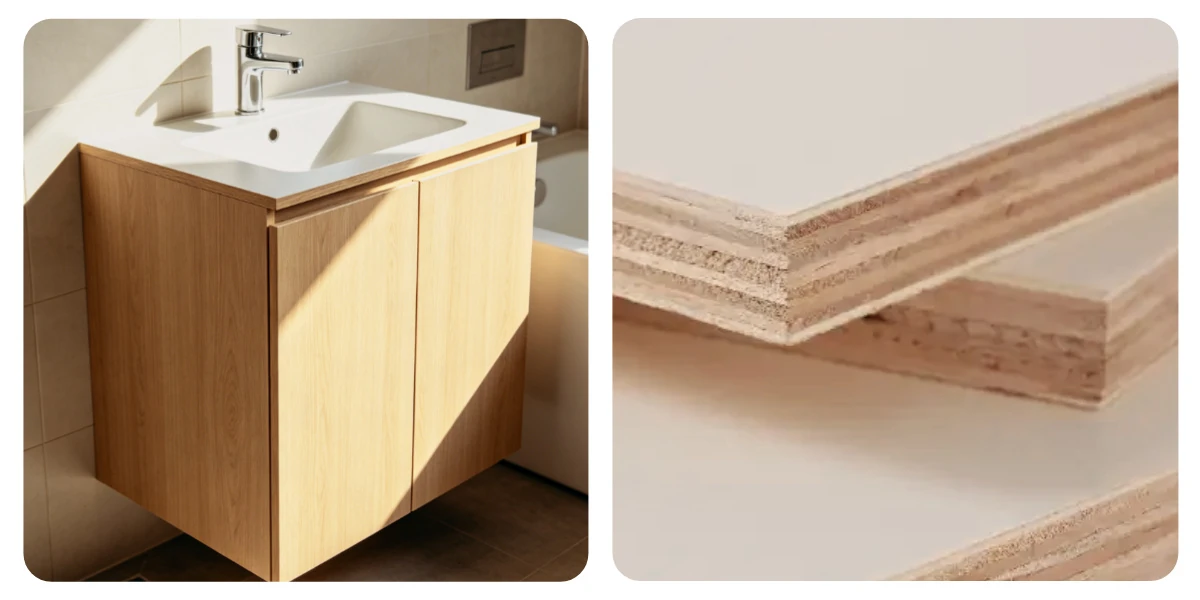
One of the standout features of this engineered wood is its resistance to moisture, stains, and scratches, which makes it more durable than other types of plywood or MDF. This enhanced durability reduces the need for frequent replacements and contributes to a lower overall environmental impact. Its superior moisture resistance also prevents degradation in high-humidity areas like bathrooms and kitchens.
2. Longer Lifespan and Reduced Maintenance
Thanks to the resin coating, this material has an extended lifespan compared to traditional plywood. This reduces maintenance and replacement costs, making it a smart long-term investment for green building projects.
Why Melamine Plywood Is Better than Other Engineered Wood Products
When comparing this engineered wood to other options like MDF or particleboard, it excels in both sustainability and performance.
- MDF: Often cheaper, but typically contains higher levels of formaldehyde, making it less suitable for eco-friendly construction.
- Particleboard: While it’s a budget-friendly material, particleboard lacks the strength and moisture resistance of this plywood and often contains harmful adhesives.
In contrast, this engineered wood combines affordability with excellent durability and low emissions, making it a superior choice for green construction.
Cost-Effectiveness of Melamine Plywood
Despite its superior performance, this material remains budget-friendly compared to other sustainable materials. Many eco-friendly materials come with a higher price tag, but this plywood offers an affordable solution for builders who want to meet environmental standards without exceeding their budgets.
Applications of Melamine Plywood in Green Buildings
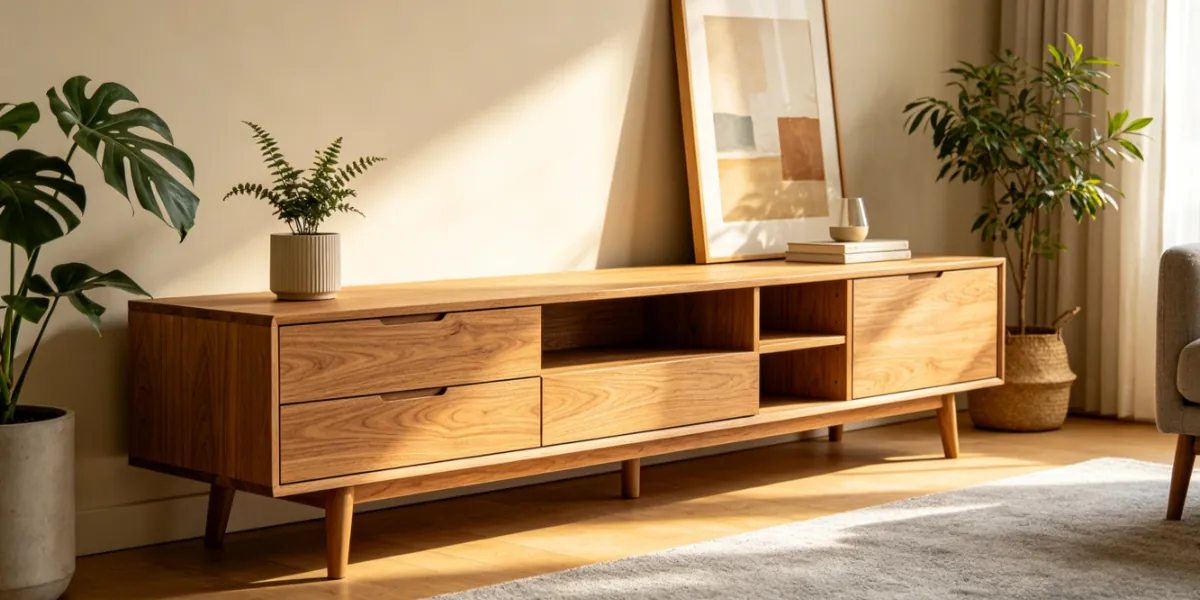
Thanks to its versatility, this engineered wood is suitable for many applications in sustainable construction:
- Cabinetry and Furniture: The smooth surface and attractive finish make it a top choice for furniture designers.
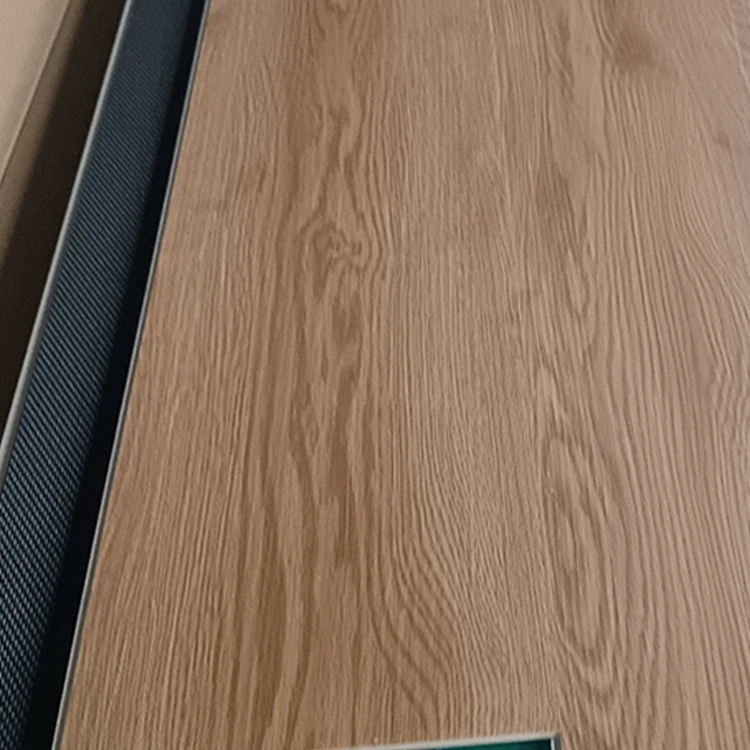
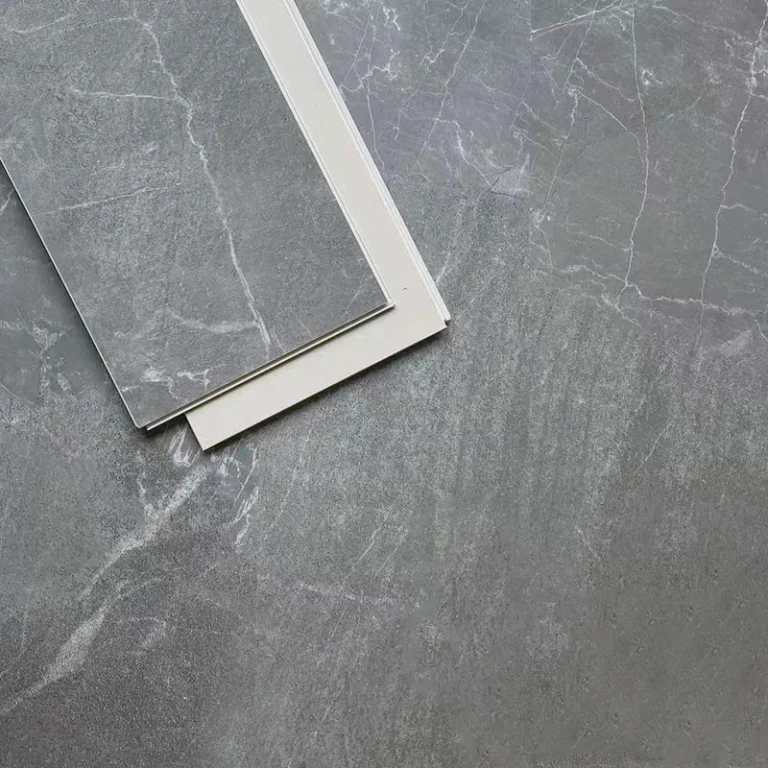
- Flooring: It’s ideal for eco-friendly flooring solutions due to its durability and moisture resistance.
- Wall Panels and Ceilings: Offers a high-quality finish for walls and ceilings, contributing to both aesthetics and sustainability.
The Future of Melamine Plywood in Green Construction
As demand for sustainable materials increases, this engineered wood is poised to play a significant role in the future of green building. With ongoing innovations in manufacturing processes, this material will become even more eco-friendly and continue to meet the evolving needs of the construction industry.
Conclusion
This engineered wood is a sustainable, durable, and cost-effective material that is ideal for green building projects. It offers low emissions, moisture resistance, and long-lasting performance. As the demand for eco-friendly materials grows, this plywood will remain a key player in shaping the future of sustainable construction.
If you’re looking to incorporate sustainable materials into your next green building project, please contact us for more information or to discuss how our products can help meet your sustainability goals.