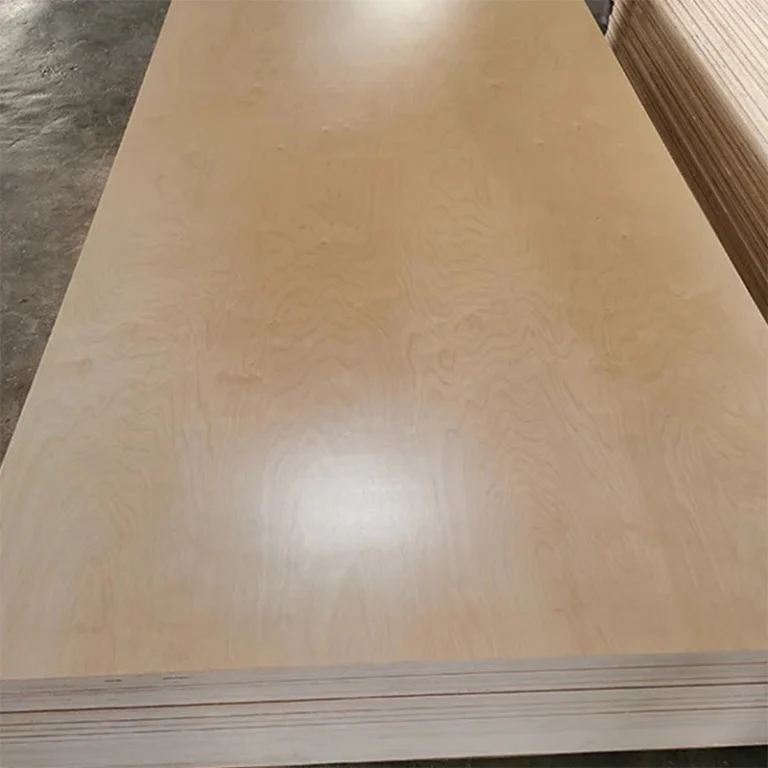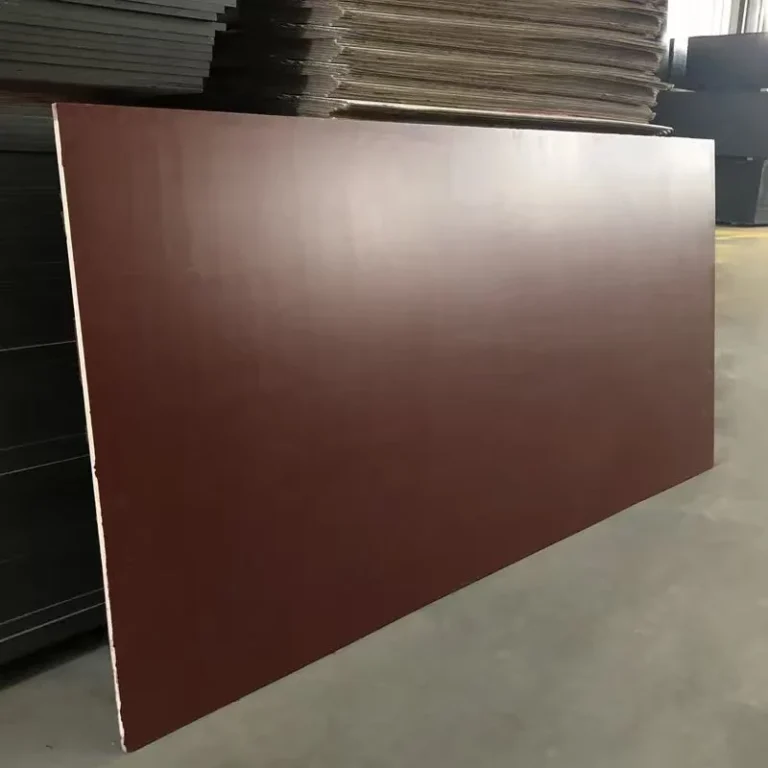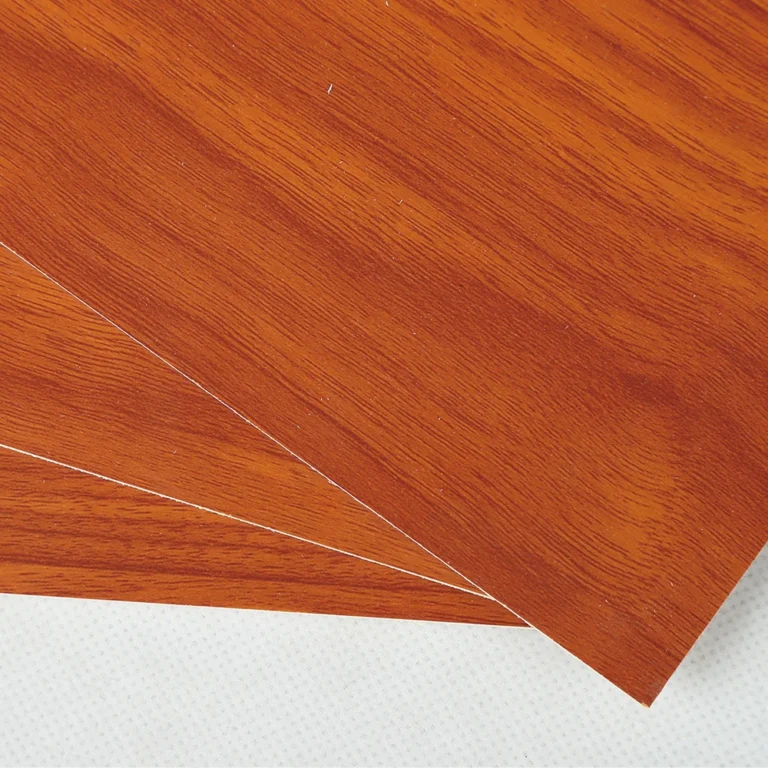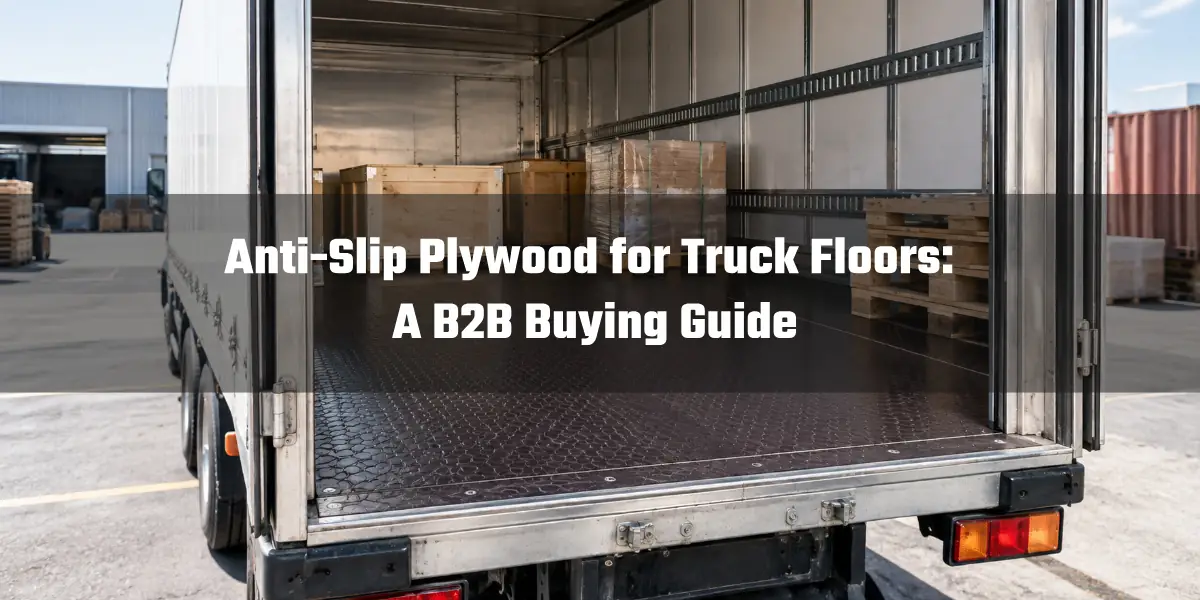
Truck floors need to handle repeated loading, heavy cargo, moisture, and daily movement. For these demanding conditions, anti-slip plywood for truck floors can provide a practical surface with good grip and structural performance. However, choosing the right panel requires more than checking the thickness or surface pattern. Buyers should also consider the plywood core, moisture resistance, panel dimensions, load requirements, and purchasing specifications.
For a general introduction to anti-slip plywood, including its features, uses, and specifications, see our guide to Anti-Slip Plywood: Features, Uses and Specifications. For truck flooring, the selection process should focus more specifically on transportation conditions and long-term use.
Why Use Anti-Slip Plywood for Truck Floors?
Truck and trailer floors are exposed to constant mechanical stress. Cargo may be loaded by hand, forklifts, pallet trucks, or other equipment. During transportation, the floor can also experience vibration, impact, dirt, and changing moisture conditions.
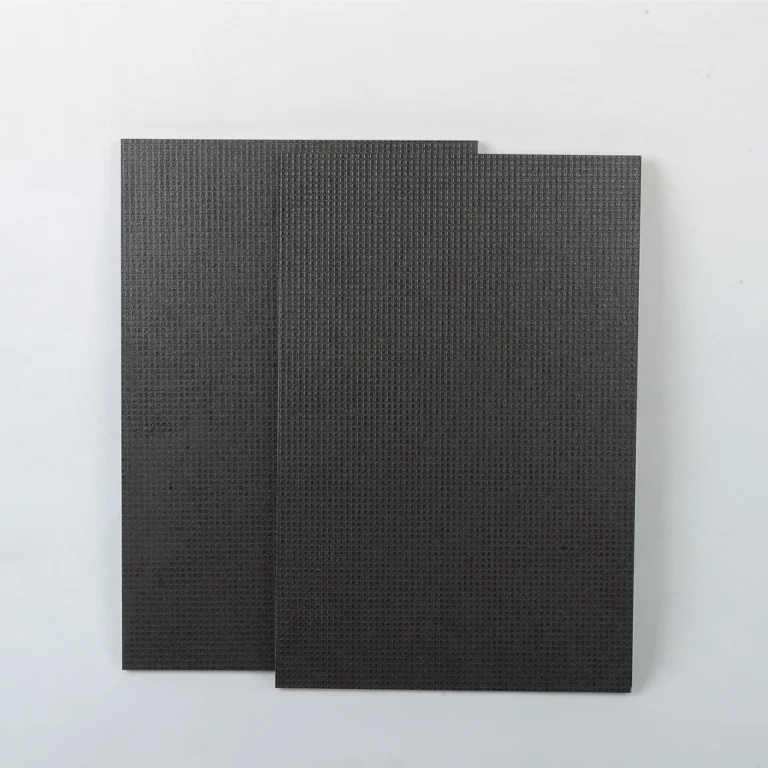
An anti-slip plywood surface is designed to provide additional traction compared with a smooth panel. The patterned film surface can help reduce the risk of cargo or equipment sliding across the floor during loading and unloading.
The plywood construction also provides a balance between strength, weight, and workability. This makes it suitable for different types of commercial vehicles, trailers, and transport platforms, depending on the required performance.
For buyers looking for a ready-made solution, Anti-Slip Film Faced Plywood is specifically designed for transportation flooring, industrial platforms, and truck or trailer applications.
What Thickness Should Buyers Choose?
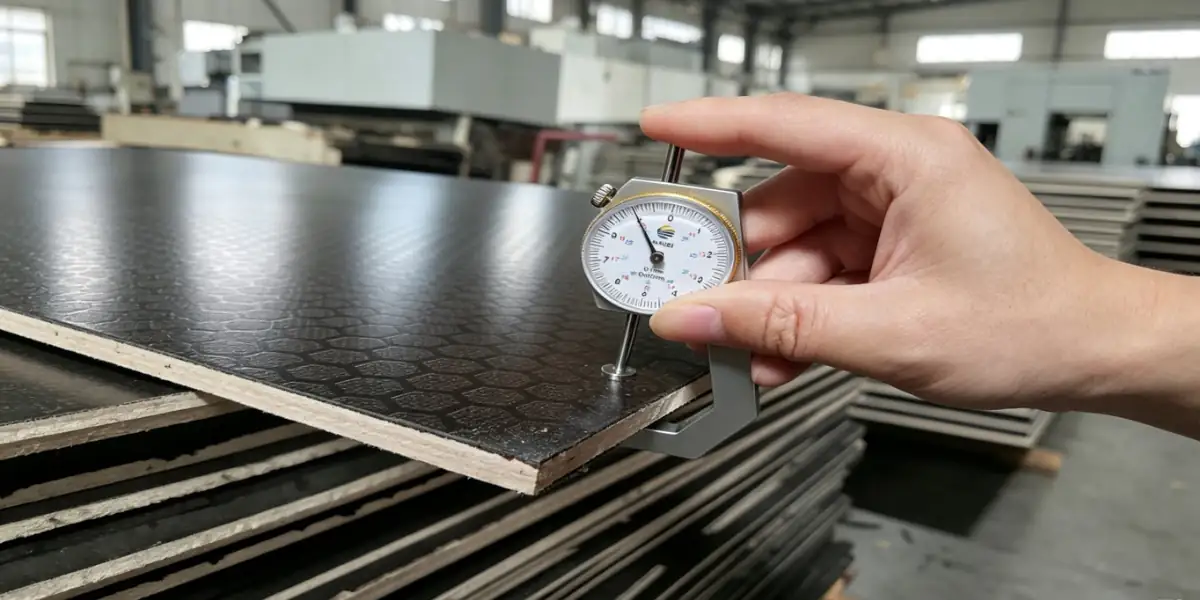
Thickness is one of the first specifications to consider when sourcing plywood for truck floors. The appropriate thickness depends on the floor structure, support spacing, expected cargo loads, and vehicle design.
Thicker panels can provide greater stiffness, but increasing thickness also adds weight. For this reason, buyers should avoid selecting a panel based only on maximum thickness.
Instead, suppliers should understand the application before recommending a specification. Important information includes:
- Vehicle or trailer type
- Floor support spacing
- Expected cargo weight
- Loading equipment
- Panel dimensions
- Installation method
Providing these details to the plywood manufacturer can help ensure that the selected panel matches the actual application.
Pay Attention to the Surface Pattern
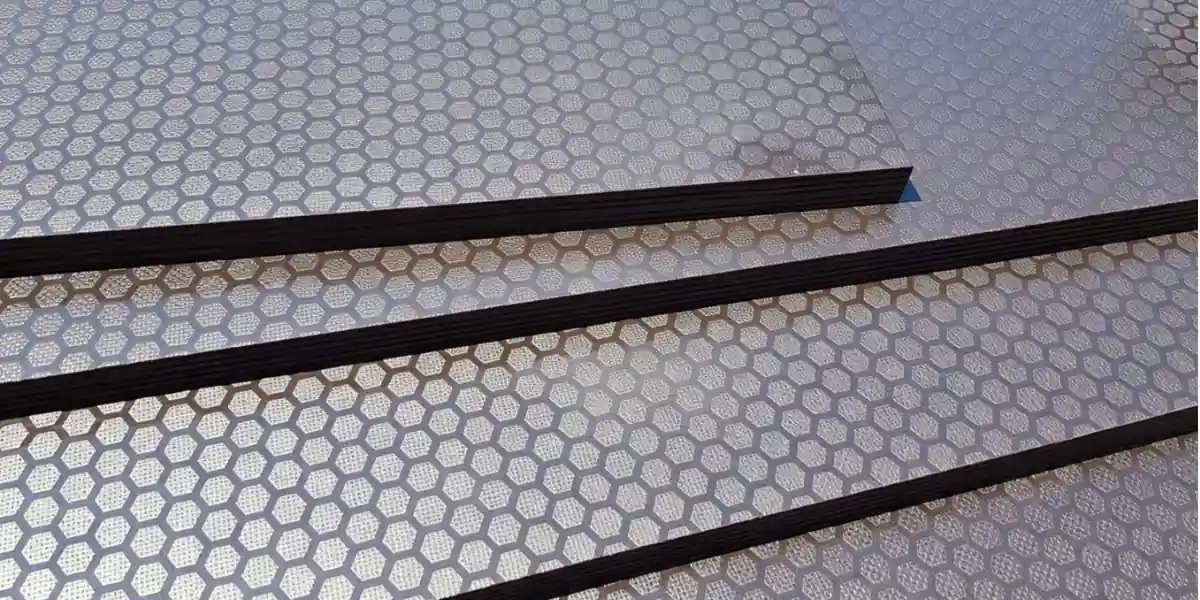
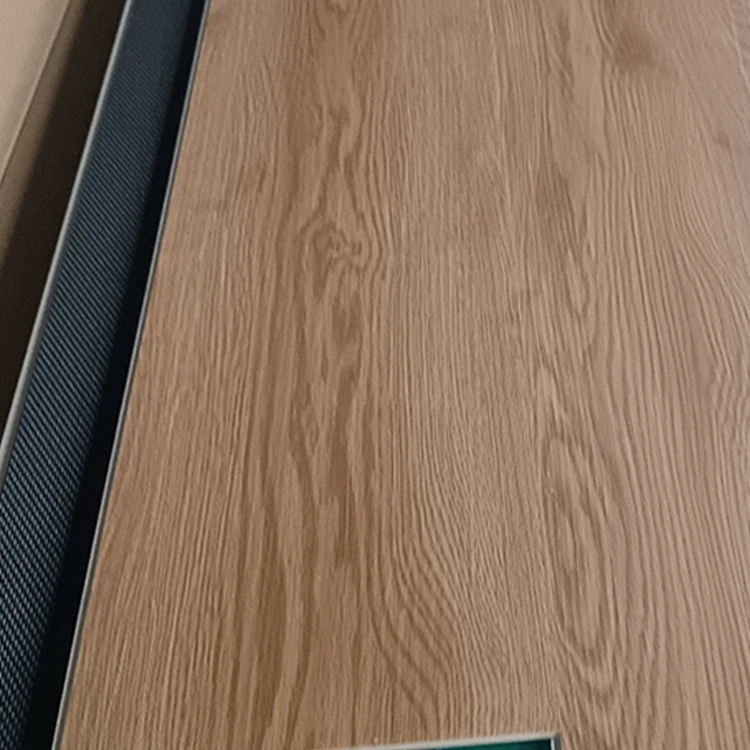
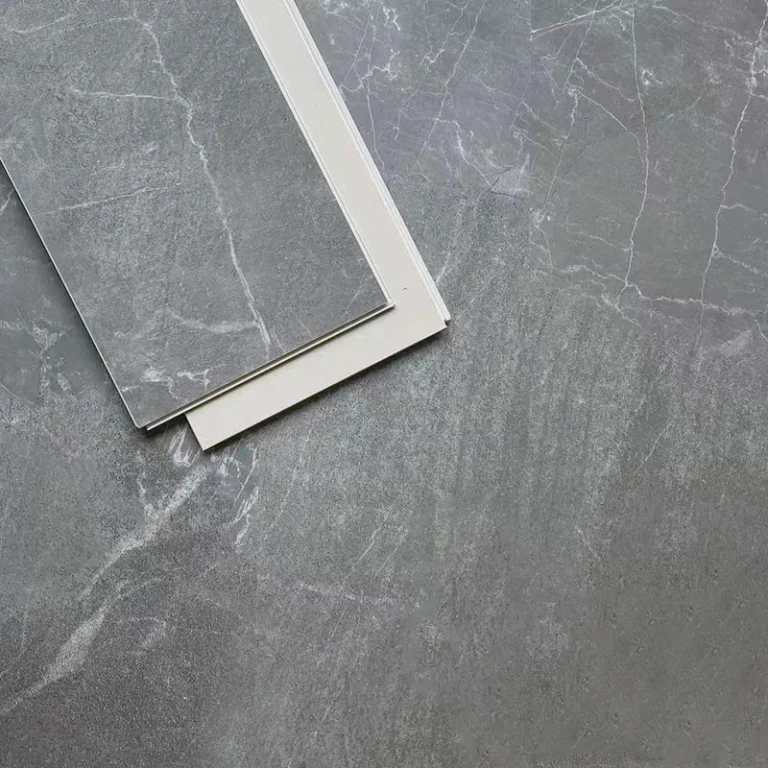
The surface is another important consideration when choosing anti-slip plywood for truck floors. Different patterns can provide different levels of surface texture and visual appearance.
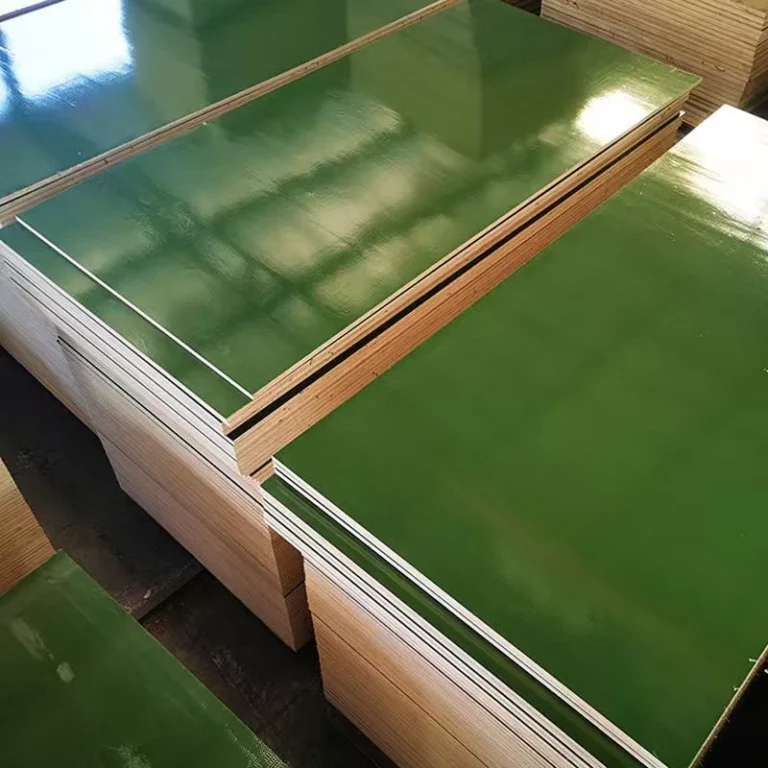
A phenolic film is commonly used to protect the plywood surface and improve resistance to moisture, abrasion, and everyday wear. The patterned surface can also provide traction for workers and cargo-handling equipment.
Buyers should confirm the surface pattern, film quality, color, and finish before placing a bulk order. If the plywood will be used in a specific vehicle or trailer system, matching the existing floor design may also be important.
GreenTimber’s Anti-Slip Film Faced Plywood is available with different surface and core configurations, including wire mesh and hexagonal patterns. This can give commercial buyers more flexibility when specifying panels for transportation applications.
Check the Core Construction
The surface is only one part of truck flooring plywood. The internal veneer structure also affects the panel’s performance.
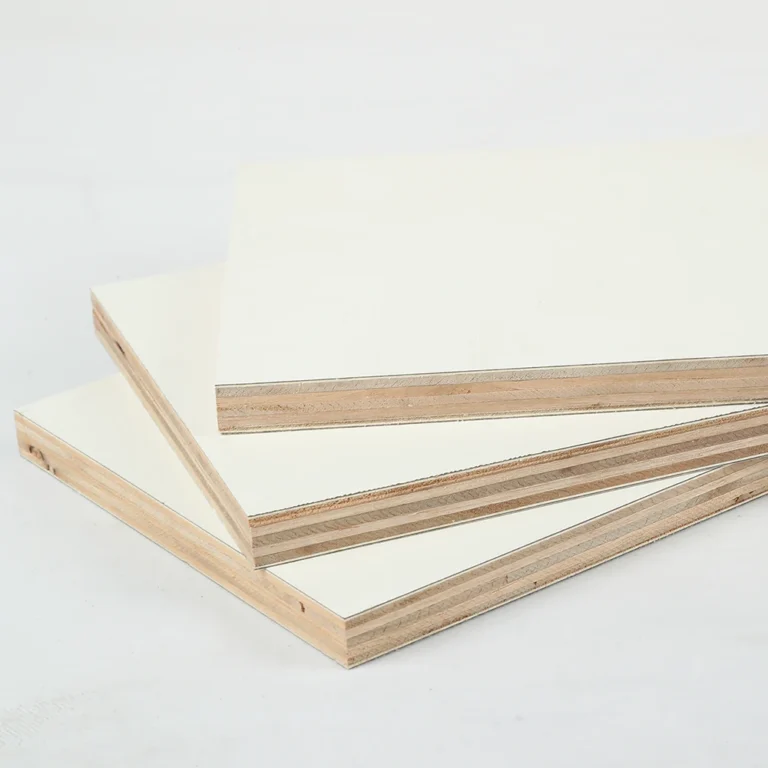
Buyers should ask about the wood species, veneer quality, core construction, bonding performance, and panel consistency. A well-manufactured plywood panel should have a stable structure with properly bonded veneers.
For commercial projects, consistency between production batches is particularly important. Panels with similar thickness, flatness, surface quality, and dimensions can make installation and replacement easier.
The core can also affect the balance between panel weight and structural performance. Therefore, buyers should discuss the intended vehicle load and support structure with the supplier before confirming the plywood specification.
Moisture Resistance Matters
Truck floors may be exposed to rain, humidity, wet cargo, and outdoor storage. Although anti-slip plywood is not intended to remain permanently submerged in water, moisture resistance is an important consideration for transportation applications.
The adhesive system, film surface, edge protection, and manufacturing quality can all affect the panel’s resistance to moisture.
Buyers should therefore confirm the intended service conditions with the manufacturer rather than relying only on terms such as “waterproof” or “weather resistant.” Product specifications and testing requirements should be clearly defined before production.
For comparison, buyers can also review GreenTimber’s range of Film Faced Plywood to understand how different film-faced panel constructions are specified for demanding applications.
Consider Panel Size and Installation
Panel dimensions can affect both installation efficiency and material usage. Standard sheet sizes may work well for some truck bodies and trailers, while custom dimensions may help reduce cutting and installation time.
Before ordering, buyers should check:
- Required panel length and width
- Thickness tolerance
- Cutting requirements
- Edge finishing
- Drilling or machining requirements
- Packing method
For fleet operators and vehicle manufacturers, consistent dimensions can also simplify future maintenance and replacement.
Custom panel sizes can be particularly useful when the truck floor design requires specific dimensions. Buyers should provide accurate drawings or measurements when requesting customized production.
What Should B2B Buyers Ask the Supplier?
When sourcing anti-slip plywood for truck floors, buyers should provide clear technical requirements instead of requesting only a general product name.
A detailed inquiry can include the required thickness, panel size, core material, surface pattern, film type, bonding requirements, quantity, packaging, and intended application.
It is also useful to request product samples before placing a large order. Samples allow buyers to check the surface pattern, panel construction, thickness, flatness, and machining performance.
For larger projects, buyers can also discuss inspection procedures, production schedules, container loading, and documentation with the supplier.
Working with a supplier that can provide customized specifications and export support can make the purchasing process more efficient, especially for importers, distributors, and vehicle manufacturers.
Conclusion
Choosing anti-slip plywood for truck floors requires attention to the complete panel construction rather than the surface alone. Thickness, core quality, film surface, moisture resistance, dimensions, and installation requirements can all influence the suitability of the plywood.
For B2B buyers, the best approach is to define the truck or trailer application first and then confirm the technical specifications with the manufacturer. Clear requirements and sample evaluation can help reduce specification problems and support more consistent purchasing for commercial transportation projects.
Contact GreenTimber to discuss your truck flooring plywood requirements, specifications, and customized supply options.