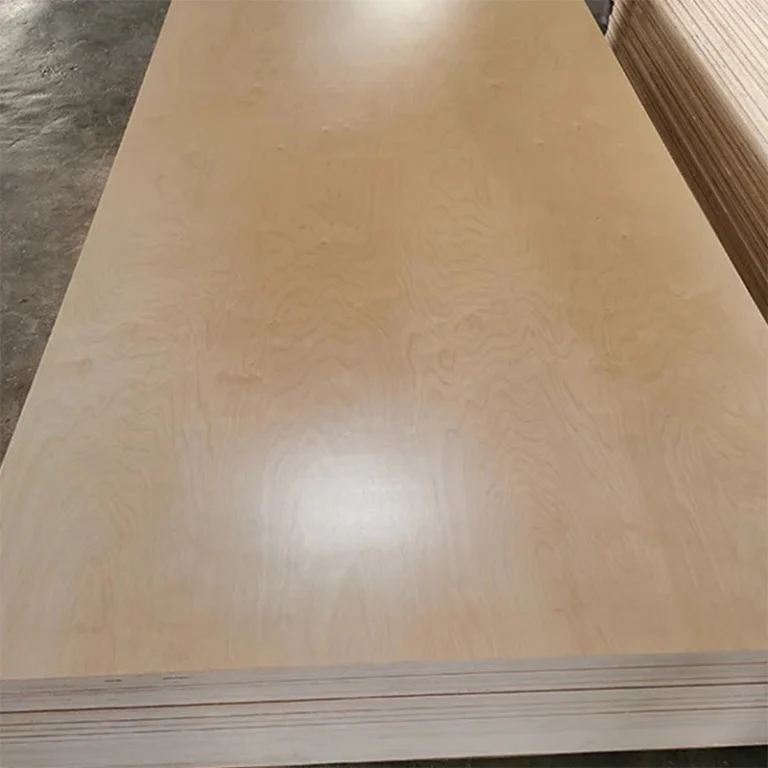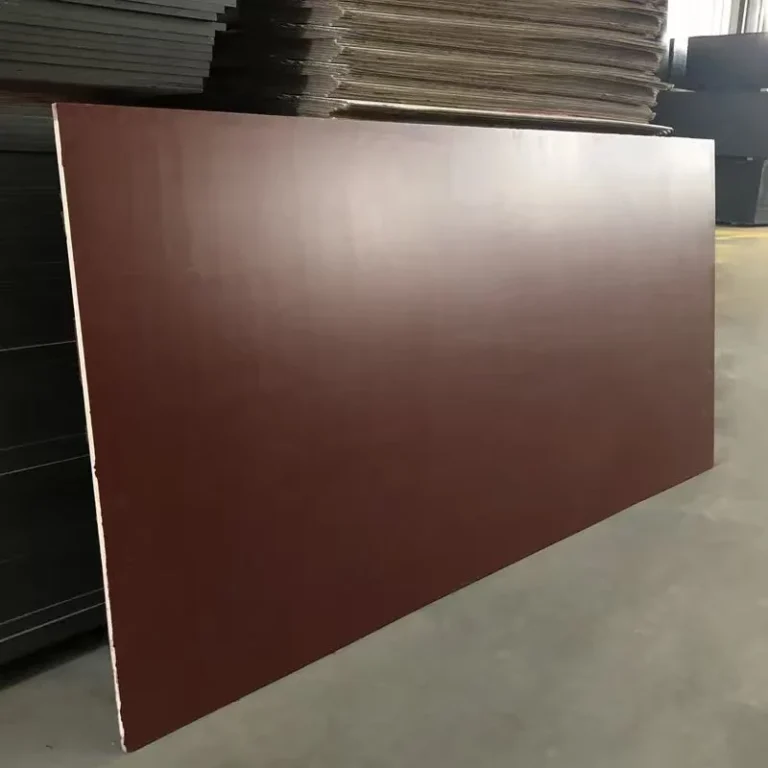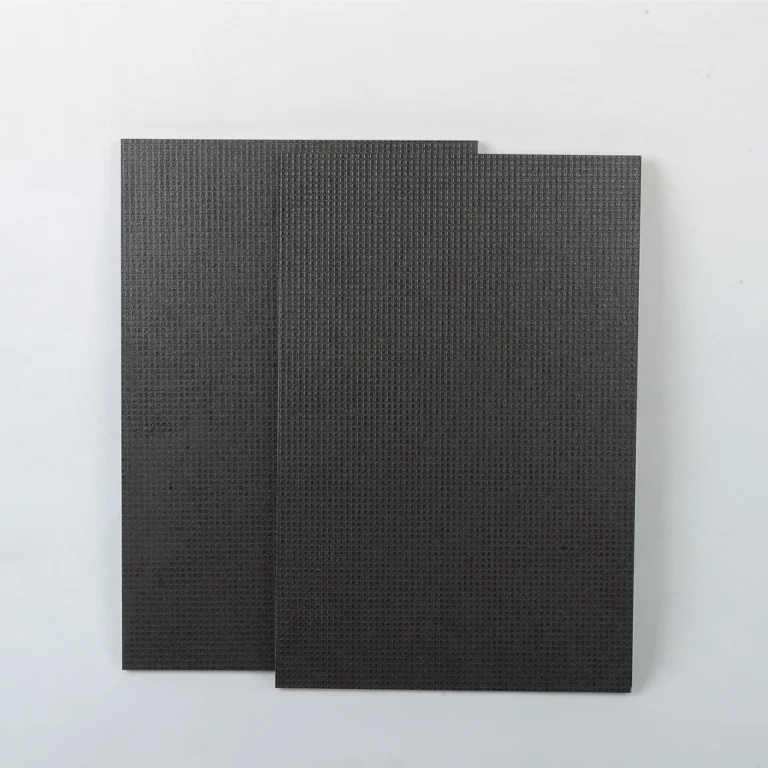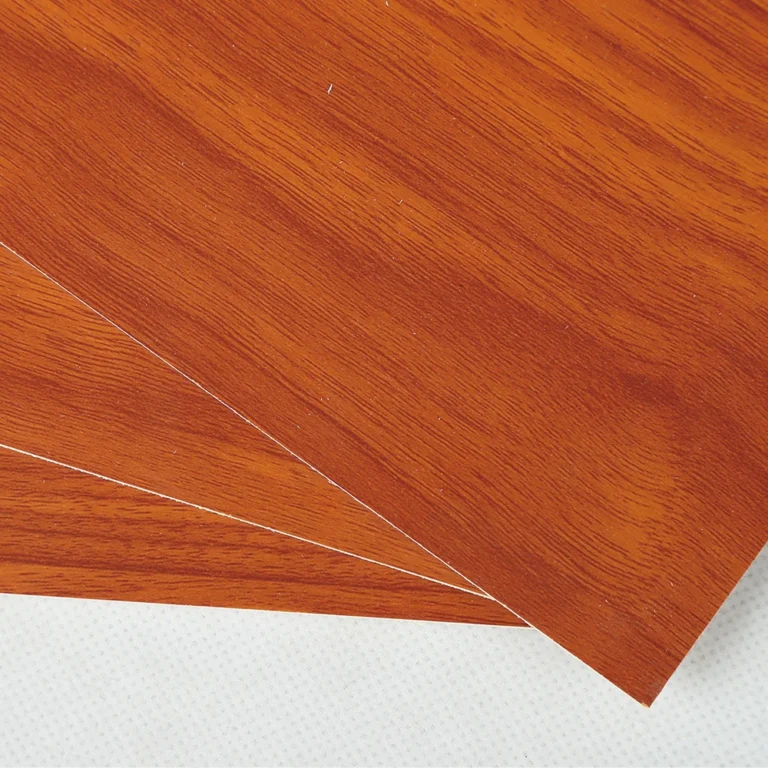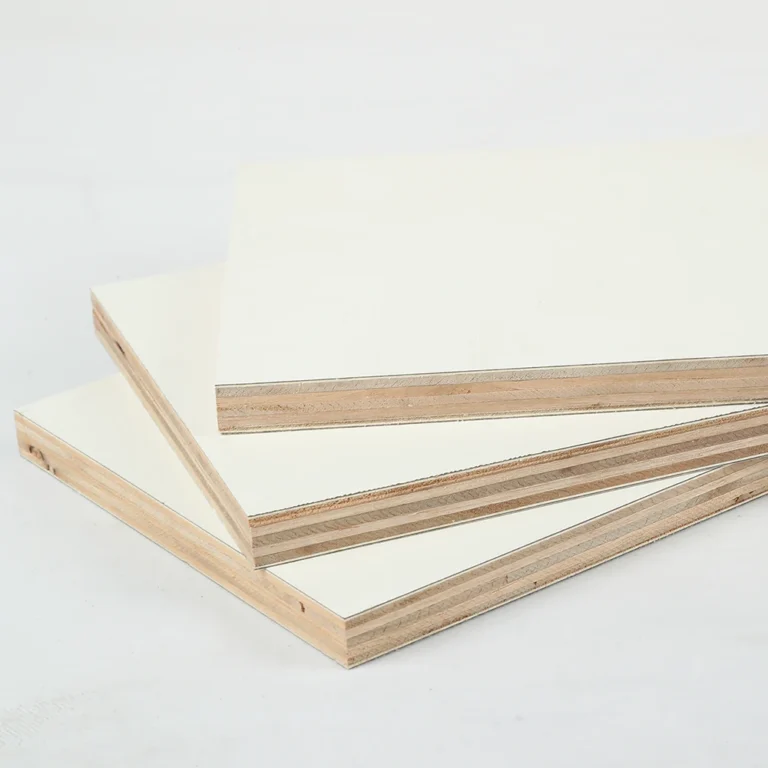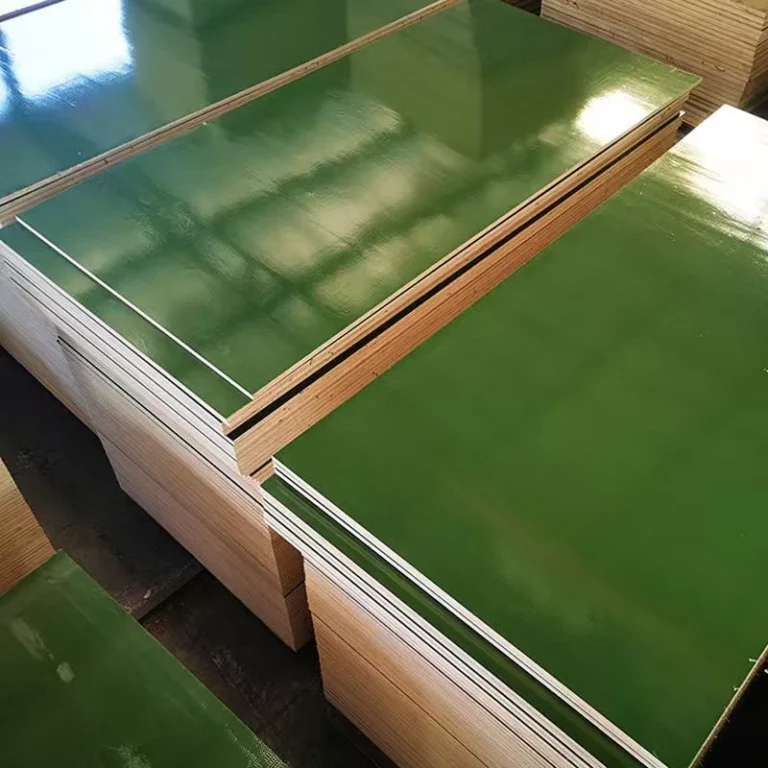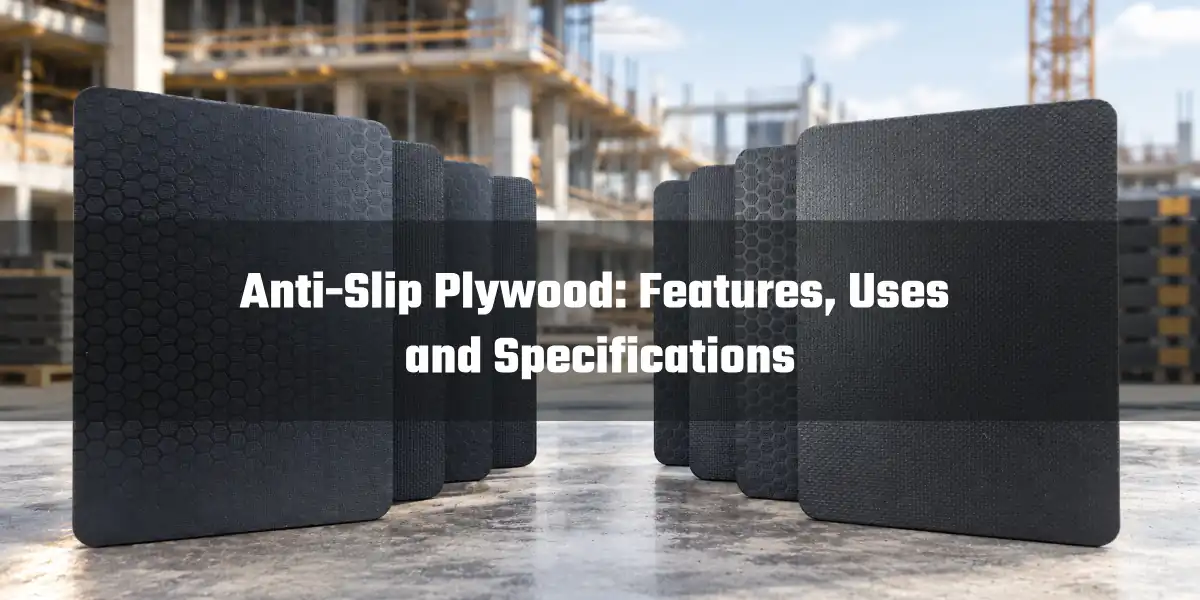
Anti-Slip Plywood is commonly used for floors, platforms, vehicle bodies, and other applications where a textured wood surface is preferred. Unlike plywood with a smooth film surface, this type of panel features a raised pattern that can provide additional surface friction under suitable conditions.
For buyers, choosing the right panel involves more than looking at the surface pattern. Thickness, core material, bonding, film quality, edge treatment, and the intended application can all affect product performance. This guide explains the main features, applications, specifications, and selection factors to consider.
What Is Anti-Slip Plywood?
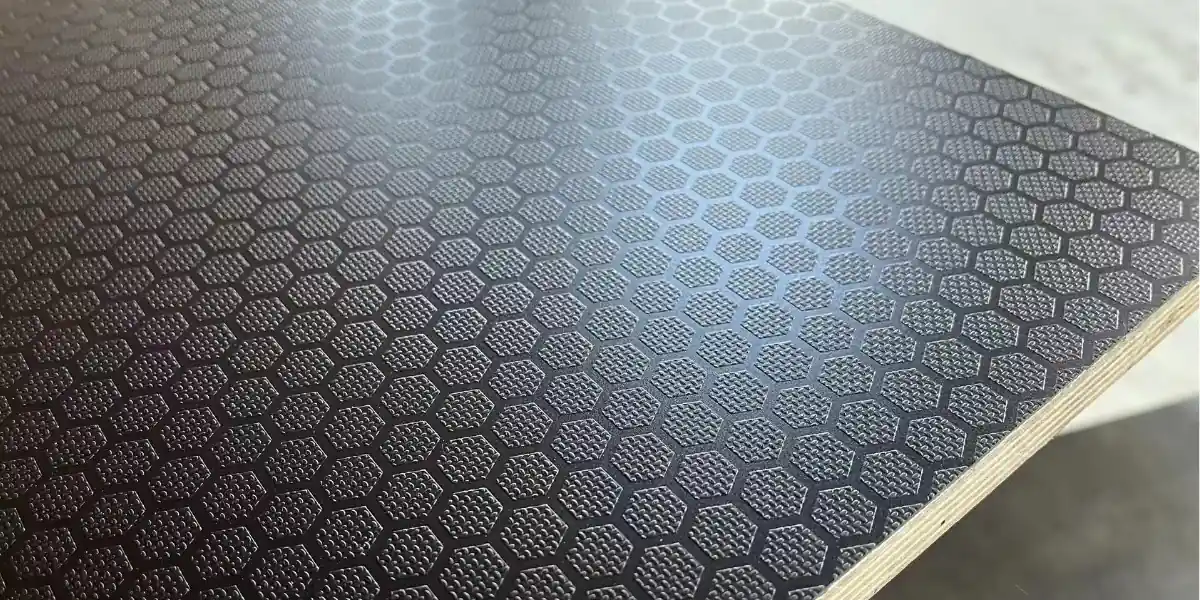
Anti-slip plywood is a plywood panel with a textured surface designed to provide more grip than a conventional smooth-faced panel. The surface may feature a cross, mesh, diamond, or other raised pattern.
The textured film is normally pressed onto the plywood during manufacturing. This creates a relatively durable surface while helping protect the wood underneath.
Depending on the application, the plywood core may be manufactured from poplar, eucalyptus, or a combination of wood species. Different core constructions can provide different balances of strength, weight, and cost.
For buyers who require a specific product configuration, the surface film, plywood core, thickness, and adhesive should be confirmed with the manufacturer before ordering. You can also explore GreenTimber’s textured plywood products for detailed product specifications.
How Does the Textured Surface Work?
The raised pattern creates multiple contact points across the panel. Compared with a smooth surface, this texture can increase friction between the panel and footwear, equipment, or cargo.
However, textured plywood should not be considered slip-proof in every environment. Water, oil, mud, ice, footwear, slope, and working conditions can all affect surface traction.
For this reason, buyers should evaluate the actual application environment rather than selecting a panel based only on its surface pattern.
Key Features of Anti-Slip Plywood
Textured Surface
The raised pattern provides a more pronounced surface texture than smooth film faced plywood. This makes it suitable for flooring, platforms, and transport applications where additional grip may be required.
Moisture Resistance
The coated surface helps protect the plywood from moisture exposure compared with unfinished plywood. WBP or waterproof adhesive can also be specified for applications where moisture resistance is important.
Wear Resistance
The surface film is designed to withstand repeated contact and normal wear. Actual durability depends on the film quality, plywood construction, loading conditions, and frequency of use.
Easy Cleaning
The coated surface is generally easier to clean than unfinished wood. This can be useful for vehicle floors, warehouses, workshops, and industrial areas where dust or dirt may accumulate.
Reuse Potential
Depending on the application and handling conditions, panels may be suitable for repeated use. Proper storage, edge protection, installation, and maintenance can influence their service life.
Common Applications
Anti-slip plywood is mainly used for flooring and working surfaces. Common applications include:
- Truck and trailer floors: The textured surface can provide additional grip in cargo and working areas.
- Walkways and platforms: Suitable for selected temporary or permanent access platforms.
- Temporary flooring: Useful for construction sites, storage areas, exhibitions, and temporary structures.
- Construction platforms: Can be used for work platforms when the selected thickness and support structure meet project requirements.
- Industrial work areas: Suitable for selected factory platforms and working surfaces.
- Warehouse flooring: Can be used for storage platforms and raised flooring applications.
- Vehicle bodies and transport equipment: Suitable for transport structures that require a textured plywood surface.
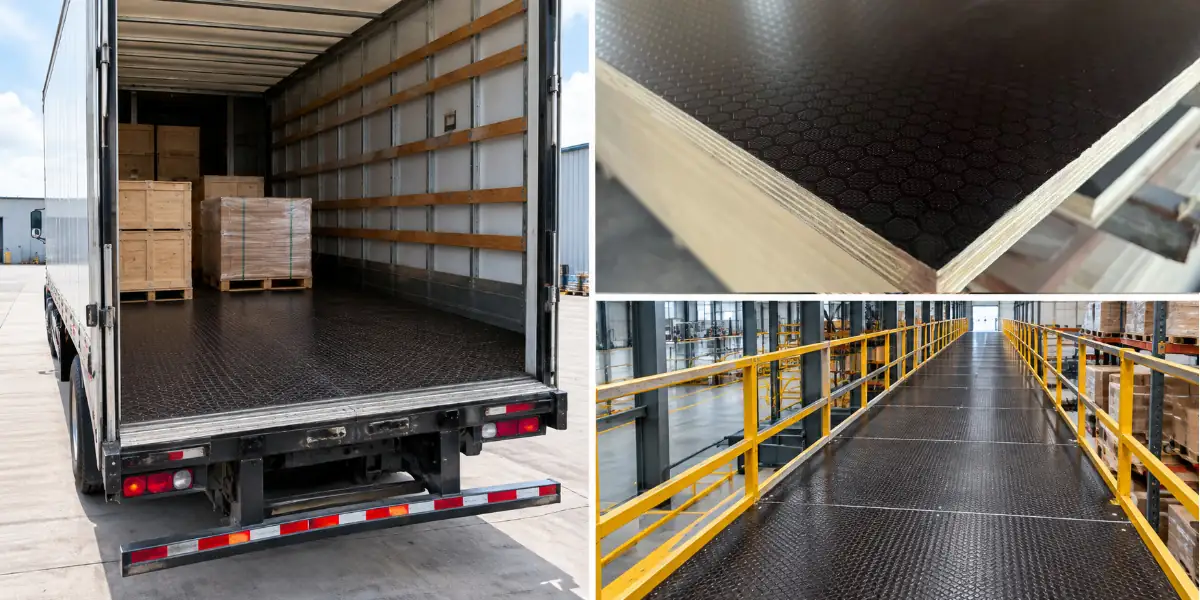
Anti-Slip Plywood Specifications
Specifications vary according to the manufacturer and application. Common options may include:
| Specification | Common Options |
|---|---|
| Surface | Textured film |
| Thickness | 9–25 mm |
| Standard Size | 1220 × 2440 mm |
| Core | Poplar / Eucalyptus / Combi |
| Film Color | Black / Brown |
| Edges | Sealed |
| Glue | WBP / Waterproof adhesive |
These specifications are general reference options. Actual availability may vary by manufacturer. Buyers should confirm the required thickness, dimensions, core construction, film type, surface pattern, adhesive, and edge treatment before placing an order.
Anti-Slip Plywood vs Standard Film Faced Plywood
The key difference is the surface design and typical application.
| Feature | Anti-Slip Plywood | Standard Film Faced Plywood |
|---|---|---|
| Surface | Textured | Smooth |
| Grip | Higher surface friction | Lower surface friction |
| Main Use | Floors and platforms | Concrete formwork |
| Surface Design | Raised pattern | Flat film |
Standard film faced plywood is commonly selected for concrete formwork because of its smooth coated surface. Textured plywood is more commonly considered for flooring and platform applications where surface grip is an important factor.
How to Choose Anti-Slip Plywood
Buyers should first consider the thickness required for the expected load and support spacing. The core material should then be selected according to the required strength, weight, and application.
The surface pattern and film type should match the working environment. For applications involving moisture, buyers should also check the bonding specification and edge treatment.
Other factors to confirm include:
- Panel dimensions
- Thickness tolerance
- Core construction
- Surface pattern
- Film quality
- Adhesive type
- Edge sealing
- Packaging requirements
- Inspection procedures
For export orders, confirming these details before production can help reduce specification differences and improve consistency between shipments.
Sourcing Textured Plywood from Vietnam
Vietnam has developed a strong wood-processing and export industry, providing international buyers with access to plywood and other wood panel products.
Working directly with a manufacturer can make it easier to discuss specifications, packaging, inspection, and customized requirements. For commercial orders, buyers may also need support with container loading, export documentation, and production quality checks.
GreenTimber manufactures and supplies wood panel products from Vietnam for international markets. Depending on project requirements, buyers can discuss different panel sizes, thicknesses, core materials, surface patterns, edge treatment, packaging, and other specifications.
For larger export orders, production inspection and container loading can also be coordinated according to the agreed requirements.
Conclusion
Anti-Slip Plywood combines a plywood core with a textured surface for applications where additional grip and surface durability are required. It can be used for truck floors, platforms, temporary flooring, warehouses, construction areas, and transport equipment.
When selecting the right panel, consider thickness, core material, surface pattern, bonding, edge sealing, and the actual working environment.
Contact GreenTimber to discuss your anti-slip plywood requirements, specifications, and export orders.