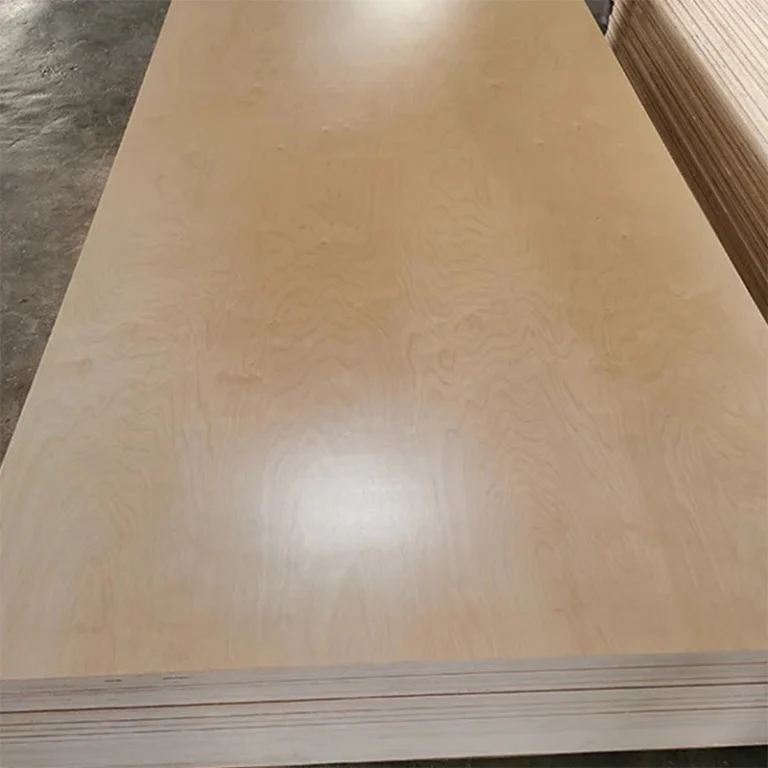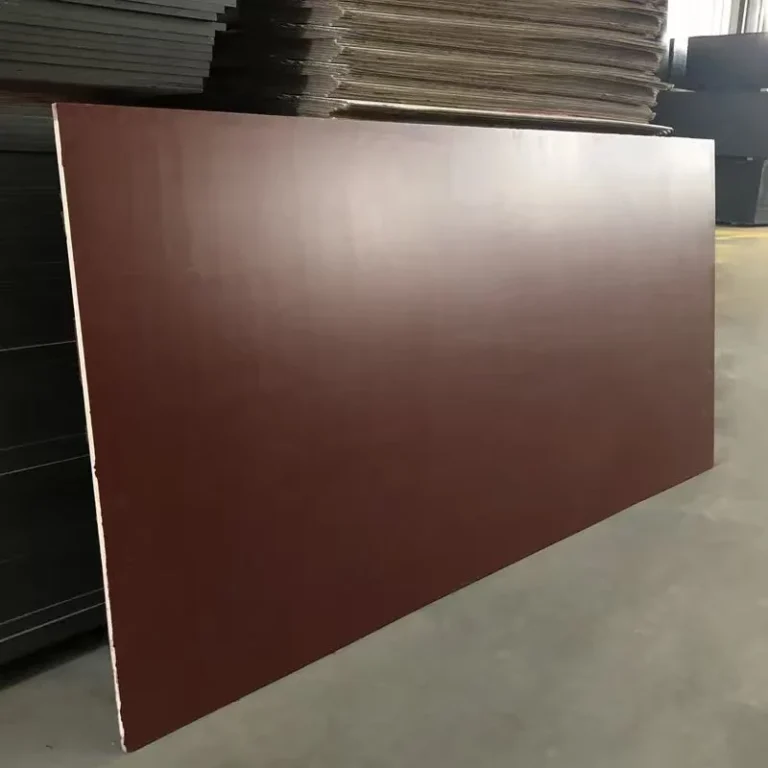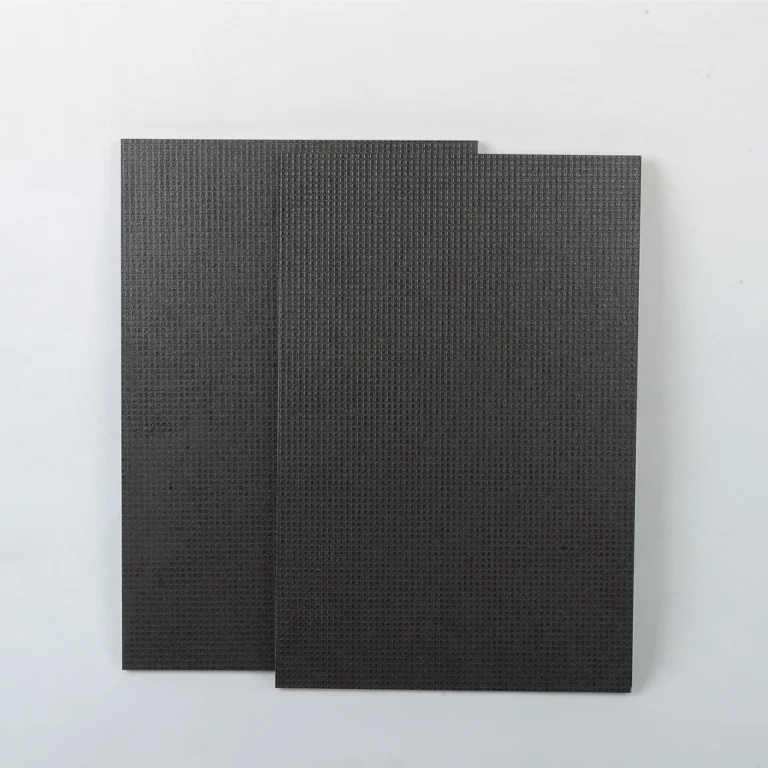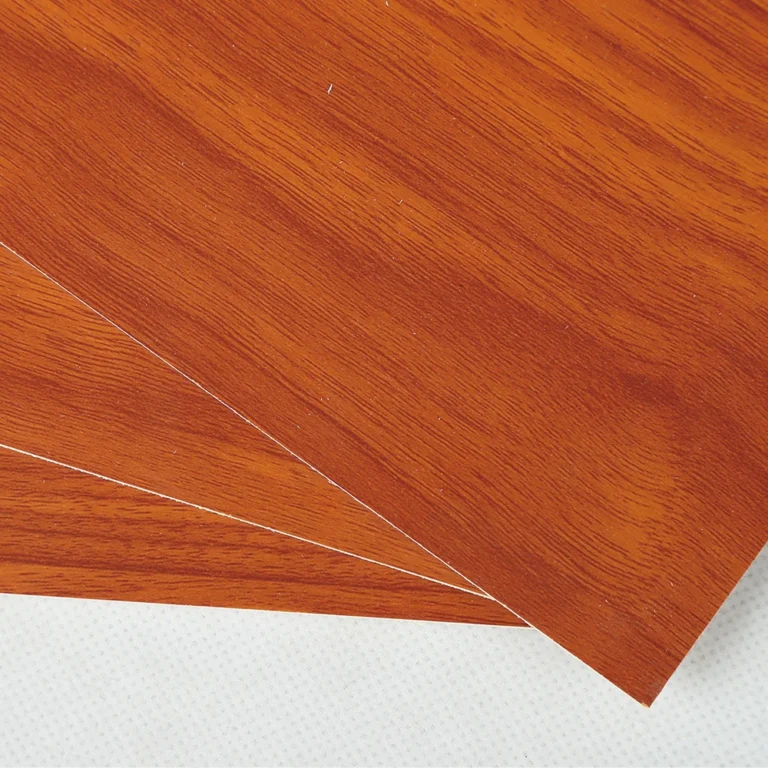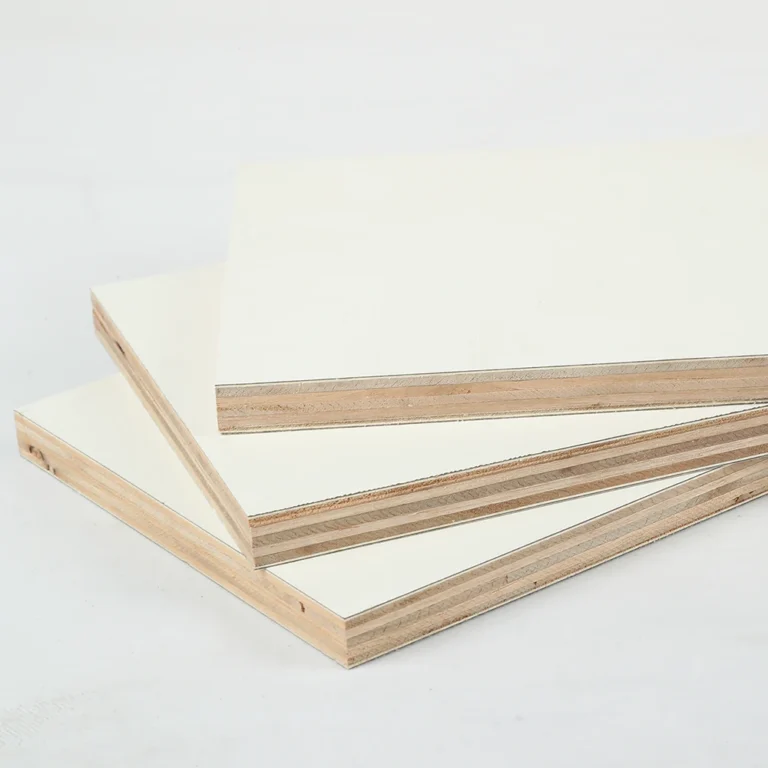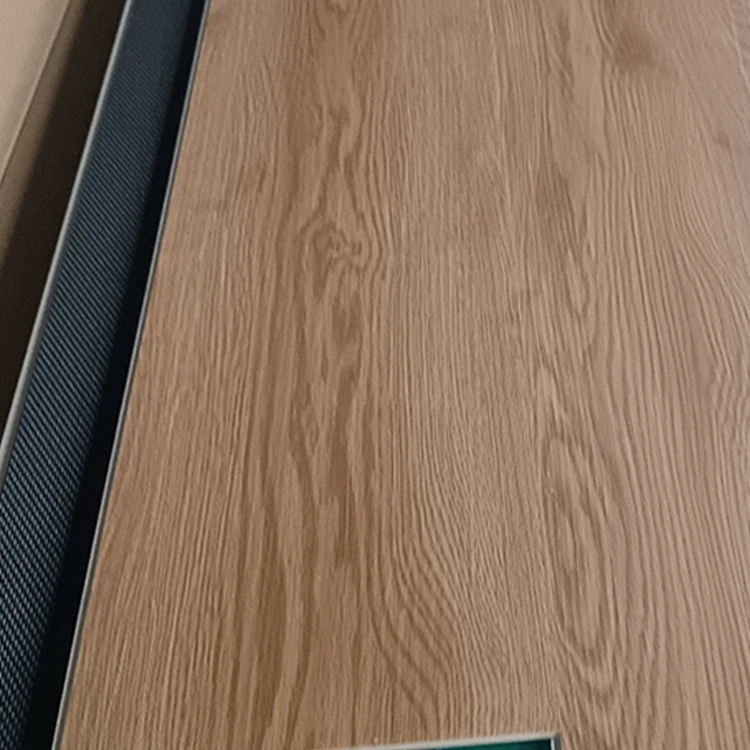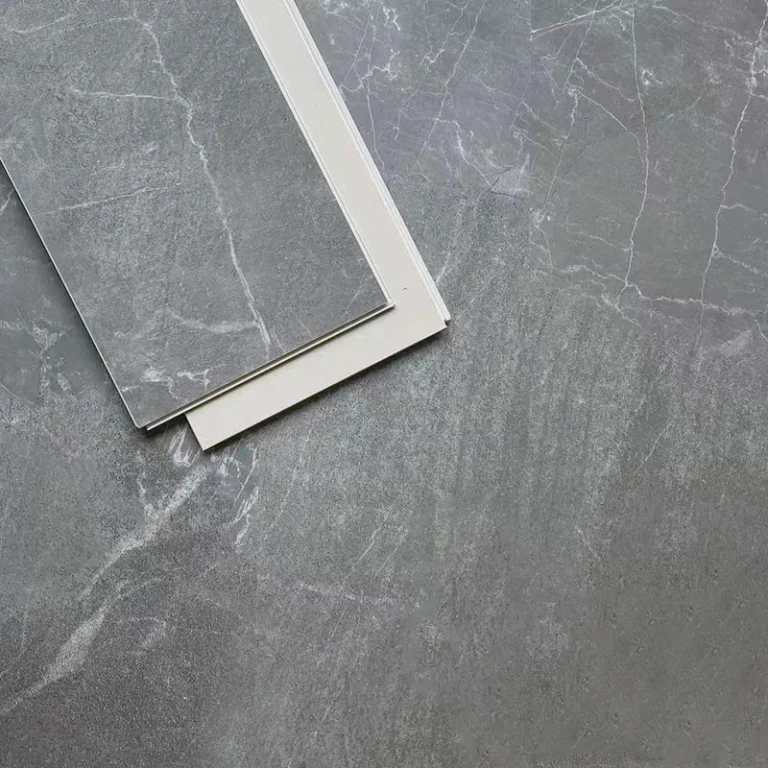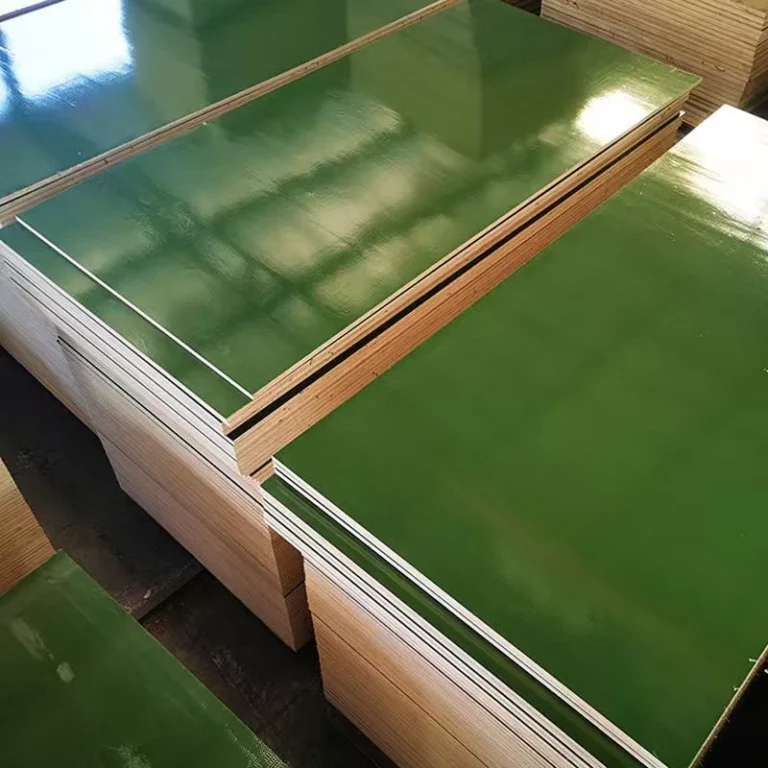
Sourcing anti-slip plywood from a Vietnam supplier can be a practical option for importers, distributors, vehicle manufacturers, and construction companies looking for textured plywood for commercial applications. However, choosing a supplier involves more than comparing product names. Buyers should evaluate the surface pattern, core construction, thickness, bonding, customization options, quality control, and export support before placing an order.
If you are new to anti-slip plywood, start with our guide to Anti-Slip Plywood: Features, Uses and Specifications for an overview of its construction, applications, and general specifications.
Why Source Anti-Slip Plywood from Vietnam?
Vietnam has an established wood-processing and export industry, with manufacturers supplying plywood and other wood-based panels to international markets. For B2B buyers, sourcing from Vietnam can provide access to different plywood constructions and customized specifications.
The main advantage of working directly with a supplier is the ability to discuss technical requirements before production. Buyers can confirm panel dimensions, thickness, core materials, surface patterns, adhesive systems, packaging, and inspection requirements according to the intended application.
For international orders, export experience is also important. Proper packaging, container loading, documentation, and communication can affect the efficiency of the overall purchasing process.
What Applications Use Anti-Slip Plywood?
Anti-slip plywood is mainly selected for applications where a textured surface is preferred over a smooth film surface. Common uses include:
- Truck and trailer floors
- Transportation platforms
- Industrial walkways
- Construction platforms
- Scaffolding decks
- Warehouse and working platforms
- Temporary flooring
For truck and trailer applications, buyers may also find our dedicated guide useful: Anti-Slip Plywood for Truck Floors: A B2B Buying Guide.
The required plywood specification can vary significantly between applications. A panel designed for a vehicle floor may require different thickness, core construction, or surface specifications from one used for a temporary construction platform.
What Should Buyers Check When Choosing a Vietnam Supplier?
Surface Pattern and Film Quality
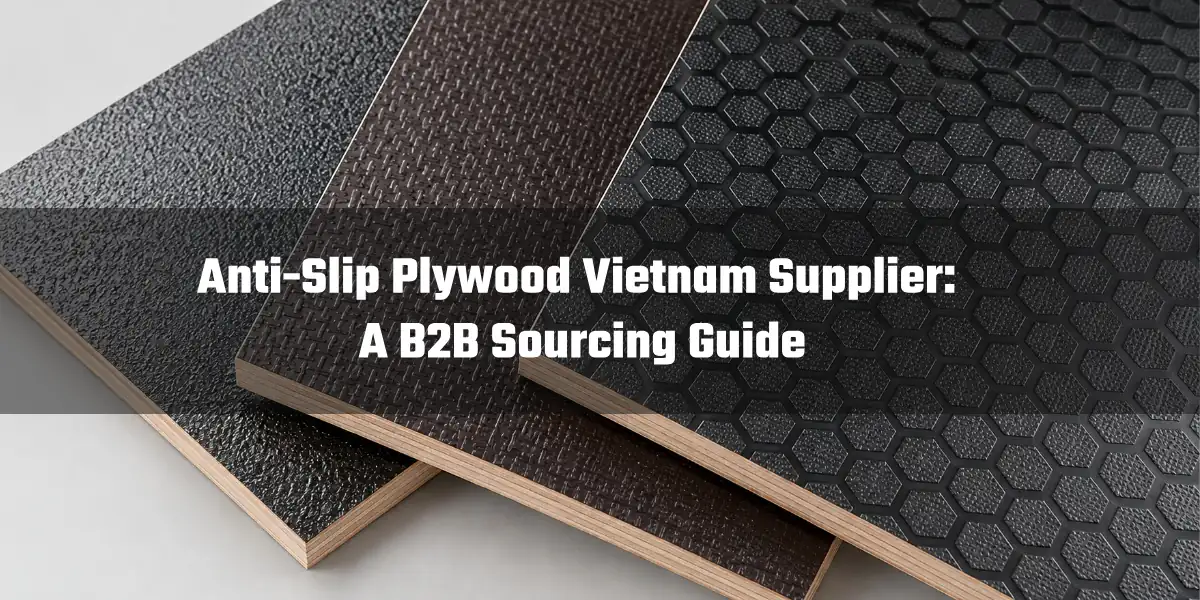
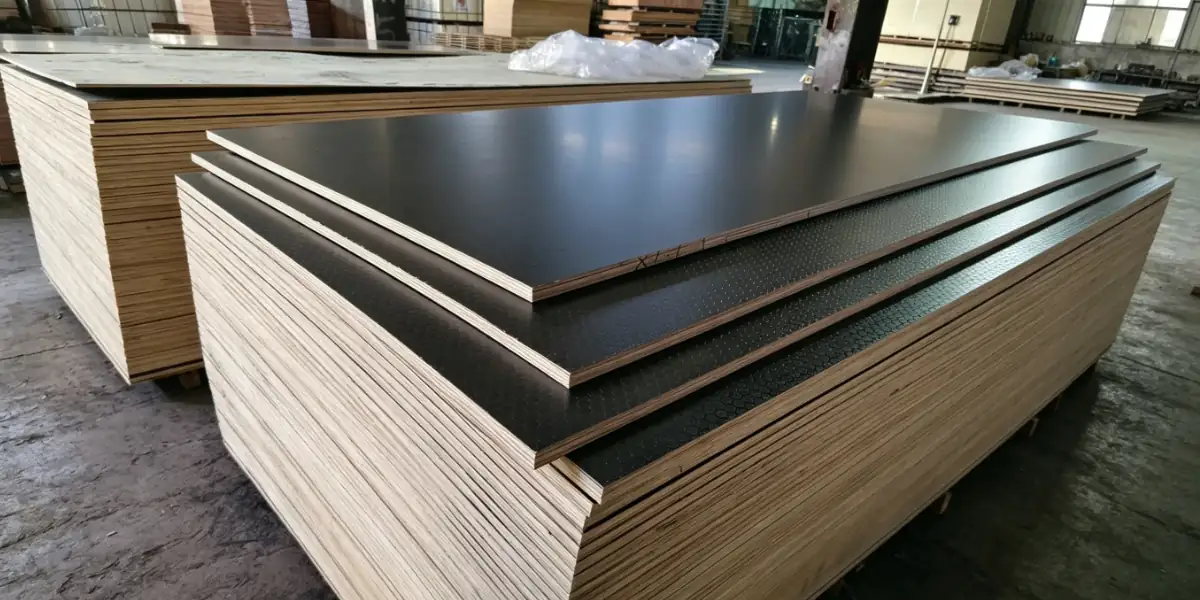
The anti-slip surface is one of the first details buyers should confirm. Depending on the supplier, panels may be available with wire mesh, hexagonal, or other embossed patterns.
The film should have a consistent pattern and good bonding with the plywood underneath. Buyers should also confirm whether the anti-slip surface is required on one side or both sides.
GreenTimber’s Anti-Slip Film Faced Plywood is available with wire mesh and hexagonal surface patterns, as well as one-side and double-side anti-slip configurations.
Core Construction
The plywood core affects the panel’s weight, strength, stability, and overall suitability for the application.
Buyers should ask the supplier about:
- Core wood species
- Veneer quality
- Number of layers
- Core construction
- Panel flatness
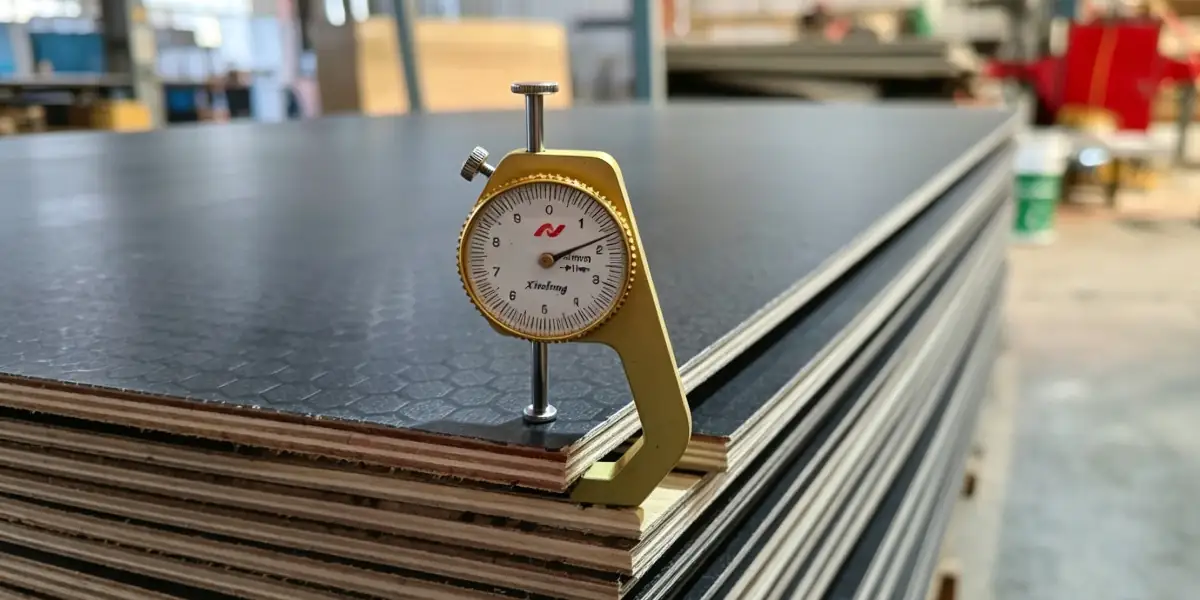
- Thickness tolerance
- Bonding quality
For example, different projects may require a lighter core for easier handling or a denser construction for heavier-duty applications. The supplier should recommend the specification according to the actual working conditions rather than offering one standard configuration for every project.
Moisture Resistance and Bonding
Anti-slip plywood may be used in environments exposed to humidity, rain, wet cargo, or outdoor conditions. The surface film provides a protective layer, but the plywood’s adhesive system and edge treatment also need to be considered.
For applications where moisture resistance is important, buyers should confirm the glue type, film construction, and edge treatment before ordering. GreenTimber’s current anti-slip plywood specifications include Melamine WBP and Phenolic WBP glue options, with moisture content listed at 8%–12%.
Confirm Size and Custom Specifications
Standard panel sizes may be suitable for many projects, but commercial buyers may require customized dimensions to reduce cutting or match a specific vehicle or platform design.
Before requesting a quotation, provide the supplier with clear requirements for:
- Panel length and width
- Thickness
- Core material
- Surface pattern
- Film color
- One-side or two-side anti-slip surface
- Glue type
- Edge treatment
- Packaging
GreenTimber currently lists 1220 × 2440 mm and 1250 × 2500 mm as standard size options for its anti-slip film faced plywood, with customized sizes and thicknesses available according to project requirements.
How to Evaluate an Anti-Slip Plywood Supplier
A supplier evaluation should cover more than product samples. B2B buyers should also look at the manufacturer’s production and quality-control process.
| Factor | What Buyers Should Check |
|---|---|
| Product quality | Surface consistency and core construction |
| Specifications | Thickness, size, and tolerance |
| Customization | Patterns, dimensions, and core options |
| Quality control | Inspection during production and before shipment |
| Packaging | Protection for international transportation |
| Supply capability | Ability to handle repeat orders |
| Documentation | Required product and export documents |
| Samples | Availability for pre-order evaluation |
For larger orders, buyers can request samples before production. This allows them to check the surface texture, thickness, flatness, edge quality, and overall panel construction.
Questions to Ask Before Ordering
Before choosing an anti-slip plywood Vietnam supplier, prepare a clear technical inquiry. Useful questions include:
- What anti-slip patterns are available?
- What thicknesses and panel sizes can you produce?
- Which core materials are available?
- What glue options can be specified?
- Can you provide product samples?
- How is quality inspected before shipment?
- What packaging is used for export orders?
- Can you produce customized specifications?
Clear requirements can reduce misunderstandings between the buyer and supplier and make it easier to compare quotations from different manufacturers.
Why Work with a Vietnam-Based Supplier?
For international buyers, a supplier should provide more than plywood production. Export experience, communication, quality inspection, packaging, and logistics coordination can all affect the purchasing process.
GreenTimber is a plywood and flooring supplier based in Hanoi, Vietnam, supplying products including anti-slip film faced plywood for international markets. The company states that its quality-control process covers production through final shipment and that it provides export support for global customers.
For buyers with specific requirements, direct communication with the supplier can also make it easier to discuss customized panel sizes, thicknesses, core materials, surface patterns, packaging, and inspection arrangements.
Conclusion
Choosing an anti-slip plywood Vietnam supplier requires attention to the complete product and supply process. Surface pattern, film quality, core construction, bonding, moisture resistance, dimensions, and quality control should all be reviewed before placing an order.
For B2B buyers, the most practical approach is to define the application first and then compare suppliers based on their ability to meet the required specifications. Requesting samples and confirming technical details before production can also help improve consistency between shipments.
Contact GreenTimber to discuss your anti-slip plywood specifications, customized requirements, samples, and export orders.