Introduction
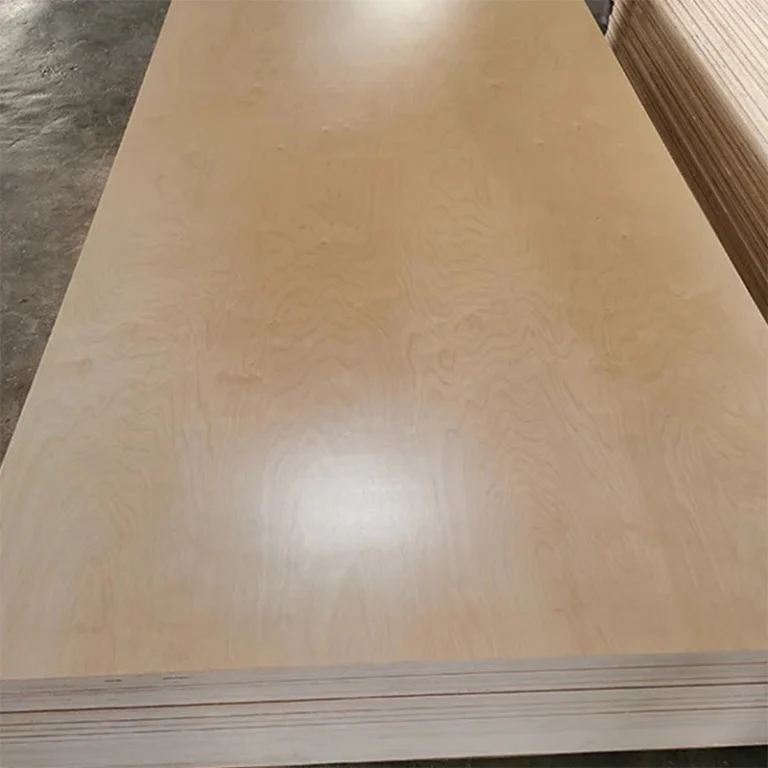
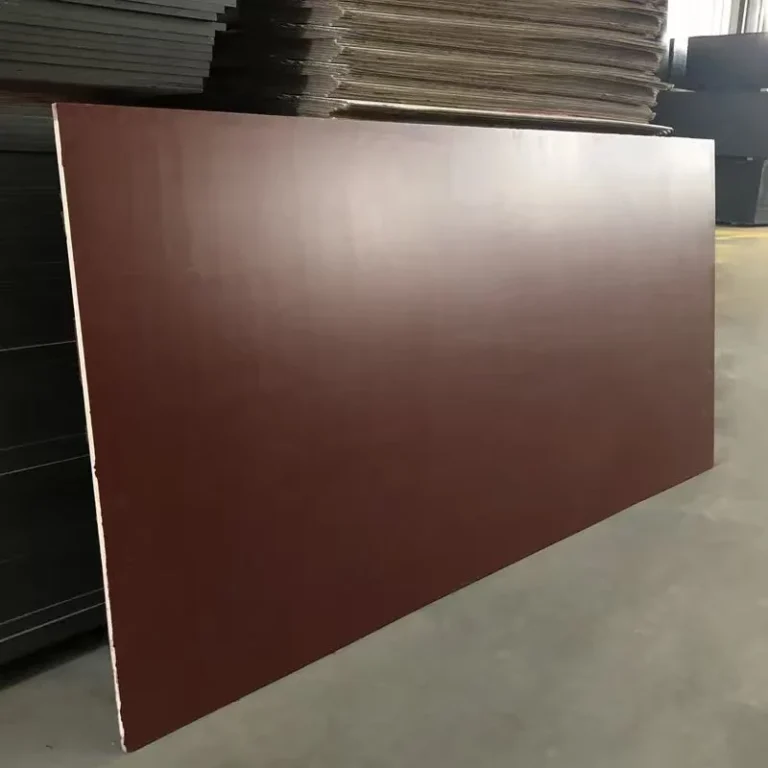
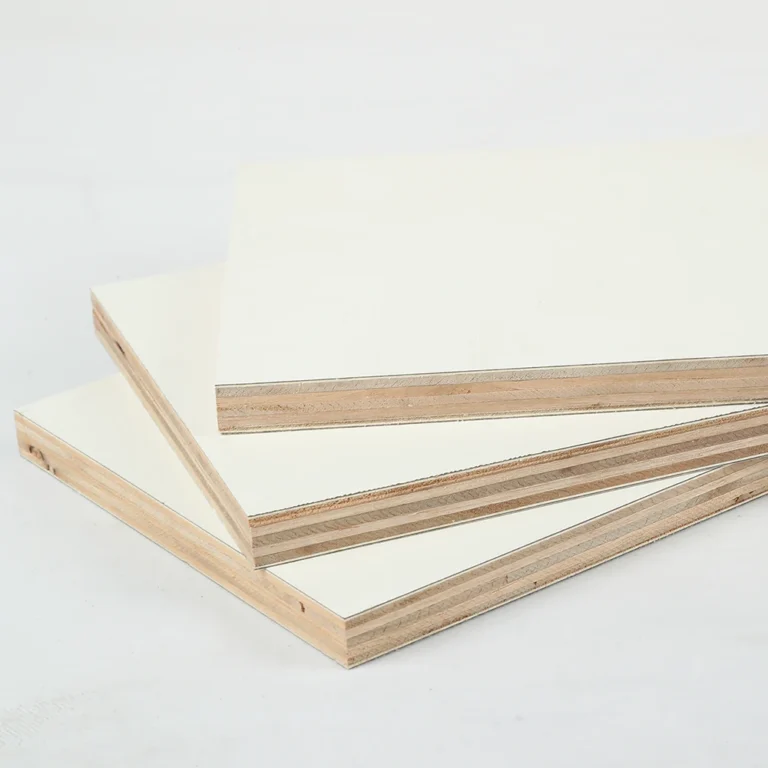
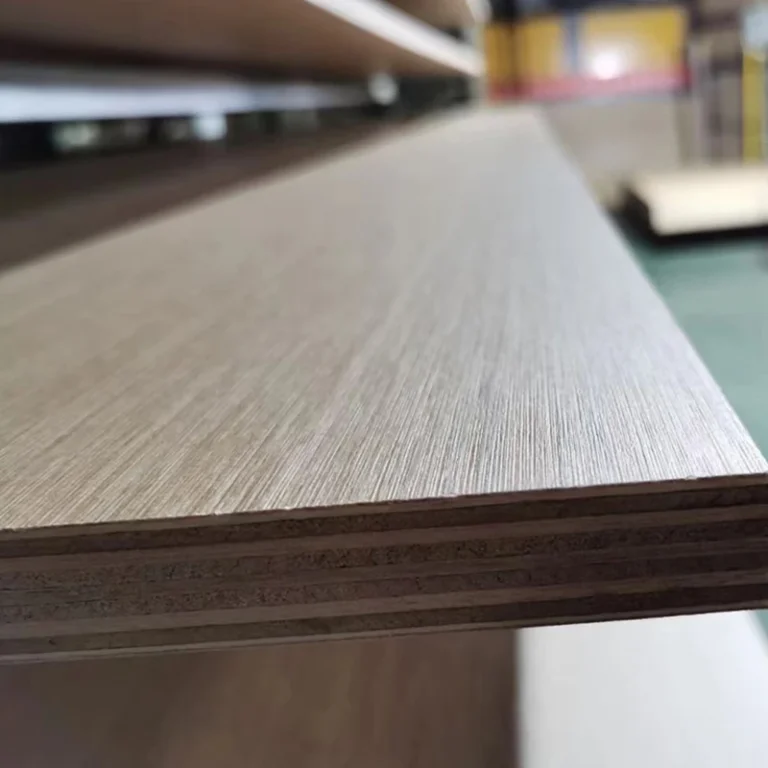
Common Birch Plywood problems in furniture manufacturing include warping, delamination, veneer cracking, edge chipping, core voids, moisture damage, and color variation. These issues usually occur due to poor material quality, incorrect processing, or improper storage conditions. Proper selection of high-quality birch plywood and correct manufacturing practices can significantly reduce these defects.
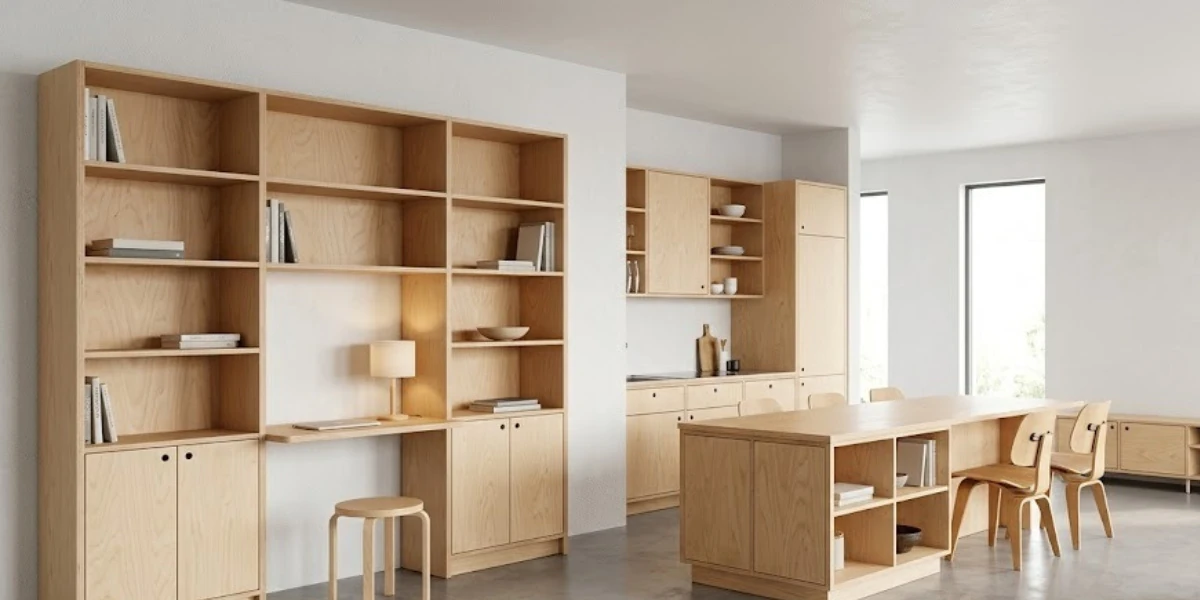
Birch plywood is widely used in furniture manufacturing due to its strength, smooth surface, and excellent stability. However, even high-quality panels may develop performance issues during production or long-term use.
Understanding Common Birch Plywood problems helps manufacturers improve product quality, reduce waste, and ensure stable furniture performance.
Why Does Birch Plywood Warp or Bend?
Warping happens when moisture content is uneven or when plywood is stored or processed incorrectly.
Main causes include:
- Uneven moisture levels
- Poor storage conditions
- Unbalanced veneer structure
- High humidity exposure
👉 Warping affects cabinet precision and furniture assembly accuracy.
What Causes Birch Plywood Delamination?
Delamination occurs when plywood layers separate due to weak bonding.
Main reasons:
- Low-quality glue
- Improper hot pressing
- Excess moisture exposure
- Poor core quality
👉 This is one of the most serious structural failures in furniture production.
Why Does Veneer Cracking Occur in Birch Plywood?
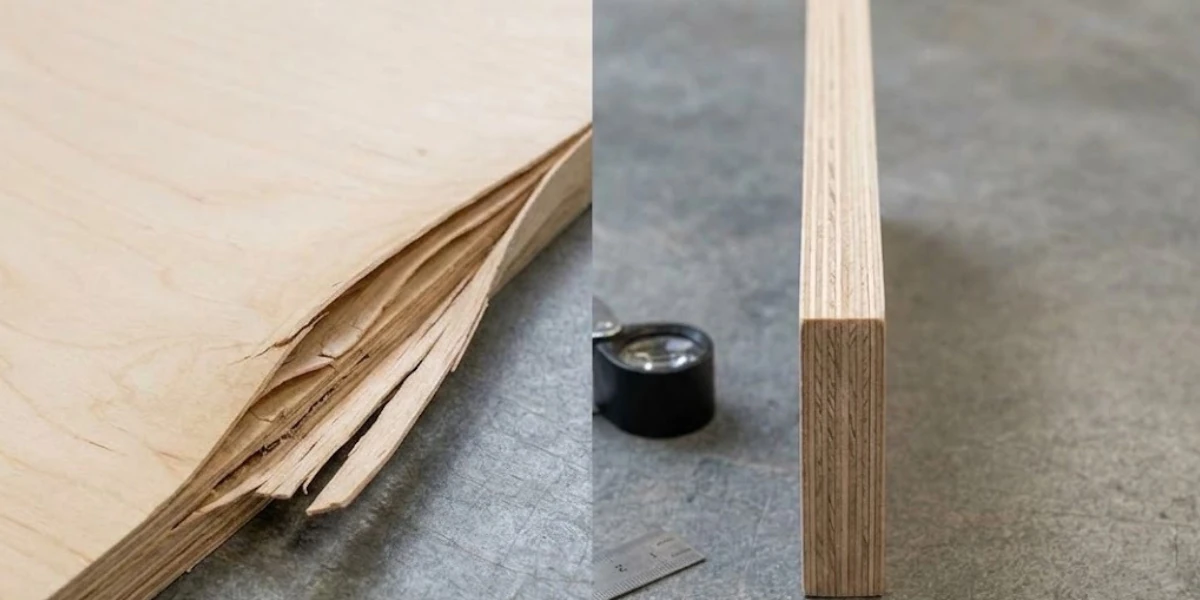
Veneer cracking is caused by environmental stress and poor processing conditions.
Common triggers:
- Dry environments
- Heat exposure
- Improper sanding
- Rapid humidity changes
👉 Cracking reduces furniture appearance and finishing quality.
What Causes Edge Chipping During Cutting?
Edge chipping happens during CNC cutting or sawing.
Main causes:
- Dull blades
- Incorrect cutting speed
- Weak veneer bonding
- Poor machining settings
👉 It affects cabinet edges and increases finishing costs.
What Are Core Voids in Birch Plywood?
Core voids are internal gaps inside plywood layers.
Impact:
- Weak screw holding strength
- Lower load-bearing capacity
- Reduced durability
👉 This is common in low-quality plywood.
How Does Moisture Damage Birch Plywood Furniture?
Moisture causes swelling, bubbling, and delamination.
High-risk areas:
- Kitchens
- Bathrooms
- Laundry rooms
👉 Moisture is one of the biggest threats to plywood furniture lifespan.
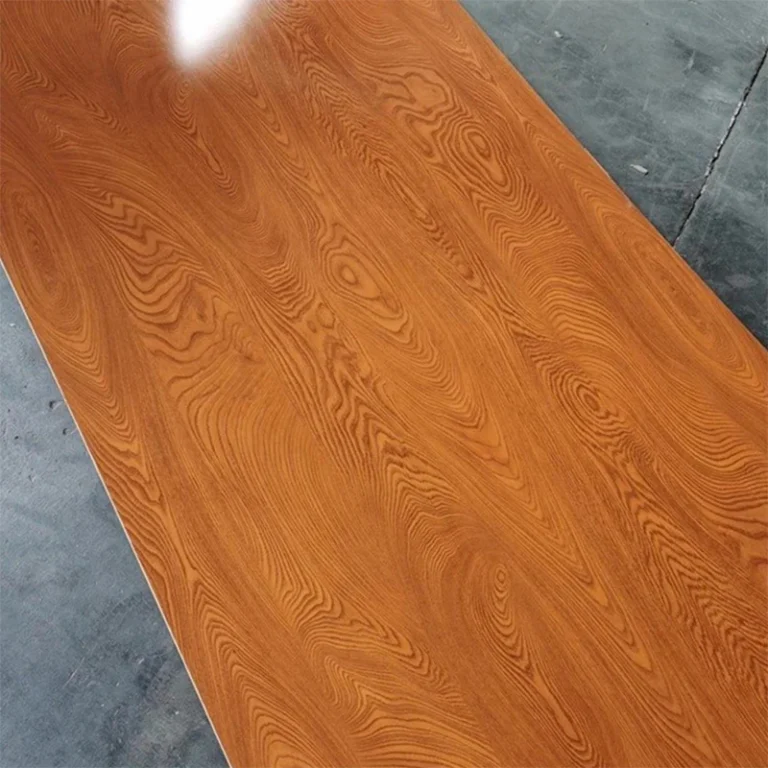
Why Does Birch Plywood Have Color Variation?
Natural birch veneer has different grain and tone patterns.
Causes:
- Natural wood variation
- Different production batches
- Lack of surface finishing
👉 UV coating can help reduce color inconsistency.
How to Avoid Low-Quality Birch Plywood Problems?
To avoid defects, manufacturers should:
- Choose full birch core plywood
- Use WBP waterproof glue for humid areas
- Check certifications (FSC, CARB P2, CE)
- Inspect samples before bulk orders
- Store panels in dry conditions
Conclusion
Common Birch Plywood problems such as warping, delamination, cracking, and moisture damage are mostly preventable. By using high-quality materials and following proper manufacturing and storage standards, furniture manufacturers can significantly improve product durability and reduce production defects.
If you are looking for stable supply or need technical support, feel free to contact us for more information and product solutions.