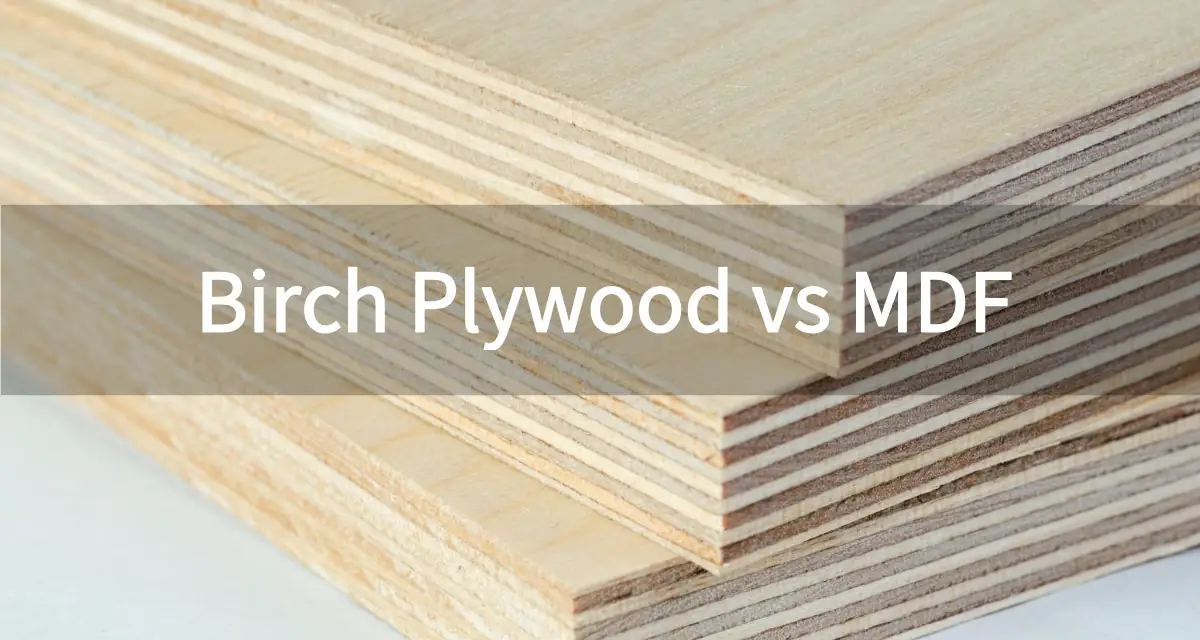
When choosing materials for furniture or interior projects, many people compare birch plywood vs MDF to find the best option. Both materials are widely used in construction and woodworking, but they differ significantly in strength, durability, cost, and application.
In this guide, we’ll break down the key differences between these two materials and help you decide which one is right for your needs.
What Is Birch Plywood?
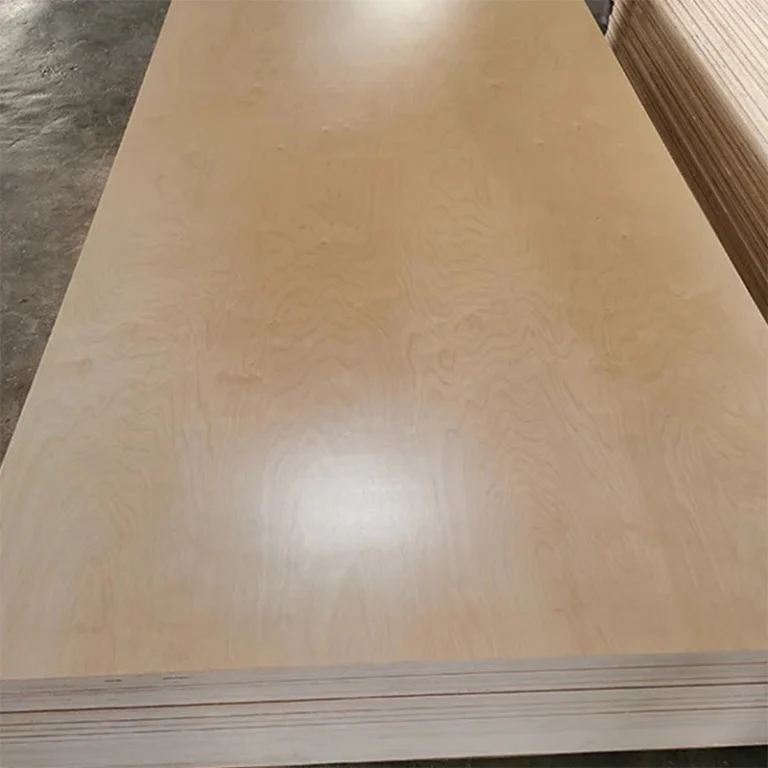
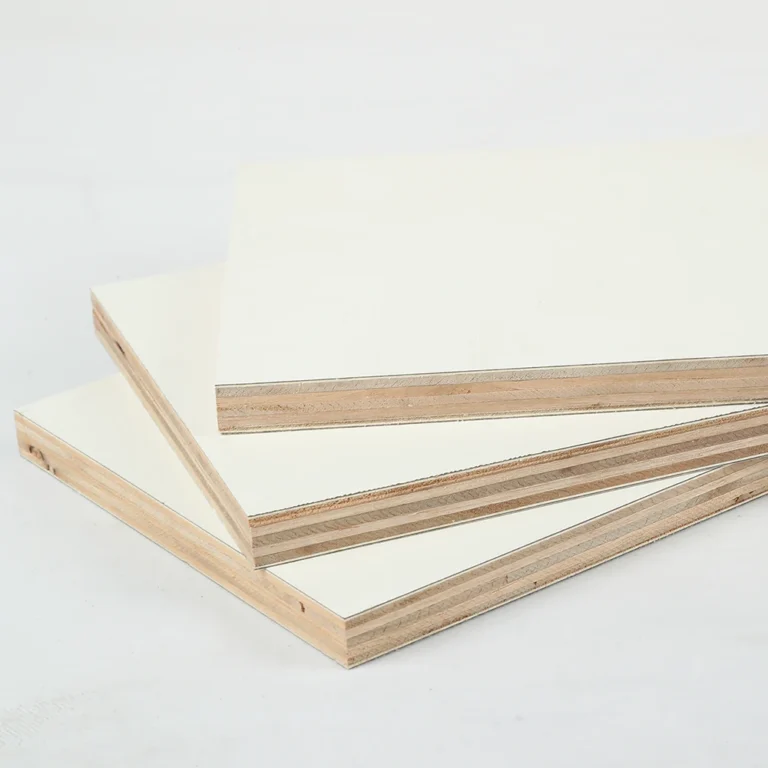
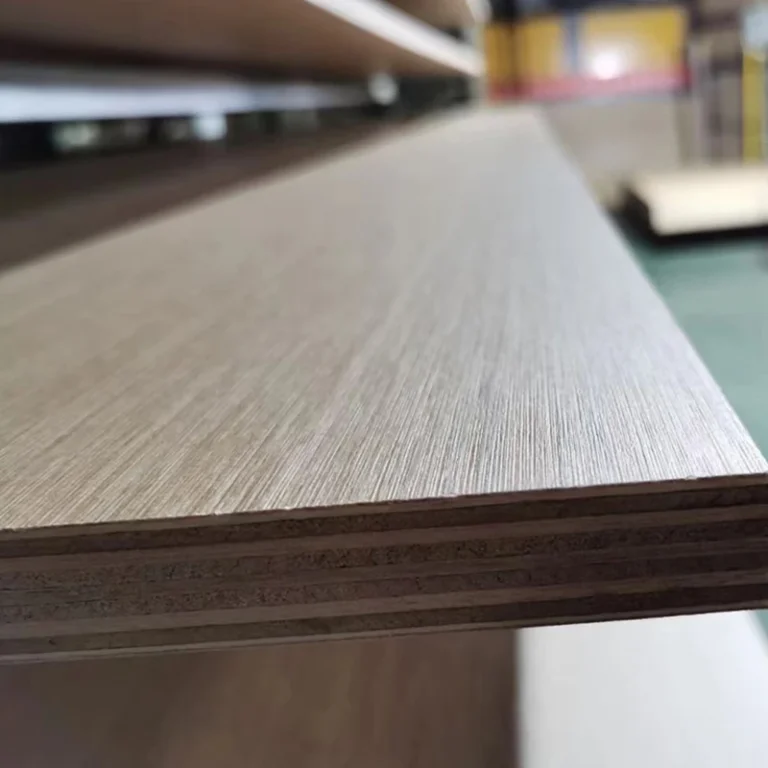
Birch plywood is a high-quality engineered wood made from multiple layers of birch veneer glued together. The cross-grain structure gives it excellent strength and stability.
Key Features
- Strong and durable
- Good screw-holding capacity
- Natural wood grain appearance
- Resistant to warping and cracking
This material is commonly used for furniture, cabinets, and structural applications.
What Is MDF?
MDF (Medium Density Fiberboard) is made from wood fibers combined with resin and compressed into dense panels. It has a smooth and uniform surface, making it ideal for painted finishes.
Key Features
- Smooth surface for painting
- Affordable price
- Easy to cut and shape
- No visible grain
It is often used for decorative panels, cabinetry, and indoor furniture.
Birch Plywood vs MDF: Key Differences
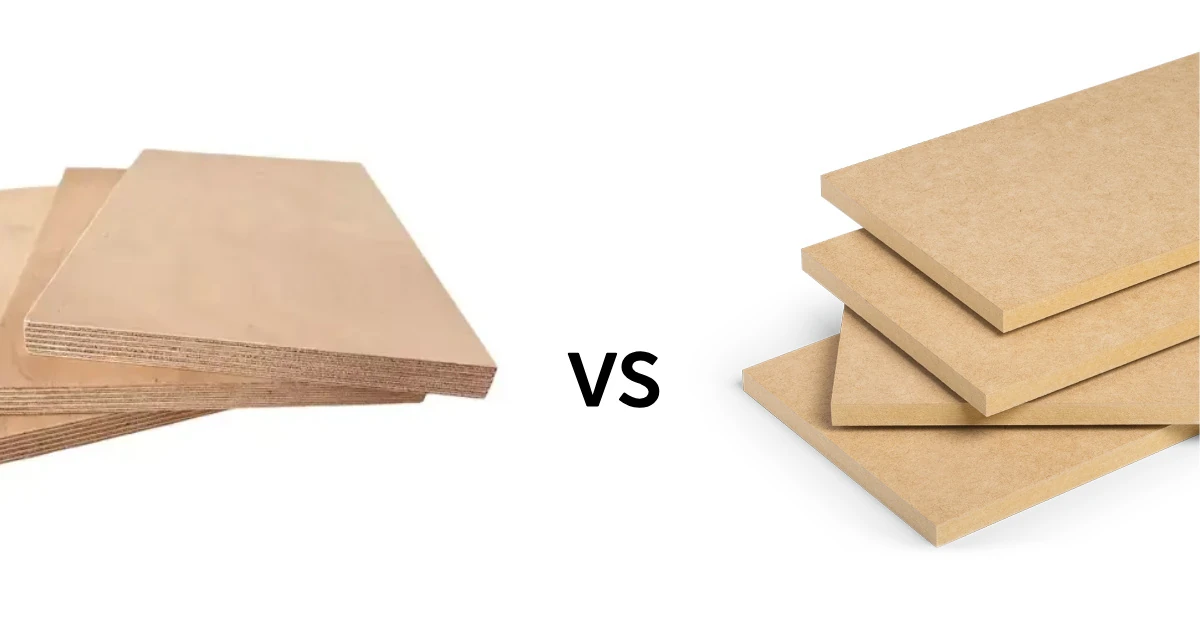
Here’s a side-by-side comparison to clearly understand how these materials perform:
| Feature | Birch Plywood | MDF |
|---|---|---|
| Strength | High | Medium |
| Durability | Long-lasting | Less durable |
| Moisture Resistance | Better | Poor |
| Weight | Lighter | Heavier |
| Cost | Higher | Lower |
| Surface Finish | Natural wood grain | Smooth, ideal for paint |
| Screw Holding | Excellent | Weak |
Which Is Better for Furniture?
When comparing birch plywood vs MDF for furniture, the choice depends on your priorities:
- Choose birch plywood if you need:
- Strong structure
- Long lifespan
- Natural wood aesthetics
- Choose MDF if you need:
- A smooth painted finish
- Lower cost
- Simple indoor use
👉 For high-end furniture, birch plywood is usually the better option.
Durability and Strength Comparison
Birch plywood is significantly stronger due to its layered construction. It can handle weight, pressure, and long-term use much better than MDF.
MDF, on the other hand:
- Can sag over time
- Is more prone to damage
- Has weaker screw-holding ability
👉 If durability is your priority, birch plywood clearly wins.
Moisture Resistance: Which Performs Better?
Moisture resistance is a critical factor in many projects.
- Birch plywood offers better resistance to humidity and water exposure
- MDF absorbs moisture easily and can swell or deform
👉 For kitchens, bathrooms, or humid environments, birch plywood is the safer choice.
Cost Comparison
MDF is more affordable, making it attractive for budget-conscious projects.
However:
- Birch plywood lasts longer
- Requires fewer replacements
👉 In the long run, birch plywood often provides better value.
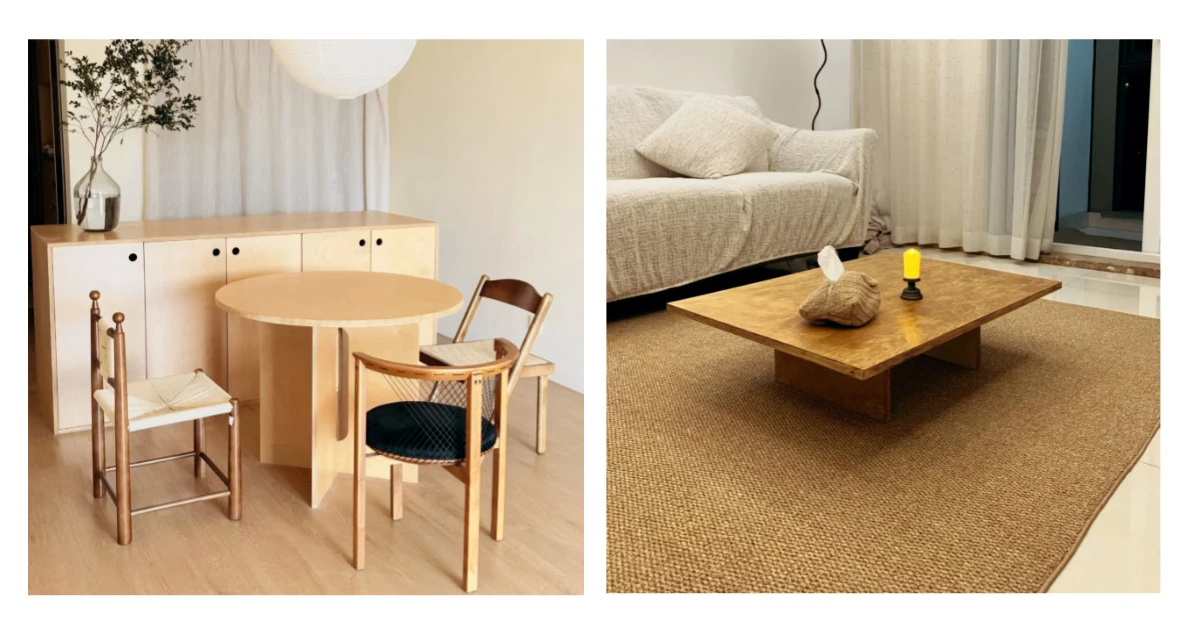
Best Applications for Each Material
Use Birch Plywood For:
- Cabinets
- Furniture frames
- Shelving
- Structural components
Use MDF For:
- Painted furniture
- Decorative panels
- Interior trim
- Low-load applications
Pros and Cons
Birch Plywood
Pros:
- Strong and durable
- Water-resistant
- Long lifespan
Cons:
- Higher cost
- Requires finishing
MDF
Pros:
- Smooth surface
- Easy to work with
- Lower price
Cons:
- Weak structure
- Poor moisture resistance
- Shorter lifespan
Conclusion
When comparing birch plywood vs MDF, there is no one-size-fits-all answer. However:
- Choose birch plywood for strength, durability, and long-term use
- Choose MDF for affordability and smooth painted finishes
If your project requires reliability and performance, birch plywood is the superior option.
👉 You can reach out to us if you’d like more information or product details.