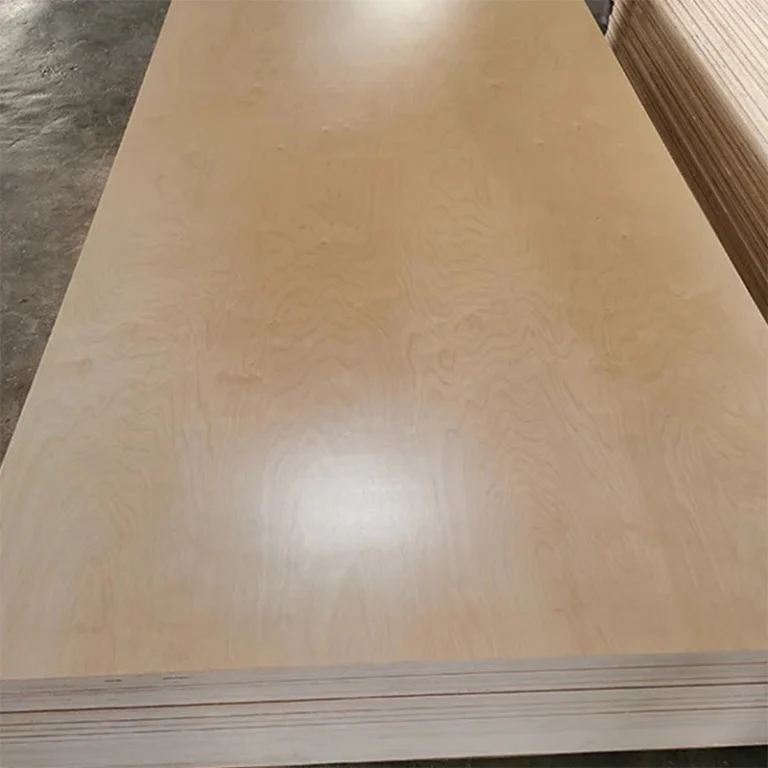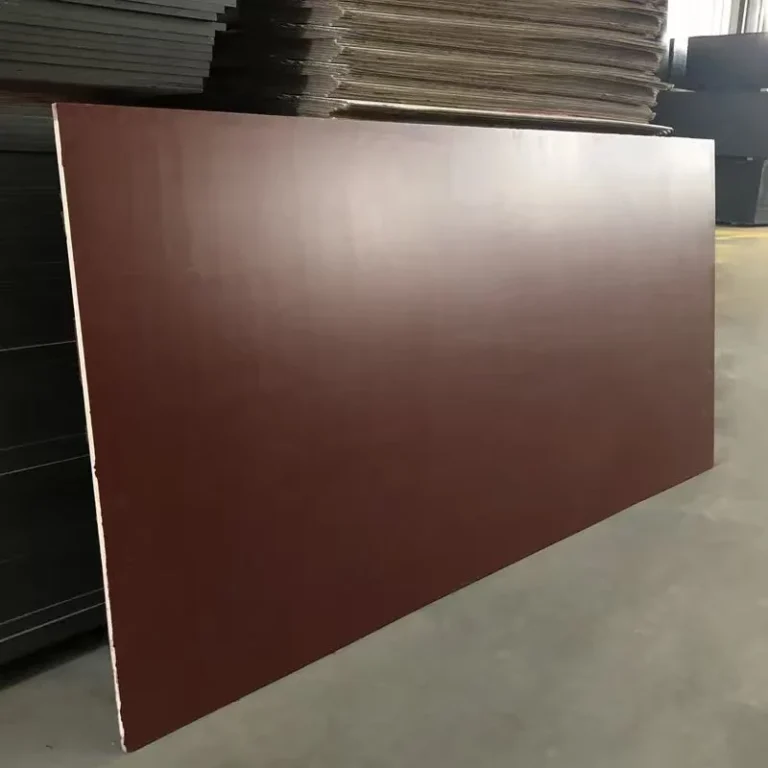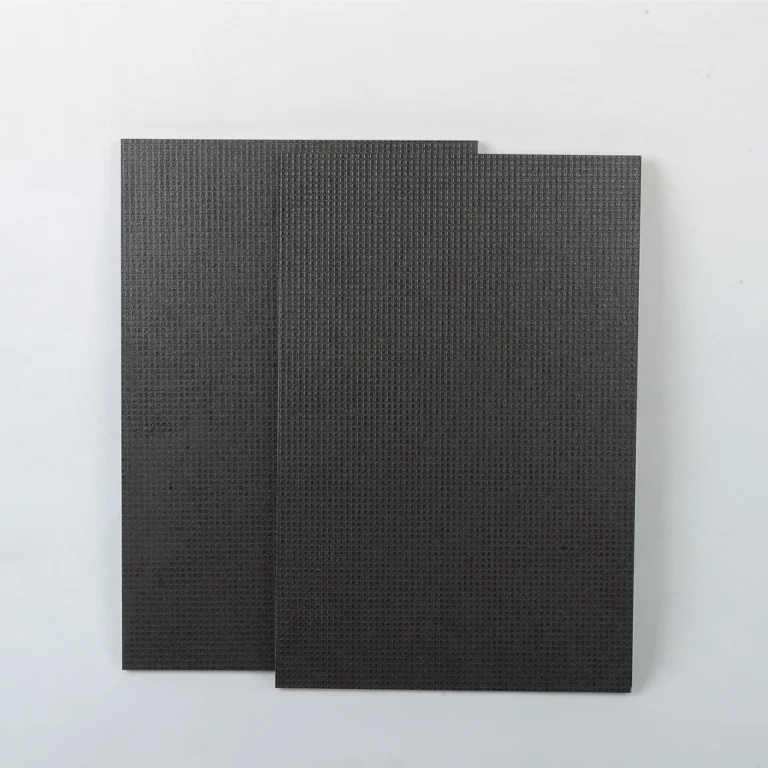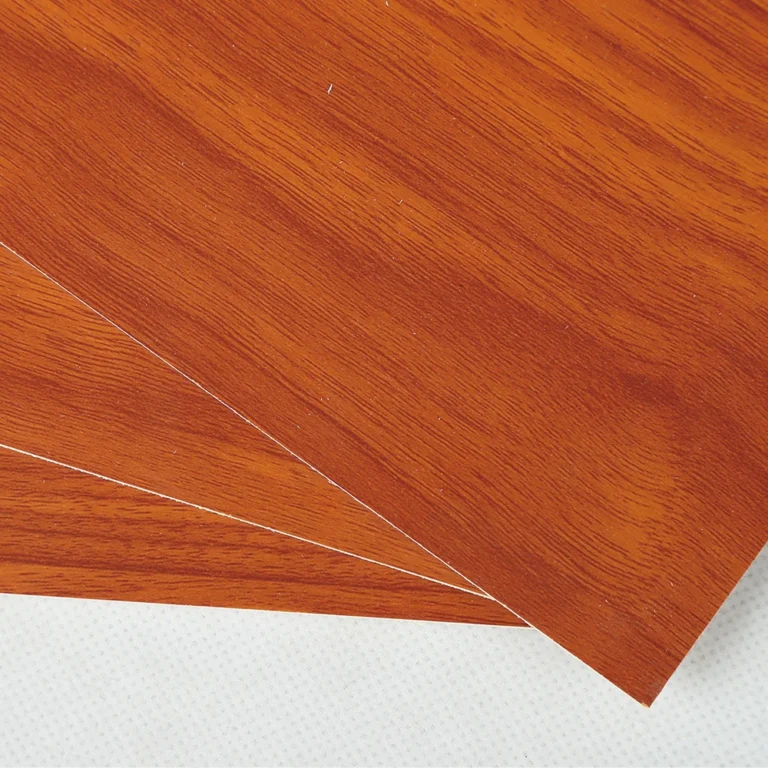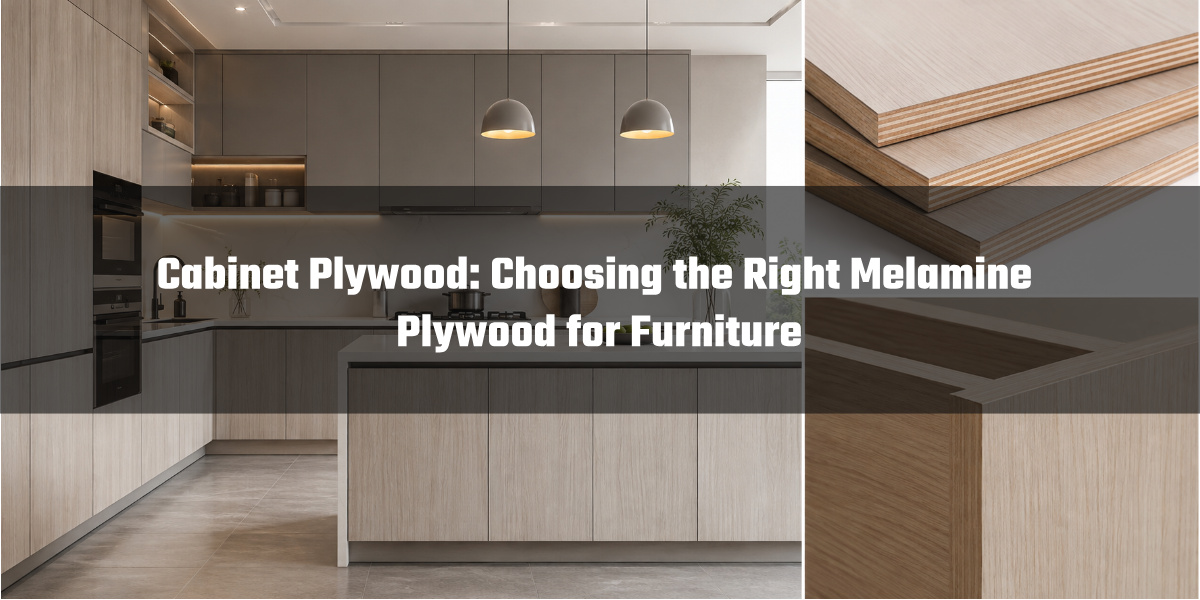
When a furniture manufacturer starts looking for cabinet plywood, the first question is rarely just about price. The panel needs to survive cutting, drilling, assembly and everyday use, while the visible surface still needs to look clean after installation.
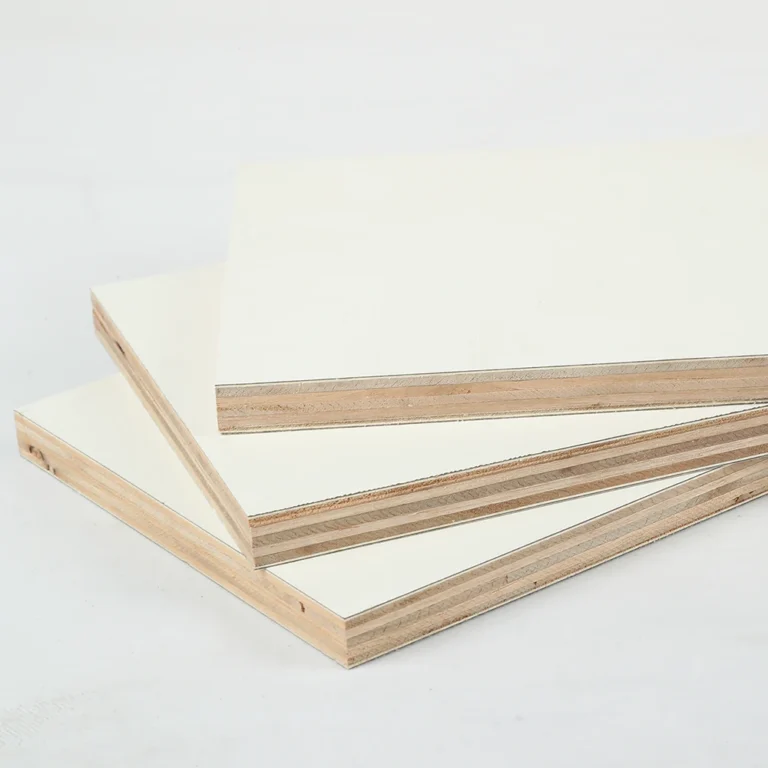
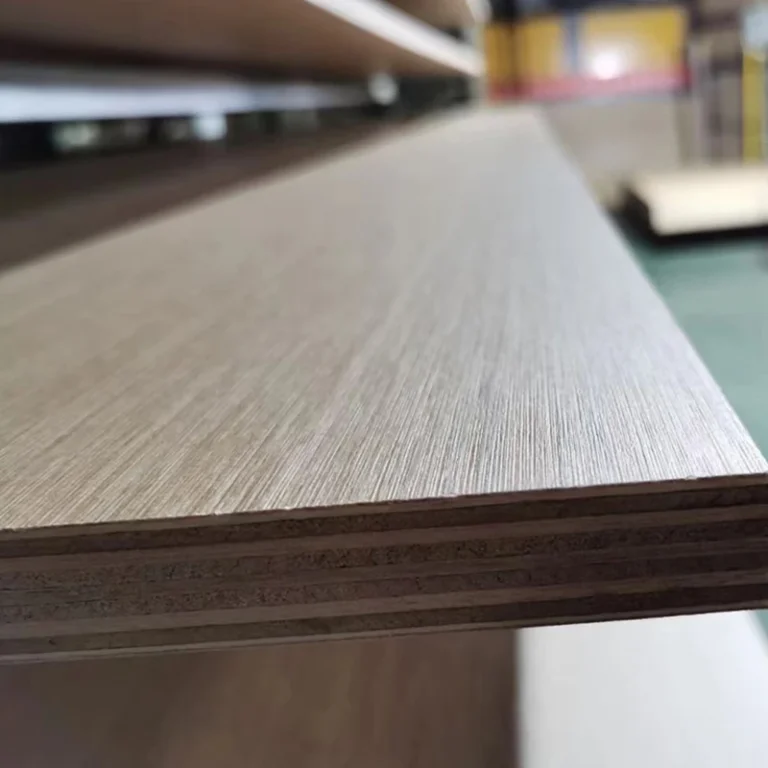
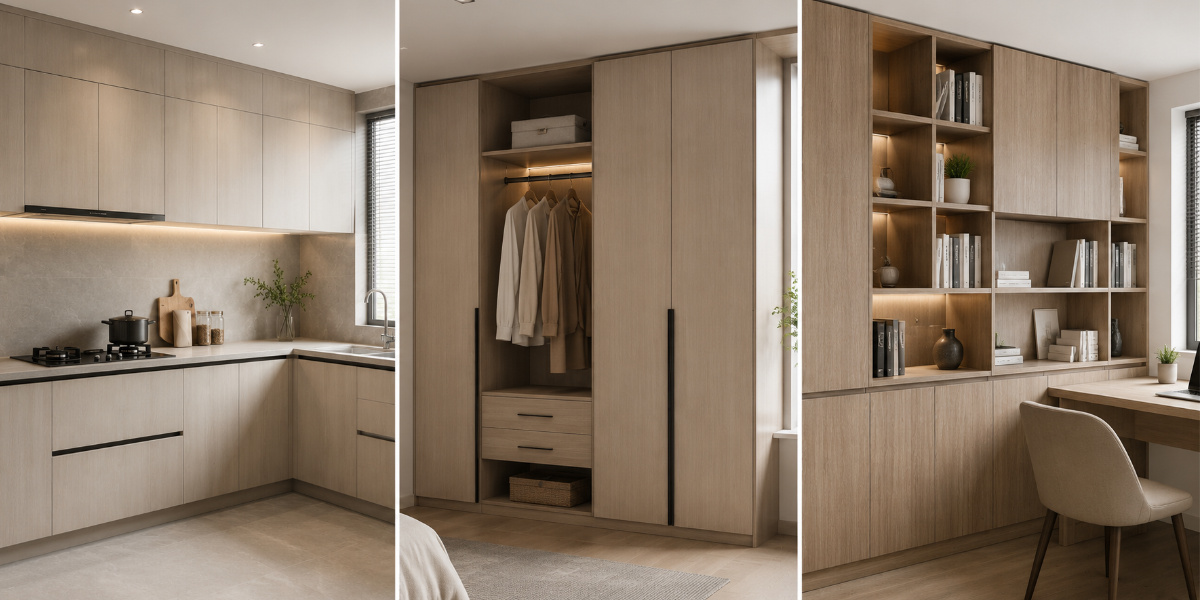
For many indoor furniture projects, melamine plywood offers a practical combination of a strong plywood core and a finished decorative surface. It is commonly considered for kitchen cabinets, wardrobes, shelves, office storage and other furniture applications.
What Is Cabinet Plywood?
Cabinet plywood is plywood selected or manufactured for furniture and cabinetry applications where strength, stability, surface quality and machining performance are important. It is commonly used for kitchen cabinets, wardrobes, shelves and storage furniture. Melamine plywood is one option because it combines a plywood core with a ready-to-use decorative surface.
Unlike plywood used mainly for construction, cabinet plywood is often chosen with greater attention to appearance, thickness consistency, screw holding and how easily the panel can be cut and assembled.
That difference matters in furniture production. A panel may look fine when it leaves the factory, but inconsistent thickness or a weak core can create problems later during CNC machining, edge banding or hardware installation.
Is Melamine Plywood Good for Cabinets?
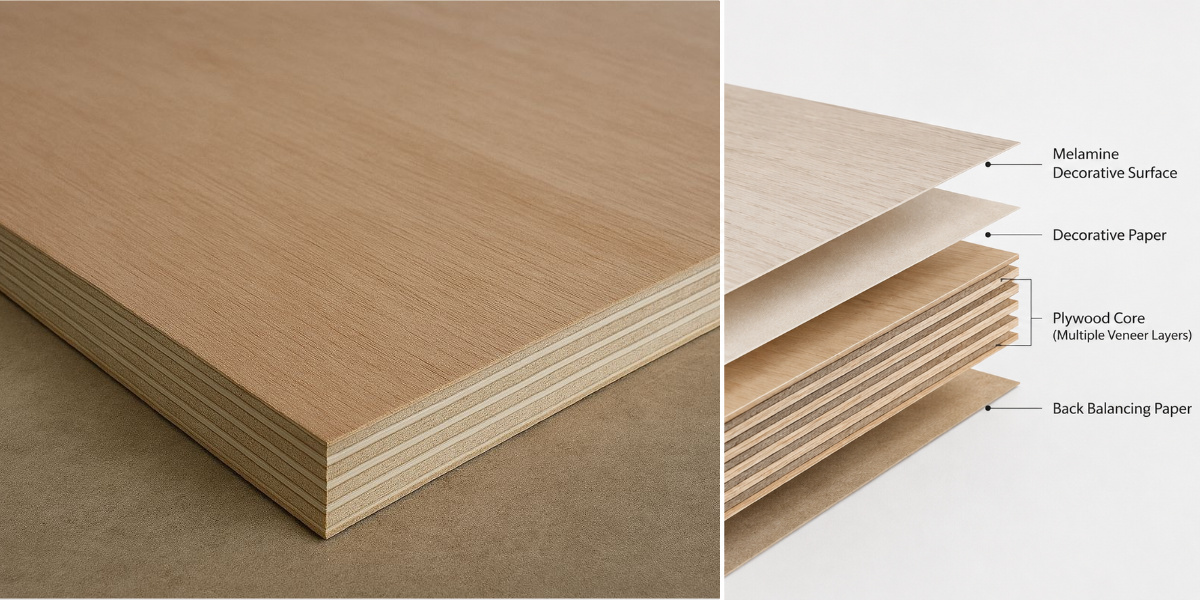
Yes, melamine plywood for cabinets is a practical choice for many kitchen cabinets, wardrobes and indoor furniture applications. It combines the strength and stability of a plywood core with a decorative melamine surface, reducing the need for additional painting or laminating. The final suitability depends on the core material, thickness, adhesive and moisture requirements.
The biggest advantage is convenience. The melamine surface is already applied, so manufacturers can focus on cutting, drilling, edge treatment and assembly instead of adding another decorative finishing process.
For a furniture factory producing cabinets in volume, that can make the production line simpler and more consistent.
Why Use Melamine Plywood for Kitchen Cabinets?
Kitchen furniture has some specific requirements. Cabinet boxes need to remain stable after assembly, shelves need to support everyday loads, and doors and drawers need accurate machining for hinges and hardware.
The appearance is important too.
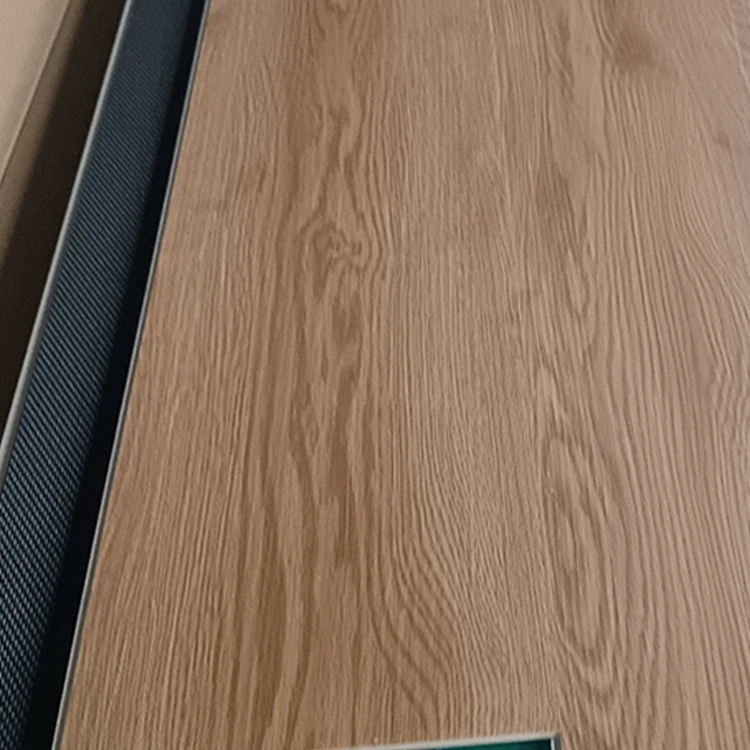
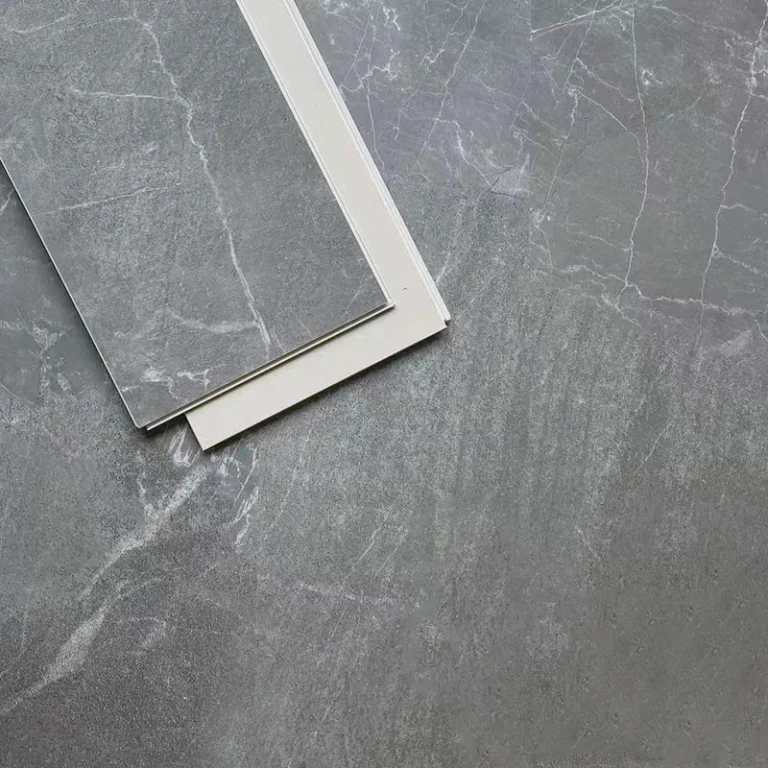
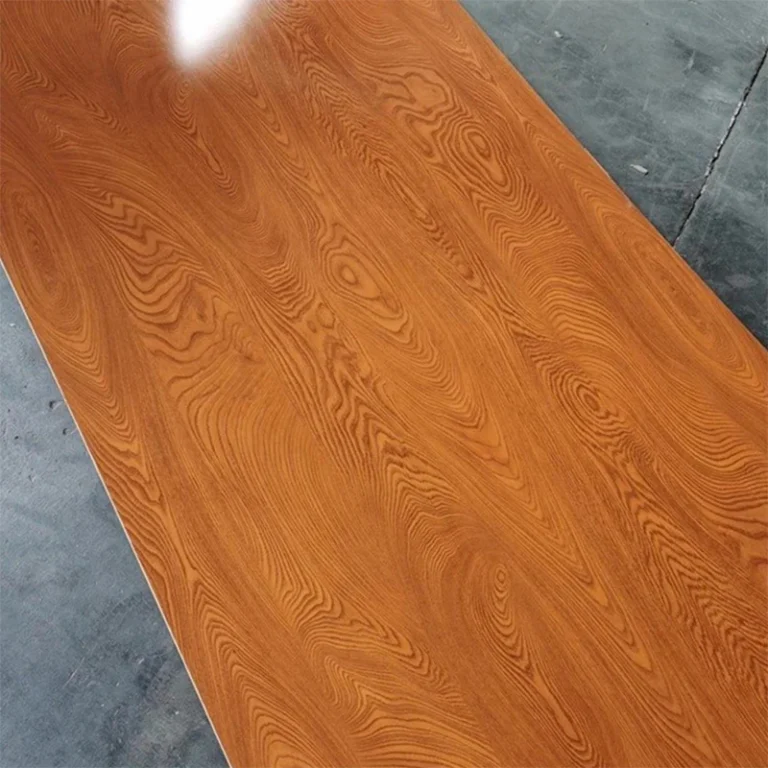
White remains a common choice for modern kitchens, but melamine plywood can also be produced with woodgrain patterns, grey, black and other decorative finishes. This gives manufacturers more options without changing the basic cabinet construction.
There is one point worth keeping in mind. A melamine surface does not automatically mean that the whole panel is waterproof. For kitchens and other areas where moisture is a concern, buyers should check the plywood core, adhesive, edge sealing and intended application.
What Should You Check When Buying Cabinet Plywood?
A product sample can tell you more than a long specification sheet. Before placing a large order, furniture manufacturers should check several details.
1. Plywood Core
Ask what species or combination of wood is used in the core. Poplar, eucalyptus, birch and mixed hardwood plywood can differ in weight, strength and cost.
The core should also be properly bonded. This becomes particularly important around screws, hinges and machined edges.
2. Thickness and Tolerance
15 mm and 18 mm panels are commonly considered for many cabinet components, although the right thickness depends on the design and load requirements.
Thickness consistency is just as important as the nominal thickness. Panels with inconsistent dimensions can cause problems during CNC processing and edge banding.
3. Melamine Surface
Check the actual sample for color consistency, surface smoothness, texture and bonding quality.The choice of surface can also affect the final furniture appearance, so buyers may want to compare glossy and matte melamine plywood finishes before selecting a design.
For large furniture projects, it is worth approving a sample before mass production. This can help avoid noticeable differences between batches.
4. Adhesive and Emission Requirements
The required formaldehyde emission level and applicable standards can vary between markets.
If the cabinets are going to Europe, North America or another regulated market, confirm the required documentation and test standards before production.
What Thickness Is Best for Cabinet Plywood?
There is no single thickness that works for every cabinet. For many furniture applications, 15 mm and 18 mm plywood are commonly used, while thinner or thicker panels may be selected for doors, backs, shelves or special cabinet designs. The correct choice depends on construction, span, hardware and expected load.
For this reason, buyers should avoid selecting a panel based on thickness alone. Core construction and thickness tolerance also have a direct effect on machining and assembly.
Melamine Plywood vs. Regular Plywood
Regular plywood remains a useful material when the furniture will be painted, veneered or laminated after production.
Melamine plywood is more convenient when the manufacturer already knows the required finished appearance. The decorative surface is applied at the panel stage, which can reduce additional finishing work.
For high-volume cabinet production, this can be an important advantage. For custom furniture that requires a special painted or stained finish, unfinished plywood may still be the better option.
Choosing a Cabinet Plywood Supplier
For importers and furniture manufacturers, supplier consistency is often more important than getting the lowest initial quotation.
Before placing a bulk order, buyers should ask about core construction, thickness tolerance, available melamine designs, bonding quality, packaging and quality inspection. If the project requires customized colors, sizes or surface patterns, confirm those options before production begins.
A supplier experienced in export packaging and container loading can also help reduce avoidable problems during international transportation.
Frequently Asked Questions
Is melamine plywood better than MDF for cabinets?
It depends on the project. Melamine plywood generally offers the structural characteristics of a plywood core, while melamine MDF provides a smooth and uniform fiberboard substrate. Buyers should compare strength, weight, machining requirements, cost and the intended cabinet design.
Can melamine plywood be used for kitchen cabinets?
Yes. It can be used for cabinet boxes, shelves, doors and other indoor kitchen furniture components. For areas exposed to moisture, the core, adhesive and edge treatment should be evaluated together with the surface.
What is the best plywood for cabinets?
There is no universal answer. The right cabinet plywood depends on the required strength, appearance, thickness, budget and manufacturing process. Melamine plywood is a practical choice when a finished decorative surface is required.
How do I choose a cabinet plywood supplier?
Compare more than price. Check plywood core quality, thickness consistency, surface finish, bonding performance, certifications, packaging and the supplier’s ability to maintain consistent quality across repeated orders.
Conclusion
For furniture manufacturers that want a balance between a stable plywood structure and a finished decorative surface, melamine plywood is worth considering. It can simplify production while providing the appearance required for kitchens, wardrobes, shelving and office furniture.
The best cabinet plywood is ultimately the one that matches the cabinet design, manufacturing process and destination market. Checking samples and specifications before a bulk order is usually the simplest way to make that decision with confidence.