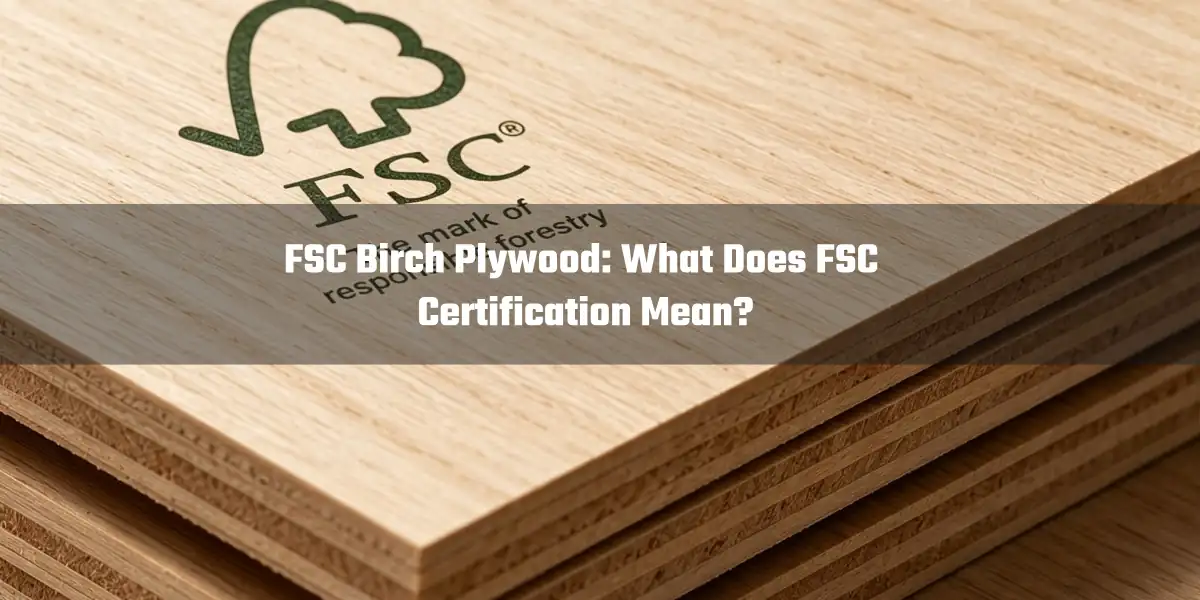
When buying FSC birch plywood, the FSC logo is more than a label on the packaging. For furniture manufacturers, distributors, construction companies, and other professional buyers, it can provide important information about where the wood comes from and how it is controlled through the supply chain.
But not all FSC claims mean exactly the same thing. You may come across FSC 100%, FSC Mix, or a supplier claiming to have a Chain of Custody certificate. Understanding these terms makes it easier to compare plywood suppliers and avoid certification problems during purchasing.
What Is FSC Birch Plywood?
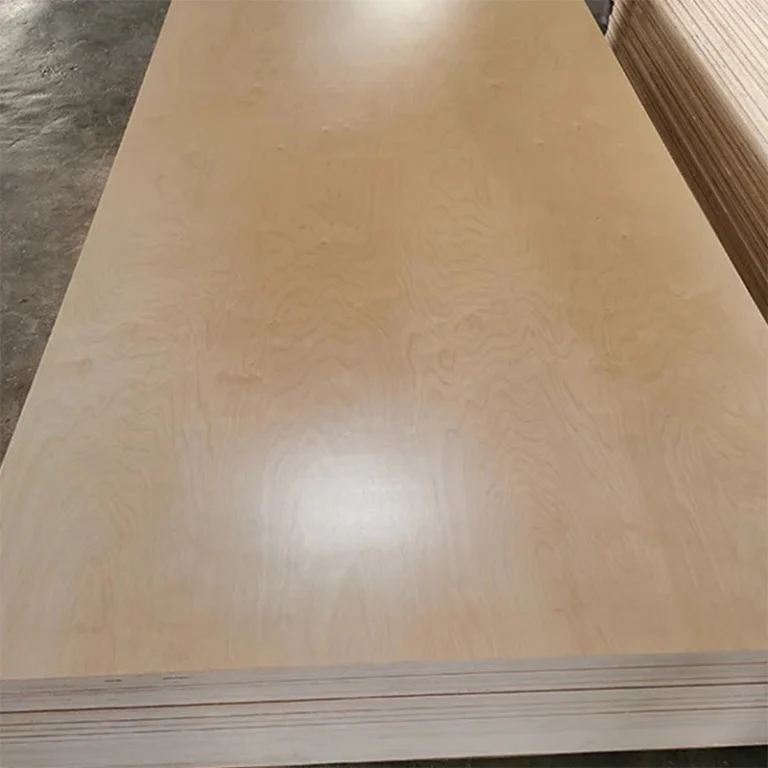
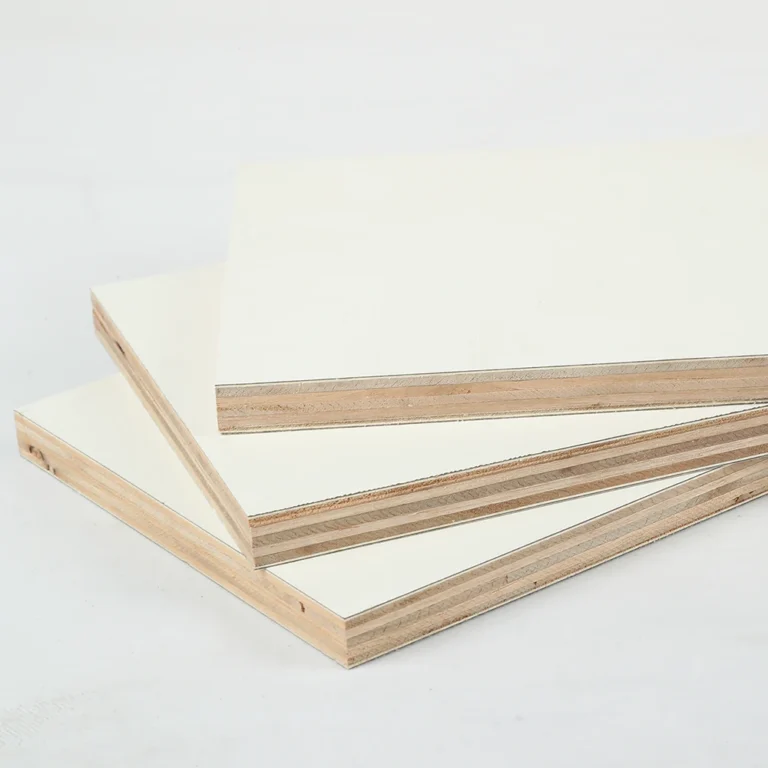
FSC birch plywood is a type of birch plywood made with forest-based materials that meet the requirements of the Forest Stewardship Council (FSC) system.
FSC certification focuses on responsible forest management, including environmental, social, and economic considerations. For plywood buyers, however, one important point is often overlooked: the plywood itself and the company selling it are not necessarily covered by the same type of certification.
A manufacturer or trader normally needs an FSC Chain of Custody (CoC) certification to sell products as FSC-certified through the supply chain.
This distinction matters when you are sourcing plywood for Europe or for projects that specifically require certified wood.
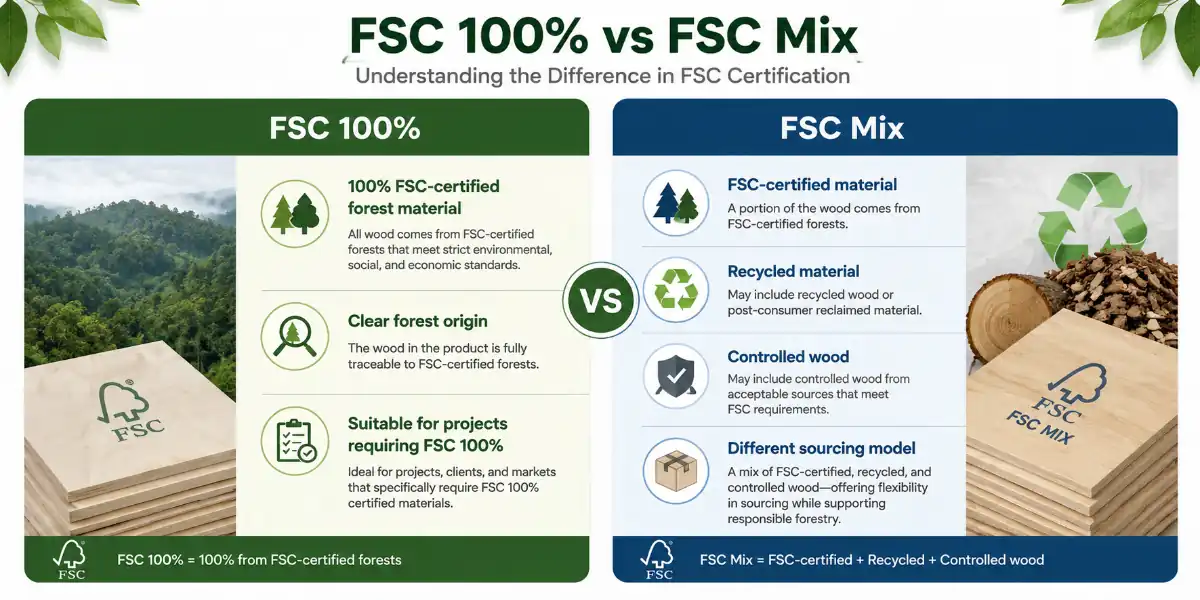
FSC 100%: What Does It Mean?
FSC 100% is the most straightforward FSC claim.
It means the forest-based material in the product comes entirely from FSC-certified forests. For birch plywood, this can be an attractive option when a project requires a clear link between the wood product and responsibly managed certified forests.
For example, a furniture manufacturer working on a project with strict material requirements may specifically request FSC 100% birch plywood rather than simply asking for “FSC plywood.”
When requesting a quotation, it is therefore better to state the exact requirement:
“We need FSC 100% birch plywood with valid Chain of Custody documentation.”
That is much clearer than simply writing “FSC plywood.”
What Is FSC Mix?
FSC Mix is another common certification claim.
Unlike FSC 100%, FSC Mix products can contain a combination of materials from different approved sources within the FSC system. Depending on the applicable FSC rules, this can include FSC-certified material, recycled material, and controlled wood.
This does not mean the product is “non-certified.” It means the sourcing model is different.
FSC Mix can be practical for large-scale plywood supply because manufacturers may need to combine materials from different controlled and certified sources while maintaining traceability.
If your customer specification says FSC 100%, FSC Mix should not automatically be treated as an equivalent alternative. Always check the exact certification requirement before placing an order.
Why Does Chain of Custody Matter?
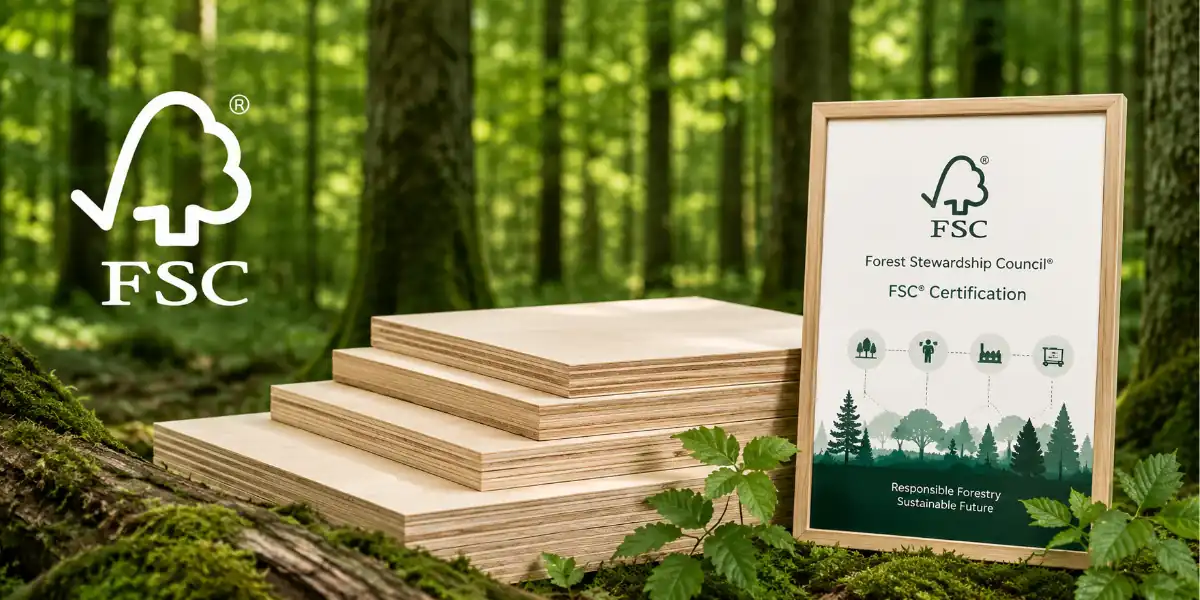
The Chain of Custody is one of the most important concepts when purchasing FSC-certified plywood.
Think of it as a traceability system. The FSC system follows certified material through different stages of the supply chain, from forest products to processing, manufacturing, trading, and eventually the finished product.
For a plywood buyer, this helps answer a practical question:
Can this supplier legitimately sell this plywood with an FSC claim?
A supplier may have FSC-certified raw materials but still need a valid CoC certificate to make certain FSC claims on commercial documents or products.
This is particularly important for importers and distributors. If FSC documentation is required by your customer, simply receiving an FSC logo from a supplier is not enough. The certification status should be checked.
Why European Buyers Care About FSC Birch Plywood
FSC certification is particularly relevant in the European market.
Many furniture brands, retailers, architects, and construction companies have sustainability policies that require responsibly sourced timber products. Some public or commercial projects may also include specific requirements for certified wood.
For European plywood buyers, FSC certification can therefore influence supplier selection, product specifications, and customer approval.
It can also make purchasing communication easier. Instead of relying only on a supplier’s general statement that its timber is “from sustainable sources,” buyers can request specific certification information and verify it.
That said, FSC certification should not be the only factor when buying birch plywood. Buyers should also consider birch plywood grades, specifications, and applications before selecting the right material for their project.
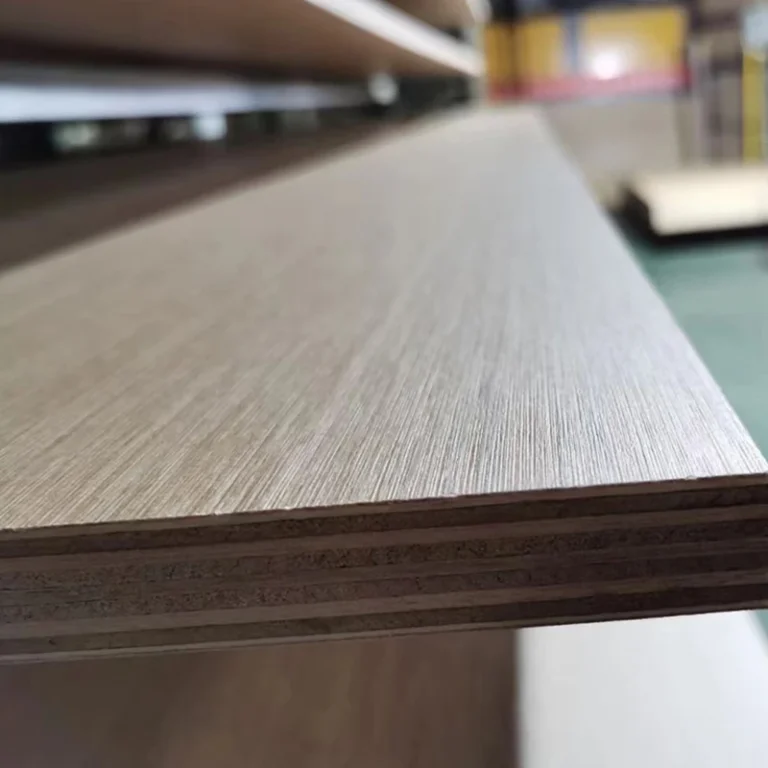
For a more detailed look at plywood construction, including how different layers and core materials affect performance, you can also read our complete guide to birch plywood construction.
How to Verify FSC Certification
Before ordering FSC birch plywood, take a few minutes to verify the supplier’s certification.
1. Ask for the FSC certificate
Request the supplier’s current FSC Chain of Custody certificate. Check the company name, certificate number, scope, and validity.
2. Check the FSC certificate database
FSC provides an online certificate search system where buyers can check whether a company has a valid certification.
Do not rely solely on a PDF sent by email. Compare the information with the official FSC database.
3. Check the certificate scope
A valid certificate does not automatically mean every product sold by the company is FSC-certified.
Check whether the supplier’s certification scope covers the relevant plywood products and the type of FSC claim being offered.
4. Match the documents
For commercial orders, make sure the FSC claim, product description, invoice, packing list, and other relevant documents are consistent.
If something does not match, ask the supplier before shipment rather than trying to fix the documentation afterward.
Final Thoughts
Choosing FSC birch plywood is not simply about looking for an FSC logo. The key is understanding the difference between FSC 100%, FSC Mix, and Chain of Custody certification.
For European buyers, proper verification can reduce sourcing risks and make it easier to meet customer sustainability requirements.
At the same time, FSC certification should be considered alongside plywood quality and technical specifications. A reliable supplier should be able to clearly provide information about FSC certification, plywood grade, construction, glue performance, emissions, dimensions, and quality control.
If you are sourcing birch plywood for furniture, cabinetry, interiors, or commercial projects, clearly defining your FSC requirement before quotation can save time and prevent misunderstandings later.
For buyers looking for reliable FSC birch plywood solutions, reviewing the required grade, dimensions, glue type, certification requirements, and order quantity before contacting a supplier can help you receive a more accurate quotation. Explore our Birch Plywood products or contact our team to discuss your project requirements.