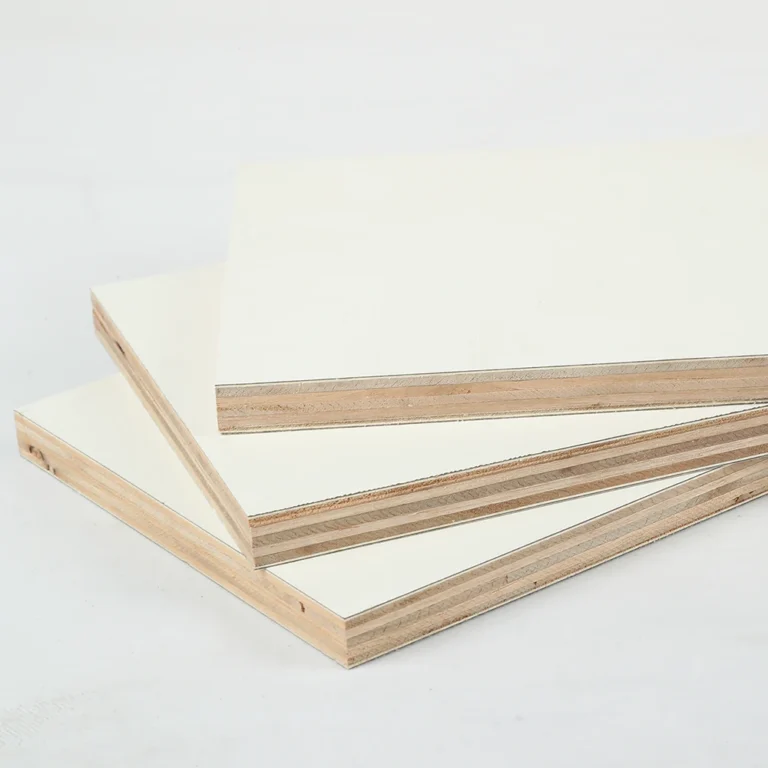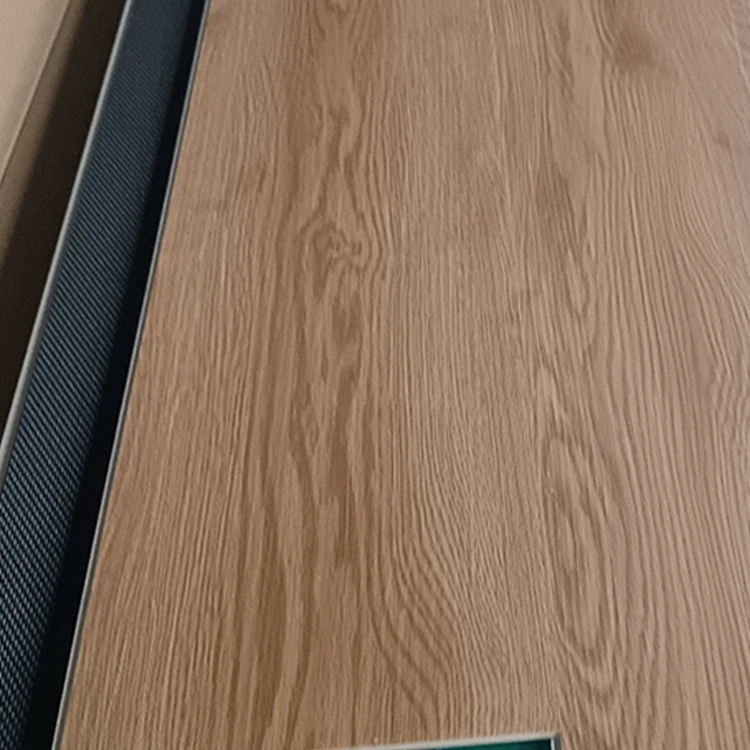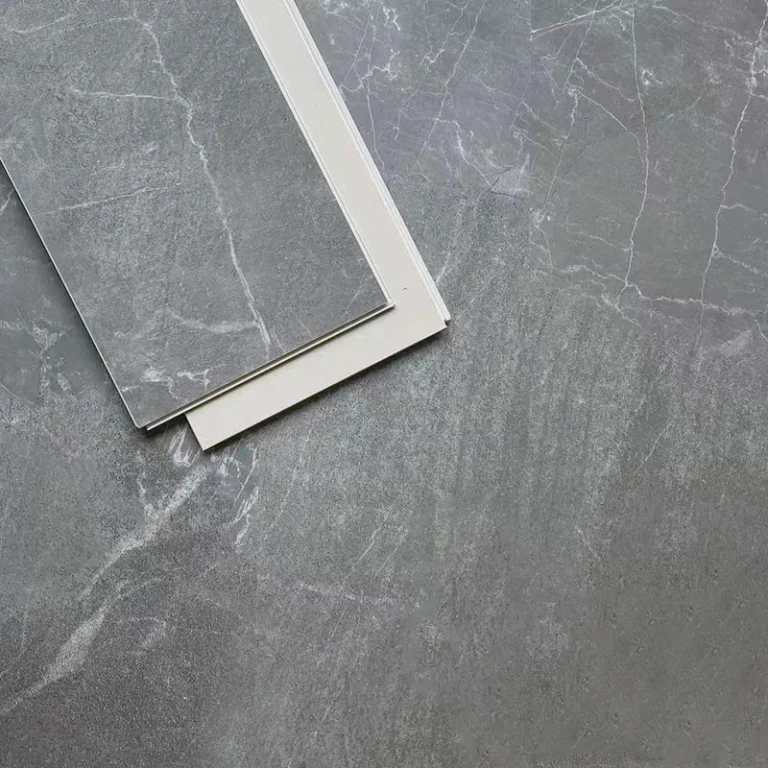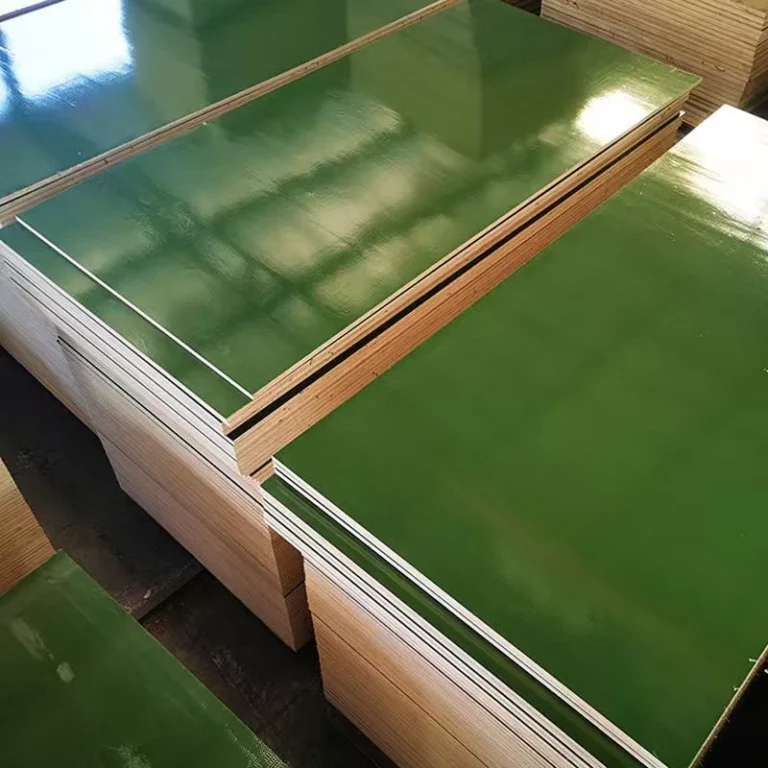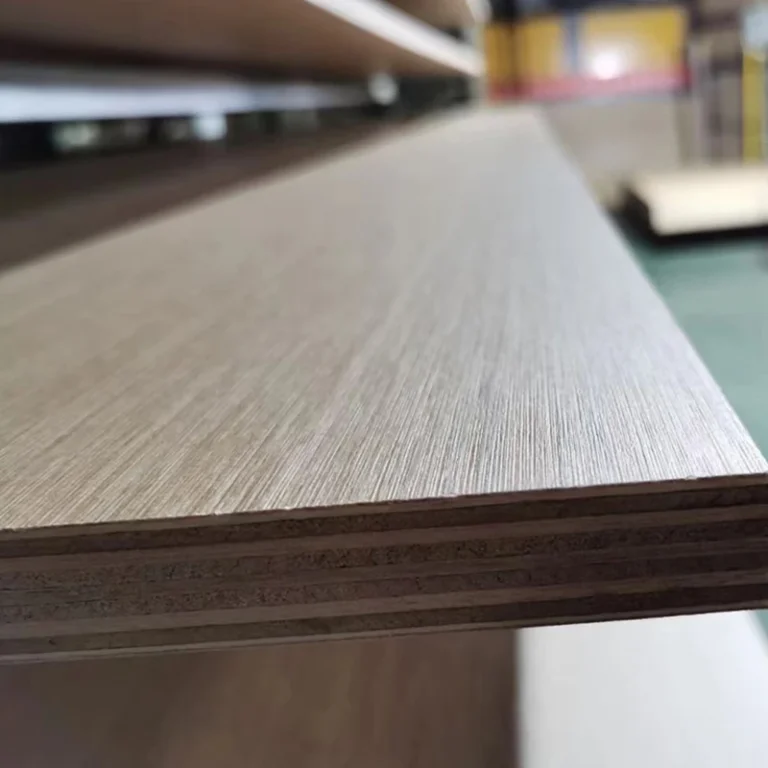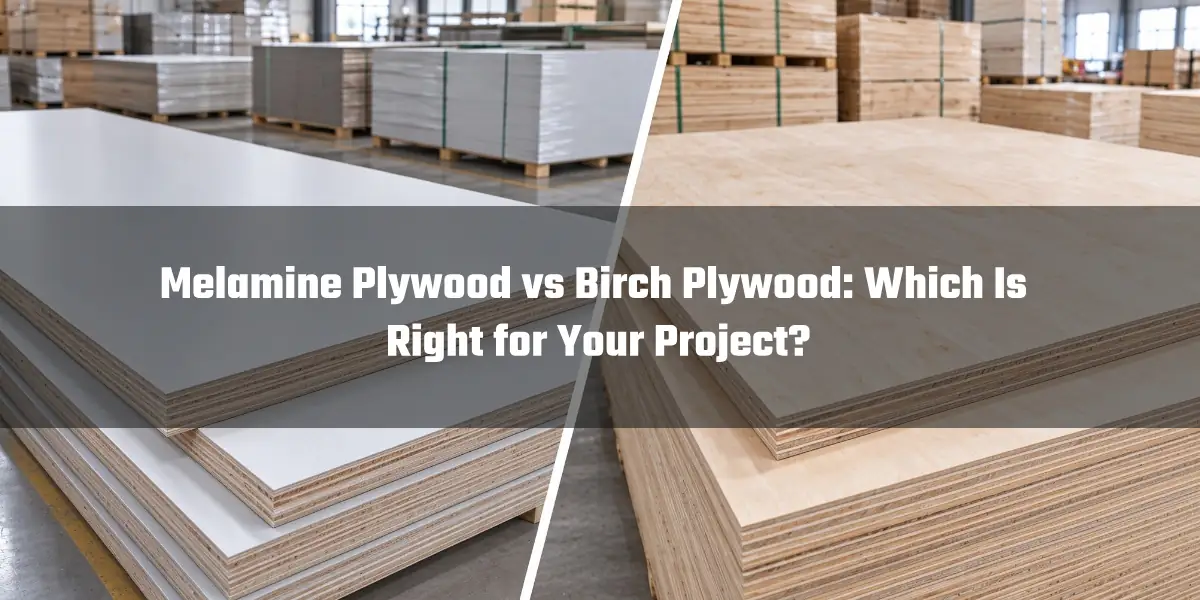
When choosing plywood for furniture, cabinets, shelving, or interior projects, melamine plywood vs birch plywood is a common comparison. Both materials can provide a stable plywood structure, but they are designed with different surface characteristics and performance priorities.
Melamine plywood combines a plywood core with a decorative melamine surface, while birch plywood is manufactured from multiple layers of birch veneer. The right option depends on the required appearance, surface finish, machining process, and application.
What Is Melamine Plywood?
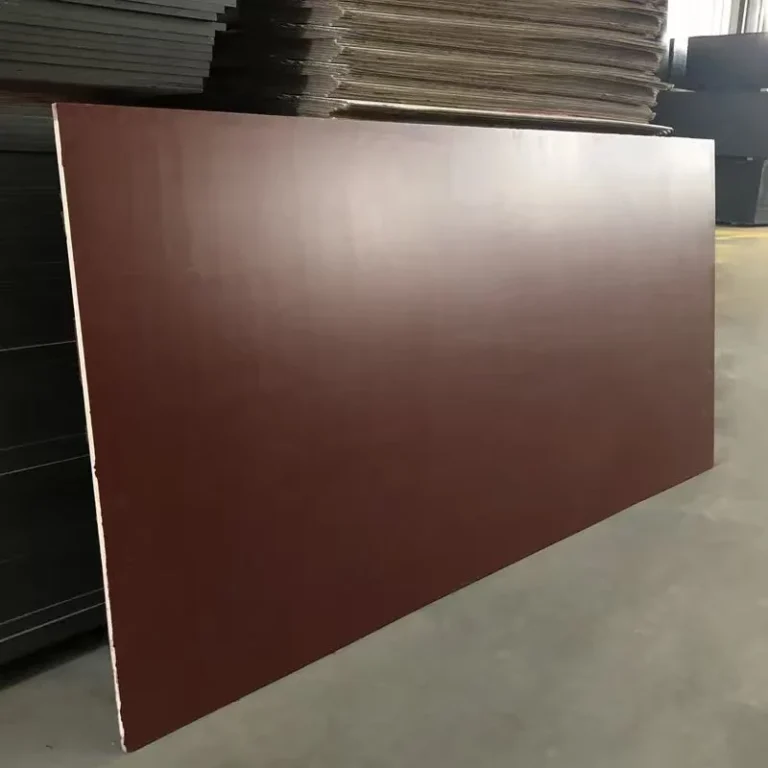
Melamine plywood is plywood covered with a decorative paper impregnated with melamine resin. The surface is pressed onto the plywood under heat and pressure to create a finished decorative panel.
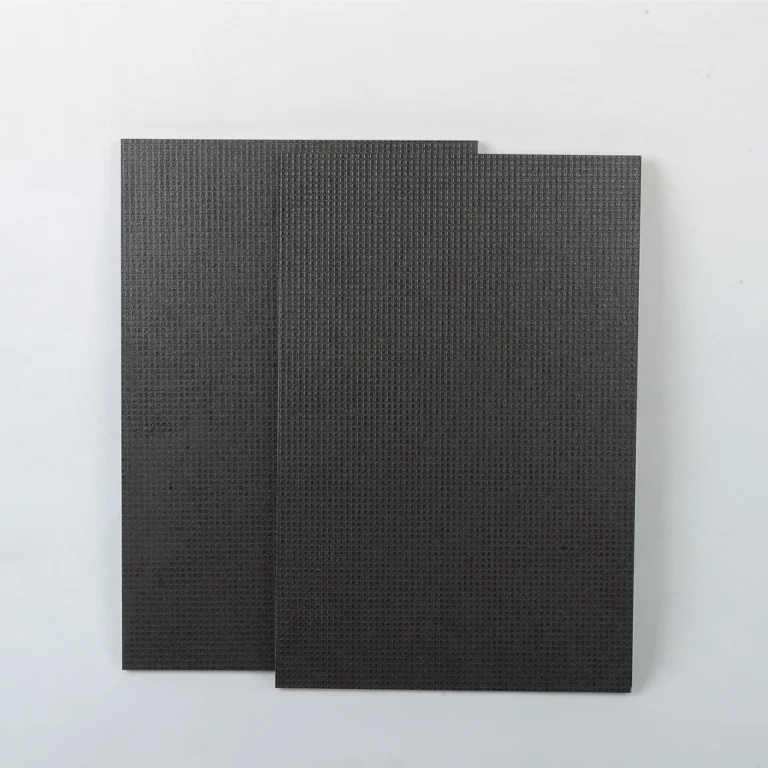
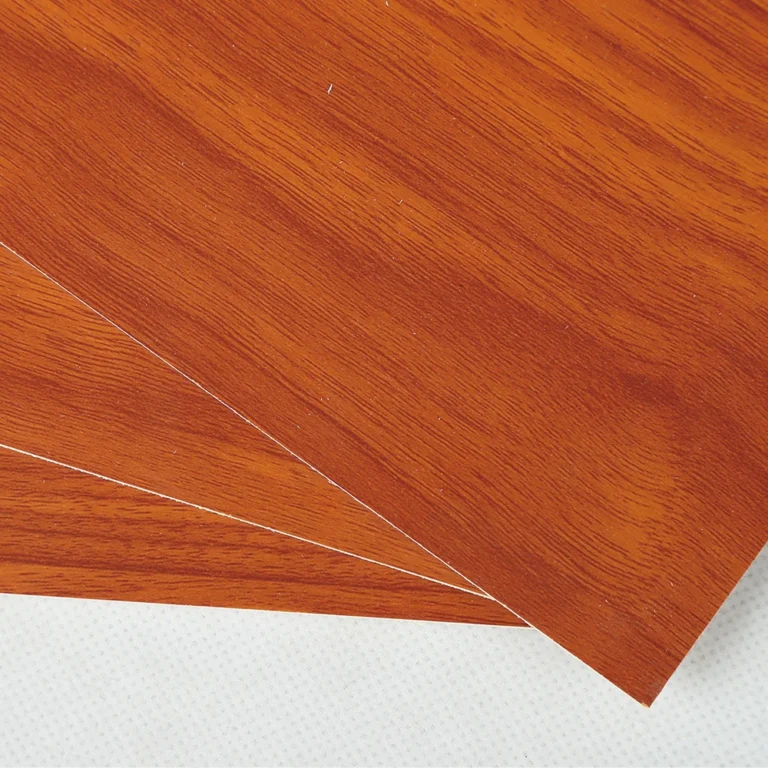
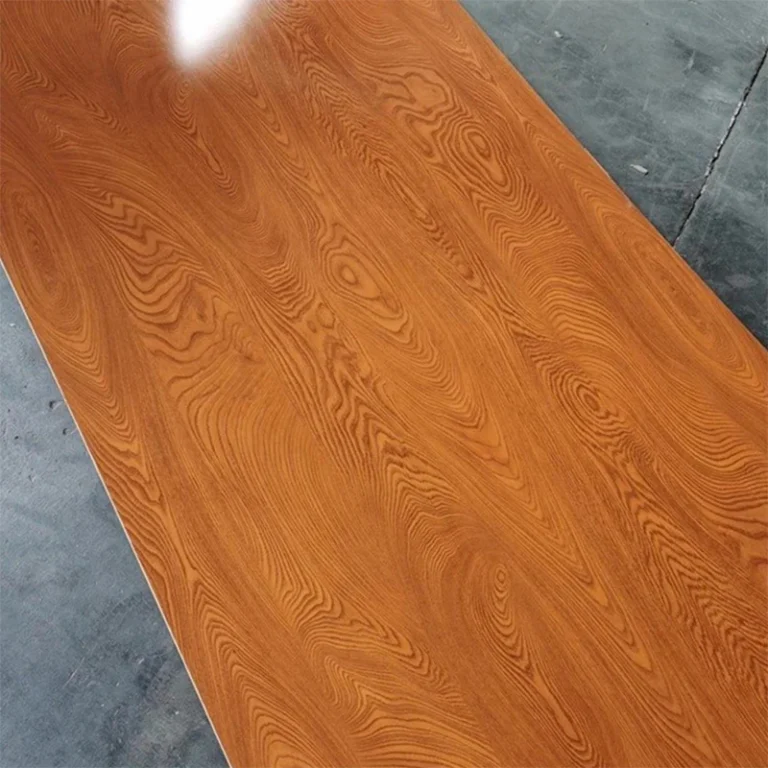
The main advantage is that the panel already has a finished surface. Depending on the product, buyers can select wood grain, solid colors, matte, glossy, or textured finishes.
For a more detailed explanation of construction, finishes, and applications, see our Complete Guide to Melamine Plywood.
The plywood core is still important. Green Timber’s melamine plywood products can be produced with different core materials, so buyers should evaluate the core separately from the decorative surface.
What Is Birch Plywood?
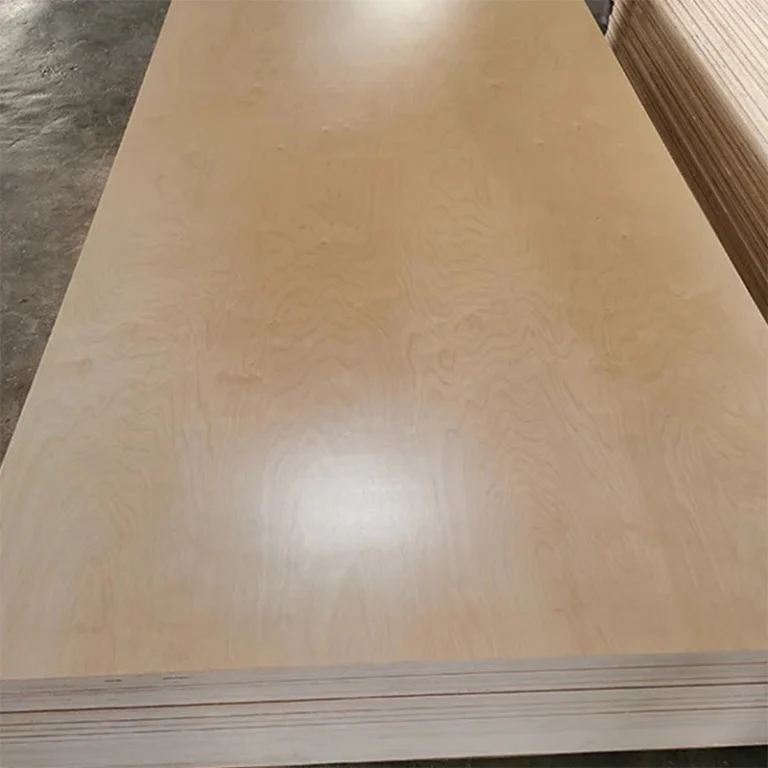
Birch plywood is made by bonding multiple layers of birch veneer with alternating grain directions. This cross-layer construction helps provide strength, dimensional stability, and a consistent panel structure.
Birch plywood is commonly used for furniture, cabinets, shelving, interior applications, and other projects where the natural appearance of plywood is part of the design.
The face and back grades also affect appearance. For example, B/BB, BB/BB, and BB/CP grades offer different levels of veneer quality and visible defects. Buyers can learn more in our Birch Plywood Grades Guide.
Melamine Plywood vs Birch Plywood: Key Differences
| Feature | Melamine Plywood | Birch Plywood |
|---|---|---|
| Surface | Decorative melamine finish | Natural birch veneer |
| Appearance | Solid colors, wood grain and textures | Natural light wood grain |
| Finishing | Usually ready to use | May require painting, coating or other finishing |
| Surface maintenance | Easy to clean | Depends on the selected finish |
| Core | Depends on plywood construction | Mainly birch veneer layers |
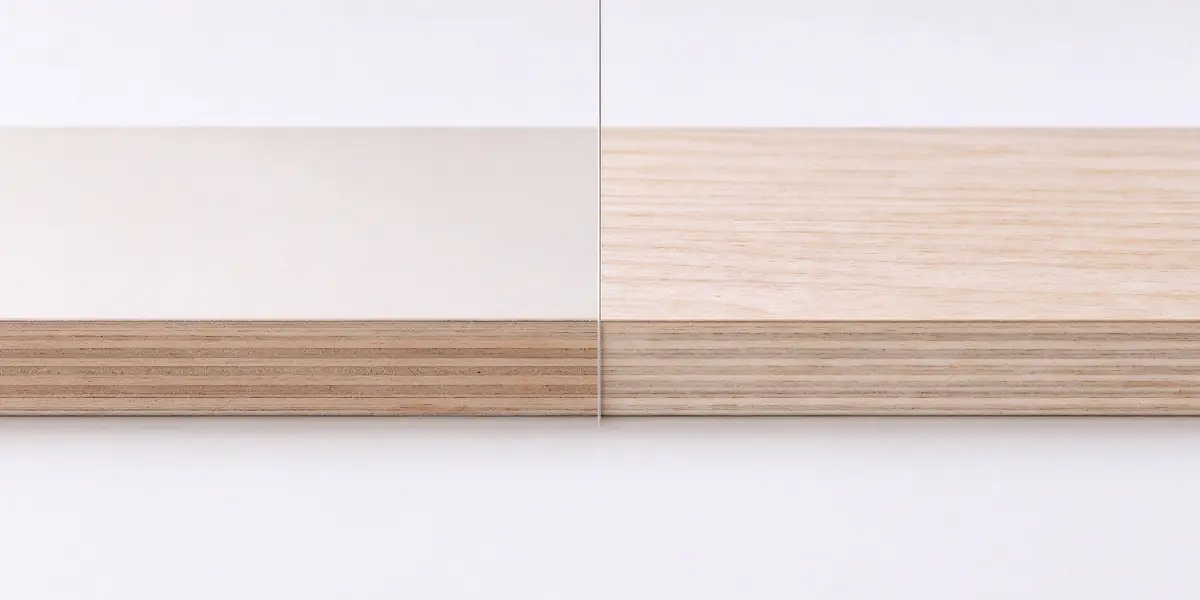
| Edge appearance | Plywood edge with finished surface | Natural birch plywood edge |
| Machining | Suitable for cutting, drilling and furniture production | Suitable for precision cutting and CNC machining |
| Common uses | Cabinets, wardrobes, office furniture | Furniture, cabinets, shelving and interior projects |
The comparison should not be based only on the surface. With melamine plywood, the decorative layer and plywood substrate both affect final performance. With birch plywood, veneer quality, core construction, adhesive, thickness, and grade all matter.
Surface and Appearance
Surface appearance is one of the clearest differences between these two materials.
Melamine plywood offers greater design consistency. Manufacturers can select solid colors, wood grain patterns, matte finishes, glossy finishes, and other decorative textures. This makes it practical for furniture factories producing consistent cabinet or wardrobe designs.
Birch plywood provides a natural wood appearance. Its light-colored birch veneer can be left visible or finished with paint, varnish, oil, or other coatings depending on the project.
For projects where the natural plywood edge and grain are part of the design, birch plywood can be particularly suitable. Green Timber also offers UV Birch Plywood with a pre-finished surface while retaining the appearance of birch veneer.
Strength and Construction
The term “melamine plywood” describes a finished plywood panel rather than one specific core construction. Therefore, strength depends partly on the plywood substrate, veneer quality, thickness, adhesive, and manufacturing process.
Birch plywood has a multi-layer birch veneer construction with alternating grain directions. This structure contributes to panel strength and dimensional stability.
For furniture manufacturers, it is important to check the complete specification rather than assuming that one material is always stronger. Core construction, thickness, veneer quality, and bonding quality can significantly affect performance.
For more information about birch plywood structure, see our guide to Birch Plywood Construction.
Which Is Better for Cabinets and Furniture?
Both materials can be used for cabinets and furniture, but their advantages are different.
Choose Melamine Plywood When You Need:
- A ready-to-use decorative surface
- Consistent colors or patterns
- Easy-to-clean furniture surfaces
- Kitchen cabinets and wardrobes
- Office storage and commercial furniture
- Faster production without additional surface finishing
Melamine plywood can be especially practical for manufacturers producing large quantities of furniture with standardized colors and designs.
Choose Birch Plywood When You Need:
- Natural wood grain
- A visible plywood edge
- Strong and stable plywood construction
- CNC machining and precision furniture components
- Custom surface finishing
- A natural appearance for premium interiors
Birch plywood is widely used in furniture and cabinetry because of its strength, stability, and machining characteristics. See our guide Is Birch Plywood Strong for Furniture and Cabinets?.
What Should B2B Buyers Check?
When comparing melamine plywood vs birch plywood for a commercial order, look beyond appearance and request a complete specification.
Check:
- Core construction – Ask about the wood species, veneer structure, and core quality.
- Thickness and tolerance – Consistent thickness is important for CNC processing and furniture assembly.
- Surface quality – Check color, texture, bonding, scratches, bubbles, and other surface defects.
- Veneer grade – For birch plywood, confirm the face and back grades required for the application.
- Adhesive type – Confirm the glue specification and required emission or moisture-performance standard.
- Machining requirements – Consider cutting, drilling, CNC routing, edge treatment, and hardware installation.
- Application environment – Indoor furniture, kitchens, commercial interiors, and humid environments may require different specifications.
Our Melamine Plywood Buying Guide provides additional factors to check before placing a bulk order.
Melamine Plywood vs Birch Plywood: Which Should You Choose?
The choice depends on what the project requires.
Melamine plywood is a practical option when a consistent decorative surface, easy maintenance, and ready-to-use finish are important. It is commonly considered for cabinets, wardrobes, office furniture, shelving, and interior applications.
Birch plywood is suitable when natural wood appearance, multi-layer plywood construction, machining performance, and structural stability are key considerations.
Instead of choosing based only on the material name, B2B buyers should compare the core, surface, thickness, grade, adhesive, and intended application. Requesting samples and checking the complete specification can help ensure that the selected plywood matches the production requirements.
Contact Green Timber for Plywood Solutions
Looking for melamine plywood or birch plywood for furniture manufacturing, cabinetry, or interior projects?
Get Free Samples and discuss your required size, thickness, core construction, surface finish, and application with Green Timber.