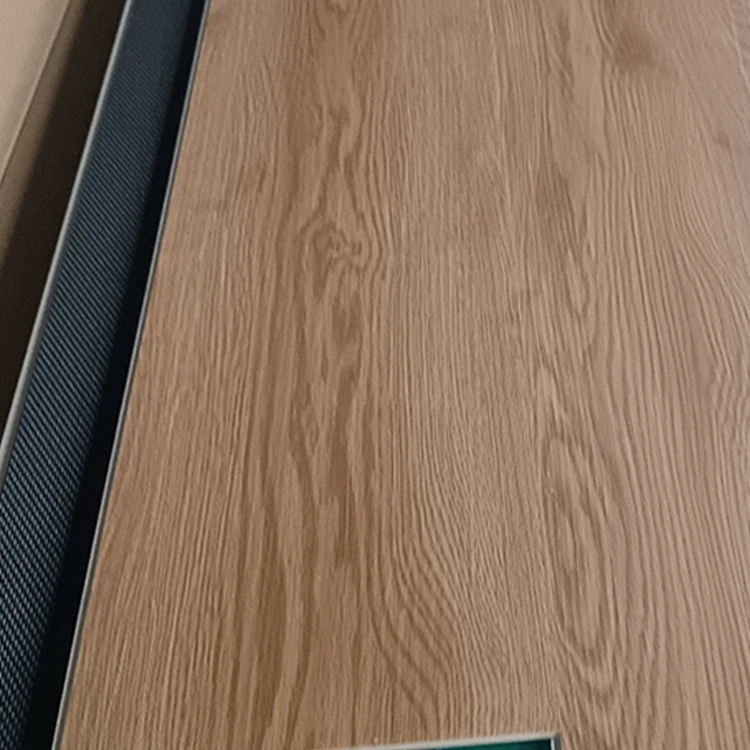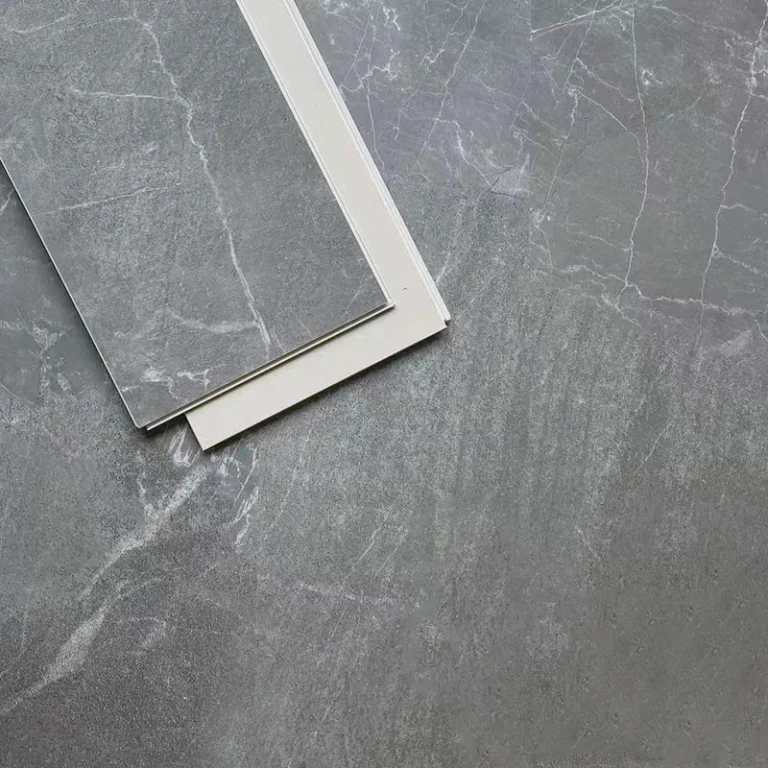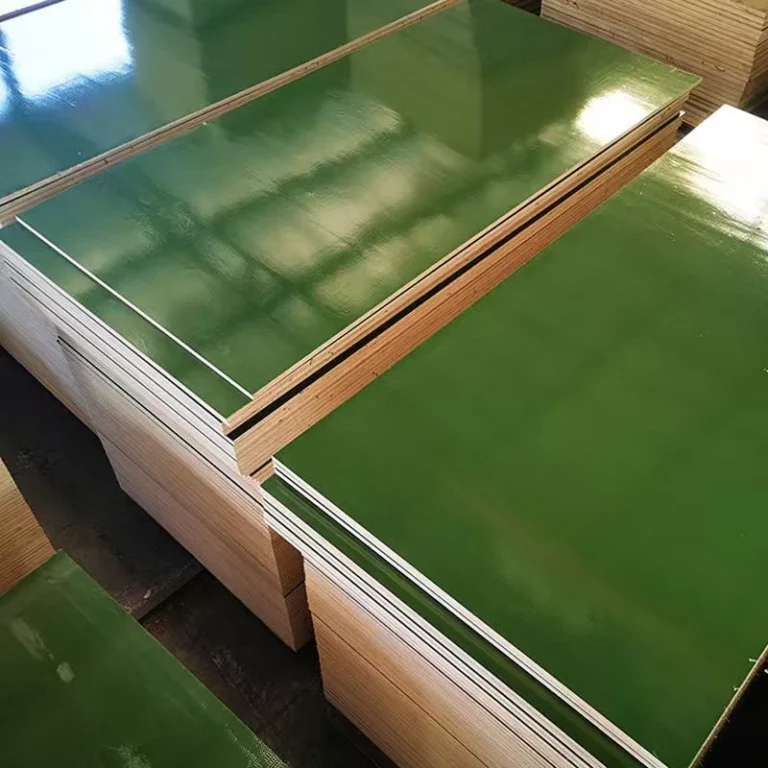
Choosing the right flooring material is essential for achieving long-term durability and performance. Among the many options available today, plywood flooring remains a popular choice for residential, commercial, and industrial projects due to its strength, stability, and affordability.
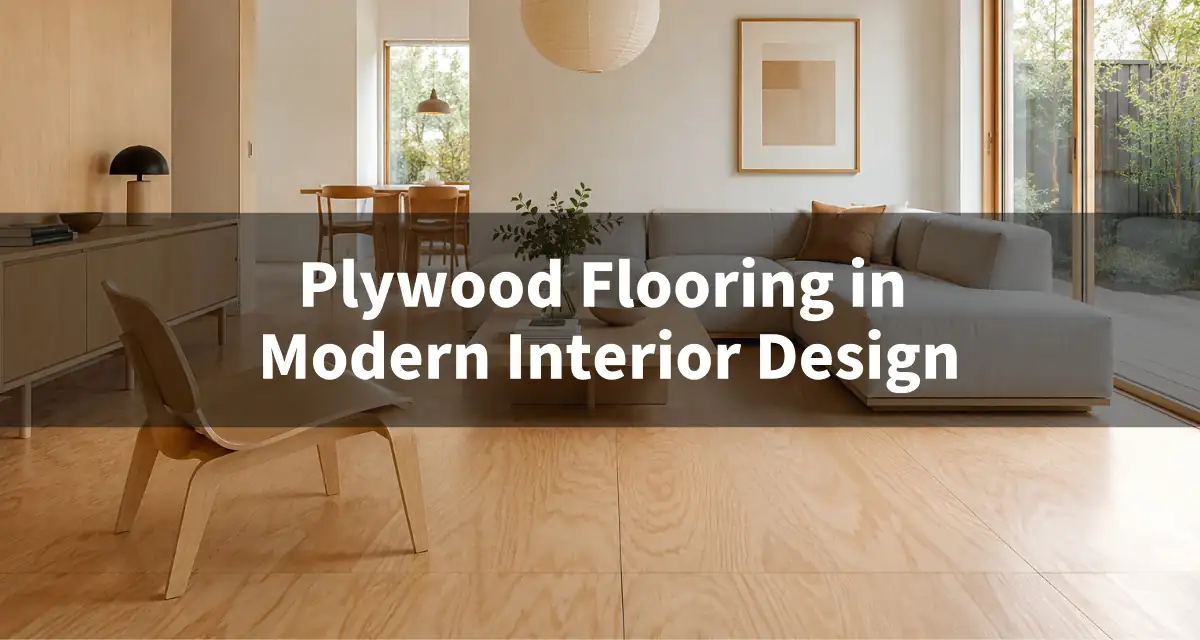
Its cross-layer construction helps minimize warping and movement caused by humidity changes, making it a reliable solution for a wide range of applications. Whether used as a subfloor or as a visible floor surface in modern interiors, plywood provides excellent value for builders and designers alike.
What Is Plywood Flooring?
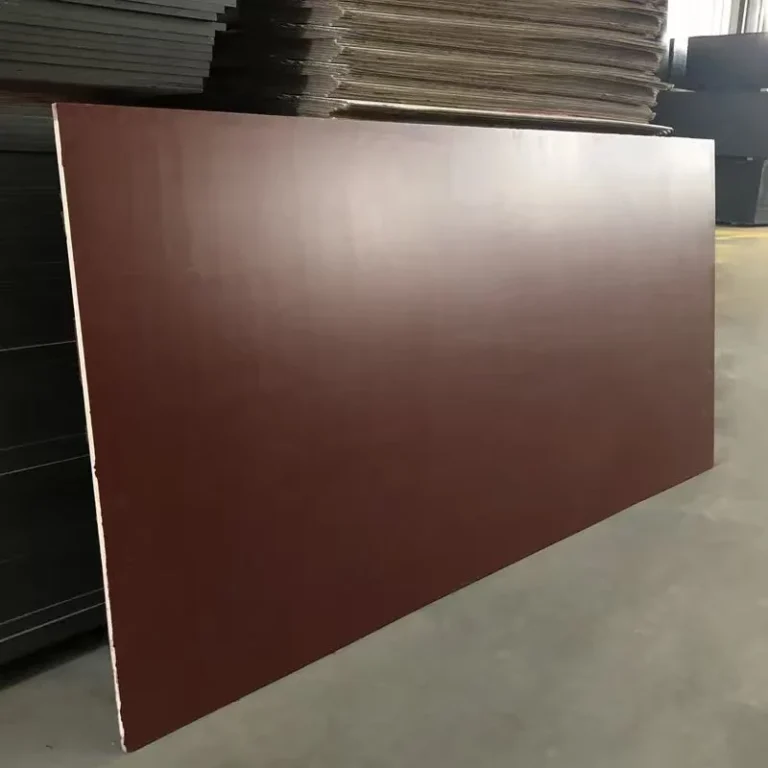
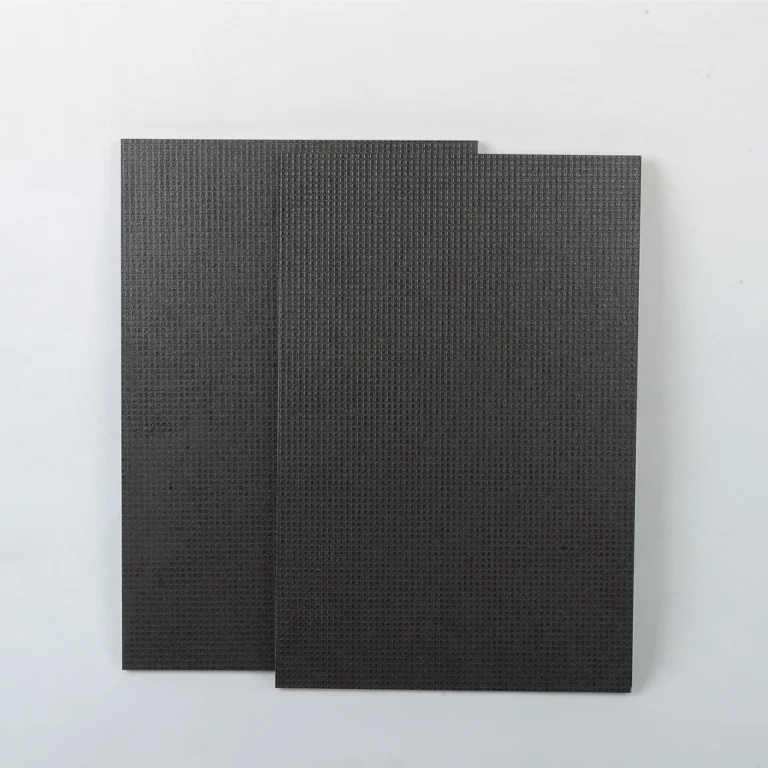
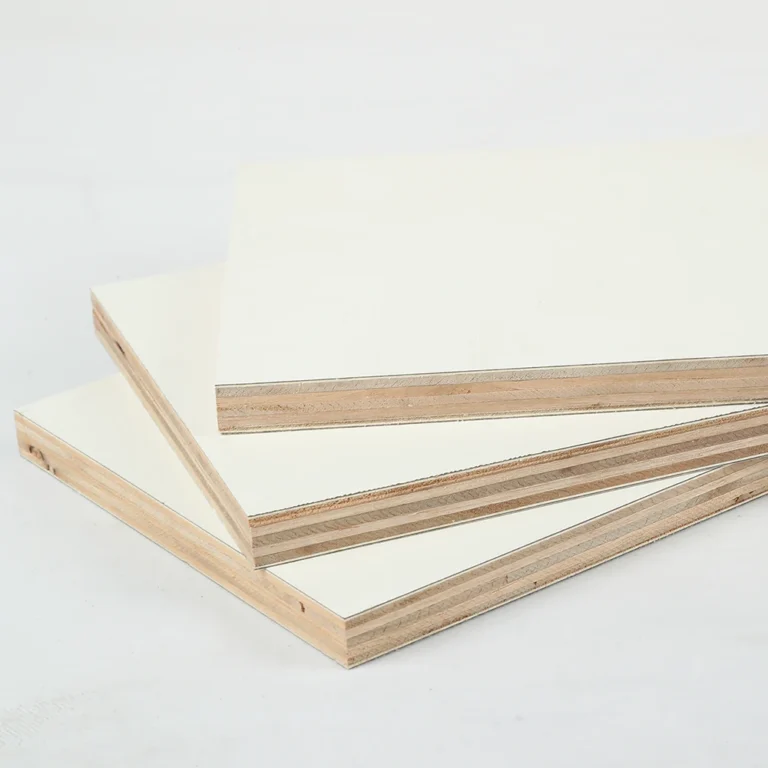
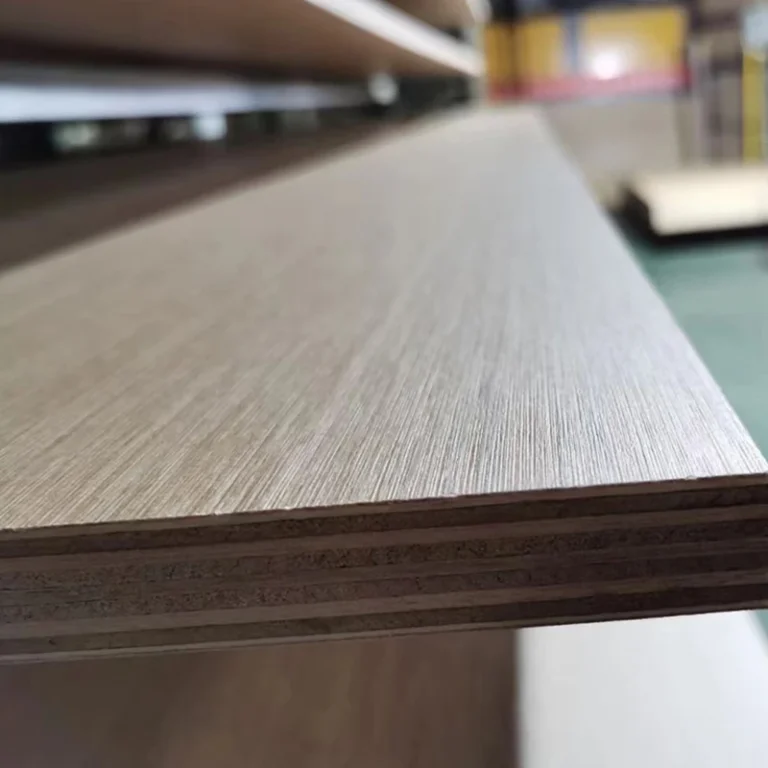
This type of flooring is manufactured from multiple layers of wood veneer bonded together under heat and pressure. Each layer is positioned perpendicular to the next, creating a strong and dimensionally stable panel.
Because of this construction method, plywood panels are less likely to expand, shrink, or crack compared with many solid wood products.
| Thickness | Typical Application |
|---|---|
| 12mm | Residential projects |
| 15mm | Interior decoration |
| 18mm | Commercial buildings |
| 21mm+ | Heavy-duty applications |
Popular Types for Flooring Applications
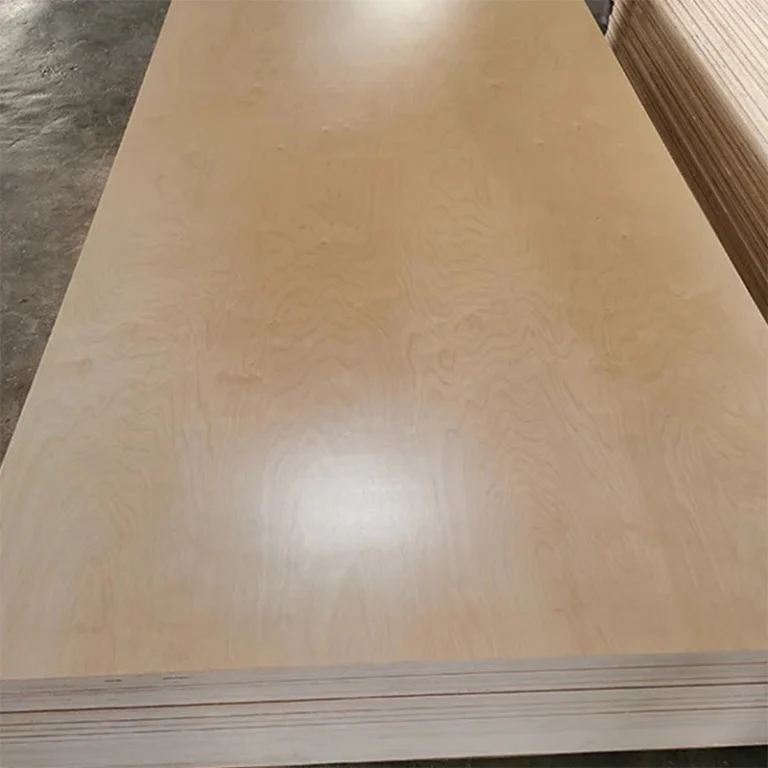
Birch Plywood
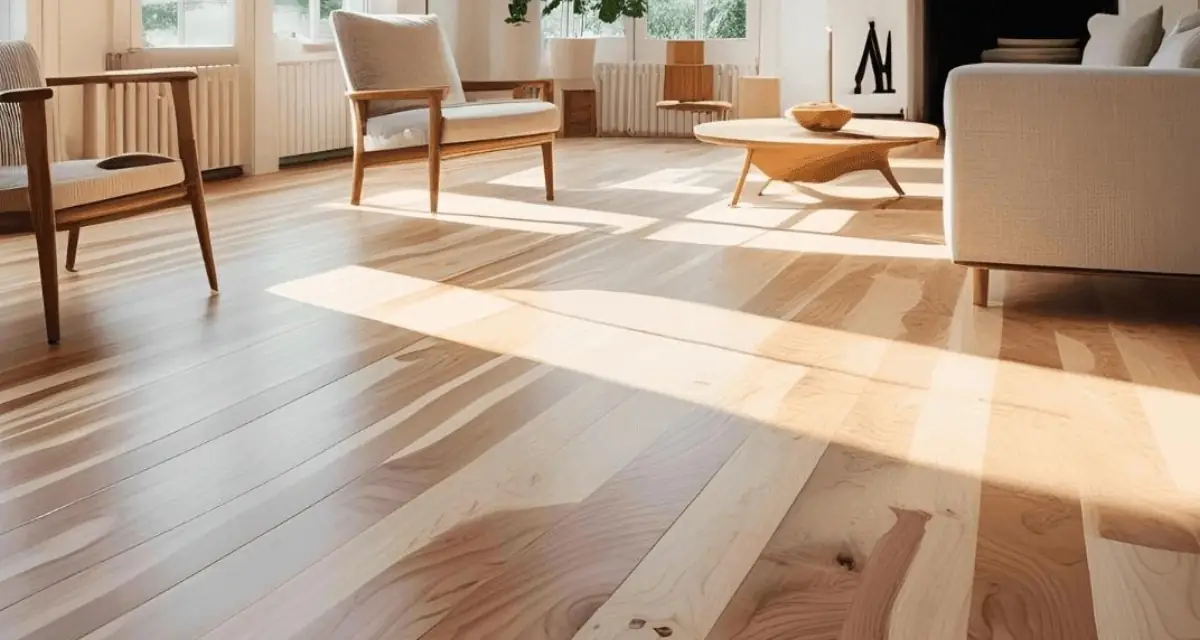
Birch plywood is widely valued for its smooth surface, attractive grain pattern, and excellent mechanical properties. It is commonly selected for interior projects where appearance and durability are equally important.
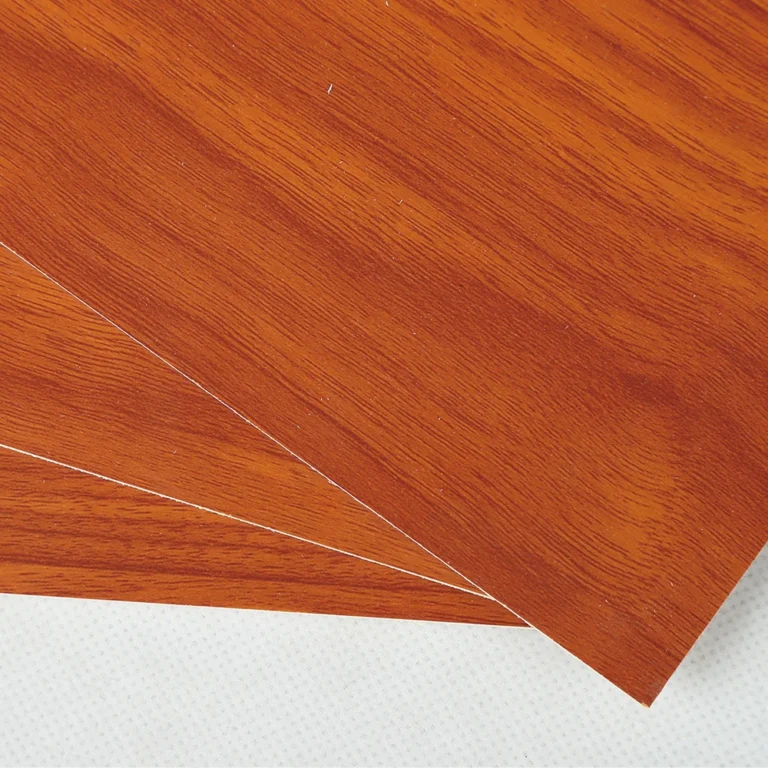
Hardwood Plywood
Manufactured using hardwood veneers, this option provides enhanced wear resistance and a premium look suitable for furniture and high-end interiors.
Marine Plywood
Designed for humid environments, marine-grade panels use waterproof adhesives and superior veneers to improve moisture resistance.
Key Benefits
Excellent Stability
The cross-grain structure significantly reduces movement caused by temperature and humidity changes, helping maintain a flat and stable floor surface.
Cost Efficiency
Compared with solid hardwood products, flooring panels made from plywood offer a more budget-friendly solution while still providing reliable performance.
Easy Installation
Wood panels can be cut, drilled, and fastened using standard woodworking tools, helping reduce installation time and labor costs.
Versatile Use
These panels are suitable for a variety of environments, from residential renovations to commercial and industrial projects.
Comparison with Solid Wood Flooring
| Feature | Plywood Panels | Solid Wood |
|---|---|---|
| Cost | Lower | Higher |
| Stability | Excellent | Moderate |
| Moisture Resistance | Better | Lower |
| Installation | Easier | More Complex |
For projects where budget and dimensional stability are priorities, engineered wood panels often provide a practical alternative to solid timber flooring.
Common Applications
This flooring material is frequently used in:
- Residential homes
- Office spaces
- Retail stores
- Workshops
- Warehouses
- RV and trailer interiors
Its combination of strength and affordability makes it suitable for both temporary and long-term installations.
How to Choose the Right Option
When selecting flooring panels, consider the following factors:
- Panel thickness
- Surface quality
- Moisture conditions
- Load requirements
- Budget
Birch plywood is often preferred for decorative interiors, while marine-grade products are recommended for humid environments.
Conclusion
Plywood flooring continues to be a practical solution for builders, contractors, and homeowners seeking a balance between performance and cost. With various grades, thicknesses, and wood species available, it can be adapted to a wide range of flooring applications. Selecting the appropriate panel type will help ensure durability, stability, and long-term value for your project.
If you would like more information about plywood flooring options, specifications, or pricing, feel free to contact us. Our team is ready to assist you with product recommendations, technical details, and customized solutions to meet your project requirements. We look forward to hearing from you and supporting your next flooring project.