Finding a reliable Vietnam plywood supplier sounds simple. In practice, it can take a few rounds of emails, samples, quotations, and factory checks before you know who is actually worth working with.
Importers, furniture manufacturers, distributors, contractors, and building material wholesalers often start with the same question: Who can give us good plywood at the right price and deliver it consistently?
That is where things get tricky. One supplier may send a rock-bottom offer, while another quotes much more. The cheaper option may look attractive at first, but the specifications, core quality, glue, packaging, or export service may be completely different.
So, don’t compare suppliers on price alone. Look at the whole purchasing process—from product specifications and samples to production, inspection, packaging, and shipment.
Here is a practical way to evaluate a Vietnam plywood supplier before placing a large order.
Start with the Product, Not the Supplier
Before contacting suppliers, get your plywood requirements clear.
For example, saying “We need 18mm plywood” leaves too much room for interpretation. An 18mm panel can have different face grades, core materials, glue systems, and numbers of plies.
Your inquiry should normally include:
- Plywood type and thickness
- Panel size
- Face and back grade
- Core material
- Number of plies
- Glue type
- Moisture requirements
- Surface finish
- Required certifications
- Packaging requirements
- Order quantity
- Destination port
This makes the quotation process much easier.
A furniture factory, for instance, may need smooth plywood with a clean face because the panels will be laminated or painted. A construction buyer may care more about bonding strength and moisture resistance.
The clearer the specification, the easier it is to get an apples-to-apples comparison.
Find Out Who Is Actually Making the Plywood
Not every company calling itself a Vietnam plywood supplier owns a plywood factory. Some are manufacturers. Others are trading companies or exporters working with several factories.
There is nothing automatically wrong with using a trading company. The important thing is knowing who is behind the product and how quality is controlled.
Ask a few basic questions:
- Where is the factory located?
- What is the monthly production capacity?
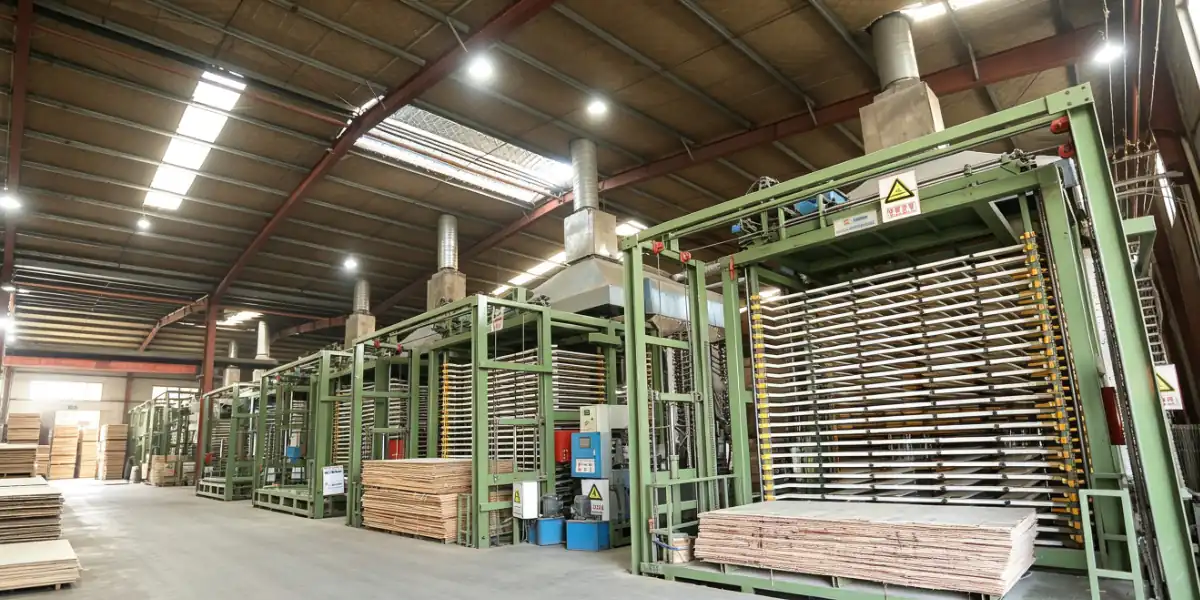
- What equipment or production lines are available?
- Where do the raw materials come from?
- Can they show factory photos or videos?
- Is a factory visit possible?
- Where is the plywood actually manufactured?
This matters more when your order is large.
Imagine you have approved a sample and are ready to order several containers. If the supplier cannot explain where the product comes from or how much it can produce each month, that is a warning sign.
For regular buyers, factory verification is often worth the effort.
Look Beyond the Surface When Checking Quality
A plywood panel can look good in a product photo and still perform poorly in real use.
When evaluating a supplier, pay attention to the veneer, core construction, glue, pressing process, sanding, and final inspection.
Veneer
Look for excessive knots, cracks, overlaps, and other visible defects. The acceptable level will depend on the plywood grade and application.
Core
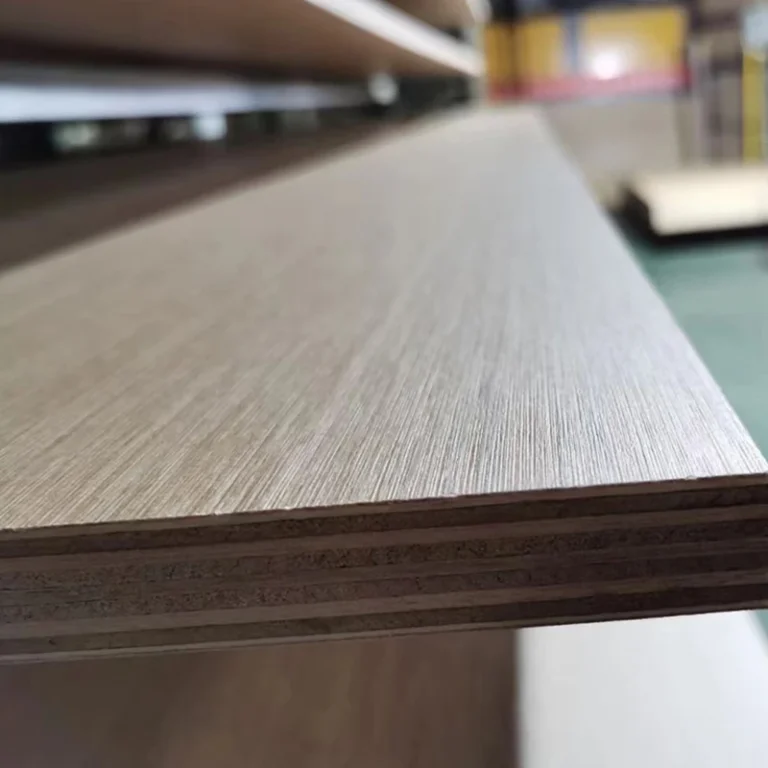
Open the sample or inspect the panel edge. You want a stable core with good construction and as few gaps or weak areas as possible.
Glue Bonding
The adhesive needs to match the application. If the plywood will be exposed to humidity or moisture, the supplier should be able to explain the bonding system and its intended performance.
Thickness
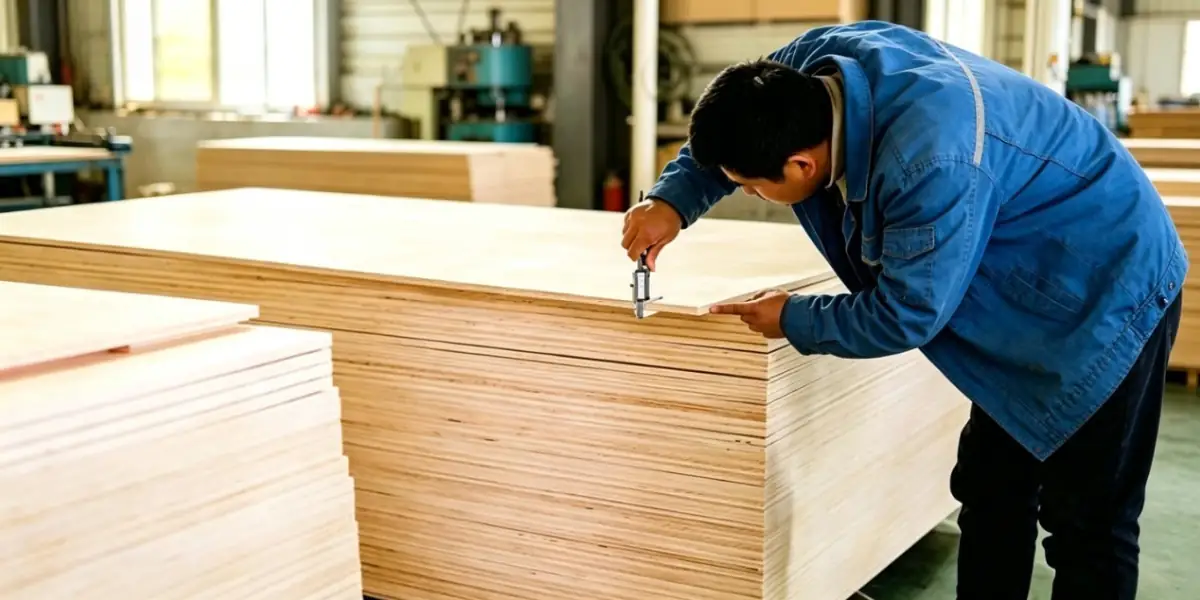
Don’t just check whether the label says 18mm. Measure the actual panel and ask about the supplier’s thickness tolerance.
Moisture
Consistent moisture content is also important. Poor moisture control can contribute to warping, cracking, and dimensional changes during transportation and use.
A serious supplier should have product specifications and quality inspection procedures ready to share.
Get Samples Before You Commit
This is one of the most useful steps in the real-world workflow.
Don’t approve a supplier because the photos look good or because the sales manager gives you the lowest offer. Ask for samples.
Once they arrive, check:
- Surface appearance
- Thickness and flatness
- Core quality
- Bonding strength
- Sanding quality
- Edge quality
- Moisture content
If you are buying plywood for furniture, go one step further. Try cutting, drilling, CNC machining, painting, or laminating the sample if those processes are part of your production.
A supplier that looks great on paper may not perform as well when the panel reaches your factory.
It is also worth requesting samples from two or three Vietnam plywood suppliers and testing them under the same conditions. That gives you a much more useful comparison.
Check Certifications Carefully
Certification is another area where buyers should slow down and check the details.
Depending on your market and application, you may need certifications or test reports related to:
- FSC
- CE
- CARB
- EPA TSCA Title VI
- ISO quality management
- Formaldehyde emissions
Don’t stop at “Yes, we have FSC” or “Yes, our plywood is CARB compliant.”
Ask for the actual documents. Check the validity period. More importantly, check the product scope. A certificate for one product does not automatically mean every plywood product from the supplier is covered.
This becomes especially important when you are importing plywood for furniture, construction projects, or other regulated markets.
Don’t Compare Rock-Bottom Prices Without Checking the Specs
Price is important. Nobody wants to overpay. But a rock-bottom offer deserves a closer look.
Suppose Supplier A and Supplier B both quote 18mm plywood. Supplier A is significantly cheaper.
Before celebrating the saving, check:
- Face grade
- Core species
- Glue type
- Number of plies
- Surface quality
- Thickness tolerance
- Certifications
- Packaging
- Loading quantity
You may find that you are not comparing the same product at all.
Ask every Vietnam plywood supplier to quote against the same specification. This is the easiest way to make the comparison fair.
Also confirm the trade term. FOB, CFR, and CIF prices are not directly interchangeable because freight and destination costs can change the final landed cost.
Production Capacity Matters After the Sample Is Approved
A supplier may produce a very good sample and still struggle with a large order.
Before you place a regular order, ask about:
- Monthly production capacity
- Production lead time
- Raw material availability
- Peak-season capacity
- Container loading capacity
- Packaging process
- Shipment schedule
This is particularly important for distributors and wholesalers that need several containers on a regular basis.
You want a supplier that can give you a realistic production schedule—not simply promise the fastest delivery during the quotation stage.
Check How They Handle Export Orders
Buying plywood internationally means dealing with more than the factory.
Your supplier should be familiar with export documents and shipping procedures, including:
- Commercial invoices
- Packing lists
- Bills of lading
- Certificates of origin
- Customs documents
- Container loading
- Export packaging
- International shipping
Communication is part of the service, too.
Pay attention to how the supplier handles your first inquiry. Do they answer the technical questions directly? Can they explain lead times? Do they understand your destination port and documentation requirements?
These small details often tell you what the real working relationship will be like after the purchase order is signed.
Don’t Forget Export Packaging
Plywood may spend weeks at sea before reaching your warehouse. Packaging matters.
Poor protection can lead to moisture damage, scratched surfaces, broken edges, or deformation.
Before ordering, ask how the supplier handles:
- Waterproof packaging
- Pallet construction
- Corner protection
- Steel straps
- Plastic wrapping
- Container loading
- Moisture protection during transportation
For long-distance ocean shipments, good packaging is not an optional extra. It is part of product quality.
Use a Simple Supplier Scorecard
Once you have quotations and samples from several suppliers, put everything into one comparison sheet.
| Factor | What to Compare |
|---|---|
| Product Quality | Veneer, core, bonding, surface |
| Specifications | Size, thickness, tolerance |
| Certifications | FSC, CE, CARB, etc. |
| Production | Capacity and lead time |
| Samples | Quality and real-world performance |
| Price | Same specifications and Incoterms |
| Export Service | Documents and logistics |
| Packaging | Moisture and impact protection |
| Communication | Response time and clarity |
| After-Sales Service | Claims and problem solving |
This simple step can save a lot of time. It also makes it easier to explain internally why one supplier is a better choice than another.
Why Choose Green Timber Panel?
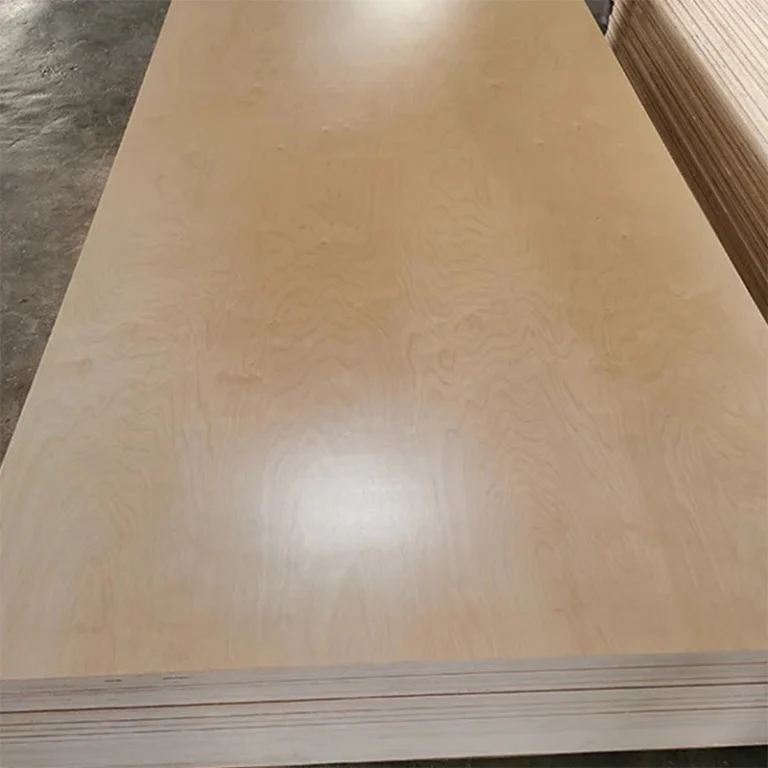
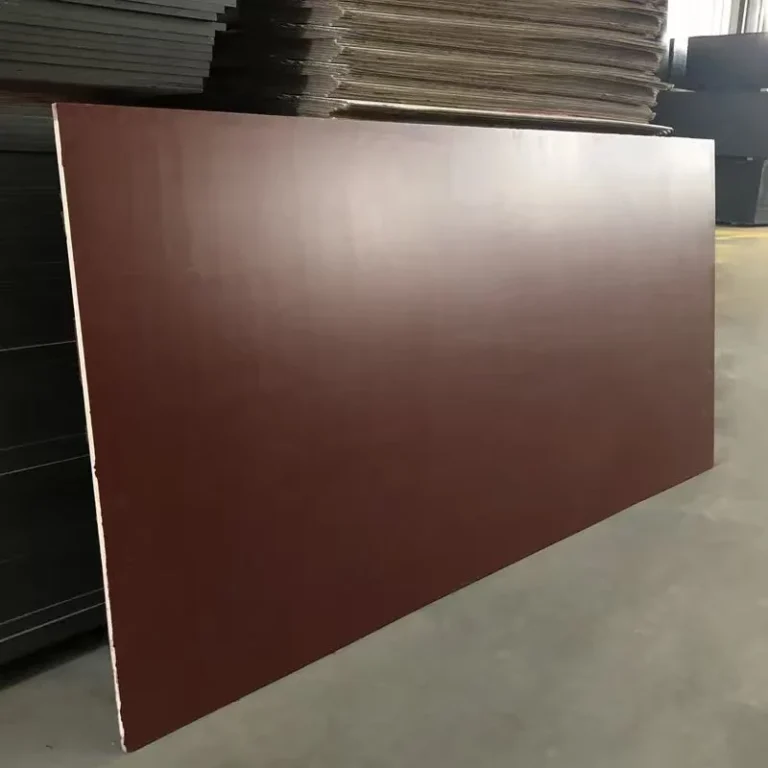
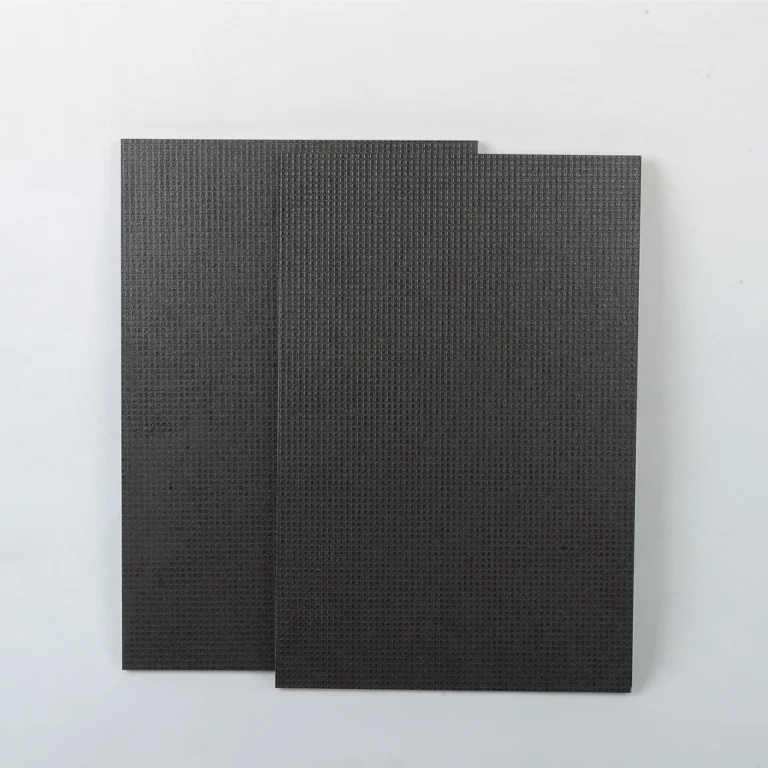
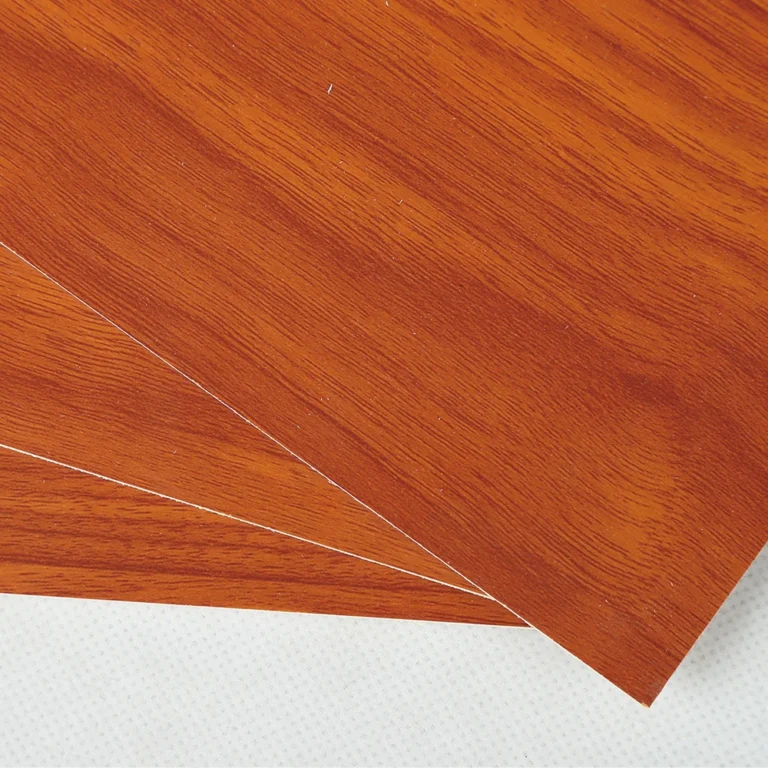
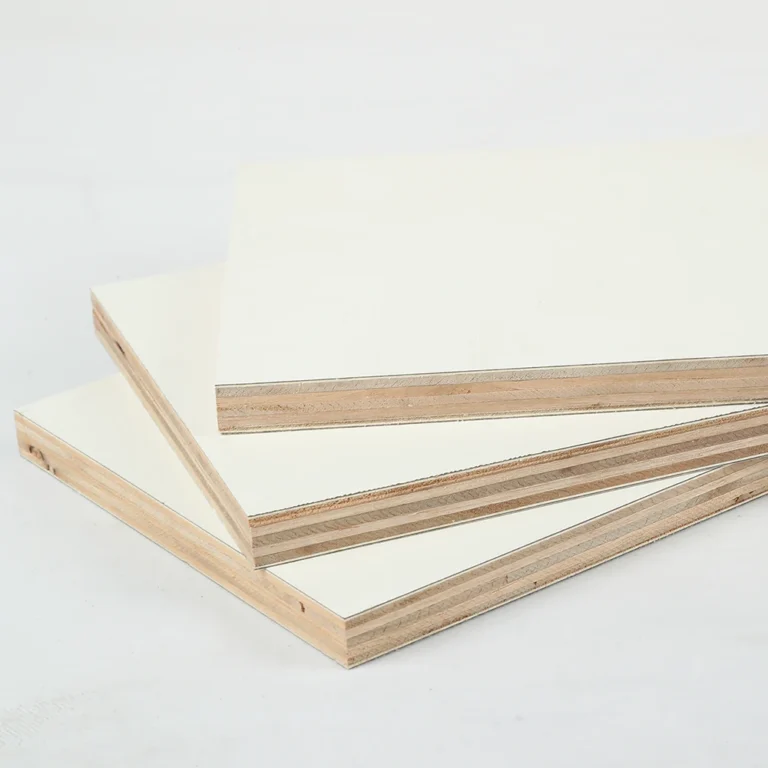
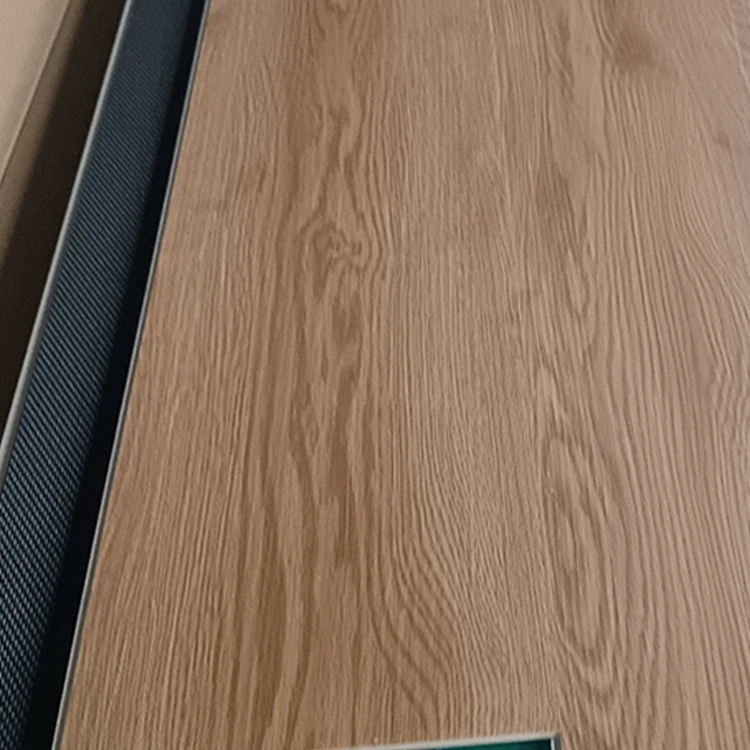
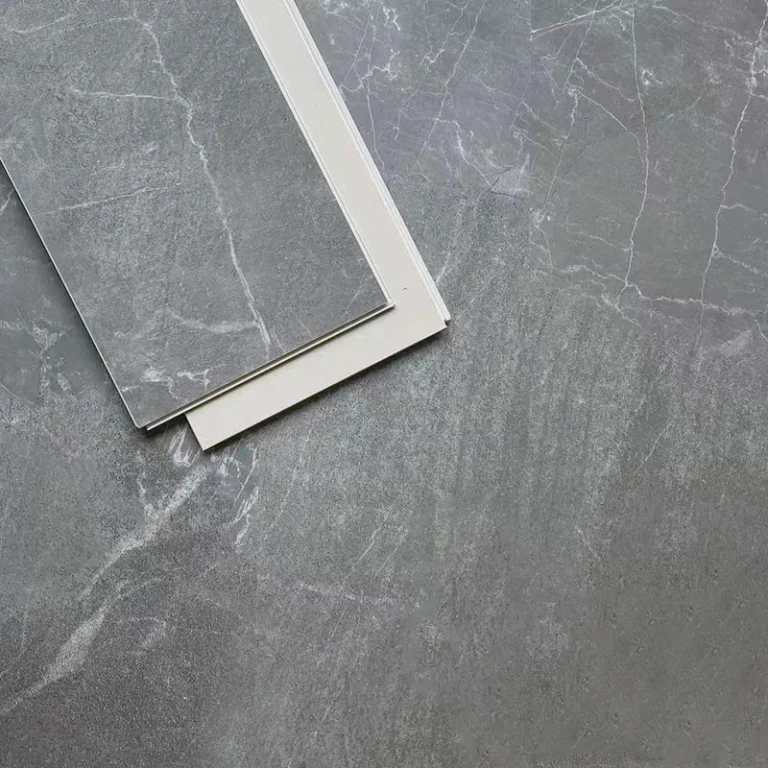
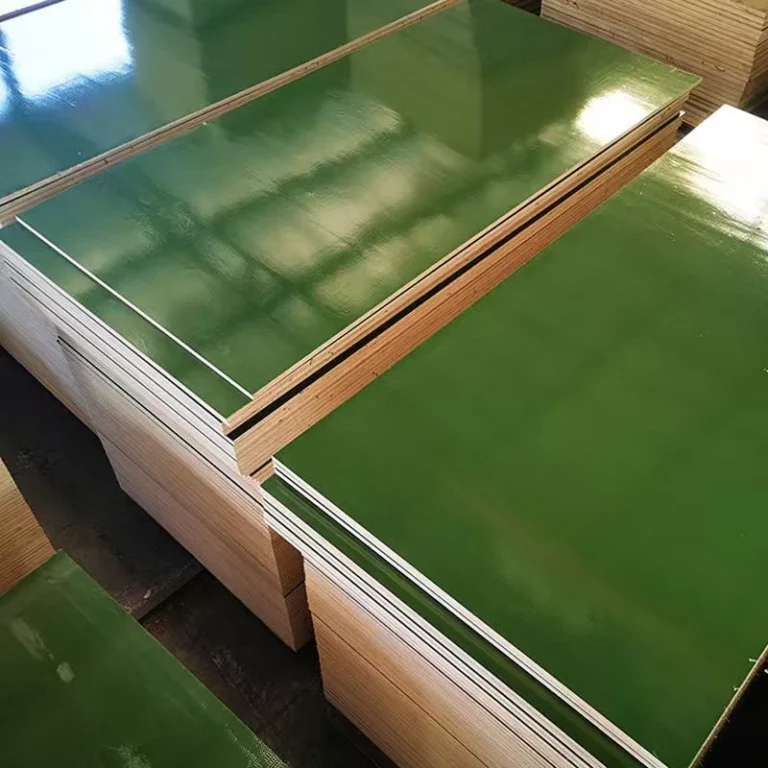
Green Timber Panel is a professional wood-based panel and flooring supplier in Vietnam. Its plywood range includes birch plywood, melamine plywood, and film faced plywood for furniture, construction, interior decoration, and commercial applications.
The company focuses on product quality, stable supply, export service, and long-term cooperation.
For international buyers, Green Timber Panel can provide product information, samples, export packaging, and plywood solutions based on specific purchasing requirements.
Whether you are testing a new supplier for one container or looking for a long-term plywood partner, discussing your specifications in advance can help both sides avoid unnecessary problems later.
Conclusion
Choosing the right Vietnam plywood supplier is not simply about finding the lowest quotation.
Start with a clear specification. Then compare factories, samples, quality, certifications, production capacity, packaging, export experience, and communication. Most importantly, make sure every supplier is quoting the same product so you are making a true apples-to-apples comparison.
A little extra checking before the first order can prevent much bigger problems after the goods leave the factory.
If you are sourcing plywood for furniture, construction, interior decoration, or wholesale distribution, contact Green Timber Panel to discuss your requirements, request samples, and get a quotation for your next project.