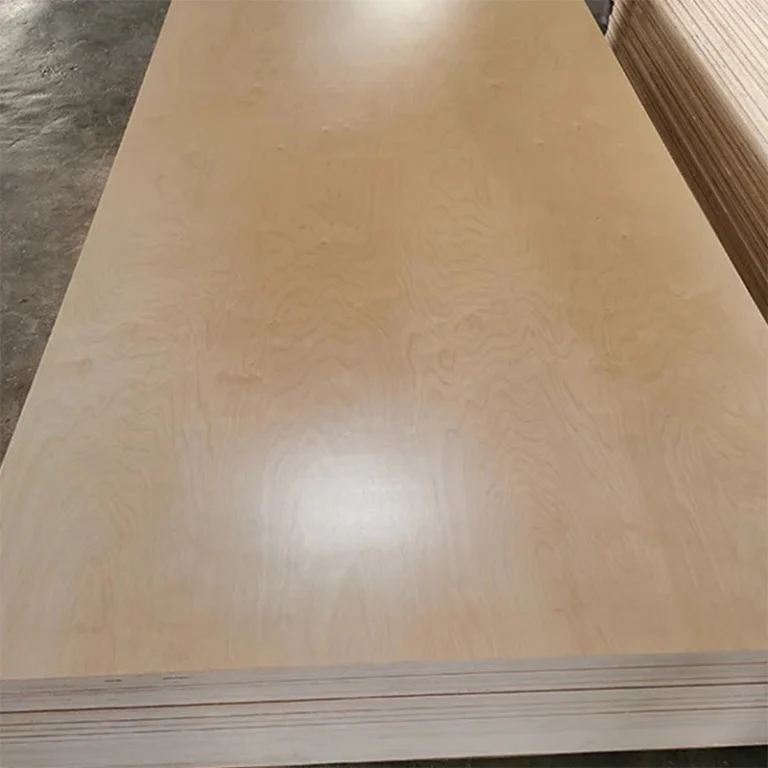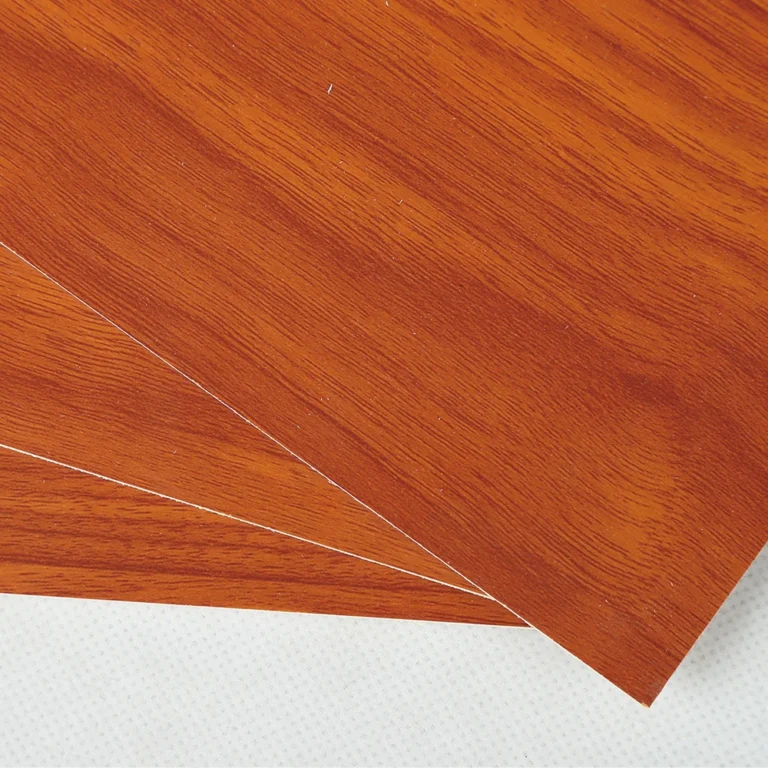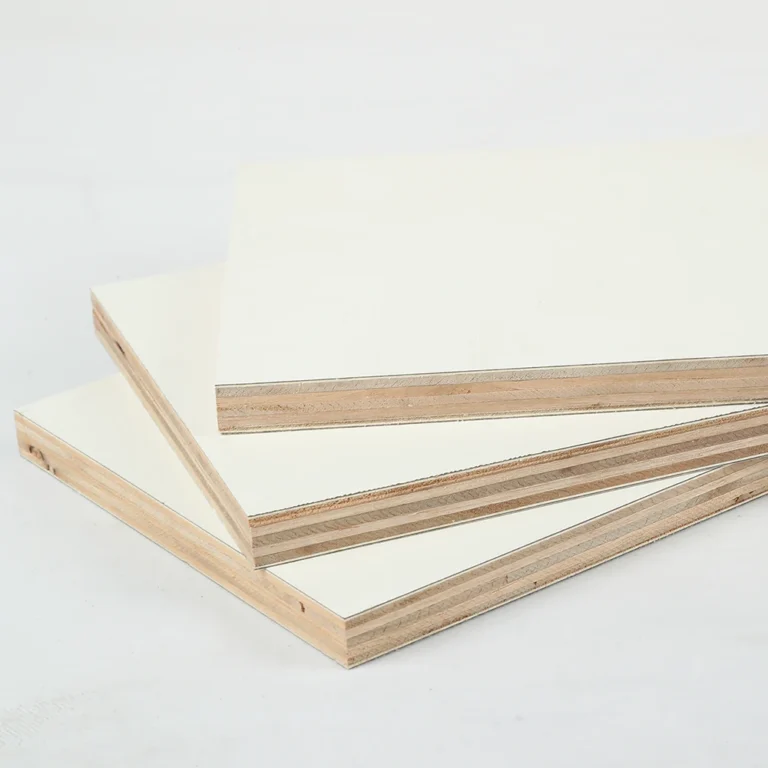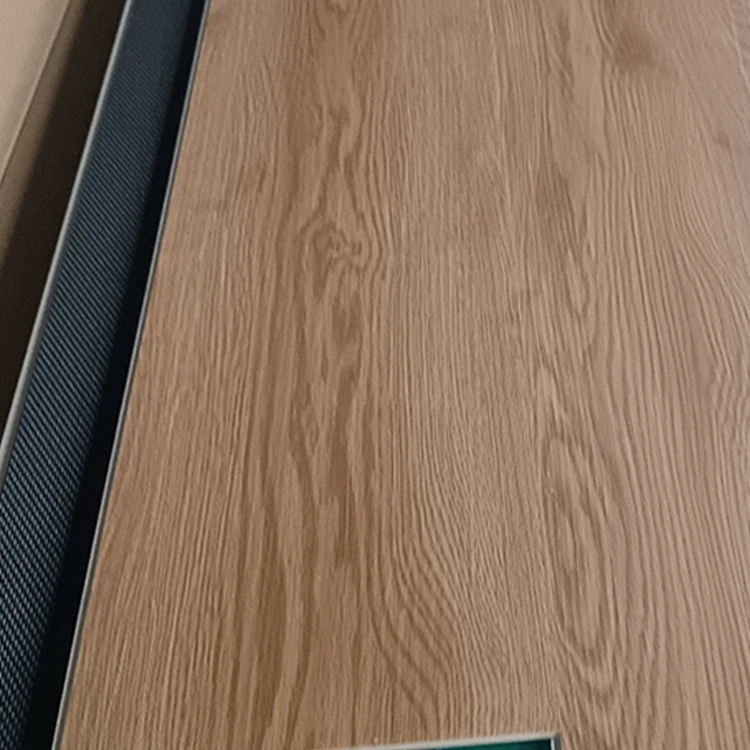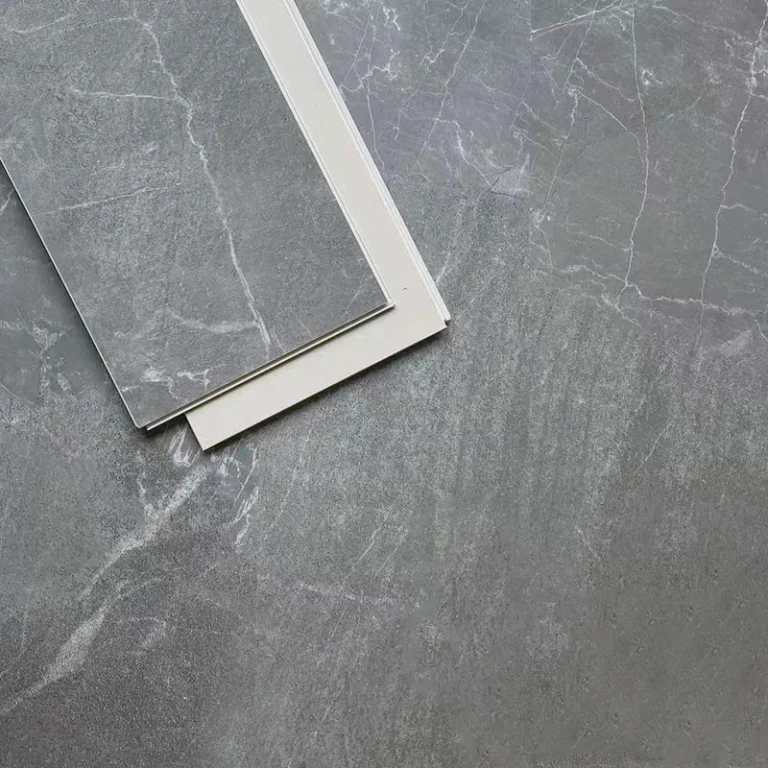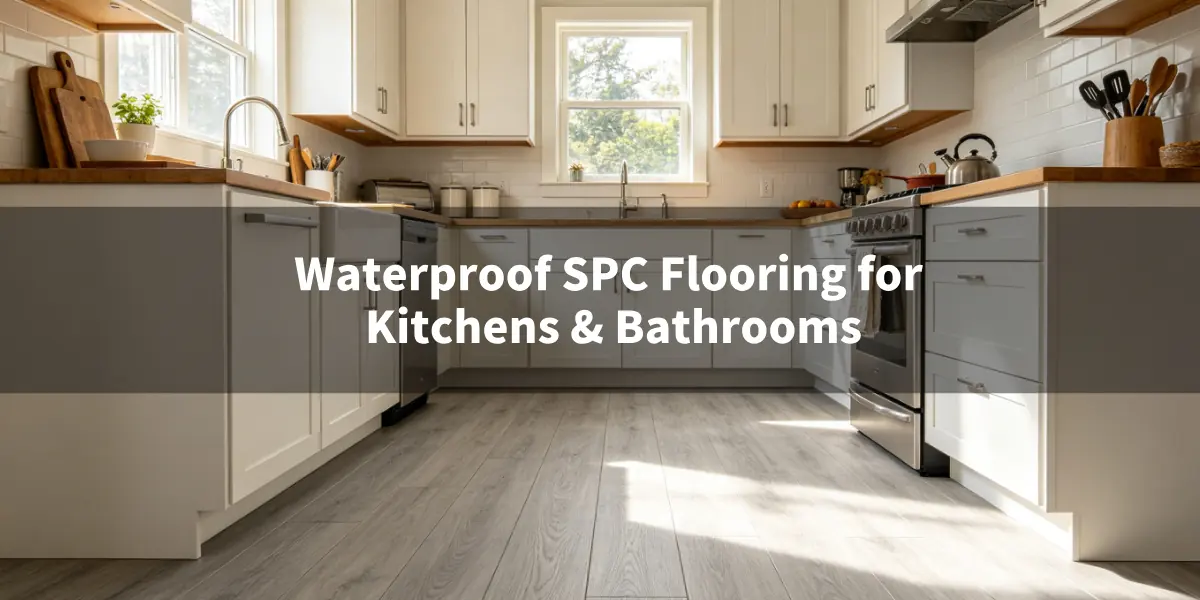
Water exposure is a common challenge in kitchens, bathrooms, laundry rooms, and other humid areas. Traditional flooring materials may swell, warp, or develop mold when exposed to moisture. Waterproof SPC Flooring provides a durable and moisture-resistant solution that combines attractive design with long-lasting performance.
In this guide, we’ll explore why waterproof flooring matters, how SPC flooring resists moisture, and the best installation and maintenance practices for wet environments.
Why Waterproof Flooring Matters
Moisture can cause serious damage to many flooring materials. Water penetration may lead to mold growth, surface damage, and costly repairs.
Preventing Mold and Damage
Bathrooms and kitchens experience frequent spills, humidity, and water exposure. Choosing moisture-resistant flooring helps prevent:
- Mold and mildew growth
- Warping and swelling
- Surface deterioration
- Unpleasant odors
Because SPC flooring contains a waterproof rigid core, it remains stable even in high-moisture conditions.
Easy Cleaning Benefits
Another advantage of waterproof SPC flooring is easy maintenance.
Homeowners can quickly clean:
- Water spills
- Food stains
- Pet accidents
- Everyday dirt and debris
This makes SPC flooring an excellent choice for busy households and commercial spaces.
SPC Flooring Waterproof Features
SPC flooring is designed to withstand moisture better than many traditional flooring materials.
Core Material and Sealant Technology
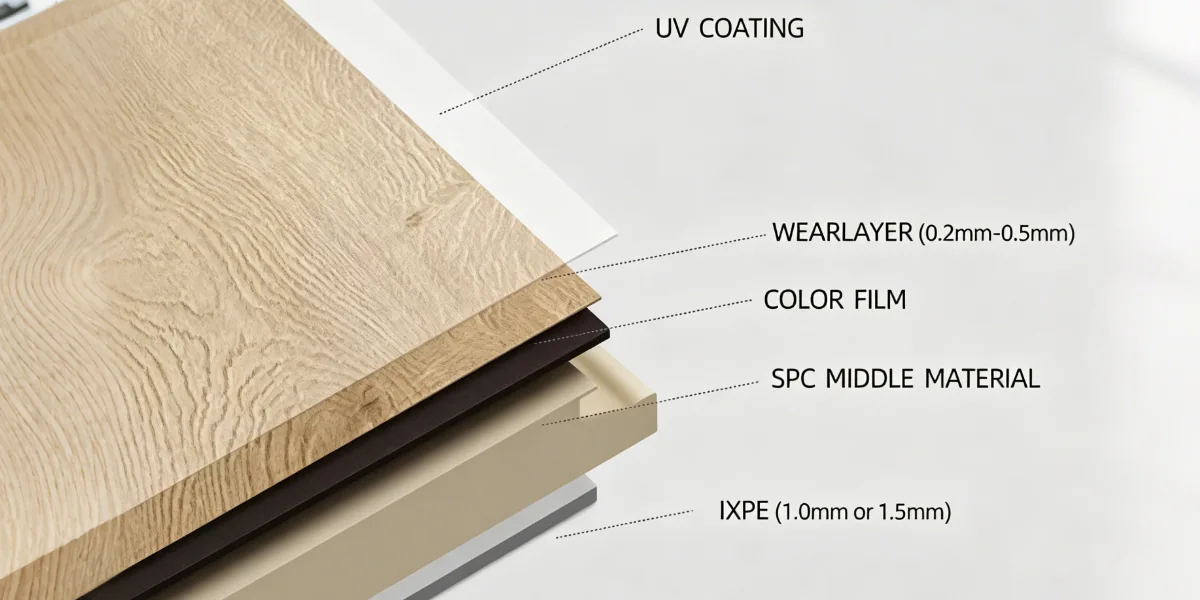
A typical SPC floor consists of:
| Layer | Function |
|---|---|
| UV Coating | Scratch protection |
| Wear Layer | Durability |
| Decorative Film | Wood or stone appearance |
| SPC Core | Waterproof stability |
| Underlayment | Comfort and sound reduction |
The stone-plastic composite core does not absorb water, helping maintain its shape and performance over time.
Many SPC flooring products also feature click-lock systems that create tight joints and reduce water penetration between planks.
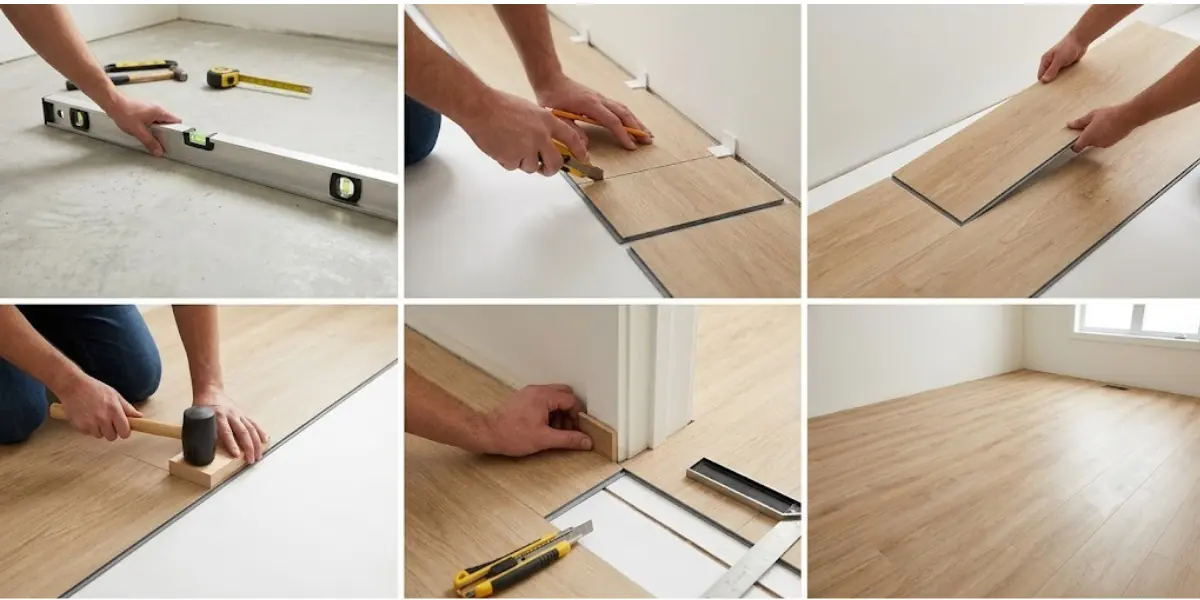
Installation Tips for Moist Areas
Proper installation helps maximize waterproof performance.
Bathroom and Kitchen-Specific Recommendations
For successful bathroom installation and kitchen applications:
- Ensure the subfloor is clean and level.
- Check for excessive moisture before installation.
- Use a vapor barrier on concrete subfloors when needed.
- Apply waterproof sealant around tubs, sinks, and plumbing fixtures.
- Leave recommended expansion gaps around room edges.
For bathrooms, selecting a textured surface can also improve slip resistance and safety.
Maintenance for Waterproof Floors
Although SPC flooring is waterproof, routine maintenance helps preserve its appearance.
Daily Care Tips
- Sweep or vacuum regularly.
- Use a damp mop for cleaning.
- Wipe up standing water promptly.
- Avoid abrasive cleaning products.
- Use furniture pads to prevent scratches.
Following these simple steps can extend the life of your flooring and maintain its original appearance. For more details, check our complete guide to matte SPC floor care.
Conclusion
Waterproof SPC Flooring is an ideal solution for kitchens, bathrooms, laundry rooms, and other moisture-prone spaces. Its waterproof core, durable construction, and easy maintenance make it a practical choice for both residential and commercial applications.
When installed correctly and maintained properly, SPC flooring offers long-lasting performance while protecting your space from moisture-related damage.
For additional maintenance advice, read our guide on Matte SPC Flooring Care to learn how to keep your SPC flooring looking its best.