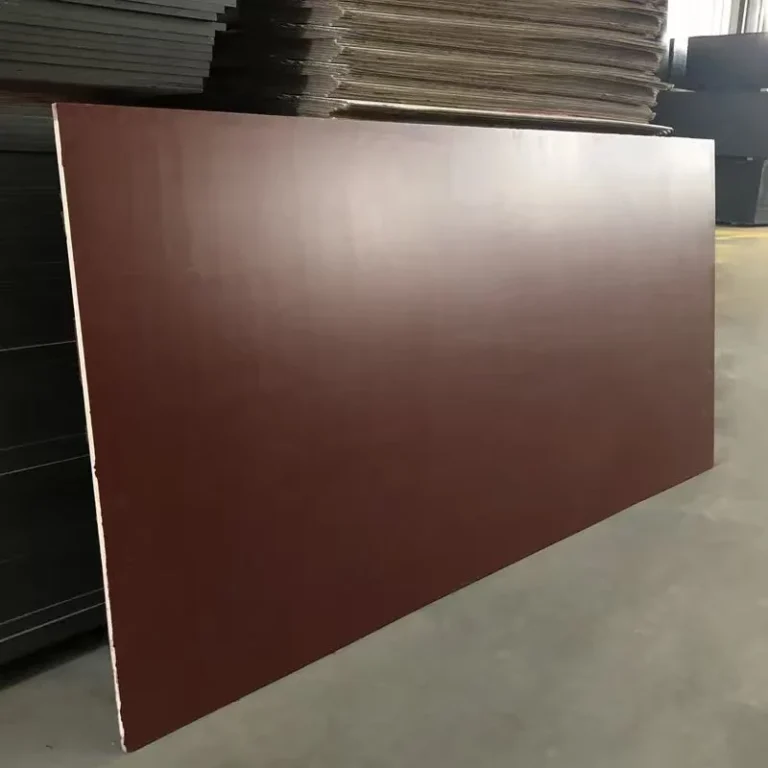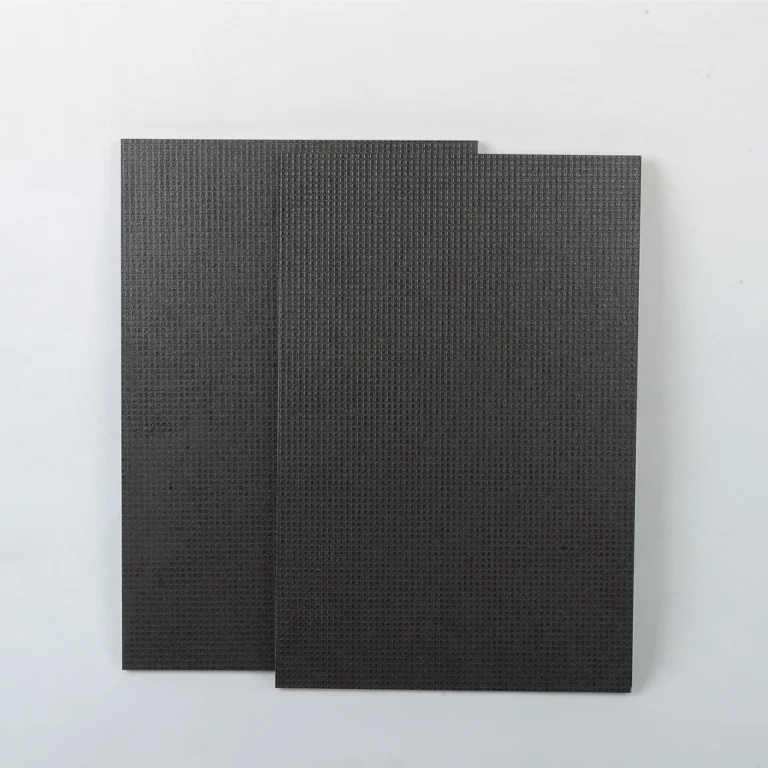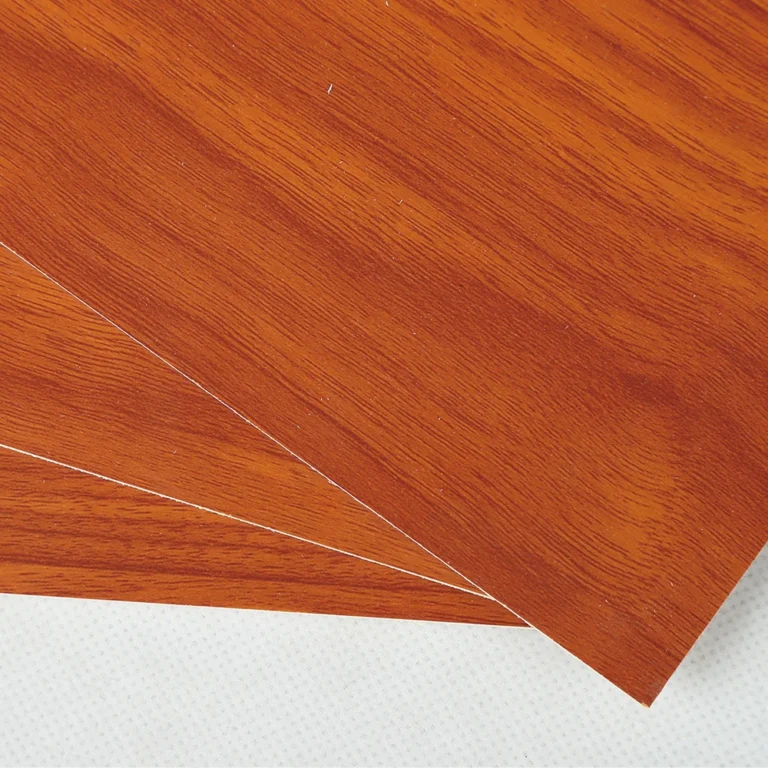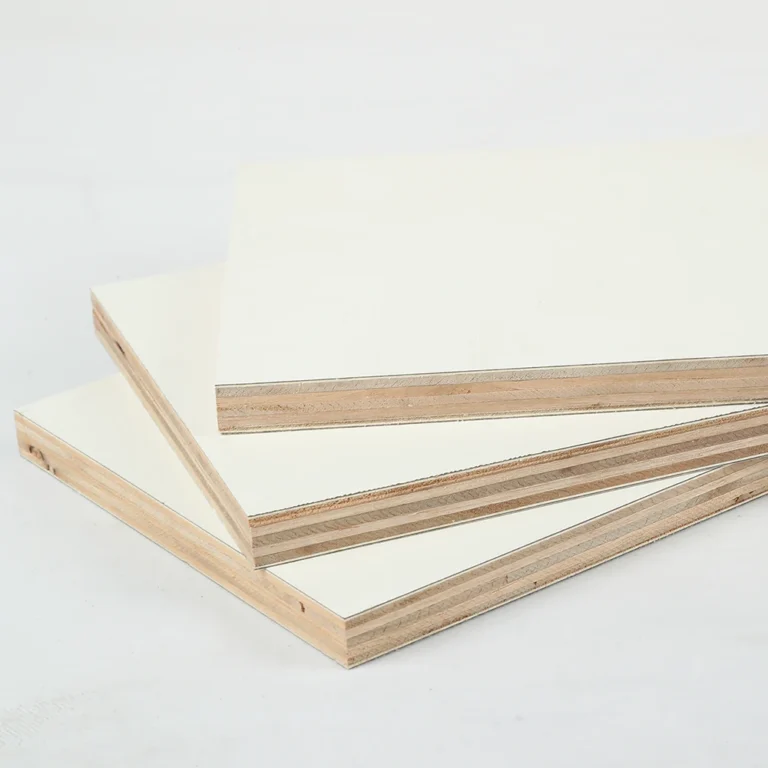
The film faced plywood import cost is more than the price quoted by a manufacturer. When importing plywood internationally, buyers also need to consider inland transportation, ocean freight, insurance, import duties, port charges, customs clearance, and local delivery. These additional costs can make a significant difference to the final purchasing cost.
For importers, distributors, and construction material buyers, understanding the complete landed cost is important before placing a container order. A supplier with a competitive factory quotation may not always offer the most economical solution after all import‑related expenses are included.
What Is Film Faced Plywood Landed Cost?
Landed cost refers to the total cost of getting film faced plywood from the supplier to the agreed destination.
A simple calculation is:
Landed Cost = Product Cost + Origin Transportation + Ocean Freight + Insurance + Import Duties and Taxes + Port Charges + Customs Clearance + Local Delivery
The exact costs depend on the destination country, shipping route, order quantity, trade terms, customs requirements, and local logistics.
This calculation gives buyers a more realistic way to compare suppliers instead of looking at the factory quotation alone.
1. Start With the Factory Product Cost
The manufacturer’s quotation is the starting point of the import calculation.
The product cost can vary according to specifications such as:
- Core material
- Thickness
- Sheet size
- Film type
- Film weight
- Glue
- Number of plies
- Order quantity
Before comparing suppliers, confirm the complete film faced plywood specifications, including the core material, thickness, film, glue, and sheet dimensions.
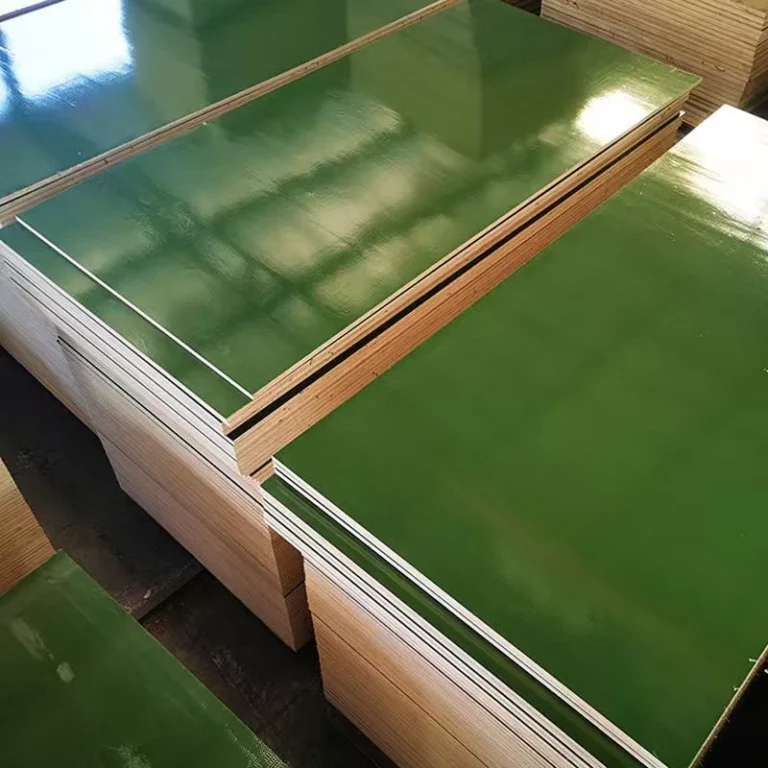
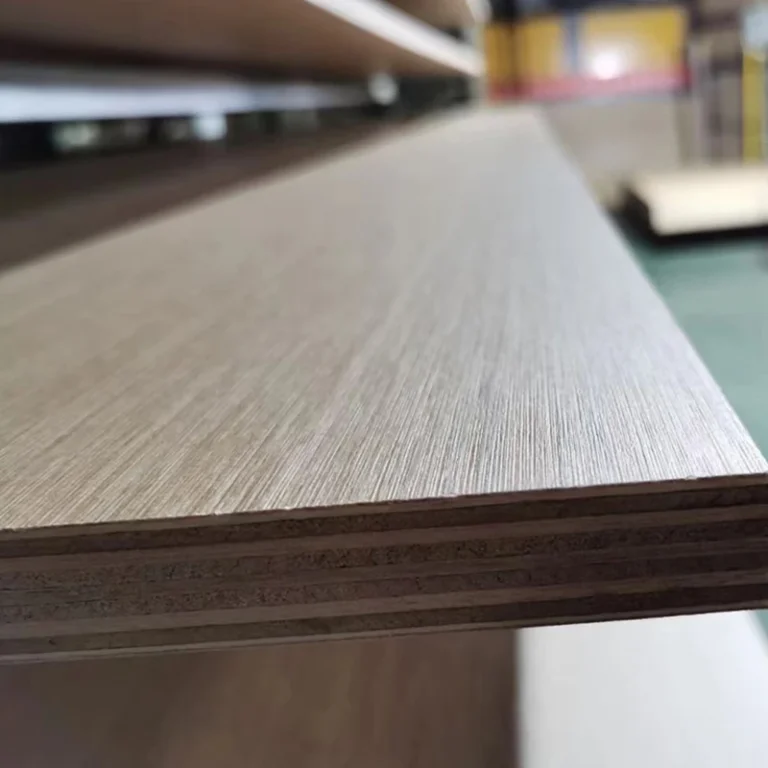
For example, Baitwood’s film faced plywood is available with Birch, Eucalyptus, Poplar, and Combi cores, while thicknesses range from 2mm to 40mm and standard sizes include 1220 × 2440mm and 1250 × 2500mm.
When comparing suppliers, make sure they are quoting the same specifications. A lower quotation may simply reflect a different core, thinner panel, lighter film, or different glue.
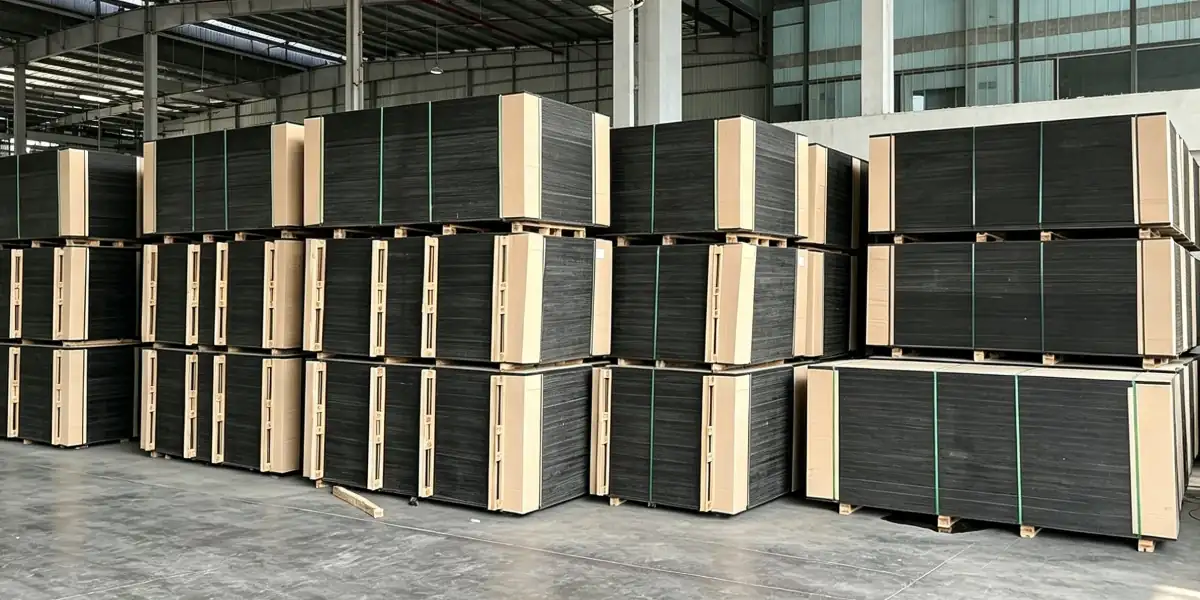
2. Understand FOB and CIF Prices
FOB and CIF are common trade terms used when importing plywood.
With FOB, the supplier handles the agreed export‑side responsibilities, while the buyer normally arranges the main ocean transportation and destination costs.
With CIF, the quotation generally includes the product, insurance, and ocean freight to the named destination port.
Neither option is automatically cheaper.
The important point is to understand exactly what is included in each quotation. Comparing an FOB quotation from one supplier with a CIF quotation from another without adjusting for the included costs can lead to the wrong conclusion.
For regular importers, it is useful to request detailed quotations showing the product specifications, loading port, destination port, and applicable trade term.
3. Ocean Freight
Ocean freight can be an important part of the film faced plywood import cost, particularly for container shipments.
Shipping costs can vary according to:
- Origin port
- Destination port
- Shipping route
- Container type
- Seasonal demand
- Carrier rates
- Fuel surcharges
- Shipment volume
Container loading efficiency is also important. Plywood is normally shipped in large quantities, so the number of sheets loaded into a container can affect the effective transportation cost per sheet.
Standard dimensions can sometimes make loading and packaging more efficient. Before ordering, ask the supplier to confirm the expected loading quantity based on your exact plywood thickness and dimensions.
For example, Baitwood lists a 20ft MOQ for its film faced plywood, while loading quantities depend on the selected specifications.
4. Import Duties and Taxes
Import duties and taxes are another important consideration.
The applicable amount depends on the destination country, customs classification, trade agreements, declared customs value, and current regulations.
There is no single import duty rate that applies to every market.
Before placing an order, importers should confirm the appropriate HS classification and applicable duties with a customs broker or local import specialist.
It is also important to prepare the required commercial invoice, packing list, bill of lading, certificate of origin, and other documents when applicable. Accurate documentation can help avoid unnecessary customs delays.
5. Port and Customs Clearance Charges
Once the container arrives at the destination port, additional charges may apply.
These can include:
- Terminal handling
- Documentation
- Customs clearance
- Inspection
- Port storage
- Container handling
- Demurrage or detention
Not every shipment will incur every charge, but they should be considered when preparing an import budget.
Delays can create additional expenses, especially when containers remain at the port or terminal beyond the permitted period. Clear documents and timely coordination between the supplier, freight forwarder, customs broker, and importer can help reduce these risks.
6. Local Delivery After Customs Clearance
The import process does not end when the plywood reaches the destination port.
After customs clearance, the container still needs to be transported to a warehouse, distribution center, or construction site.
Local transportation costs can depend on:
- Distance from the port
- Trucking rates
- Delivery location
- Container unloading requirements
- Road conditions
- Shipment weight
For distributors importing large quantities, the distance between the destination port and warehouse can have a noticeable effect on the final landed cost.
A supplier that is slightly more expensive at the factory may still be competitive if the overall shipping and delivery arrangement is more efficient.
7. Certification and Documentation Requirements
Some markets and construction projects require additional product certification or documentation.
Depending on the destination and application, buyers may request FSC, CE, CARB, or other compliance documents.
These requirements can affect production, testing, raw material sourcing, and documentation.
If certification is required, specify it when requesting the quotation. Otherwise, different suppliers may quote products with different compliance levels, making direct comparison difficult.
For example, Baitwood’s current film faced plywood specifications list ISO, CE, CARB, and FSC certification options.

How to Calculate Film Faced Plywood Landed Cost
A practical cost sheet can include:
- Product purchase cost
- Origin transportation
- Ocean freight
- Insurance
- Import duties and taxes
- Port charges
- Customs clearance
- Local delivery
- Other destination charges
The basic formula is:
Landed Cost = All Product, Shipping, Import, and Delivery Costs Combined
To calculate the cost per sheet:
Landed Cost Per Sheet = Total Landed Cost ÷ Total Number of Sheets
This method allows buyers to compare different suppliers based on the actual cost of receiving the plywood rather than the factory quotation alone.
How Can Importers Reduce Total Cost?
Reducing import cost does not always mean choosing the lowest product specification.
A better approach is to optimize the complete purchasing process.
Using standard sheet sizes can improve container utilization. Ordering suitable quantities can make production and transportation more efficient. Comparing FOB and CIF quotations can also help identify better shipping arrangements.
Buyers should also avoid paying for specifications that are unnecessary for the application while making sure that core quality, glue performance, thickness, and film durability meet the project requirements.
For projects requiring high water resistance and repeated use, buyers can also compare PP Film Faced Plywood with conventional film faced plywood. PP Film Faced Plywood uses a polypropylene surface and is designed for demanding construction and formwork applications.
What Should You Ask a Film Faced Plywood Supplier?
Before confirming an order, ask the supplier to clearly provide:
- Product specifications
- Core material
- Thickness and dimensions
- Film type and weight
- Glue type
- Packaging method
- Container loading quantity
- FOB or CIF terms
- Loading port
- Production lead time
- Available certifications
- Export documents
You should also confirm which costs are included in the quotation and which costs will be paid separately at the destination.
This makes supplier quotations much easier to compare and reduces the risk of unexpected charges.
Final Thoughts
The film faced plywood import cost is determined by much more than the manufacturer’s quotation. Product specifications, ocean freight, insurance, import duties, port charges, customs clearance, and local transportation all contribute to the final landed cost.
For importers and construction material distributors, the best supplier is not necessarily the one with the lowest factory price. A more reliable comparison considers the complete landed cost, product consistency, shipping efficiency, and expected performance.
Before placing a container order, ask suppliers to quote against the same product specifications and delivery conditions. You can review the available film faced plywood options first and then request a quotation based on your exact import requirements.